Menopause may bring changes in sleep, appetite and energy. Varied food supports health without guaranteeing that hot flushes disappear or hormones become balanced. If symptoms disrupt life, discuss treatment options with a clinician.
Review one ordinary day
Include a protein source, vegetables or fruit and a tolerated side in main meals. Consider calcium from yoghurt, fish with edible bones or a fortified drink. When replacing milk with a plant beverage, check the label rather than assuming identical nutrients.
For example, breakfast could be yoghurt with oats and fruit, followed by beans, vegetables and bread for lunch. If one meal does not suit you, replace the ingredient rather than the whole diet. With sweating, consider comfort and fluid needs without forced drinking.
When calcium may be considered
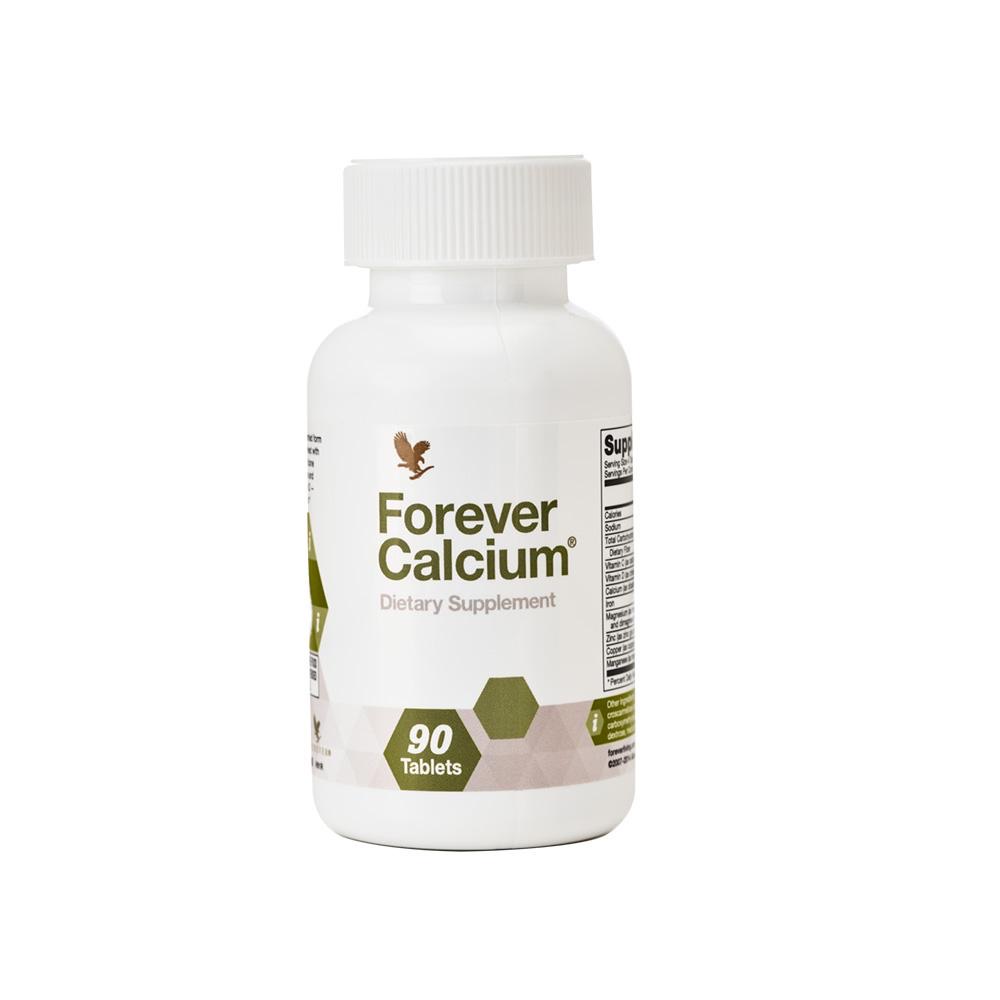
Compare Forever Calcium only if assessment identifies a dietary calcium gap. Review serving amounts, other supplements and medicines with a pharmacist. Vitamin D needs separate consideration according to circumstances and local guidance.
Adapt strength and balance activity to your ability. Record possible personal hot flush triggers without automatically excluding all coffee, spices or soy. The aim is a workable plan rather than strict control of every bite.
Sources: NHS Forever Living.
Common questions
Does calcium treat hot flushes?
No. It is considered for calcium intake and bone health, not hot flush treatment.
Must I buy several supplements together?
No. Review food, symptoms and treatment options first.
Before first use
Choose products for your dietary routine and care needs. Follow a healthcare professional’s advice for diagnosis and treatment of symptoms. Check suitability first during pregnancy and for use by children.