The key points from this article
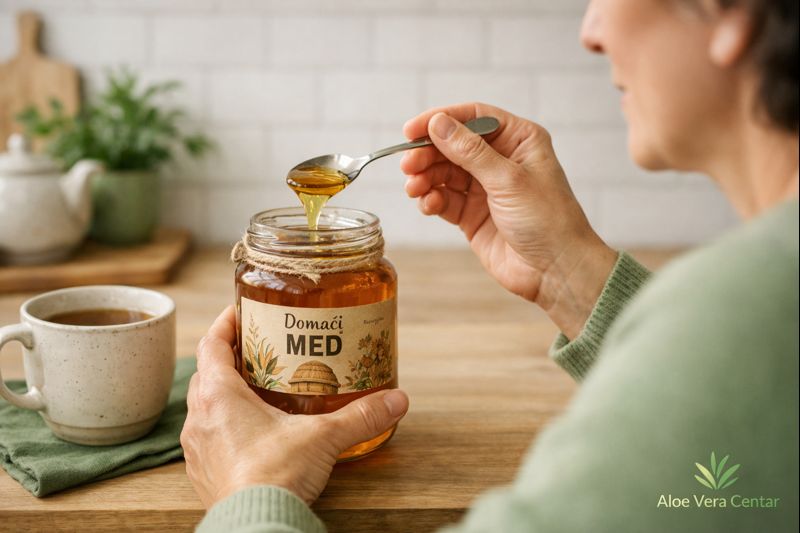
- Local honey and allergies sounds like a trick everyone would love.
- One teaspoon a day and spring becomes peaceful.
- For a personal choice, continue with a recommendation after reading.
Products most closely related to this topic
If you want to compare concrete options after reading, these products are the closest match to the article topic.
 Forever Bee Honey
Natural daily support when you want a bee-derived or botanical product for energy and resilience.
A good comparison if you want natural daily support and a calmer ritual.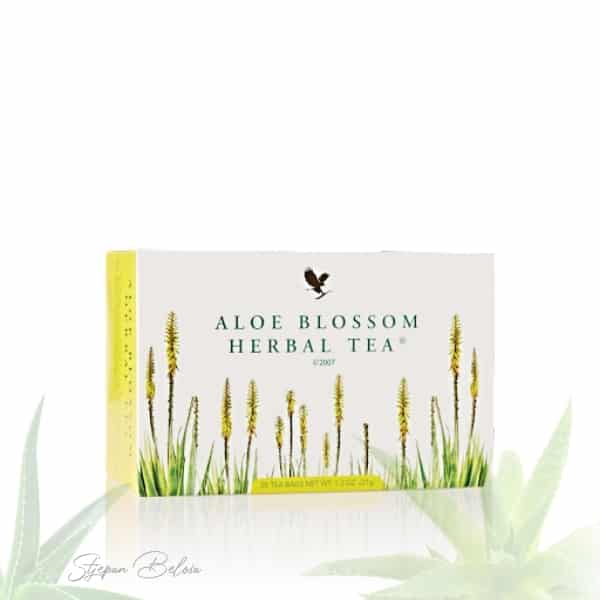 Aloe Blossom Herbal Tea
A caffeine-free herbal tea for a calmer daily ritual, hot or cold.
A good comparison if you want natural daily support and a calmer ritual. Forever Argi+
A supplement for energy, heart and circulation routines when you want longer-term daily support.
Useful to compare when you are looking for energy, focus or vitality support.Local honey and allergies: myth or does it make sense, how to test without risk
Local honey and allergies sounds like a trick everyone would love. One teaspoon a day and spring becomes peaceful. No sneezing, no watery eyes, no full tissues. But the reality is more nuanced. For some it seems to help. It doesn't change anything for others. For some, it even worsens symptoms.
You may be wondering why there is so much talk about honey. The reason is simple. The idea of "getting used"to pollen sounds logical. However, not all pollen is the same. Not all allergies are the same. And not all honey is the same.
In this guide you will get a clear framework. You will find out what the science really says. You will learn how to assess risk. You will receive a test plan that minimizes the possibility of problems. And you'll get alternatives that are often more effective.
Why people believe that local honey"cures"allergies
The theory relies on one principle. The body can gradually get used to the allergen. This is the basis of allergy immunotherapy. However, immunotherapy uses precisely defined doses. It is conducted under professional supervision.
Honey, on the other hand, is not a standardized product. The amount of pollen varies. The type of pollen also varies. And this is where the key problem arises.
Most seasonal allergies come from wind-blown pollen. These are grasses, birch, ragweed and similar plants. Bees more often collect pollen from plants that are pollinated by insects. These are often completely different species.
Here's the thing: even when honey contains pollen, it might not be your trigger pollen. Then"getting used to it"makes no sense. In the best case, you get a tasty food. At worst, you get a reaction.
What the research says and why the results are mixed
There are studies that have found no benefit. An earlier study did not confirm that honey reduces the symptoms of allergic rhinoconjunctivitis. Read the summary on the pagePubMed research on honey and rhinoconjunctivitis.
There are also studies that suggest improvement in some people. One randomized study describes a lower intensity of symptoms in subjects who took honey. The summary is available atPubMed page on honey and allergic rhinitis.
But that's not all. Studies are often small. Protocols vary. The type of honey varies. And the symptoms often change even without honey.
Authoritative allergy organizations generally advise caution. They emphasize that honey is not a substitute for proven approaches. See the position on the pageAAAAI on local honey and allergies.
For a practical summary of the"pros"and"againsts", it is good to read the review onHealthline article on honey and allergies.
Who can be bothered by local honey even when it doesn't need to be tested at home
Be strict here. No need to prove it. If you have ever had a severe allergic reaction, do not test honey yourself. The same applies to severe asthma.
Special caution applies to people allergic to pollen. Honey may contain traces of pollen. It can cause a reaction in sensitive people. WebMD lists warnings for people with pollen allergies on the siteWebMD on honey and side effects.
Do not give honey to children under 12 months. The risk of infant botulism is known. This has nothing to do with allergies, but it is a key rule.
If you are allergic to bee stings, be extra careful. It is not the same as a honey allergy. However, fear and risk often overlap. In this case, choose the advice of an allergist.
How to recognize if your problem is an allergy or something else
Many symptoms look the same. A stuffy nose can be an allergy. It can also be dry air. It can also be irritation of the mucous membrane.
The seasonal pattern is an important sign. Symptoms appear at the same time of the year. They are amplified in the open air. They decrease after showering and changing clothes.
Another sign is a combination of symptoms. Nose, eyes and throat often go together. Fatigue is common but often overlooked. And fatigue increases sensitivity to all stimuli.
If you want a deeper context on the pollen season, it's a good idea to read the guide onallergies in spring.
First rule:"no risk"does not exist, but risk can be reduced
The title of this thread is often misleading. People want a risk-free test. This does not exist with food and allergies. There is only a smart way to test.
Your goal is to reduce the likelihood of a reaction. Another goal is to recognize the reaction early. The third goal is to have a plan for what then.
This is where many make a mistake. They start with a big spoon. They start in the middle of severe symptoms. And they started without any plan.
A safe framework for testing local honey for milder symptoms
Step 1: Choose the right moment
Do the testing when you are stable. Do not do it in the middle of the strongest symptoms. Don't do it when you're sick. Don't do it after a hard workout.
Step 2: Choose a verified source
Choose honey from a producer you trust. You are looking for a clean declaration. Avoid mixtures with unknown additives. If possible, choose honey from one season.
Step 3: Create a mini-test in three stages
- Phase A: touch the lip in a very small amount.
- Phase B: quarter teaspoon and wait.
- Phase C: half a teaspoon and reassess.
Wait 20 to 30 minutes after each stage. Monitor the itching in the mouth. Monitor lip swelling. Watch for a rash, cough, or chest tightness. If anything comes up, stop.
Step 4: Keep a journal for seven days
Write three things a day. Symptoms in the morning. Symptoms in the evening. Time spent outside. This will give you a more objective picture.
Step 5: Define"success"
Success is not an overnight miracle. Success is a small difference that repeats itself. An example is less itchy eyes. Another example is less need for tissues.
How to recognize that honey may help you, but not because of"getting used to it"
Sometimes honey gives subjective relief. The reason can be quite simple. Honey can soothe the throat. It can relieve irritation after coughing.
Another reason is routine. Along with honey, people often introduce other changes. They drink more water. They go to sleep earlier. Fewer are out during peak hours.
Sound too good to be true? That's exactly why you need a diary. Journaling separates feeling from pattern. And it gives you data.
Practical strategies that often bring more benefits than honey
The first strategy is pollen hygiene. Change your clothes after the walk. Wash your hair in the evening. Do not dry your laundry outside during the pollen season.
Another strategy is home protection. Ventilate briefly. Use an air purifier if you can. Keep windows closed on high pollen days.
The third strategy is sleep. Bad sleep increases inflammation and sensitivity. If you want a routine that supports the body, read the article ona dream.
The fourth strategy is stress. High stress increases the experience of symptoms. It also impairs the recovery of the mucous membrane. A good framework is the text ofstress and cortisol.
Where Forever products can fit into the story, without forcing it
If you like honey as part of your routine, quality and consistency are important. For some, it is practical to have honey that is always of the same profile. In this context it can fitForever Bee Honey.
For the evening routine, many choose a hot drink. The heat can soothe the throat. It is not an allergy treatment. It's a ritual that makes the day easier. One option isAloe Blossom Herbal Tea.
If you are taking therapy or have a chronic condition, be careful with combinations. A good framework is a text on how to combine safelyForever products.
When it makes sense to ask for a personalized plan
Allergies are not only the nose and eyes. They affect energy. They affect concentration. They affect the mood. That's why the plan should be personal.
If you want a quick assessment of the routine and products you already use, you can use oursAI advisors.
AI can help you organize your daily schedule. It can remind you of key habits. It can suggest simple changes. You still decide what suits you.
How to realistically test"local honey"without misconceptions
The most common misconception is this."If it's local, it has to work."Local just means it's from your region. It doesn't mean it contains pollen that bothers you. It does not mean that the dose is sufficient.
Another misconception is the dosage. People take a spoon and expect an effect. If there is no effect, they increase the dose. Thus, they also increase the risk.
The third misconception is time. Testing in the season is the most risky. Then you are already under load. Testing before the season is often more enjoyable. And it gives a clearer picture.
A 14-day mini-protocol that gives a clearer answer
- Day 1: three phases of the mini-test, no continuation.
- Day 2 to 4: quarter teaspoon, once a day.
- Day 5 to 7: half a teaspoon, once a day.
- Day 8: break and comparison of symptoms.
- Day 9 to 14: same dose, but with diary.
If symptoms worsen, stop. If nothing changes, that is also the answer. If mild improvement, proceed with caution. Still following the pattern.
Frequently asked questions
Can local honey replace an antihistamine?
It should not be a substitute. Honey does not have a standardized dose of allergens. The antihistamine has a clear application and effect.
How soon can I expect a change?
If change occurs, it is usually mild and gradual. Realistically observe two to four weeks. Keep a journal.
What are the early signs that honey isn't right for me?
Itching in the mouth is a common early sign. A rash is also possible. Coughing and shortness of breath are a sign to stop.
Is it better to take honey before the season or in the season?
Before the season is often more comfortable to test. In the season you are already under a greater load. The risk of reaction may be higher.
Conclusion: it makes sense only with a good framework and realistic expectations
Local honey can be part of the routine, but it's not a magic shield. The science is mixed. There is a risk for sensitive people. That's why it's worth having a plan and boundaries.
If you test, test smart. Start with the minimum dose. Follow the signs. Keep a journal. And rely on habits that are proven to help.
For inspiration on how modern technology and AI are used to build a global online business, read the article"How this couple is building a global business with AI and working 95% online".
Note: This article is informative and is not a substitute for medical advice. If you have severe allergies, asthma, or have had serious reactions, consult your doctor or allergist before any testing.
Products most closely related to this topic
If you want to compare concrete options after reading, these products are the closest match to the article topic.
Forever Bee HoneyNatural daily support when you want a bee-derived or botanical product for energy and resilience.
A good comparison if you want natural daily support and a calmer ritual.Aloe Blossom Herbal TeaA caffeine-free herbal tea for a calmer daily ritual, hot or cold.
A good comparison if you want natural daily support and a calmer ritual.Forever Argi+A supplement for energy, heart and circulation routines when you want longer-term daily support.
Useful to compare when you are looking for energy, focus or vitality support.Short answers that help
If you are still comparing options, these are the points worth checking before you continue.
What should I take from this article?
Use it to understand the topic in practical terms and compare it with your current routine, needs and next step.
When does it make sense to ask for a recommendation?
Ask when the topic feels relevant, but you are not sure which Forever Living Products product or routine fits you best.
Does this article replace professional advice?
Local honey and allergies: does it make sense and how to test safely is educational content. For medical conditions, medication, pregnancy or persistent symptoms, include qualified professional advice.
Describe what you want to achieve
If you do not know which product to choose, write your goal, habits or doubts and get a more concrete suggestion.
Recommended products
Related articles to keep exploring