The key points from this article
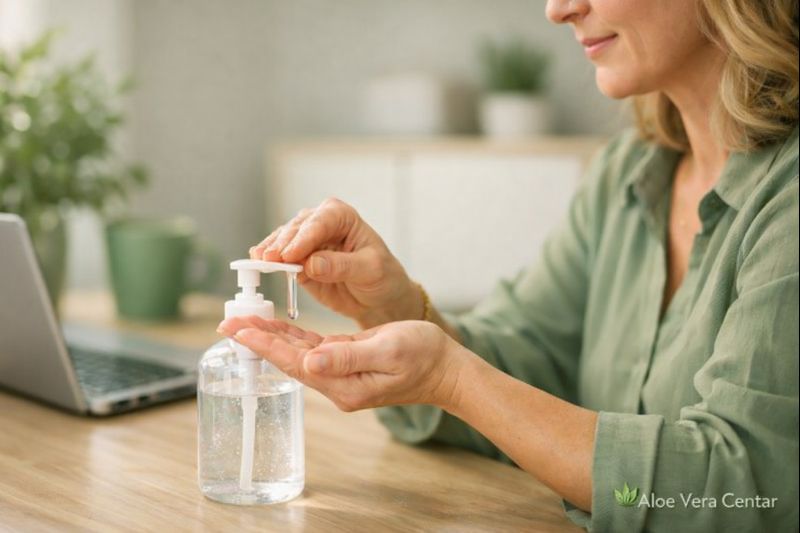
- Antibacterial hand gel is often the first line of hygiene when you are not near water.
- For a personal choice, continue with a recommendation after reading.
Products most closely related to this topic
If you want to compare concrete options after reading, these products are the closest match to the article topic.
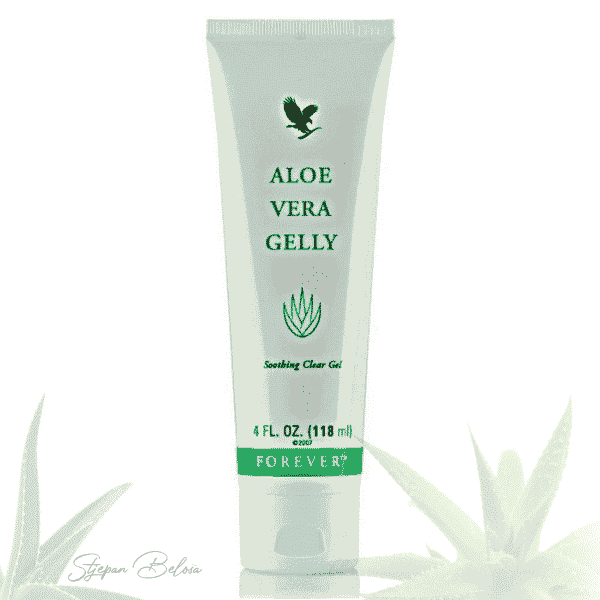 Aloe Vera Gelly
A practical outer-care product when the goal is skin comfort and a simpler care routine.
Closest to a care routine for skin, hair or everyday personal care.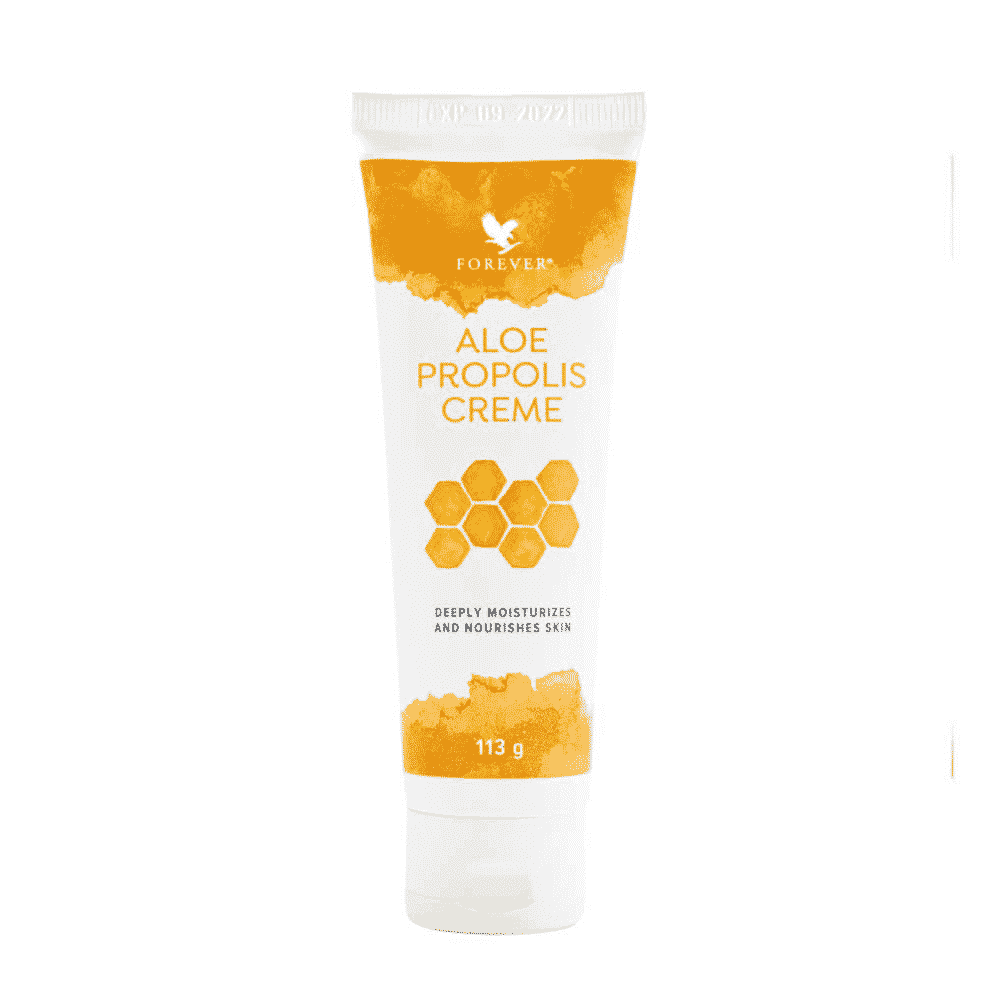 Aloe Propolis Cream
Natural daily support when you want a bee-derived or botanical product for energy and resilience.
Closest to a care routine for skin, hair or everyday personal care.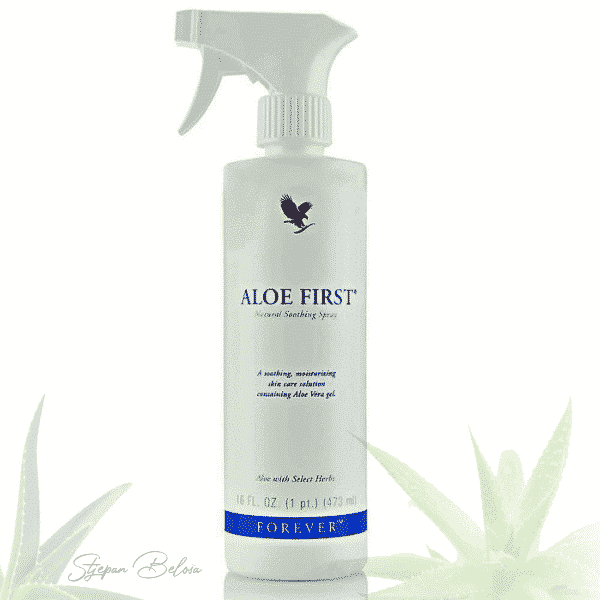 Aloe First – First aid for the skin with Aloe vera and propolis
A practical outer-care product when the goal is skin comfort and a simpler care routine.
Closest to a care routine for skin, hair or everyday personal care.Antibacterial hand gel with aloe: caution with alcohol and adaptation to skin and hair type
Why gel alcohol is both useful and inconvenient
The alcohol in the gel works quickly. In the right concentration, it reduces the number of germs on the hands. Recommendations often revolve around at least 60% alcohol for good effect. You can read more details about proper use and this limit in the officialCDC guidelines for hand disinfection.
But alcohol is not gentle on the skin barrier. It dissolves part of the surface lipids. The skin then loses water faster. The result is dryness, roughness and a feeling of tightness. Some people also experience redness.
You might wonder why some people don't have the problem. Here's the thing: the initial condition of the skin is crucial. If you already have dry hands, alcohol will make it worse. If you often wash your hands with detergents, the barrier is already stressed. Then even a good gel can sting.
What does"with aloe"mean and what can you realistically expect
Aloe is often added because it gives a more pleasant feeling on the skin. It can soothe tight skin and reduce the feeling of roughness. It also helps the gel spread better. But it is important to know one thing. Aloe does not reverse the drying potential of alcohol.
If you are interested in the wider context, see the article onantibacterial and antifungal action of aloe. There you will see how aloe is described in scientific and traditional terms. This helps keep expectations realistic.
But that's not all."With aloe"sometimes also means that glycerin or panthenol has been added. These ingredients can retain moisture. That is why it is worth reading the declaration. Look for balance, not just marketing.
Quick test: what type of skin do you have on your hands?
You don't need a lab. You need two minutes of attention. Wash your hands with mild soap. Wipe them gently. Wait ten minutes without cream.
- If the skin tightens, she is probably dry or dehydrated.
- If it stings, the barrier is sensitive or already damaged.
- If it shines, it is possible that you have an oilier type, but it is less common on the palms.
- If it peels, it is often a combination of dryness and irritation.
If you have more sensitive skin, this practical guide will come in handyminimal routine for sensitive skin. The principle is the same for fists. Fewer steps, but smarter.
The most common mistakes when using antibacterial gel
The first mistake is too little product. The gel must cover all surfaces. Another mistake is too short rubbing. The third mistake is putting the gel on already very dirty hands. Then soap is a better choice.
The fourth mistake is"double cleaning". This means: first aggressive soap, then immediately alcohol gel. The skin is then hit in two steps. If you are at home, rather choose hand washing, then care.
The fifth mistake is touching the face while the gel is drying. Alcohol can then get on the lips and around the eyes. That can sting. Wait for the hands to dry completely.
Fragrances and additives: when they become a problem
Some gels have a strong smell. It can be pleasant, but also irritating. Sensitive skin often reacts to perfumes. The reaction may be dryness or redness. Some people also experience itching.
Look for a gel with a simpler formula. Choose options without strong colors. If you have a history of allergies, test on a small area. Wait 24 hours. Only then use regularly.
- If you are prone to irritation, skip gels with intense scents.
- If you have a rash, take a break and return to mild soap.
- If you work with food, avoid gels with strong aromas.
Adaptation to skin type: three scenarios that solve 90% of problems
1) Dry skin and winter
Dry skin in winter has two enemies. These are cold air outside and dry air inside. If this bothers you, read the guide aboutdry air in the apartment. The moisturizing principle also helps the skin of the hands.
- Use the gel when you have to, but apply a thin layer of cream immediately after drying.
- In the evening, make a"mask"for your hands with a richer cream and cotton gloves.
- Carry a mini cream in your bag, not just a gel.
It works well for many people for daily careAloe Propolis Cream. It doesn't solve everything, but it provides a protective film. This is often what dry hands need.
2) Sensitive skin and redness
Sensitive skin likes predictability. Choose a gel without strong fragrances. Avoid colors and too many essential oils. If it burns immediately, reduce the frequency. When you can, wash your hands and apply cream.
If cracks occur frequently, consider a barrier approach. This means: cream before leaving the house. Gel during the day. Cream after drying. Simple but effective.
3) Eczema and dermatitis on the hands
In eczema, the irritation threshold is lower. Alcohol can sting, especially on small wounds. In this case, a plan helps, not improvisation. Use the gel only when necessary. When you are at home, wash your hands with lukewarm water.
Irritant dermatitis with frequent hygiene is often mentioned in the medical literature. One review atPubMed on irritant dermatitis and alcohol in gels describes this risk with frequent use. This is not a reason to fear. This is the reason for a smart routine.
Where hair comes into the story and why it is often forgotten
The gel is on the hands, but the hands are constantly in the hair. This is especially common with stress and concentration. Alcohol and fragrances are then transferred to the scalp and hair. With colored hair, this can increase dryness. With curly hair, it can increase frizz.
One more thing: the gel can leave a sticky film. That film gets on the hair and on the brush. After that, the hair looks heavier and lifeless. It sounds small, but it adds up quickly.
Want a quick test? Use the gel, then immediately run your hand through your hair. If you feel a"creaking", it is a sign of drying. If you feel stickiness, this is a sign of residue. In both cases, it is worth changing the habit.
If your ends break easily, check out these guidelines onbreaking of the ends of the hair. It's not just about the gel. But the gel can be a silent trigger.
Mini protocol: hand hygiene without"penalty"for skin and hair
This is a routine for days when you are constantly on the go. Don't look for perfection. Look for consistency. Sound too good to be true? Continue reading.
- First wipe off visible dirt, if any.
- Apply enough gel and rub for 20 to 30 seconds.
- Wait for the hands to dry completely.
- Apply a thin layer of the cream, especially over the knuckles and between the fingers.
- Only then touch your face or hair.
At home, when it is not urgent, many people prefer to wash their hands with a mild detergent. It is often mentioned in this contextAloe Liquid Soap. It is used like soap, so you don't have to constantly reach for alcohol gel.
If local burning or dry patches occur, a short topical treatment may help. Some useAloe Vera Gelly as"SOS gel"for the skin. The idea is to calm the area, then lock in the moisture with a cream.
Be careful with homemade mixes and DIY trends
You will see recipes for homemade gel on the Internet. The ratio of alcohol to aloe is most often mentioned. The problem arises when the alcohol is too low. Then the hygienic effect falls.
Healthline lists a 2:1 ratio of alcohol to aloe as a way to keep about 60% alcohol in the mix. If you're interested in more detail, read their guide onto prepare an effective hand gel. Still, homemade mixes are not ideal for sensitive skin.
Another risk is the unclear origin of the alcohol. Always use proven products. Especially if you have children at home. And never apply the gel to the mucous membranes.
How to choose a gel in the store: a 7-item checklist
- Type of alcohol: ethanol or isopropanol are standard.
- Alcohol percentage: aim for at least 60%.
- Humectants: glycerin and similar ingredients reduce dryness.
- Fragrances: less is often better, especially with sensitive skin.
- Texture: gel or foam, choose what does not leave a film.
- Packaging: the pump reduces plug contamination.
- Care plan: gel without cream is half the solution.
When is it better to choose soap instead of gel
Gel is practical, but not always the best choice. If hands are visibly dirty, soap is better. If you have handled food, soap is safer. If you've used the gel ten times, soap and cream may be the smarter next step.
Here's a little mental shortcut. The gel is for movement. Soap is for routine. When you adopt this, the skin often calms down.
How to turn on AI advisor and discount without wasting time
If you have a specific problem, it's helpful to get personalized direction. You can describe your symptoms and habits, and get a suggested routine. You can do this through ourAI advisor for choosing products and routines.
Frequently asked questions
Is the antibacterial gel enough, or do I still need soap?
The gel is good when there is no water. Soap is better for visible dirt. The best result is given by a combination with skin care.
Why does the gel burn, even though it"has aloe"?
It most often burns due to microcracks and a damaged barrier. Aloe may soothe the feeling, but it does not remove the alcohol. In this case, reduce the frequency and increase the care.
Can I use the gel before applying the cream?
Yes, that's better too. Wait for the gel to dry. Only then apply the cream. This way you reduce alcohol dilution and irritation.
Can the gel affect my hair if I use it constantly?
Yes, through touch. Alcohol and fragrances are transferred to the hair and scalp. Wait for your hands to dry and minimize touching your hair.
Conclusion
Antibacterial hand gel is a useful tool. But he is looking for a smart escort. If you have dry or sensitive skin, the key is in the barrier. If you touch your hair often, the key is in the habit. Small adjustments add up to a big result. Get started with one step today. If you want a faster direction, use the tips in this guide.
Want an example of how AI can help modern online work? Read the article"How this couple is building a global business with AI and working 95% online".
Note: This article is for informational and educational purposes. It does not replace examination, diagnosis or therapy. If you have more severe symptoms, consult a doctor or dermatologist.
Products most closely related to this topic
If you want to compare concrete options after reading, these products are the closest match to the article topic.
Aloe Vera GellyA practical outer-care product when the goal is skin comfort and a simpler care routine.
Closest to a care routine for skin, hair or everyday personal care.Aloe Propolis CreamNatural daily support when you want a bee-derived or botanical product for energy and resilience.
Closest to a care routine for skin, hair or everyday personal care.Aloe First – First aid for the skin with Aloe vera and propolisA practical outer-care product when the goal is skin comfort and a simpler care routine.
Closest to a care routine for skin, hair or everyday personal care.Short answers that help
If you are still comparing options, these are the points worth checking before you continue.
What should I take from this article?
Use it to understand the topic in practical terms and compare it with your current routine, needs and next step.
When does it make sense to ask for a recommendation?
Ask when the topic feels relevant, but you are not sure which Forever Living Products product or routine fits you best.
Does this article replace professional advice?
Antibacterial hand gel with aloe: a guide for skin and hair is educational content. For medical conditions, medication, pregnancy or persistent symptoms, include qualified professional advice.
Describe what you want to achieve
If you do not know which product to choose, write your goal, habits or doubts and get a more concrete suggestion.
Recommended products
Related articles to keep exploring