The key points from this article
- Matcha may already be familiar to you from coffee shops and home rituals.
- But we increasingly see EGCG extract in capsules and powders.
- For a personal choice, continue with a recommendation after reading.
Products most closely related to this topic
If you want to compare concrete options after reading, these products are the closest match to the article topic.
 Forever Fiber - FIBER
A simple fiber add-on when you want digestion and satiety support during the day.
It fits topics such as appetite, portions, energy or a weight-management routine.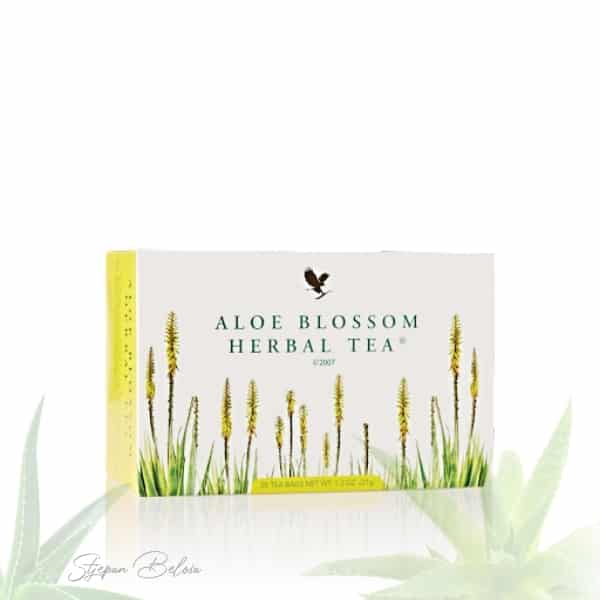 Aloe Blossom Herbal Tea
A caffeine-free herbal tea for a calmer daily ritual, hot or cold.
A good comparison if you want natural daily support and a calmer ritual.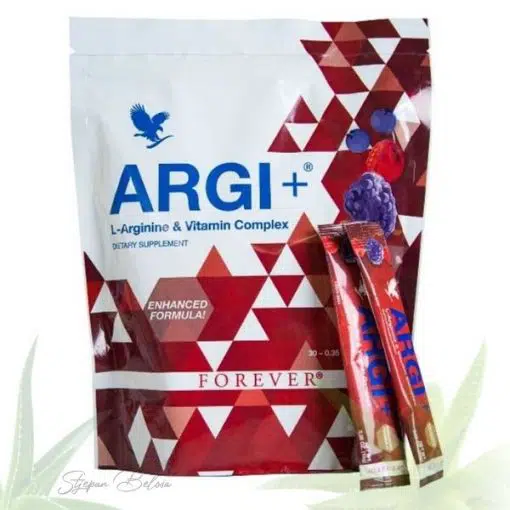 Forever Argi+
A supplement for energy, heart and circulation routines when you want longer-term daily support.
Useful to compare when you are looking for energy, focus or vitality support.Matcha vs green tea extract (EGCG): which is the better choice and for whom?
Matcha may already be familiar to you from coffee shops and home rituals. But we increasingly see EGCG extract in capsules and powders. And this is where the confusion begins. What is"stronger"? What is"safer"? And what even makes sense for your goal?
Imagine a typical day. You are focused in the morning. Around 2 p.m., the power goes down. Then we look for a quick solution. Someone chooses a matcha latte. Someone reaches for a green tea capsule. Both sound healthy. But the body does not react the same way.
In this guide you will get a clear picture. We will compare matcha and extract through composition, dosage, effect and risks. You will also receive a practical plan. The goal is simple. To choose wisely, without guessing.
What is matcha and what is green tea extract
Matcha is a powder made from tea leaves. Leaves grow in the shade. Then they are dried and ground. When you drink matcha, you ingest the whole leaf. That is the key difference.
Green tea extract is a concentrate. It usually comes in capsules. Sometimes it is powdered. It has an emphasis on catechins, especially EGCG. The manufacturer standardizes the numbers. That can be an advantage. It can also be a trap.
If you want a quick introduction to flavor and application, check out the tutorialhow to include matcha in your day.
Here's the thing. Matcha is a food and drink in one. The extract is a dietary supplement. That's why different rules apply.
EGCG and L-Theanine: Two Ingredients That Change the Feeling
EGCG is the most famous green tea catechin. It is associated with an antioxidant effect. It is also being studied for its metabolic effects. But the effect depends on the dose and the context.
L-theanine is an amino acid found in tea. It is often described as calm alertness. Matcha usually has more of it, because the whole leaf is used. This can change the experience of caffeine.
The bigger picture of catechins and human studies is well summarized in the reviewcurrent knowledge about green tea and open questions.
You may be wondering why this is important. Because people aren't just looking for antioxidants. They are looking for a feeling during the day. They are looking for stability. They are looking for focus without jerking.
How is matcha different from regular green tea?
Matcha is drunk differently. Do not squeeze the leaf. You drink it. That's why you get more compounds from the leaf. You also get some fiber. You also get more chlorophyll.
The differences are well explained in the textmatcha and green tea: comparison of composition and caffeine.
But numbers aren't everything. Taste and feeling often decide. Some want a soft drink. Others want a more intense ritual. Both options are legitimate.
Caffeine and focus: energy that doesn't cause panic
Matcha contains caffeine. On average, there is more of it than classic green tea. But it also contains L-theanine. Due to this combination, many feel a mild climax. This is the reason for its popularity.
The extract can be without caffeine. That sounds ideal for sensitive people. But it doesn't always have the same peaceful feeling. You don't have a ritual in the capsule. You have no potion heat. It means a lot to someone.
If you are hesitating between caffeine and other stimulants, the comparison in the articleguarana or coffee for energy and focus can help.
But that's not all. Caffeine also has its limit. An overdose alters sleep. And the dream pays back the debt with interest.
If you often feel nervous, it is useful to read the guidecaffeine and anxiety.
Taste, ritual and digestion: the deciding detail
Matcha has a specific taste. Some people find it grassy. Some find it bitter. But many people love it because of the ritual. Slow down to two minutes. This reduces the impulse to snack.
The extract has no taste. It's practical. But it can be too soon. Especially if you take it on an empty stomach. Nausea or heartburn may then occur.
One rule often works. Drink matcha after breakfast. Take the extract with a meal. Thus, you reduce irritation and help tolerance.
Sounds simple? It is. But most problems arise when we skip the basics. This is the most common mistake.
How to prepare matcha so that it is tasty and tender
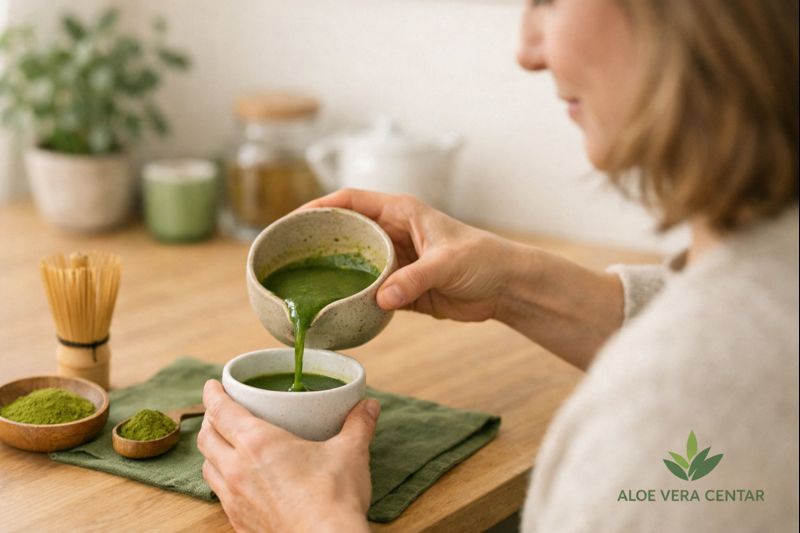
Sift the powder first. This way you avoid lumps. Then add some warm water. The water should not boil. The goal is warmth, not aggression.
Beat with a whisk or a small mixer. Add more water as desired. If you like it creamier, add milk. Choose unsweetened options. This is how you control your sugar.
Don't have a frother? A small jar is also possible. Add powder and water. Close and shake. It's not perfect, but it works.
This step often decisively changes the experience. Badly prepared matcha is bitter. Well prepared, it is drinkable. And that's where many change their minds.
How much is"enough": dosage in real life
Matcha is most often prepared with one to two grams of powder. That's about half to one teaspoon. For many it is one cup a day. For some, two smaller cups are suitable.
Extracts vary. Some report total polyphenols. Some list EGCG in milligrams. This is exactly where you need to be careful. A higher number does not automatically mean better performance.
The smartest approach is a test. Start with the lowest recommended dose. Monitor sleep, heart rate and digestion. If everything is stable, only then think about change.
Here's a little check. If your palms sweat, the dose is high. If your heart skips a beat, stop. If your stomach hurts, change the time of taking.
Security: why extract is a more sensitive topic
Matcha is a form of food. The risks are mainly related to caffeine. The extract is concentrated. This is why it is more often mentioned in the context of side effects. The liver is especially noteworthy.
A detailed review of the risks, including rare cases of liver damage, statesNIH LiverTox on green tea and extracts.
This does not mean that the extract is bad for everyone. This means that you should respect the boundaries. Especially if you already have liver disease. Or you take therapy.
In practice, several groups need extra caution. These are pregnant women and nursing mothers. These are people with anemia. These are people on anticoagulants. Also people with gastritis.
Do you feel discomfort under your right rib? Discontinue and consult a doctor. Notice dark urine? React now. Don't wait for it to pass.
What scientific reviews say about matcha
Matcha is studied as a separate topic. The reason is simple. In matcha, you enter the whole sheet. This changes the profile of compounds. Thus, the potential effect also changes.
A more comprehensive overview of potentials and limitations can be found in the papera critical review of the therapeutic potential of matcha.
It is important to read between the lines. Many studies have limitations. Let them be on animals. Let them be in small groups. That's why realistic expectations are important.
In other words, matcha can be a good part of the routine. But it cannot make up for lack of sleep. It cannot erase stress. It can only help with the bigger picture.
Who is likely to do better with matcha
Matcha is a good choice if you are looking for stable energy. It's also good if you need a break for your head. Ritual helps. Especially on days full of meetings.
- You like drinks and want a warm routine.
- You're looking for focus, but you don't want a caffeine shock.
- You aim to reduce snacking in the afternoon.
- You want intake from the whole leaf, not the capsule.
If you're sensitive to caffeine, go slow. Try a smaller amount of powder. Drink earlier in the day. It can disturb sleep in the evening.
Who may consider EGCG extract
The extract makes sense if you are intolerant to caffeine. It makes sense even if you don't like the taste of tea. It can also be useful if you want a standardized dose. It is practical for tracking habits.
- You don't drink coffee and tea, but you want catechins.
- You have a schedule that calls for one capsule.
- You want to know exactly how much you are taking.
- You are ready to follow the body's reactions.
Sound too good to be true? Most often, the problem is exaggeration. If you stay at a moderate dose, the risks are reduced. But surveillance is still important.
How to choose quality, without marketing fog
For matcha, look at the origin and color. It should be light green. If it is brownish, it is often old. Look at the smell too. It should be fresh.
For extracts, see standardization. Look for a clear declaration of EGCG. Avoid mega doses without explanation. Choose brands with analyzes and controls.
Check out the plugins too. Some products have a lot of sweeteners. Some have unnecessary fillers. A cleaner composition usually passes better in digestion.
Don't forget a simple thing. A dietary supplement is not a substitute for sleep. Not a meal replacement. It works best when it supports an already good routine.
Practical routine: 7-day stress-free test
On the first day, introduce matcha or the extract, not both. It is important to isolate the effect. Write down the time of intake. Write down how you sleep.
Keep the same dose on the second and third day. Do not change the coffee. Don't change dinner. That way you get a clearer picture.
On the fourth day, add one micro habit. It can be a 10 minute walk. It can be a glass of water more. Small changes add to the benefits.
On the fifth and sixth day, monitor your appetite. Notice the craving for sweets. Matcha often helps, because it has ritual and warmth. The extract is quieter. Both can be useful.
On the seventh day, make a decision. If you're more calm and focused, stick with it. If you are nervous, reduce the dose. If your sleep is bad, move earlier.
Where can Forever products fit into the story?
Some find it useful to have additional focus support. In this context, it can be an interesting additionForever Focus.
If you want an evening drink without caffeine, choose plant-based options. One example isAloe Blossom Herbal Tea.
It is important not to hoard. One change per week is smarter. That way you know what really helps you.
When you want a faster, personalized response
If you are not sure what to choose, you can try oursAI advisor for choosing products and routines.
Frequently asked questions
Is matcha always"stronger"than green tea?
Matcha often has more caffeine and more compounds from the leaf. But the strength depends on the amount of powder and the method of preparation.
Can I drink matcha if I have reflux?
Sometimes it can be annoying, especially on an empty stomach. Try it after a meal and with a smaller dose. If it bothers you, skip it.
Is EGCG extract better for weight loss?
There is no magic solution. The effect is modest and depends on diet and movement. Lay out the basics first.
How late can I take matcha?
Most people respond by early afternoon. If you suffer from sleep, move earlier or reduce the dose.
Bottom line: how to choose without the guesswork
Matcha is a good choice for energy and ritual. The extract is practical, but requires more caution. The best choice is the one that protects your sleep. And one you can spend months on end with.
For inspiration about modern technology and AI in online business, read the article"How this couple is building a global business with AI and working 95% online". It might open a new perspective for you.
Note: This article is informative and is not a substitute for medical advice. If you have a diagnosis, are taking therapy or are pregnant, consult your doctor before making any changes. Dietary supplements are not medicines.
Products most closely related to this topic
If you want to compare concrete options after reading, these products are the closest match to the article topic.
Forever Fiber - FIBERA simple fiber add-on when you want digestion and satiety support during the day.
It fits topics such as appetite, portions, energy or a weight-management routine.Aloe Blossom Herbal TeaA caffeine-free herbal tea for a calmer daily ritual, hot or cold.
A good comparison if you want natural daily support and a calmer ritual.Forever Argi+A supplement for energy, heart and circulation routines when you want longer-term daily support.
Useful to compare when you are looking for energy, focus or vitality support.Short answers that help
If you are still comparing options, these are the points worth checking before you continue.
What should I take from this article?
Use it to understand the topic in practical terms and compare it with your current routine, needs and next step.
When does it make sense to ask for a recommendation?
Ask when the topic feels relevant, but you are not sure which Forever Living Products product or routine fits you best.
Does this article replace professional advice?
Matcha vs green tea: which is the better choice and for whom is educational content. For medical conditions, medication, pregnancy or persistent symptoms, include qualified professional advice.
Describe what you want to achieve
If you do not know which product to choose, write your goal, habits or doubts and get a more concrete suggestion.
Recommended products
Related articles to keep exploring