
The key points from this article
- Manganese is a mineral we rarely think about, but it quietly does important work in the background.
- It is involved in enzyme work, energy generation and protection of cells from oxidative stress.
- For a personal choice, continue with a recommendation after reading.
Products most closely related to this topic
If you want to compare concrete options after reading, these products are the closest match to the article topic.
 Forever Fiber - FIBER
A simple fiber add-on when you want digestion and satiety support during the day.
It fits topics such as appetite, portions, energy or a weight-management routine. Forever Nature Min
Mineral support when you want an easier way to care for bones and daily nutrition.
Useful to compare when joints, bones or mobility are the topic.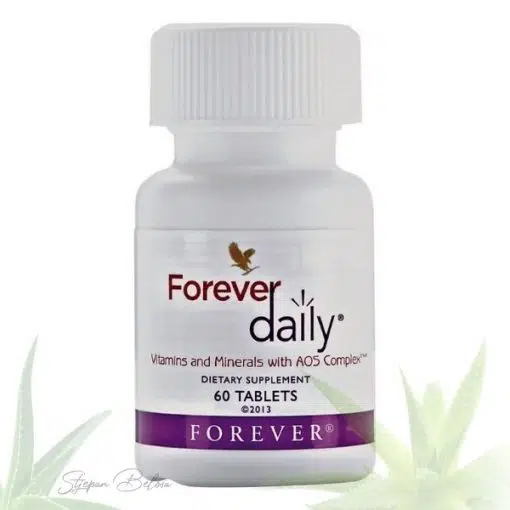 Forever Daily
Daily vitamin support when you want a steadier immunity, energy or nutrition routine.
Connected with daily support for immunity, energy or baseline nutrition.Manganese: sources, absorption and dosage
Manganese is a mineral we rarely think about, but it quietly does important work in the background. It is involved in enzyme work, energy generation and protection of cells from oxidative stress. When the input is balanced, you don't notice it. When it is too low or too high, the body shows it very clearly.
You may wonder why even think about manganese if deficiency is rarely mentioned. The reason is simple. Manganese is hidden in many everyday foods, but its absorption is easily disrupted by other minerals, diet or supplements. Below you will see how you can achieve a safe and stable intake through diet, routine and smart selection of supplements.
What is manganese and what role does it play in the body?
Manganese is an essential trace mineral. This means you need very little of it, but it's still crucial. It participates in the work of enzymes that help in the metabolism of carbohydrates, proteins and fats. It is also involved in the generation of energy in the mitochondria.
It is also important for cell protection. It is part of the superoxide dismutase enzyme in mitochondria, which protects cells from free radicals. This is especially important with chronic stress, inflammation and exposure to toxins. Manganese also supports bone health, connective tissue formation and normal blood clotting.
According toarticle on manganese on Healthline, proper levels are associated with better bone density and a healthier metabolism. However, balance is important. Both deficiency and excess can pose a risk to the nervous system and general health.
Natural sources of manganese in food
Plant sources rich in manganese
Most manganese is found in whole plant foods. Whole grains, nuts, seeds and legumes are especially rich. Examples are oatmeal, brown rice, buckwheat, almonds, hazelnuts, sunflower seeds and lentils.
Leafy green vegetables also contribute to intake. Spinach, chard and kale often contain smaller amounts, but you eat them more regularly. Although the amount is smaller per meal, the frequency of intake creates a stable daily total.
A simple rule helps here. The less processed a food is, the more likely it is to contain manganese. That is why it is wise that at least one meal a day includes whole grains, nuts or legumes.
Animal sources and beverages
Animal foods usually contain less manganese. However, fish, chicken and eggs contribute to total intake, especially if they are part of a varied diet. Manganese is also found in tea, especially black and green tea, and in some spices.
This means that even a small daily habit, such as a cup of green tea, can contribute to intake. However, it is important to watch the overall amount of caffeine, especially if you are sensitive to it. It is much more effective to combine tea with meals rich in fiber and protein.
What a manganese-rich day looks like in practice
It sounds complicated, but it's actually very simple. An example of a day might include oatmeal with nuts for breakfast. Lunch can include wholemeal rice with vegetables and legumes. Dinner can be a salad with lentils or chickpeas and some seeds on top.
Such a day brings not only manganese. It also provides fiber, group B vitamins and other minerals. For additional inspiration on combining proteins, fats and carbohydrates, you can see the text about ithow to stack a plate.
Manganese absorption: what helps and what hinders
Here's the thing. It's not just how much manganese you get. It is also important how well the body manages to absorb it. The absorption of manganese in the intestines depends on several factors. This includes other minerals, meal composition and digestive health.
A high intake of calcium, iron or phosphorus can reduce the absorption of manganese. This happens more often in people who take several different supplements at once. On the other hand, a varied diet with many whole foods allows the body to fine-tune the balance.
The balance of minerals is important in a wider way. If you are interested in the relationships between minerals, especially zinc and copper, it is useful to read a guide on how sensitive it iszinc and copper balance. A similar principle applies to manganese.
The role of digestion and intestinal microbiota
A healthy intestinal mucosa is important for the absorption of all micronutrients, including manganese. Chronic inflammatory bowel diseases, celiac disease or long-term diarrhea can reduce its absorption. Then it is important to work on the restoration of the mucous membrane, and not only on the additional intake of minerals.
A mild diet, enough fiber and a careful approach to supplements help here. If you have major digestive problems, it is always best to consult a doctor or nutritionist. They can decide whether levels of certain minerals, including manganese, should be monitored further.
How much manganese do you need per day?
The recommended intake of manganese for adults is around 2 to 3 milligrams per day. Guidelines vary by source and gender, so the range is usually slightly above or below these values. A normal varied diet usually covers these needs.
According toresearch by the US National Institutes of Health, the upper limit of safe intake for adults is about 11 milligrams per day from food and supplements combined. In people with impaired liver or kidney function, the threshold may be lower. That is why high doses of supplements should not be experimented with without professional supervision.
You may be wondering if you even need to count milligrams. For most healthy adults, the answer is no. It is enough to stick to a varied diet rich in whole grains, vegetables, nuts and seeds. Counting only makes sense in specific medical conditions or very restrictive diets.
Manganese and dietary supplements
Manganese supplements may make sense for people who have difficulty eating a varied diet. This can be the case in the elderly, people with a very limited menu or chronic digestive problems. However, taking high doses on your own is not a good idea.
It is safer to choose a balanced multivitamin and mineral supplement. Thus, the body receives smaller doses of manganese in combination with other nutrients. An example of such an approach is the pluginForever Daily, which combines vitamins and minerals in one formula.
If you lack minerals in your diet or are often under stress, it may make sense to consider a supplement with an emphasis on the mineral profile. This is where a product likeForever Nature Min, which combines more minerals in smaller, balanced doses. The key is that supplements fit into a realistic diet, not replace it.
How to know what is optimal for you? If you are not sure, you can use smart tools and remote counseling. An example of this is the possibility to use oursAI advisors, which suggests products and routines based on your habits and goals.
Signs of deficiency and excessive intake of manganese
Dietary manganese deficiency in healthy adults is relatively rare. When it occurs, it can be accompanied by fatigue, lower bone density, growth disorders in children or reduced glucose tolerance. It often occurs together with a deficiency of other nutrients, not in isolation.
On the other hand, chronically excessive intake of manganese can be more dangerous. It is especially risky for people who work in a polluted environment or drink water rich in manganese. Long-term overload can affect the nervous system and cause neurological symptoms.
It sounds alarming, but the good news is that such cases rarely occur in people who pay attention to sources. The problem is more common with very high doses from supplements, uncontrolled preparations or severe environmental pollution. That is why it is important to stick to moderation and quality sources.
Manganese in the wider context of mineral balance
Manganese never works alone. It is part of a wider picture that includes iron, zinc, copper, magnesium and other minerals. If you focus on just one element, it's easy to upset the balance of the others. That's why experts often emphasize a holistic approach, rather than hunting for a single nutrient.
It is also good to look at how you take care of other minerals and vitamins. For example, a text about the meaning of deficit and surplus within a groupB complex Vitamins can help you understand similar principles. The same approach applies to manganese and the rest of the minerals.
Manganese is also involved in bone health along with calcium and vitamin D. If you are interested in the bigger picture, you can further study the role of calcium andvitamin D. This gives you a clear overview of how nutrition, sun and supplements work together.
When thinking about mineral balance in the body, it's also helpful to understand how important sodium, potassium, and chloride are. This is explained in more detail in the guide on how big it isthe importance of electrolytes. Manganese is not an electrolyte, but it is part of the same story of fine balance.
A practical proposal for a menu rich in manganese
How to turn all this into a daily routine? Let's start with a simple plan for one day. Breakfast can be oatmeal on water or a herbal drink, with ground flax seeds and a handful of nuts. You can add some fruit for sweetness.
Lunch can include brown rice, stewed vegetables and lentils or chickpeas. At the end of the day, dinner can be a salad of spinach, cooked quinoa and roasted vegetables. You can also drink herbal tea or warm water with lemon, depending on your tolerance.
If you like to plan your meals in advance, the concept of preparing food in advance will help you. You will find more tips in the guide formeal prep and saving time in the kitchen. Thus, you will more easily provide diverse sources of manganese throughout the week.
Frequently asked questions
Can manganese deficiency be confirmed with a simple blood test?
Measuring manganese in the blood is not a routine test. Blood levels do not always reflect actual tissue stores. Therefore, the status is usually assessed by a combination of dietary history, symptoms and, if necessary, specialized tests. The doctor always decides on this.
Is manganese safe during pregnancy?
Manganese is also needed during pregnancy, but within the same limits as for other adults. The problem arises only with high additional doses from supplements or polluted water. If you are pregnant, do not take additional manganese preparations without the advice of a gynecologist or nutritionist.
Do children need a special manganese supplement?
Children generally get enough manganese from a varied diet. Supplements are sometimes used through multivitamin preparations for children, but only if recommended by a pediatrician. In children, it is especially important to avoid excessive doses, because the nervous system is more sensitive.
How do I know if I need a manganese supplement or if my diet is sufficient?
The first step is to look at your menu for the week. If you regularly eat whole grains, nuts, seeds and vegetables, you are probably getting enough manganese. If this is not the case due to a medical condition, allergies or a specific diet, it makes sense to talk to an expert about a targeted supplement.
Bottom line: focus on balance, not panic
Manganese is an important piece of the puzzle, but only one piece in your health puzzle. The good news is that a varied diet rich in whole foods usually provides enough of this mineral. There is no need to panic, but for conscious choices and a moderate approach to supplements.
For more inspiration on how modern technology and artificial intelligence are used to build a global online business, read the article"How this couple is building a global business with AI and working 95% online".
Note: This text is for information purposes and is not a substitute for medical diagnosis or therapy. If you have chronic conditions, are taking therapy, or suspect a manganese deficiency or excess, be sure to consult your doctor or other qualified health professional before introducing nutritional supplements or making major changes to your diet.
Products most closely related to this topic
If you want to compare concrete options after reading, these products are the closest match to the article topic.
Forever Fiber - FIBERA simple fiber add-on when you want digestion and satiety support during the day.
It fits topics such as appetite, portions, energy or a weight-management routine.Forever Nature MinMineral support when you want an easier way to care for bones and daily nutrition.
Useful to compare when joints, bones or mobility are the topic.Forever DailyDaily vitamin support when you want a steadier immunity, energy or nutrition routine.
Connected with daily support for immunity, energy or baseline nutrition.Short answers that help
If you are still comparing options, these are the points worth checking before you continue.
What should I take from this article?
Use it to understand the topic in practical terms and compare it with your current routine, needs and next step.
When does it make sense to ask for a recommendation?
Ask when the topic feels relevant, but you are not sure which Forever Living Products product or routine fits you best.
Does this article replace professional advice?
Manganese: sources, absorption and safe dosage for a healthy body is educational content. For medical conditions, medication, pregnancy or persistent symptoms, include qualified professional advice.
Describe what you want to achieve
If you do not know which product to choose, write your goal, habits or doubts and get a more concrete suggestion.
Recommended products



Related articles to keep exploring