The key points from this article
- Long-term stress it doesn't happen overnight.
- Podrška za dane kada želiš više mentalne jasnoće, fokusa i stabilniji radni ritam.
- For a personal choice, continue with a recommendation after reading.
Products most closely related to this topic
If you want to compare concrete options after reading, these products are the closest match to the article topic.
 Arctic Sea Omega
A supplement for energy, heart and circulation routines when you want longer-term daily support.
Useful to compare when you are looking for energy, focus or vitality support. Forever Active Pro B
Probiotic support when you want an easier daily way to care for digestion.
It makes sense if you are looking at the topic through digestion and a simpler daily routine. Aloe Blossom Herbal Tea
A caffeine-free herbal tea for a calmer daily ritual, hot or cold.
A good comparison if you want natural daily support and a calmer ritual.Chronic Stress: Signs, Effects, and Natural Ways to Manage It
Long-term stress it doesn't happen overnight. It starts small: you wake up more tired than when you go to sleep, it becomes harder for you to focus, and the little things that you used to solve on the fly now cause an avalanche of nervousness. Sound familiar? Here's the thing: when the body is in fight-or-flight mode for too long, the body and mind demand a price. Below you will find out how to recognize the early signs of chronic stress, what consequences it has on health and what they are tested and natural strategies you can implement today. But that's not all, you will also receive a concrete mini-plan for the next 7 days to make you feel calmer, more rested and more efficient.
What is long-term stress and why it occurs
Stress is a normal physiological reaction that protects us in short crisis situations. The problem arises when stressful triggers last for weeks and months. Then the level of cortisol and adrenaline remains elevated, the sleep rhythm, appetite and work of the immune system are disrupted. Sound too good to be true? Continue reading. The cumulative load that the body and brain suffer is called allostatic load and is linked to a range of health problems, from high blood pressure to digestive and memory problems.
You might be wondering why? The reasons are usually a combination of factors: demanding work and deadlines, caring for children and the elderly, lack of sleep, skipping meals, too much caffeine, too little movement, and constant exposure to screens and notifications. According to reputable sources, long-term stress can affect almost every organ system in the body, so timely recognition is key to prevention.
For additional reading and understanding of stress mechanisms, it is useful to look at independent and professional sources such asguide of the American Psychological Association.
Early signs that stress is becoming chronic
When stress builds up, the body sends warnings. Recognize them in time:
- Dream: you have difficulty falling asleep, you wake up during the night or too early. If you need ideas to calm the evening restlessness, check out our recommendations for anxiety and sleep.
- Focus and memory: shortened attention span, feeling of"fog"in the head, forgetfulness.
- Emotions: irritability, anxiety, drop in motivation, mood swings.
- Body: tension in the neck and shoulders, pressure headaches, tense stomach, changes in appetite.
- Behavior: relying on sugar or caffeine, procrastinating, withdrawing from society.
Consequences of long-term stress
When the organism works in the red zone for too long, long-term consequences become more likely. Here are the most common:
1) Brain, focus and mood
Stress hormones affect neurotransmitters and the brain's ability to filter information. The result is reduced focus and mental fatigue, and for some, stronger anxiety. Mindfulness and breathing techniques are proven to help.
2) Heart and blood vessels
The pulse and blood pressure can be elevated, and in the long term the lipid balance is disturbed. The intake of omega 3 fatty acids also supports cardiovascular health. If you are interested in the topic in depth, explore our guideOmega 3 fatty acids.
3) Digestion and microbiome
When the brain is under stress, the gut brain also suffers. Bloating, constipation or diarrhea can be the result of an imbalanced microbiome. Further Reading: Howprobiotics and healthy diets they work together.
4) Skin and hair
Stress can worsen existing skin problems such as acne or flaking because it affects barrier function and inflammatory processes. Regular, mild care and hydration are the basis, and it is wise to simplify skin care during stressful periods.
5) Sleep and recovery
Stress disrupts the circadian rhythm. The sleep disorder intensifies the stress again and thus the circle closes. On average, adults need 7 to 9 hours of quality sleep.
Natural ways to manage stress
You don't need to turn your life upside down to feel relief. All it takes is a few smart adjustments that easily fit into your schedule.
1) Daily microroutines that calm the nervous system
- Unpacking stress on paper: three minutes of morning notes with two questions: What can I control today? What can I give up?
- Windows of silence: 2 to 3 times a day, set aside 90 seconds for complete deceleration. If you have no idea how to start, try our short ritual screen detox.
- DMO approach: Instead of a 20-point list, choose 3 daily priorities that bring the greatest impact. Find a guide for that in the article about DMO routines.
2) Breathing, mindfulness and aromatherapy
Techniques such as diaphragmatic breathing 4-6, guided meditations and progressive muscle relaxation have been proven to reduce physiological markers of stress. If you prefer relaxation through scents, see how it can help youaromatherapy. According to expert reviews, attention focused on the present moment helps reduce overwhelm and improve sleep quality and mood.
3) Movement that does not exhaust
Moderate-intensity walks, light strength training or yoga with a focus on breathing provide the ideal balance of recovery and energy. If you are looking for a format that suits you best, considergroup training which combines companionship and motivation.
4) Food that calms the nervous system
- Stable blood sugar: Eat protein and healthy fats with every meal to avoid sudden energy swings.
- Intake of water and electrolytes: Mild dehydration increases the perception of stress. You can find reminders and tips in the guide about daily intake of water and importance sodium, potassium and chloride.
- Plan ahead: Lack of time often leads to quick, low-quality meals. Save time and nerves with ours meal prep guide.
5) Smart supplementation with diet
Supplements are best viewed as support, not a magic wand. Here is what practice and literature show:
- Omega 3 fatty acids: they help stress resistance and support cardiovascular health. If you're looking for a proven formula, consider Forever Arctic Sea Omega.
- Probiotics: the brain has a direct connection with the stress response. A quality probiotic supplement such as Forever Active Pro B can help balance the microbiome with proper nutrition.
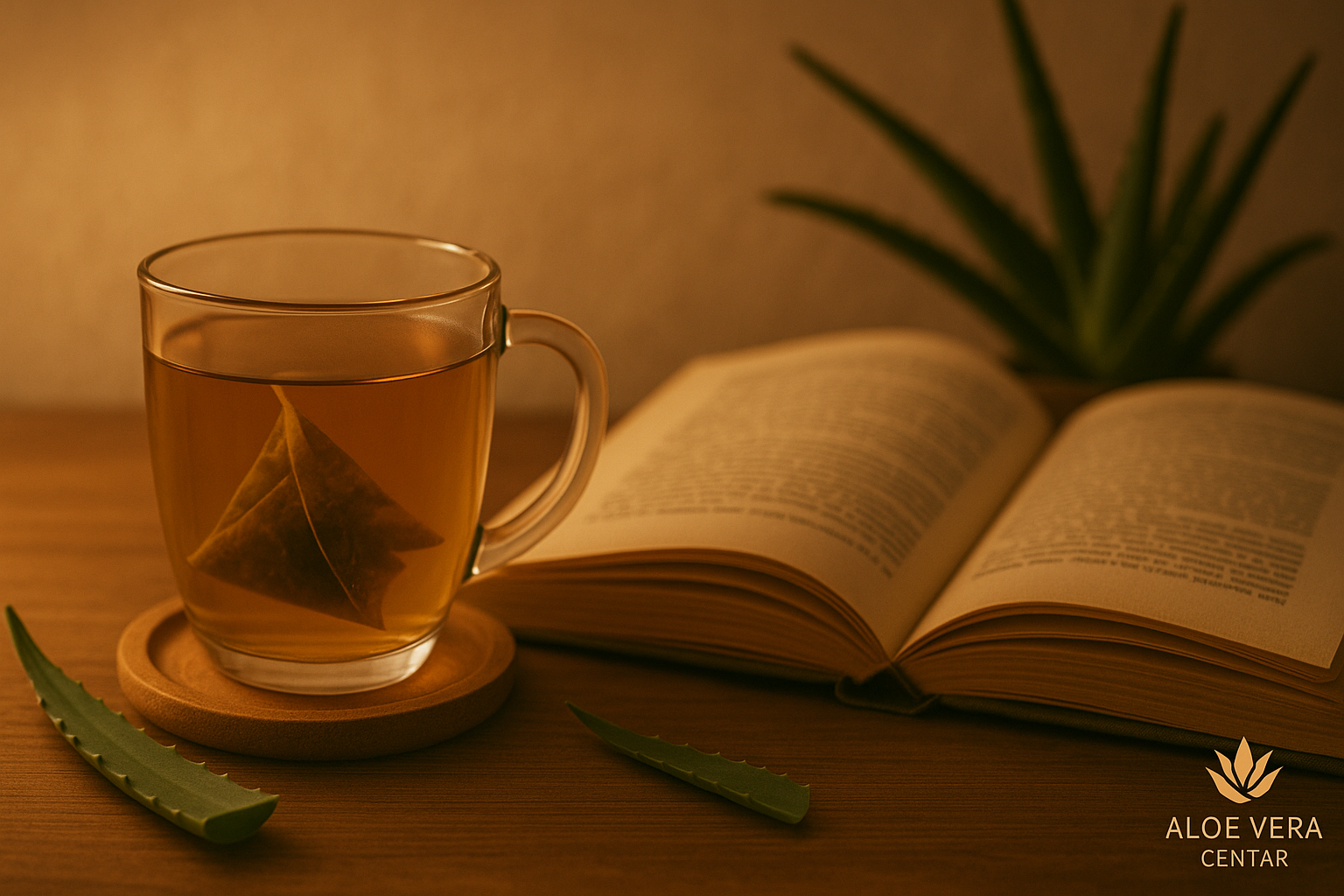
- Herbal teas for the evening routine: a warm drink signals to the body that it is getting ready for rest. A gentle mixture Aloe Blossom Herbal Tea fits nicely into the bedtime ritual.
For a broader picture of the impact of herbal and lifestyle interventions, see also a review of expert summaries on adaptogenic herbs such as Ashwagandha onNCCIH. If you want more in-depth advice tailored to your goal, you can in a few clicksuse our AI advisor which will take you through personalized steps.
6) Adaptogens and herbal support
Adaptogens are substances that help the body to better adapt to stress. One of the most famous is Ashwagandha. It is important to take an informed approach and coordinate your personal dosage with your doctor if you are taking therapy. On our portal, read a practical overview ofAshwagandha and hormone balance.
7) Managing stress at work
The source of stress is often the work environment. Tools like deep work blocks, short screen-free breaks, and clearer boundaries around after-hours emails work wonders. Find ideas and steps in the guidestress at work.
8) Mini-plan for 7 days
Do you want concrete steps? Try this easy plan and watch the changes in energy and mood.
- Day 1: 2 short breathing sessions of 3 minutes each. Dinner with protein and vegetables. 15 minutes walk.
- Day 2: 10 minutes of"quiet zone"without screens. A cup of warm herbal tea before bed. Light stretching.
- Day 3: Plan 3 meals for the next 2 days. Strength training for 20 minutes with a focus on form.
- Day 4: One hour without notifications. A short guided meditation. Early to bed, room darkened.
- Day 5: Social walk or group training. Hydration distributed throughout the day.
- Day 6: Weekly reflection: what helped, what you continue. Insert 30 minutes of an activity that makes you happy.
- Day 7: Digital twilight 60 minutes before sleep and a soothing routine with a hot drink.
Examples of daily rituals that reduce stress
- Morning: 300 to 500 ml of water, 3 gratitudes, 5 conscious breaths, a simple protein breakfast.
- Working hours: Pomodoro 50-10, walk during the break, lunch with vegetables and healthy fats.
- Afternoon: Conscious movement for 20 to 30 minutes, without music if you want to focus on breathing.
- Evening: Hot shower, herbal tea, 20 minutes of reading a book instead of a screen, bedtime routine.
Frequently asked questions
How quickly can I feel results when I make changes?
Many feel the first changes, such as better sleep and a calmer pulse, in 7 to 14 days with consistency in breathing, movement and evening routine. Deeper changes in mood and focus usually take 4 to 8 weeks.
Can supplements replace therapy or psychological work?
No. Supplements support healthy eating, sleep and movement. If you have stronger symptoms of anxiety, depression, panic attacks or suspect burnout, consult a doctor and, if necessary, a psychotherapist.
Does caffeine make stress worse?
In larger quantities it can. If you're sensitive, limit coffee to the morning, explore alternative sources of energy and focus, and read our comparisonguarana and coffee.
What are the natural steps to sleep better when I'm stressed?
Introduce digital twilight, warm herbal tea and a calming routine. For ideas, see the guide aboutexercises and teas for a peaceful night.
Conclusion
Note: This content is for informational purposes only and is not a substitute for professional medical advice, diagnosis or therapy. If you have health problems or are taking therapy, consult your doctor or specialist.
Products most closely related to this topic
If you want to compare concrete options after reading, these products are the closest match to the article topic.
Arctic Sea OmegaA supplement for energy, heart and circulation routines when you want longer-term daily support.
Useful to compare when you are looking for energy, focus or vitality support.Forever Active Pro BProbiotic support when you want an easier daily way to care for digestion.
It makes sense if you are looking at the topic through digestion and a simpler daily routine.Aloe Blossom Herbal TeaA caffeine-free herbal tea for a calmer daily ritual, hot or cold.
A good comparison if you want natural daily support and a calmer ritual.Short answers that help
If you are still comparing options, these are the points worth checking before you continue.
What should I take from this article?
Use it to understand the topic in practical terms and compare it with your current routine, needs and next step.
When does it make sense to ask for a recommendation?
Ask when the topic feels relevant, but you are not sure which Forever Living Products product or routine fits you best.
Does this article replace professional advice?
Chronic Stress: Signs, Effects, and Natural Ways to Manage It is educational content. For medical conditions, medication, pregnancy or persistent symptoms, include qualified professional advice.
Describe what you want to achieve
If you do not know which product to choose, write your goal, habits or doubts and get a more concrete suggestion.
Recommended products


Related articles to keep exploring