The key points from this article
- Zinc and copper are like two strong teammates in your body.
- When they are in balance, energy, immunity, skin and nervous system work harmoniously.
- For a personal choice, continue with a recommendation after reading.
Products most closely related to this topic
If you want to compare concrete options after reading, these products are the closest match to the article topic.
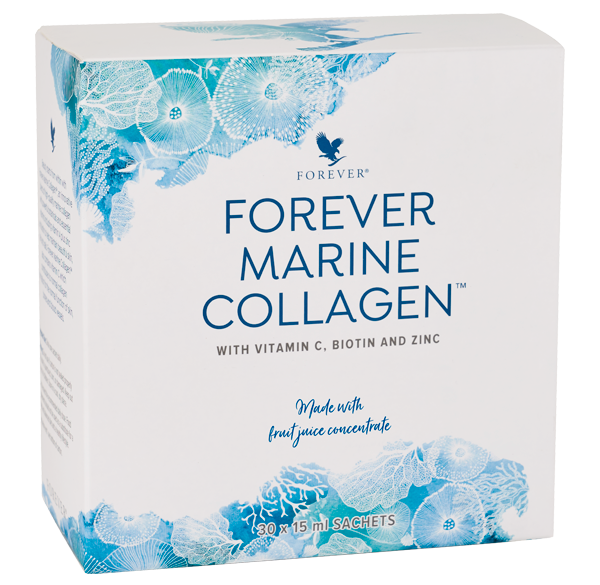 Forever Marine Collagen
A good fit when the goal is a routine for skin, hair, nails or joint-support habits.
Closest to a care routine for skin, hair or everyday personal care.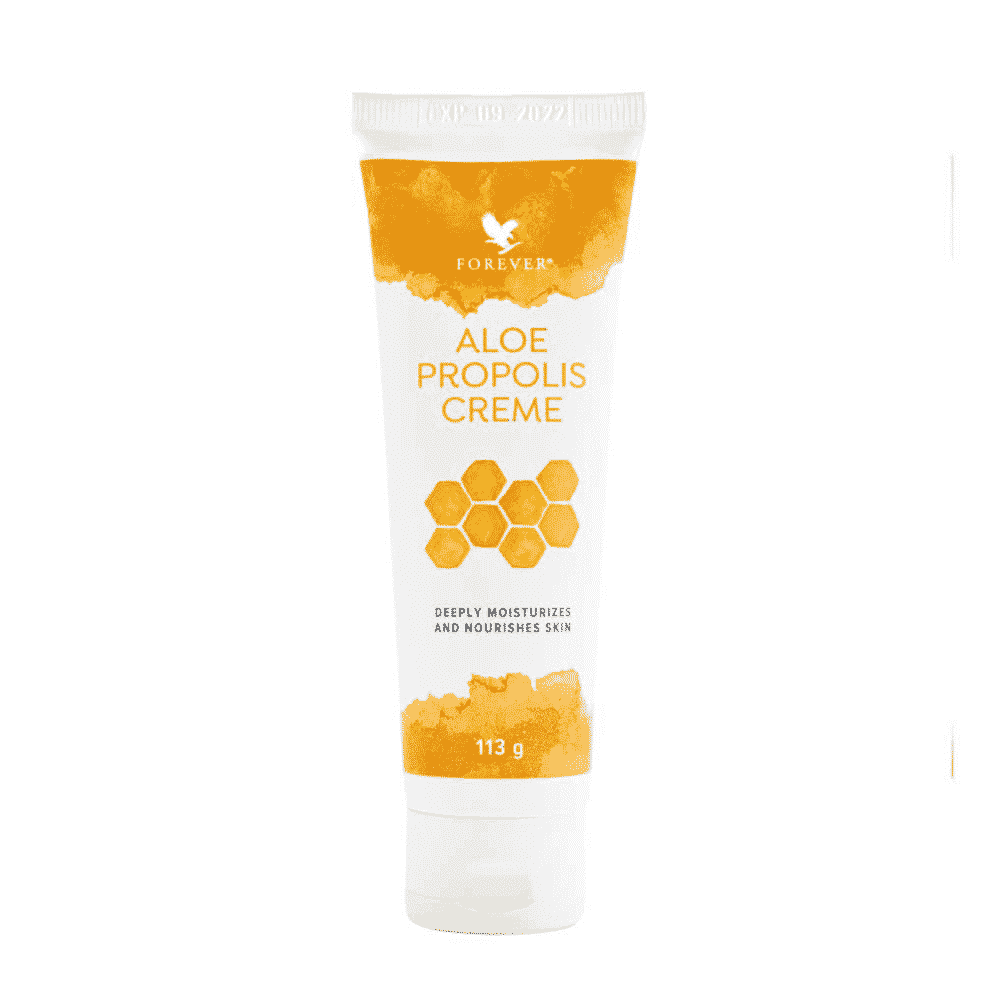 Aloe Propolis Cream
Natural daily support when you want a bee-derived or botanical product for energy and resilience.
Closest to a care routine for skin, hair or everyday personal care. Forever Active Pro B
Probiotic support when you want an easier daily way to care for digestion.
It makes sense if you are looking at the topic through digestion and a simpler daily routine.Zinc and copper: the importance of balance - can too much zinc 'eat' copper?
Zinc and copper are like two strong teammates in your body. When they are in balance, energy, immunity, skin and nervous system work harmoniously. But when one takes over, the other suffers.You might be wondering why? Because these minerals compete for similar transport pathways in the gut. If high doses of zinc are taken for months without copper monitoring, fatigue, anemia, loss of strength, tingling or more frequent infections may occur. Below you will find out how to recognize an imbalance, how to avoid it and how to smartly combine nutrition and supplements to make your body work in your favor.
Why zinc and copper are so important
What does zinc do?
Zinc is essential for more than 300 enzymes. It is needed for protein and DNA synthesis, immune function, wound healing, and sense of taste and smell. During periods of increased stress or recovery, zinc stores are often depleted more quickly. If you are prone to colds or have skin irregularities such as acne, you may have already heard that zinc can help.
What does copper do?
Copper is essential for red blood cell formation, iron metabolism, nervous system health, and collagen and elastin synthesis. It also acts as part of antioxidant enzymes that protect cells from oxidative stress. When there is not enough copper, you may feel weak, dizzy, feel tingling or notice changes in hair pigmentation.
How too much zinc can break down copper
Here's the thing: zinc and copper share similar entry pathways in intestinal cells. With long-term high intake of zinc, the protein that binds metals is increased in the intestines, and copper remains"trapped"and enters the bloodstream less easily. Consequently, with normal or even elevated zinc levels, it can develop secondary copper deficiency with anemia, neutropenia and neurological disorders. You will find more details about this mechanism and clinical cases in review articles and studies likeexpert fact sheet on copper, as well as in works that describe how zinc stimulates the formation of proteins that strongly bind copper and thereby reduce its absorption, and that long-term high doses of zinc can cause sideroblastic anemia and neuropathy.
How much zinc is too much and where does copper fit in?
Most adults consume 8 to 11 mg of zinc per day through their diet, and needs increase during pregnancy and breastfeeding. Regulatory guidelines set upper limit of safe intake of zinc at levels that do not impair the status of copper. Many sources state that the recommended upper daily intake for adults is 40 mg, while European guidelines know how to set a lower limit. The conclusion is simple:long-term intake of high doses zinc without professional supervision is not a good idea, especially if you are not monitoring your copper intake.
Signs and symptoms of impaired balance
- Anemia and fatigue with pale skin or rapid fatigue.
- Neuropathic feelings such as tingling, trouble walking or weakness in the legs.
- More frequent infections and slower wound healing.
- Changes in the skin and hair such as dryness, brittle nails or hair depigmentation.
- Gastrointestinal complaints such as nausea with excessive intake of zinc.
If you recognize more of these signs, especially after taking higher doses of zinc for a long time, it is useful to get checked copper status and hematological picture and consult a doctor.But that's not all... In some clinical situations, copper deficiency can mimic more severe hematological disorders, so timely assessment is important.
Who is at greater risk
- People who take high doses of zinc over a longer period, for example due to frequent colds or acne.
- Users products with zinc for prostheses which may inadvertently increase zinc intake.
- Persons with impaired absorption or after surgery of the digestive system.
- Vegetarians and vegans with a monotonous menu, if they overdo it with zinc supplements and don't take care of copper.
The rule of moderation and personalization applies here. If you need targeted immunity support, see also our guide onprobiotics and zinc for calm skin, as well as tips foranemia and iron deficiency because hematological topics are interconnected.
How to establish and maintain balance
1) Start from the plate
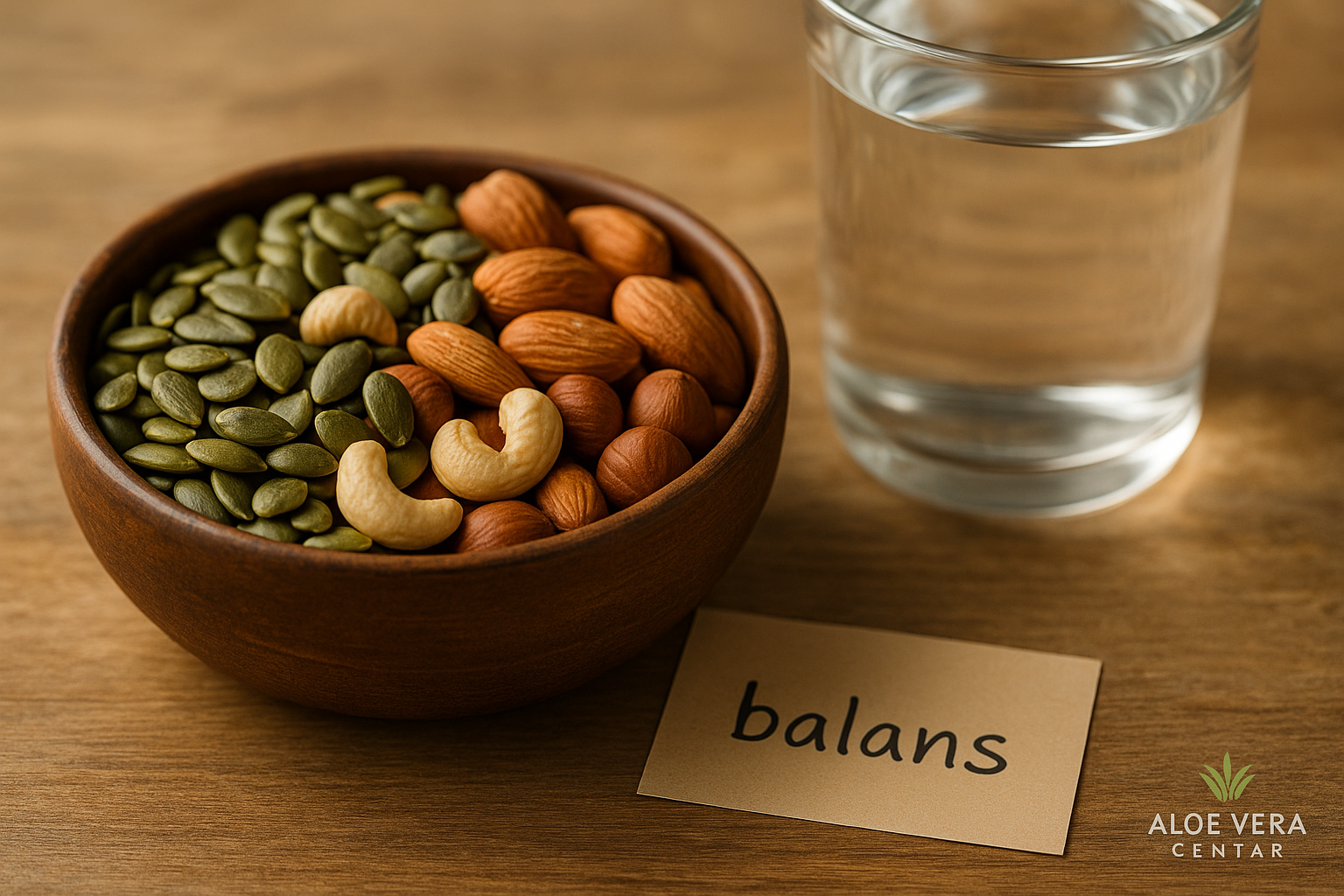
The most reliable foundation is a varied diet.Sources of zinc are oysters, red meat, chicken, eggs, pumpkin seeds, nuts and legumes.Sources of copper are offal (eg liver), cocoa, hazelnuts, cashews, sunflower seeds, whole grains and some mushrooms. Rotate foods throughout the week and pay attention to quality proteins that help absorption.
2) Dose supplements wisely
If you use zinc supplements because you need additional support during a certain period, plan them in the short term and in moderate doses. For longer use, they are good options balanced multivitamin and mineral products that already have a meaningful ratio of micronutrients. For example, if you want to cover your daily needs with minimal risk of imbalance, consider a multivitamin such asForever Daily. If you are aiming for a wider mineral support, consider iForever Nature Min. Such products have thoughtful doses and combinations, which facilitates a long-term routine.
3) Separate doses throughout the day
A simple trick: if you take both zinc and copper, distribute them in different parts of the day to reduce absorption competition. For example, zinc with breakfast, copper with dinner. For additional precision, remember our guide Frthe best time to take multivitamins.
4) Follow your body's signals
If you notice that the fatigue does not decrease, that your feet burn or the frequency of colds does not decrease despite the routine, it is useful to do a laboratory test and, if necessary, adjust the intake.Sound too good to be true? Continue reading. Most often, small, meaningfully chosen changes are needed.
A practical weekly balance plan
This plan is designed for a healthy adult without specific medical conditions. If you have health problems or are taking therapy, adjust the plan in consultation with an expert.
- Mon - Include a source of zinc in lunch (chicken with salad and pumpkin seeds). For a snack, a handful of copper-rich nuts.
- Tuesday - Beans for lunch (lentil stew) and a cocoa drink after work. Use the break for a short stretch and hydration.
- Wed - Fish or seafood. If you use a multivitamin, take it with breakfast. Tea and a light walk before bed.
- Thu - Integral pasta with pesto and sunflower seeds. Add salad with avocado.
- Friday - Red meat in a moderate portion and a mixed salad with nuts. Lots of water throughout the day.
- Sat - Vegetarian day: chickpea stew, beetroot and goat cheese salad, dessert with quality cocoa.
- Sun - Rotate your favorite dishes and make a menu plan for the next week. Add a smoothie with nut butter and seeds.
What if you use zinc for a specific purpose
Cold season and immunity
Short-term, moderate doses of zinc can help you feel ready through the sneezing season, but don't overdo it and add vitamins D and C to your diet. For a larger picture, visit our how-to guidesmartly support immunity. If you want an individual plan, you canuse our AI advisor which, through several questions, suggests options aligned with your habits.
Skin and irregularities
The skin is often the first"screen"on which you see a deficiency or an excess. In eczema and sensitive skin, the intestinal barrier and microbiome are also important. Read howprobiotics and zinc work together to soothe the skin with mild care rituals.
Energy and blood count
If you experience dizziness, shortness of breath on exertion or unexplained fatigue, do not try to solve everything with an iron supplement without checking. Experience shows that copper deficiency can mimic other disorders. Guidelines, typical errors and solutions have been summarized in the article aboutanemia and iron supplementation.
Common mistakes when combining zinc and copper
- Long-term high-dose zinc intake without supervision and without monitoring the copper status.
- Ignoring nutrition while relying exclusively on capsules.
- Taking more products with zinc in parallel (eg, multivitamin, supplemental zinc, and dental or oral products) without adding up the total daily intake.
- Non-separation of doses zinc and copper at the same time of day.
How aloe vera enters the story
This article deals with mineral balance, but it is worth mentioning that good hydration and healthy digestion they facilitate the routine with accessories. Some readers like mild herbal teas or drinks with meals, while others reach for simple nutritional solutions. If you are looking for broader ideas for daily nutrition, take a look at our guide onfast, balanced low carb meals or read howvitamin D complements the winter regime.
A mini checklist
- Check how much zinc you already get from your diet and supplements.
- If using zinc for more than a few weeks, consider lab testing and copper status.
- Spread the allowances throughout the day and keep an eye on the total.
- Include sources of copper in your diet several times a week.
- Choose balanced product for a long-term routine and monitor how you feel.
Frequently asked questions
Can I take zinc every day for a long period of time?
For short-term support, zinc can be useful. For long-term use, choose moderate doses and consider a multivitamin or mineral complex with designed ratios, e.g.Forever Daily or, as appropriate,Forever Nature Min. If symptoms persist, check your copper status and consult your doctor.
Is there an ideal zinc:copper ratio?
There is no one-size-fits-all ratio. It is important not to exceed high doses of zinc for a long period of time without monitoring, to regularly include sources of copper in the diet and to adjust intake according to laboratory findings and expert recommendations.
What are the best dietary sources of copper?
Liver, cocoa, nuts, sunflower seeds and whole grains. Introduce them 2 to 3 times a week and rotate to avoid monotony.
Can I combine zinc with other immune supplements?
Yes, but add up the total daily intake of zinc from all sources and watch the duration. For ideas on combining vitamin D and probiotics, check out our how-to guidesmart selection of nutrients strengthens the defense.
Conclusion
Note: This content is for educational purposes and is not a substitute for medical advice. If you have symptoms of micronutrient deficiency or excess, are taking therapy or are pregnant, consult your doctor or a qualified nutritionist.
Products most closely related to this topic
If you want to compare concrete options after reading, these products are the closest match to the article topic.
Forever Marine CollagenA good fit when the goal is a routine for skin, hair, nails or joint-support habits.
Closest to a care routine for skin, hair or everyday personal care.Aloe Propolis CreamNatural daily support when you want a bee-derived or botanical product for energy and resilience.
Closest to a care routine for skin, hair or everyday personal care.Forever Active Pro BProbiotic support when you want an easier daily way to care for digestion.
It makes sense if you are looking at the topic through digestion and a simpler daily routine.Short answers that help
If you are still comparing options, these are the points worth checking before you continue.
What should I take from this article?
Use it to understand the topic in practical terms and compare it with your current routine, needs and next step.
When does it make sense to ask for a recommendation?
Ask when the topic feels relevant, but you are not sure which Forever Living Products product or routine fits you best.
Does this article replace professional advice?
Zinc and copper: the importance of balance and how to achieve it safely is educational content. For medical conditions, medication, pregnancy or persistent symptoms, include qualified professional advice.
Describe what you want to achieve
If you do not know which product to choose, write your goal, habits or doubts and get a more concrete suggestion.
Recommended products
Related articles to keep exploring