The key points from this article
- And lunch ends with you sitting down and moving on.
- But the body remembers every choice.
- For a personal choice, continue with a recommendation after reading.
Products most closely related to this topic
If you want to compare concrete options after reading, these products are the closest match to the article topic.
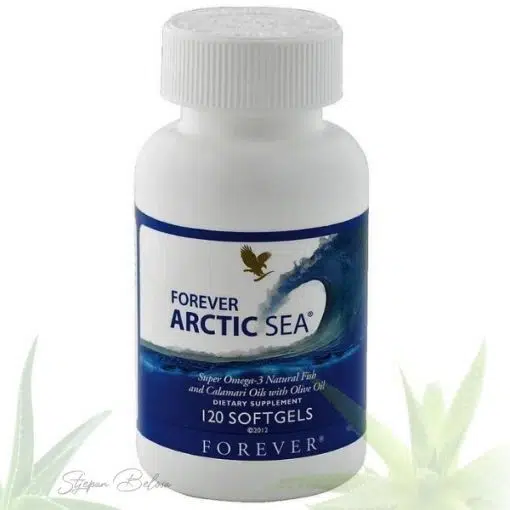 Arctic Sea Omega
A supplement for energy, heart and circulation routines when you want longer-term daily support.
Useful to compare when you are looking for energy, focus or vitality support. Forever Fiber - FIBER
A simple fiber add-on when you want digestion and satiety support during the day.
It fits topics such as appetite, portions, energy or a weight-management routine.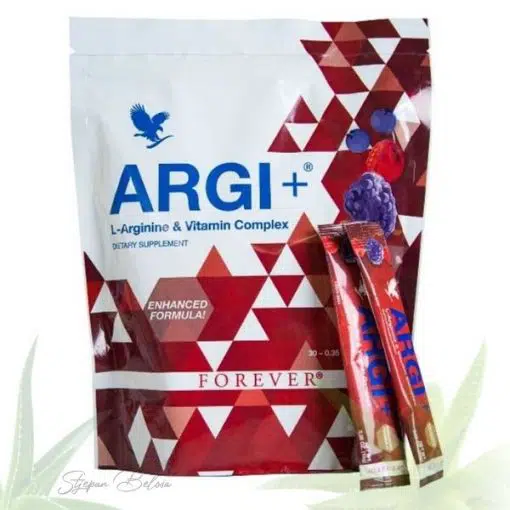 Forever Argi+
A supplement for energy, heart and circulation routines when you want longer-term daily support.
Useful to compare when you are looking for energy, focus or vitality support.Walking after lunch: a small habit, a big effect from an integrative angle
A walk after lunch seems small. That's why many skip it. One message arrives. One meeting is extended. And lunch ends with you sitting down and moving on. But the body remembers every choice. Especially after a meal.
You may wonder why just after lunch. Here's the thing: that's when blood sugar, insulin, and energy change. Digestion works at full strength. And the brain is looking for focus for the second part of the day. A short walk can become your silent"reset". No drama. No gym. Just you and a few minutes of movement.
In this article you will get a clear integrative view. We talk about blood sugar, digestion, stress and sleep. You will also receive a practical protocol. Then you will be able to adapt it to yourself. Let's start simply.
Why a walk after lunch works better than you think
Sound too good to be true? Continue reading. We are not talking about an hour's walk. We are talking about 10 to 20 minutes. This is often enough for the body to"process"the meal more easily.
1) Blood sugar and the"afternoon slump"
After eating, glucose naturally rises. Then the pancreas increases insulin. For many people, this ends up with fatigue and sleepiness. Especially after carbs. A short walk activates the muscles. The muscles then use some of the glucose as fuel.
If you are interested in the wider context, it is also useful to read the guide oninsulin resistance. There you will see how small routines make a big difference. And without extreme measures.
2) Digestion, flatulence and feeling of heaviness
After lunch, many people feel heavy. Some feel bloated. And some just"stuck"in the head. Gentle movement helps the mechanics of digestion. Then the breathing deepens. And that calms the nervous system.
You don't need to walk fast. You don't even need to push the pace. It is enough to get the body moving. And that the stomach does not"squeeze"in a sitting position. Especially if you sit for a long time.
3) Mood and stress in the second part of the day
Lunch often comes in the middle of duties. That's why many people eat quickly. Or they eat next to the screen. Then the stress remains high. And the body remains in"survival mode". A short walk restores a sense of control. And it gives the brain a new signal: the day goes on, but more calmly.
How long and at what pace to walk
The best walk is the one you will do every day. Not the one that sounds perfect. If you're just starting out, aim for 10 minutes. If you already have the habit, aim for 15 to 20 minutes. And that's already a great range.
Conversation rule
The pace is good if you can talk. You may be a little short of breath. But you must not"shoot". If you're dating someone, you should be able to say two sentences without pausing.
What if you have a little time
Don't have 20 minutes? Take 7 minutes. Then another 5 minutes later. You still get the effect. The key is continuity. Not a perfect schedule.
If you want a broader framework around walking, the text about is also usefuldaily walk. It helps you understand how the steps add up throughout the day. And how to fit them without pressure.
An Integrative View: Movement, Nerves, and Hormones
An integrative approach looks at the whole picture. Not just calories. Not just"cardio". It also looks at the nervous system. He also watches the dream. It also looks at the way you eat. That's why the walk after lunch has several"layers".
The vagus nerve and a sense of calm
Light walking encourages rhythmic breathing. This sends a safety signal to the body. Then you can more easily switch to a state of rest and digestion. This is especially important if you are tense. Or if you eat lunch in a hurry.
Air quality and"clean reset"
If you can, take a walk outside. Even a circle around the building helps. Air, light and distance from the screen make a difference. If you want to improve the space in which you are staying, it is useful to read the guide aboutair quality in the home. You breathe easier, and you recover more easily.
Circadian rhythm and evening sleep
A walk after lunch can help to"sort out"the day. The body receives a signal of movement and light. This often makes it easier to fall asleep at night. Especially if you are normally stiff from sitting.
If you are interested in the connection between sleep and the body's defenses, read the article aboutsleep, hormones and immunity. There you will get clear, actionable steps. And without philosophizing.
Food + walking: a winning combination without extremes
You can walk every day. But if lunch constantly"breaks"the energy, it is worth looking at the plate. Not because of the diet. But for stability. Stability is felt in the head, mood and focus.
One simple tool is the plate rule. It helps to give you fullness and energy. It also helps you avoid a sudden fall. If you want a practical framework, check out the tutorialhow to stack a plate. You will get clear examples for real life.
A quick example from everyday life
Imagine this. Lunch is ready. You ate pasta and bread. Then you sit down, and sleepiness hits. If you go for a 12-minute light walk instead of sitting, the feeling often changes. Not instantly like magic. But noticeable.
Hydration and recovery: a small detail that changes everything
Walking is a light activity. However, many are slightly dehydrated. This reduces the focus. It also increases the feeling of fatigue. That's why add water to your lunch and walk.
If you want specific guidelines, see the article onrehydration during training. The principles are also useful for walking. Especially if you are active or do physical work.
Where nutritional supplements and aloe fit into the story
It pays to be reasonable here. Supplements are not a substitute for habits. But I can be supportive. Especially if you have busy days. Or if you often have lunch"on the way".
Fiber and more stable digestion
Fiber helps satiety. They also help with proper digestion. For many people, they reduce their"attacks"on sweets later. If you want practical support, you can considerForever Fiber. Always start with a smaller amount. And increase gradually.
Omega 3 and body recovery
Omega 3 fatty acids are a frequent topic. The reason is simple. They are important for the heart, brain and regulation of inflammatory processes. If you are already working on habits, you can also considerForever Arctic Sea Omega. It makes the most sense with a meal. And with consistency.
What science says about walking after eating
You don't have to trust the"feeling". There are also data. Walking after a meal has been studied for years. Especially because of glycemia after eating. If you want to see an overview of the research, you can start fromPubMed review of papers on postprandial walking. It's a good start to informed reading.
For a practical summary comprehensible to a wider audience, the text onto Healthline about walking after eating. It gives clear examples and recommendations. And it helps keep the habit real.
Mini protocol for 14 days: without stress, with results
This is the plan that works for most people. It's not perfect. But it is doable. And that is important.
- Days 1 to 3: 8 to 10 minutes of light walking after lunch.
- Days 4 to 7: 12 minutes, with a slightly faster pace for the last 3 minutes.
- Days 8 to 10: 15 minutes, without a mobile phone in hand.
- Days 11 to 14: 18 to 20 minutes, with one day of"walking in nature".
But that's not all. Add one simple habit. After the walk, take 5 slow breaths. Then sit down. Only then return to work. That minute makes a difference in stress.
How to personalize a habit without guessing
Every body has its own nuances. Someone better tolerates a faster pace. Someone has sensitive knees. Someone has a reflux problem. That's why it's smart to adjust the plan. If you want quick personalization, you can use ourAI advisor. Ask a question and get guidance for your case.
Frequently asked questions
Can I walk right after lunch?
Yes, but take it easy. The first 2 minutes should be slower. If you feel discomfort, slow down.
How many minutes is the minimum to make sense?
As little as 7 to 10 minutes can be beneficial. Regularity is more important than perfect length.
What if the weather is bad outside?
Walk around the apartment or stairs. A light walk in the shopping center is also possible. Movement is important.
Can I walk if my knees or back hurt?
You can, but choose a flat surface and a slower pace. If you have severe complaints, seek professional advice.
Conclusion: a small habit that changes the whole day
A walk after lunch is not"another thing". She is a smart transition. It helps glucose, digestion and focus. It also helps the mood. It helps the most because it is feasible.
For inspiration on how modern technology and AI are used to build a global online business, read the article"How this couple is building a global business with AI and working 95% online".
Note: This article is for informational and educational purposes. It is not a substitute for professional medical advice, diagnosis or therapy. If you have health problems or are taking therapy, consult a doctor or a qualified professional.
Products most closely related to this topic
If you want to compare concrete options after reading, these products are the closest match to the article topic.
Arctic Sea OmegaA supplement for energy, heart and circulation routines when you want longer-term daily support.
Useful to compare when you are looking for energy, focus or vitality support.Forever Fiber - FIBERA simple fiber add-on when you want digestion and satiety support during the day.
It fits topics such as appetite, portions, energy or a weight-management routine.Forever Argi+A supplement for energy, heart and circulation routines when you want longer-term daily support.
Useful to compare when you are looking for energy, focus or vitality support.Short answers that help
If you are still comparing options, these are the points worth checking before you continue.
What should I take from this article?
Use it to understand the topic in practical terms and compare it with your current routine, needs and next step.
When does it make sense to ask for a recommendation?
Ask when the topic feels relevant, but you are not sure which Forever Living Products product or routine fits you best.
Does this article replace professional advice?
A walk after lunch: a small habit, a big effect for energy is educational content. For medical conditions, medication, pregnancy or persistent symptoms, include qualified professional advice.
Describe what you want to achieve
If you do not know which product to choose, write your goal, habits or doubts and get a more concrete suggestion.
Recommended products
Related articles to keep exploring