The key points from this article
- Today, osteoporosis affects an increasing number of middle-aged and elderly women and men.
- There are often no visible symptoms until the first fracture occurs.
- For a personal choice, continue with a recommendation after reading.
Products most closely related to this topic
If you want to compare concrete options after reading, these products are the closest match to the article topic.
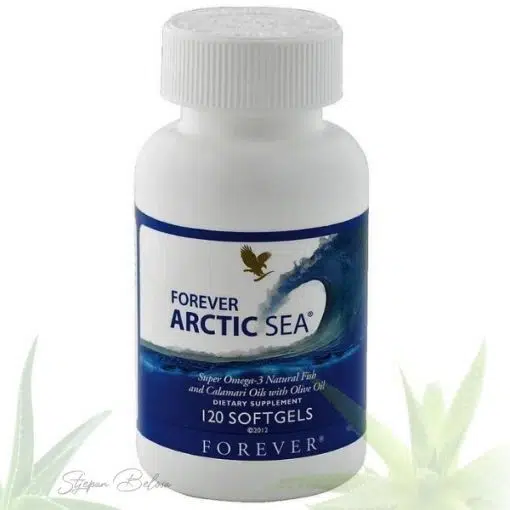 Arctic Sea Omega
A supplement for energy, heart and circulation routines when you want longer-term daily support.
Useful to compare when you are looking for energy, focus or vitality support.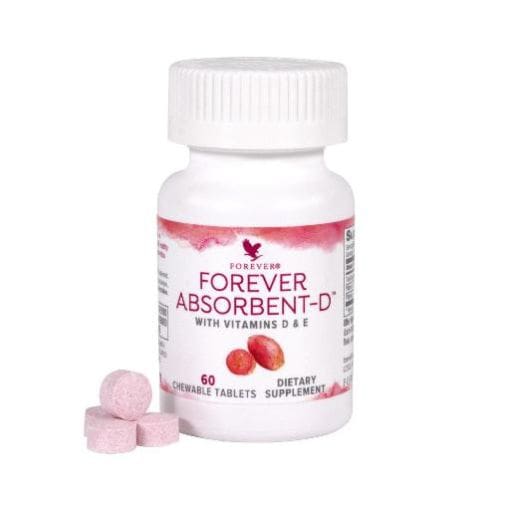 Forever Absorbent D
A simple fiber add-on when you want digestion and satiety support during the day.
It fits topics such as appetite, portions, energy or a weight-management routine.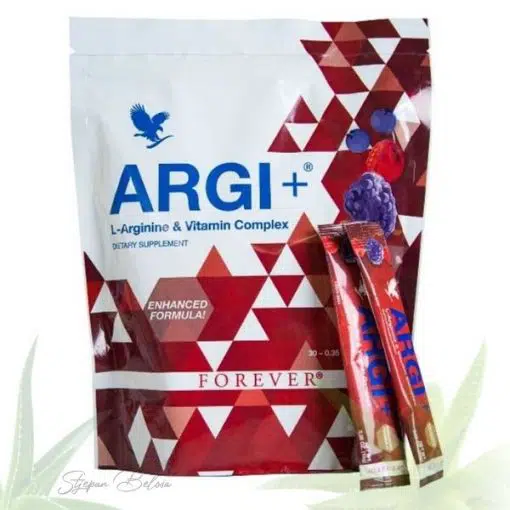 Forever Argi+
A supplement for energy, heart and circulation routines when you want longer-term daily support.
Useful to compare when you are looking for energy, focus or vitality support.Osteoporosis: Protein, Vitamin D and Load: A Practical Guide
Today, osteoporosis affects an increasing number of middle-aged and elderly women and men. There are often no visible symptoms until the first fracture occurs. That's when we realize how quiet bones are, but the key support for our daily life. The good news is that diet, exercise and smart supplements can make a big difference.
You might be wondering where to even begin. Is it more important to eat more protein, drink vitamin D or just walk more? The answer is actually a combination of all of the above. In this practical guide, you'll see how to combine protein, vitamin D and bone loading into a simple daily plan.
The goal is not to memorize every number. The goal is for you to understand the principles and choose a few concrete habits. They will protect your bones, muscles and quality of life in the long term.
What is osteoporosis and why it occurs
Osteoporosis means that your bone density is reduced and your bones are more fragile. The bone structure becomes more porous, so the risk of fractures and minor cracks increases. It is often discovered only after a fall or a routine scan.
Risk is influenced by genetics, hormones, age, gender, medications and lifestyle. Menopausal women are particularly sensitive due to the drop in estrogen. Smoking, a sedentary lifestyle and very low body weight further worsen the picture.
Eating habits also play an important role. Long-term low intake of protein, calcium and vitamin D increases the risk. The good side of the story is that this is where you have the most room for change.
The role of protein in bone health
When we hear the word osteoporosis, we first think of calcium. However, protein is just as important. Bones are not just minerals. They also contain a protein network that gives structure and elasticity.
Without enough protein, muscles lose strength. Weaker muscles mean poorer balance and a greater risk of falls. That is why sufficient protein intake is one of the most important strategies for preventing fractures.
How much protein do you really need?
Professional organizations for the elderly increasingly recommend at least 1 to 1.2 grams of protein per kilogram of body weight per day. This is more than the classic minimum recommendation, but it is shown to be beneficial for bones and muscles. Some authors state that such intake can help bone density in people over 65 years of age.
Here's an example. A person weighing 70 kilograms needs at least 70 to 84 grams of protein per day. This does not mean huge portions of meat. It means a smart distribution of intake during the day.
Practical sources of protein for every day
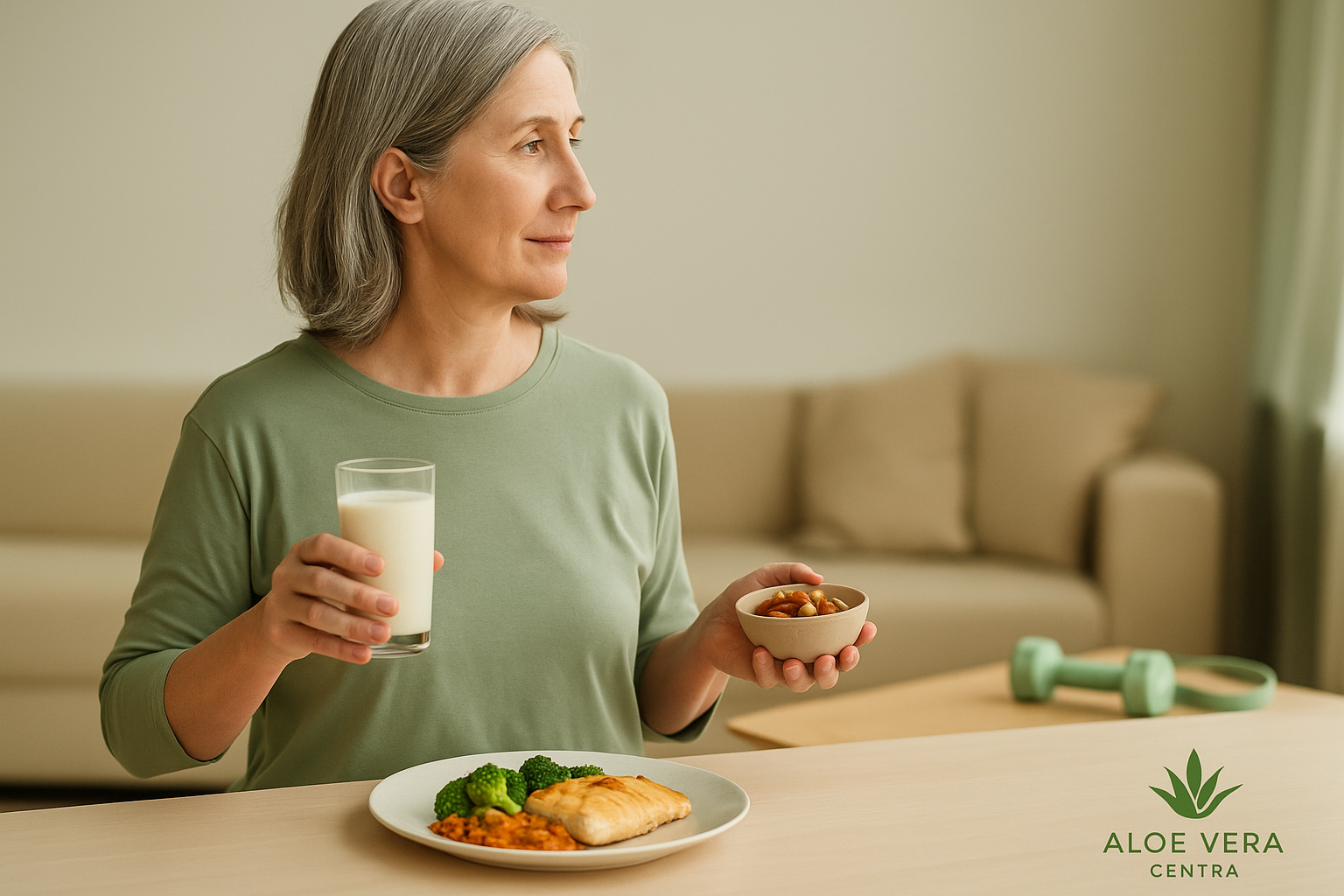
You can distribute proteins through breakfast, lunch, dinner and snacks. Include eggs, cottage cheese, Greek yogurt, fish, chicken, turkey or legumes. if you're more of a plant-based person, combine beans, lentils, tofu and whole grains.
It is good that every meal contains a source of protein. Thus, the body constantly receives building material for bones and muscles during the day. In addition, protein increases satiety and reduces sudden hunger pangs.
If you're interested in how protein works in the broader context of health, please explore other nutrition topics further, such as our how-to articlehow to stack a plate.
Vitamin D and calcium: a tandem for strong bones
Without adequate vitamin D, bones have a hard time retaining calcium. Vitamin D helps the intestines to better absorb calcium from food. When there is not enough of it, the body can start using calcium from the bones.
This is where an important triangle comes into play. Sufficient intake of calcium, vitamin D and bone loading through movement. When these three elements work together, bones remain stronger and more resilient.
If you want to understand this topic in more depth, a detailed guide on why is usefulvitamin D so important and how to use it wisely during the year.
For the relationship between calcium and vitamin D, there is also an excellent practical text that talks about their synergy and intake through diet and supplements. You can study it in the articleCalcium and vitamin D.
Natural sources of vitamin D and calcium
We get vitamin D mostly from the sun. The problem arises during autumn and winter, when exposure to the sun is less. Then it is wise to pay more attention to the diet and consider supplements if necessary.
Dietary sources of vitamin D are fatty fish, eggs and fortified dairy products. Calcium is found in milk, yogurt, cheese, sesame, almonds and green leafy vegetables. A small menu change can make a big difference here.
A special period is the transition through menopause, when bone density changes faster. If you are at that stage of life, you will find a detailed guide on how to adjust usefuldiet in menopause.
Dietary supplements with vitamin D and calcium
Sometimes it is difficult to achieve optimal values through nutrition. That's when nutritional supplements come into play. It is important that supplementation is introduced with the advice of a doctor or nutritionist, especially if you are already taking medication.
As part of a broader strategy for bone health, many people benefit from a supplement with a combination of calcium, vitamin D, and other minerals. One of such products isForever Calcium, which can be incorporated into the plan along with nutrition and exercise, with expert supervision.
Bone load and the importance of movement
Bones love load. When we stress them, we send a signal to the body that the bone tissue needs to be stronger. This doesn't mean you have to start running a marathon. Properly dosed, regular loads are sufficient.
They use the activities in which you carry your own weight the most. Walking, light running, dancing, climbing stairs and exercises with your own weight. At the same time, these habits strengthen the muscles, which additionally protects against falls.
For inspiration on how much daily activity affects health, read the motivational text on howdaily walk helps with health and weight regulation.
Examples of loads that bones like
You don't have to go to the gym to feel the benefits. An example of a simple routine looks like this. Ten to fifteen minutes of brisk walking, then a few sets of squats, light lunges and arm exercises.
If you have already been diagnosed with osteoporosis, it is important to adjust your exercise program. Avoid sudden movements and big jumps. In this case, a physiotherapist or a coach trained in working with osteoporosis can be of great help.
How to combine protein, vitamin D and exercise in a daily plan
Here's the thing. You get the most benefit when these elements work together. Proteins feed muscles and bones. Vitamin D and calcium build bone structure. Load through movement activates all these processes.
A practical daily plan may seem simple. In the morning, breakfast with a source of protein. During the day, one or two shorter blocks of walking or light training. In the evening, a lighter meal rich in vegetables.
You can upgrade the weekly plan with other healthy habits, such as planning the menu in advance. If you want ideas for meal planning, a useful guide tomeal preparation, which makes it easier to prepare healthy meals with less stress.
Forever products to support bones and the whole body
Dietary supplements are not a magic pill. They support quality nutrition and movement. When considering a combination of different supplements and medications, it's important to think about safety and interactions.
This topic is covered in detail in the text on how to combine safelyForever products and therapy. It is recommended that you always talk to your doctor or pharmacist before making major changes.
In addition to calcium, omega 3 fatty acids are also useful, which support heart health, inflammation and the general condition of the body. One of such products isForever Arctic Sea Omega, which can be incorporated into the bone and joint support plan, in consultation with a specialist.
What research says about protein, vitamin D and exercise
Recent research shows that higher protein intake above the classical minimum recommendations can have a beneficial effect on bone density in the elderly. Especially when combined with an adequate intake of calcium and vitamin D.
Professional organizations point out that in elderly people with osteoporosis, protein intake should often be at least at or above 0.8 grams per kilogram. Thus, muscle mass and function are supported.
For additional understanding of this topic, you can also look at the expert recommendations of Frintake of proteins and other nutrients in osteoporosis, which emphasize the importance of the overall dietary pattern.
When it comes to vitamin D and calcium, it's important to know that the combination can make more sense than vitamin D alone. Large analyzes show that vitamin D alone often has no clear effect on preventing fractures, while the combination with calcium has more potential.
You can read more about this in a large meta-analysis on vitamin D and calcium, which emphasizes the importance of an overall approach, not just one supplement.
The same applies to movement. Osteoporosis organizations stress that weight-bearing and strength exercises are key. They help maintain bone density, balance and reduce the risk of falls.
You can find more about which exercises help bones the most in theirguidelines on exercise in osteoporosis. There, the role of regular exercise, even at shorter intervals, is particularly emphasized.
How an AI advisor and personalized approach can help you
Each person has a different medical history, habits and goals. That is why it is important that the approach to osteoporosis is as personalized as possible. Along with a doctor's advice, digital tools can also help you today.
If you want to get a product and routine suggestion tailored to your goals, you canuse our AI advisor. It does not replace the doctor, but it can provide an initial framework for the questions you later ask the specialist.
Frequently asked questions
How long does it take for me to see changes in bone density?
Bone density changes slowly. The first significant changes are measured over a year or more. It is important that you focus on continuity of diet, exercise and recommended supplements.
Is it enough to drink only calcium for osteoporosis?
Most often it is not enough. Calcium needs vitamin D for good absorption, and bones also need load through movement. It's always important to look at the whole package of habits, not just one supplement.
Can I exercise if I already have osteoporosis?
In most cases, exercises are desirable, but they must be adapted. Avoid sudden rotations and high jumps. It is best to put together a movement program with the advice of a physiotherapist or doctor.
Are supplements like vitamin D and omega 3 always necessary?
They are not necessary for every person. If your diet is very balanced, you may already be getting enough. However, in the case of osteoporosis, lack of vitamin D or a one-sided diet, quality supplements can be an important support.
Conclusion
Osteoporosis does not have to mean fear of every step. When you understand how protein, vitamin D, calcium and exercise work together, you gain a sense of control. Every meal and every small block of movement becomes an investment in your future movement without fear.
Start with small changes you can implement today. Add protein to your breakfast, go for a short walk, and check your vitamin D intake. Then, with your doctor's advice, decide if you need supplements and what types.
If you want to go deeper into stories about changing habits and modern ways of building a healthier life, you may find the article inspiring"How this couple is building a global business with AI and working 95% online".
Note: This article is for educational purposes only and does not replace a medical examination or individual expert advice. If you suffer from chronic diseases, are taking therapy or suspect osteoporosis, be sure to consult your doctor before introducing new nutritional supplements or a more intensive exercise program.
Products most closely related to this topic
If you want to compare concrete options after reading, these products are the closest match to the article topic.
Arctic Sea OmegaA supplement for energy, heart and circulation routines when you want longer-term daily support.
Useful to compare when you are looking for energy, focus or vitality support.Forever Absorbent DA simple fiber add-on when you want digestion and satiety support during the day.
It fits topics such as appetite, portions, energy or a weight-management routine.Forever Argi+A supplement for energy, heart and circulation routines when you want longer-term daily support.
Useful to compare when you are looking for energy, focus or vitality support.Short answers that help
If you are still comparing options, these are the points worth checking before you continue.
What should I take from this article?
Use it to understand the topic in practical terms and compare it with your current routine, needs and next step.
When does it make sense to ask for a recommendation?
Ask when the topic feels relevant, but you are not sure which Forever Living Products product or routine fits you best.
Does this article replace professional advice?
Praktična proteinska podrška kada želiš jednostavniji obrok ili međuobrok.
Describe what you want to achieve
If you do not know which product to choose, write your goal, habits or doubts and get a more concrete suggestion.
Recommended products
Related articles to keep exploring