The key points from this article
- Joint pain after inactivity can completely change your mood within the first five minutes of the day.
- You get out of bed, take the first step and feel that familiar stiffness.
- For a personal choice, continue with a recommendation after reading.
Products most closely related to this topic
If you want to compare concrete options after reading, these products are the closest match to the article topic.
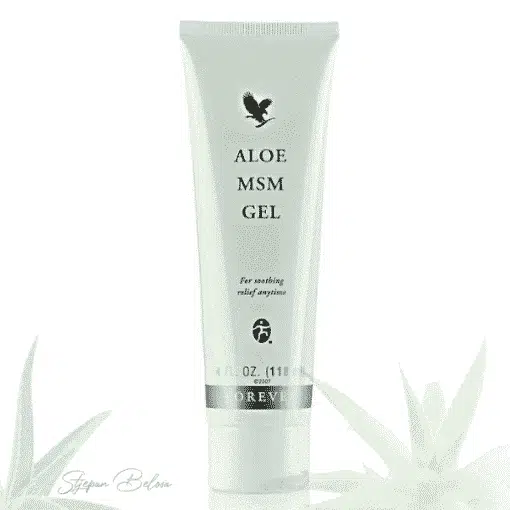 Aloe MSM Gel
A practical outer-care product when the goal is skin comfort and a simpler care routine.
Closest to a care routine for skin, hair or everyday personal care.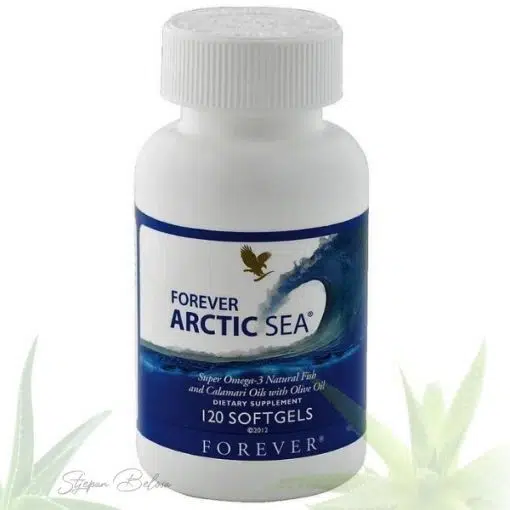 Arctic Sea Omega
A supplement for energy, heart and circulation routines when you want longer-term daily support.
Useful to compare when you are looking for energy, focus or vitality support.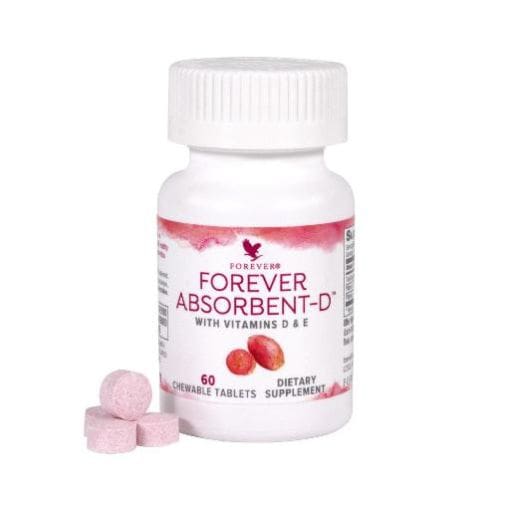 Forever Absorbent D
A simple fiber add-on when you want digestion and satiety support during the day.
It fits topics such as appetite, portions, energy or a weight-management routine.Joint pain after inactivity: a quick guide to a better day
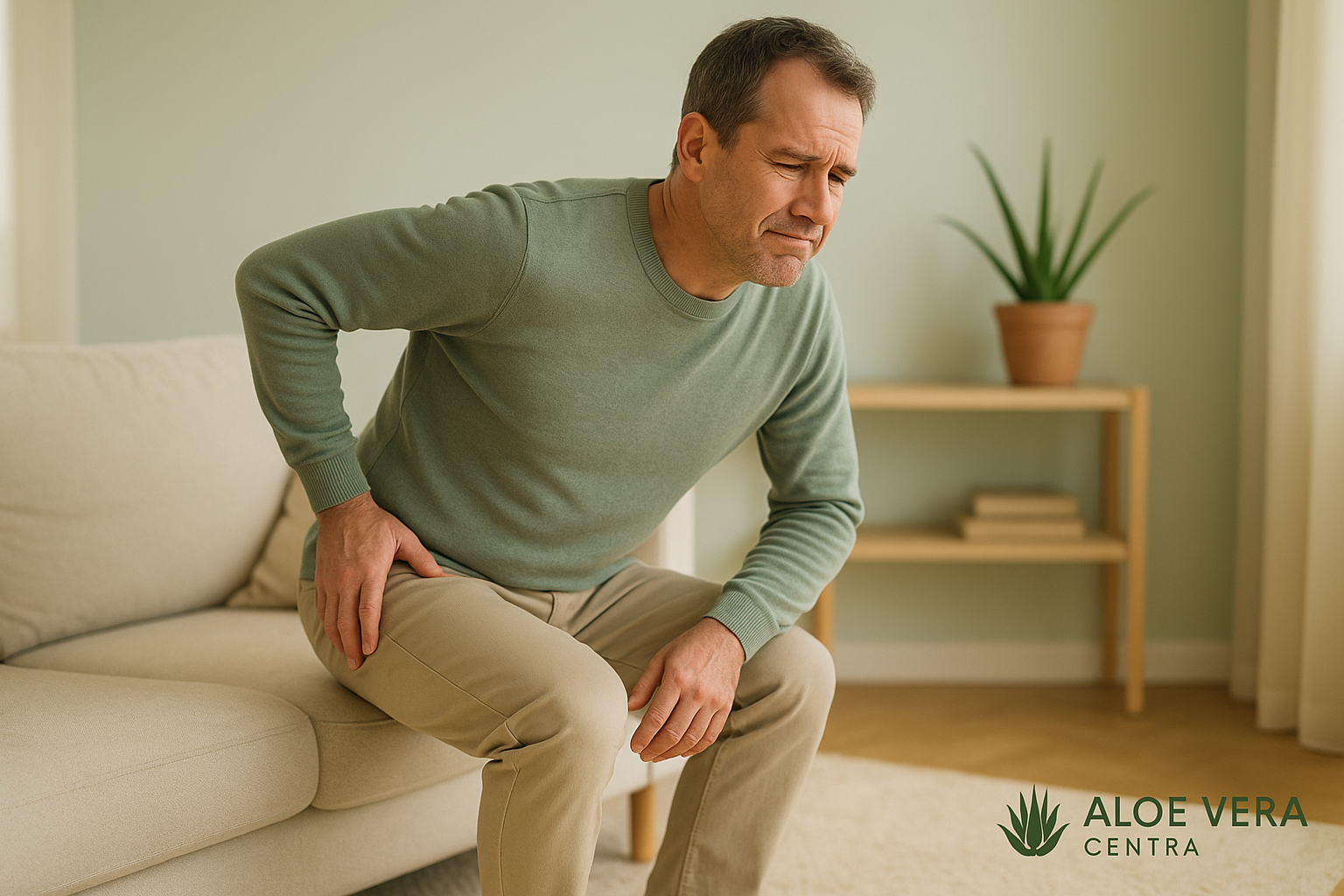
Joint pain after inactivity can completely change your mood within the first five minutes of the day. You get out of bed, take the first step and feel that familiar stiffness. Knees seem to creak, hips need a few steps to"wake up", and your back reminds you of hours of sitting and stress.
You might be wondering if it's just a sign of age or something more serious. The good news is that in many cases the joints are just asking for movement, circulation and a little smarter habits. The bad news is that if you ignore these signals for a long time, the pain can intensify and become a daily burden.
In this guide you will get practical steps for morning, work and evening. You will learn what actually happens in the joints when you are at rest, when pain is normal, and when it is a sign for an examination. You will also see how nutrition, supplements, aloe vera and small routines can help you start and end your day with less stiffness.
What happens in the joints when you stand still for a long time
When you sit or lie down for a long time, the joints are not lubricated as well as when moving. Synovial fluid is less distributed. The muscles around the joint shorten slightly and become tense. That's why the first steps after sitting often hurt more than walking.
According to onearticle on Healthline, stiffness often occurs in the morning or after prolonged sitting. Many people describe the feeling as"rusty"joints that take a few minutes to work. This does not immediately mean illness, but it is an important signal.
In the background, there is often a combination of weaker circulation, reduced muscle tone and minor inflammatory processes. If sitting dominates for days or years, the joints simply do not get used to the load. Any attempt to move more then looks like"shock therapy"for the body.
Another factor is age. Cartilage wears down naturally. The elasticity of the connective tissue slowly decreases with age. The joints then react more quickly to the cold, weather changes and longer pauses without movement.
If we add extra weight, the story becomes even more complicated. Each extra kilogram puts extra strain on the knees, hips and spine. That is why pain after inactivity is often felt most by people who carry a few"hidden"extra pounds.
When joint pains after inactivity are a warning sign
Occasional stiffness is normal, but there are situations when you need to be more careful. If swelling, redness, warmth of the joint or a feeling of"locking"appear along with the pain, it is time for an examination. Then we are no longer just talking about the harmless consequences of sitting.
Risk situations include a family tendency to arthritis, fractures in the past or long-term physical work. In such cases, it is worth paying attention to the health of the bones. One useful resource is a practical guide to the condition likeosteoporosis. It helps to understand how bone, joint and muscle work as a team.
Some forms of autoimmune diseases also start with morning stiffness. If the stiffness lasts longer than an hour or occurs in several joints symmetrically, be sure to talk to your doctor. Pain is not something you"have to endure". Pain is information.
Morning ritual for mobile joints in 10 minutes
Here's the thing. Joints after inactivity need a gentle start, not a sudden sprint. A short morning ritual can make a big difference. It's important to make it realistic and doable, even if you only have 10 minutes.
Do not rush out of bed in the first few minutes after waking up. Take a few deep breaths. Gently bend and extend your ankles, knees and fingers. This is your “ignition key” before getting up.
Then you can do a short series of exercises:
- 5 to 10 shoulder rotations forward and back
- slightly circling the hips to one side and then to the other
- a few slow squats to a level that is comfortable for you
- stretching the back of the legs against the back of the chair
It is important that you perform the exercises without sudden jerks and without forcing the pain. Mild discomfort is normal. Sharp pain is not. If you feel a little more warmth in your joints and greater mobility after the exercises, this is a good sign.
For many people, a warm shower in the morning also helps. The heat stimulates circulation and relaxes the muscles. You can combine the shower with a short massage of the joints and surrounding muscles. The joints then enter the day with much less resistance.
How to reduce stiffness at work and at home during the day
A good morning routine is important, but it's not enough if you spend the rest of the day in front of a screen. The body quickly returns to its old form. That's why small but regular breaks to get started are important.
If you work at a computer, see recommendations forergonomics workplace. The correct height of the chair, monitor and keyboard reduces the load on the neck, shoulders and spine. Less tension in these regions means less pain transferred to other joints.
Choose one"wellness break"every 60 to 90 minutes. It can be a short stretch, a walk to the kitchen or a few laps around the apartment or office. You can get ideas from the handy guide for shortwellness breaks. The key is to regularly remind the body that it is not meant to sit still.
You may be wondering how much movement is actually enough. For many people, a great framework is everydaydaily walk. You don't have to hit 10,000 steps right away. Even 3,000 to 5,000 conscious steps per day can significantly reduce stiffness after sitting.
One systematic review of physical activity in osteoarthritis shows that regular, adapted exercise reduces pain and improves joint function in people with osteoarthritis of the knee and hip. He talks about it in more detailsystematic review of physical activity in osteoarthritis. The message is clear. Moderate activity helps the joints more than constant rest.
Nutrition, supplements and aloe vera to support joints
Joints need more than just movement. They also need building elements from the diet. Proteins, healthy fats, antioxidants and certain vitamins directly affect the quality of connective tissue and bone. Vitamin D, calcium, omega 3 fatty acids and antioxidant compounds are especially important.
If you know that you are exposed to the sun a little or are in risk groups, it is useful to study practical advice on whyvitamin D important. This is not just a story about bones. Vitamin D also affects muscle strength and immunity, which indirectly affects the joints.
Among foods rich in fat, foods with omega 3 fatty acids are particularly interesting. They contribute to the regulation of inflammatory processes in the body. If you don't get enough of them through food, one of the supplements that is often used specifically for the heart, brain and joints isForever Arctic Sea Omega. It is always a good idea to consult a doctor before starting a new supplement, especially if you are taking medication.
Targeted supplementation for cartilage and connective tissue also helps many people with occasional pain after inactivity. Joint drink is popular in this groupForever Freedom. It contains a combination of aloe vera, glucosamine, chondroitin and MSM. Such products are not a magic wand, but they can be a good support along with movement and adapted nutrition.
Heat and local care also have their place. If you feel stiff after sitting, you can try a gentle massage around the joint with a gel that combines aloe vera and MSM. An example of such a product isAloe MSM Gel. Gentle rubbing stimulates local circulation, and gives many a subjective feeling of"relief from a can".
Don't forget about hydration either. Insufficient fluid intake can affect the density of the synovial fluid and the feeling of stiffness. If you tend to forget to drink, you can combine water with herbal teas and an occasional glass of aloe drink. It is important to find a rhythm that is sustainable for you, and not an extreme that lasts only three days.
If you are not sure which products and combinations would benefit you the most, you can always use the smart oneAI advisors. Based on your habits and goals, he can suggest personalized combinations of products and steps that you can then check with your doctor.
How stress and emotions increase joint pain
It may sound surprising, but stress and emotions strongly influence the perception of pain. When you are under chronic stress, your muscles remain tense unconsciously. Especially around the neck, shoulders and lower back. The joints then suffer a double load.
Chronically elevated stress hormones can increase inflammatory processes in the body. You can read more about how long-term pressure affects the body in the article on the topiclong-term stress. When you reduce stress, the intensity of joint pain often decreases, even though the joint structure itself has not changed.
The psychological part of the story is motivation. Many people know that exercise would help them, but they put off getting started. They are waiting for"perfect weather","less obligations"or"better mood". Every day of delay means another day of stiffness after inactivity.
A good approach is to think in small steps. You don't need a perfect training plan. It is enough to walk fifteen minutes more today than yesterday. Your body will thank you for that in the form of less stiffness tomorrow.
When to seek professional help
Despite all the changes in habits, there are situations when you don't need to wait. If the pain in the joints after inactivity gradually increases and does not decrease, this is a sign for an examination. Especially if, along with the pain, you notice constant swelling, deformation of the joint or loss of mobility.
It is important to react even if the pain changes the way you walk or hold yourself. The body then begins to"protect"itself with wrong movement patterns. This creates new pain points in other places. In such situations, the best combination is a doctor's examination, possible diagnostics and a plan for physical therapy or targeted exercise.
Be sure to tell your doctor about any supplements you take, including aloe vera products and herbal preparations. This way, the assessment will be more reliable, and the plan adapted to your actual habits. The goal is for your joints to have support from all sides, and not for you to do something"on your own"without coordination.
Frequently asked questions
1. Are joint pains after inactivity always a sign of illness?
They don't have to be. Very often it is a combination of sitting, poor fitness and mild muscle stiffness. However, if the pain persists, intensifies or is present along with swelling and redness, it is important to have an examination.
2. What can I do immediately when I get up and feel"rusty"?
First, gently bend and stretch your ankles and knees several times while still in bed. Then do a short leg and back stretch. A warm shower or a short shower with hot water over painful joints also helps.
3. Can I exercise if my joints hurt after sitting?
In most cases you can, but with the adjustment of the intensity and type of activity. Research shows that adapted movement usually reduces pain, not the other way around. If you are not sure, start with walking and light strength exercises with expert advice.
4. Can aloe vera really help my joint pain?
Aloe vera is most often used as a support, not as the only solution. Topically, it can bring a sense of relief, especially when combined with MSM or herbal extracts. As part of a wider routine of exercise, nutrition and good hydration, it can be a valuable addition.
Conclusion: small steps for a better day without stiffness
Joint pain after inactivity doesn't have to be your new normal. With a few simple changes to your morning routine, more movement during the day and a little more careful choice of food, you can already feel the difference within a few weeks. The key is consistency and realistic steps, not a perfect plan.
Finally, don't forget that the modern approach to health combines knowledge, technology and everyday habits. When you connect your movement, diet, and supplement decisions into one story, post-sitting pain becomes a message, not a judgment. You decide whether you will react to that message today or only when the pain becomes louder.
For inspiration on how modern technology and AI are used to build a global online business, read the articleHow this couple is building a global business with AI and working 95% online. In it, you will see how smart systems facilitate everyday decisions, which you can also apply to your own health care.
Note: This article is for informational purposes and does not represent a medical diagnosis or a substitute for a medical examination. If you have severe, sudden or prolonged pain, be sure to contact your doctor or other health professional.
Products most closely related to this topic
If you want to compare concrete options after reading, these products are the closest match to the article topic.
Aloe MSM GelA practical outer-care product when the goal is skin comfort and a simpler care routine.
Closest to a care routine for skin, hair or everyday personal care.Arctic Sea OmegaA supplement for energy, heart and circulation routines when you want longer-term daily support.
Useful to compare when you are looking for energy, focus or vitality support.Forever Absorbent DA simple fiber add-on when you want digestion and satiety support during the day.
It fits topics such as appetite, portions, energy or a weight-management routine.Short answers that help
If you are still comparing options, these are the points worth checking before you continue.
What should I take from this article?
Use it to understand the topic in practical terms and compare it with your current routine, needs and next step.
When does it make sense to ask for a recommendation?
Ask when the topic feels relevant, but you are not sure which Forever Living Products product or routine fits you best.
Does this article replace professional advice?
Dnevna vitaminska podrška kada želiš uredniju rutinu imuniteta, energije ili prehrane.
Describe what you want to achieve
If you do not know which product to choose, write your goal, habits or doubts and get a more concrete suggestion.
Recommended products
Related articles to keep exploring