The key points from this article
- Iodine may be small in the amount you need, but it's huge in importance for thyroid health, energy, and mental clarity.
- Podrška za dane kada želiš više mentalne jasnoće, fokusa i stabilniji radni ritam.
- For a personal choice, continue with a recommendation after reading.
Products most closely related to this topic
If you want to compare concrete options after reading, these products are the closest match to the article topic.
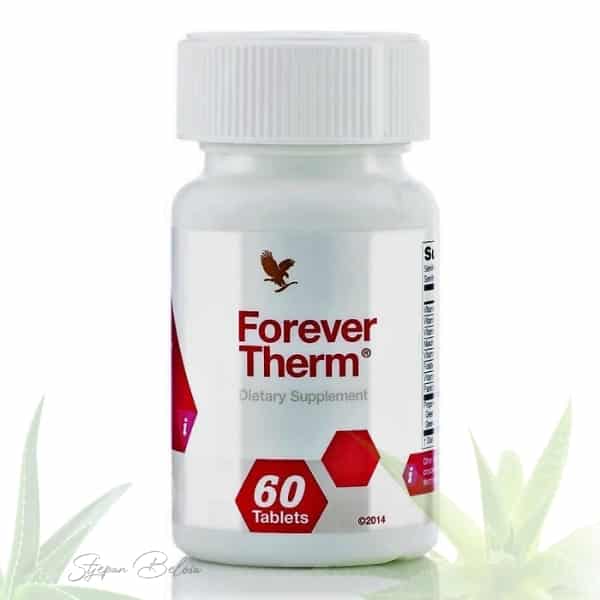 Forever Therm
Worth considering when you want energy support inside a weight-management routine.
It fits topics such as appetite, portions, energy or a weight-management routine.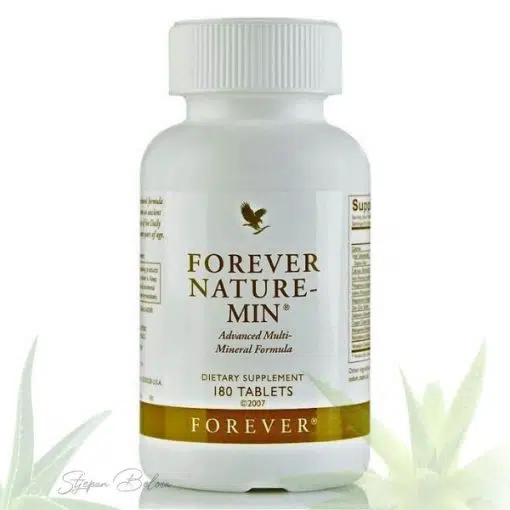 Forever Nature Min
Mineral support when you want an easier way to care for bones and daily nutrition.
Useful to compare when joints, bones or mobility are the topic.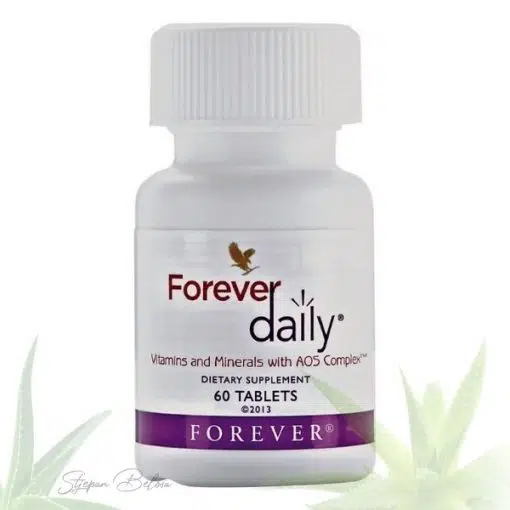 Forever Daily
Daily vitamin support when you want a steadier immunity, energy or nutrition routine.
Connected with daily support for immunity, energy or baseline nutrition.Iodine: A Key Mineral for the Thyroid and Where to Find It
Iodine may be small in the amount you need, but it's huge in importance for thyroid health, energy, and mental clarity. If you've ever wondered why you sometimes run out of energy in the middle of the day, why you're constantly cold or why it's harder to focus, the answer is sometimes hidden in the intake of this micromineral. You might be wondering why?Here's the thing: without iodine, the thyroid gland cannot produce enough hormones T4 and T3, which control almost all processes in the body, from metabolism and thermoregulation to the work of the heart and brain. Below, you'll learn exactly what iodine does, how much you need, the best sources, how to combine it with other nutrients, and when to consider supplementation.
Why iodine is so important for the thyroid gland
The thyroid gland produces the hormones thyroxine (T4) and triiodothyronine (T3). As the name suggests, both contain iodine. Without sufficient intake of iodine,thyroid hormone synthesis decreases, and this can lead to goiter and hypothyroidism, with consequences such as fatigue, coldness, dry skin and slower metabolism. According to authoritative medical sources, adequate iodine intake is also crucial during pregnancy because it affects fetal brain development and the child's cognitive outcomes.according to the NIH ODS guide.
Important: Public health strategies such as universal salt iodization have significantly reduced the risk of iodine deficiency in many countries, but individual risks still exist, especially in people who do not use iodized salt, avoid seafood, or follow a strict vegan dietaccording to WHO guidelines,and this is confirmed by recent examinations.
How much iodine do you need every day?
If you are an adult, the reference intake is approx 150 µg per day. During pregnancy and breastfeeding, the needs are greater due to the child's development and increased maternal hormone production.
| Age / Condition | Recommended daily intake | Source of guidance |
|---|---|---|
| Adults | 150 µg | NIH ODS |
| Pregnant women | 220 µg | CDC |
| Nursing mothers | 290 µg | NIH ODS |
Upper intake limit (UL) it varies by jurisdiction. In the EU, UL is for adults 600 µg/day according to EFSA, while in the USA it is set at 1100 µg/dayHarvard Nutrition Source. Why is that important? Because both too little and too much iodine can cause thyroid problems. Sound too good to be true? Continue reading.
The best natural sources of iodine
Sea algae
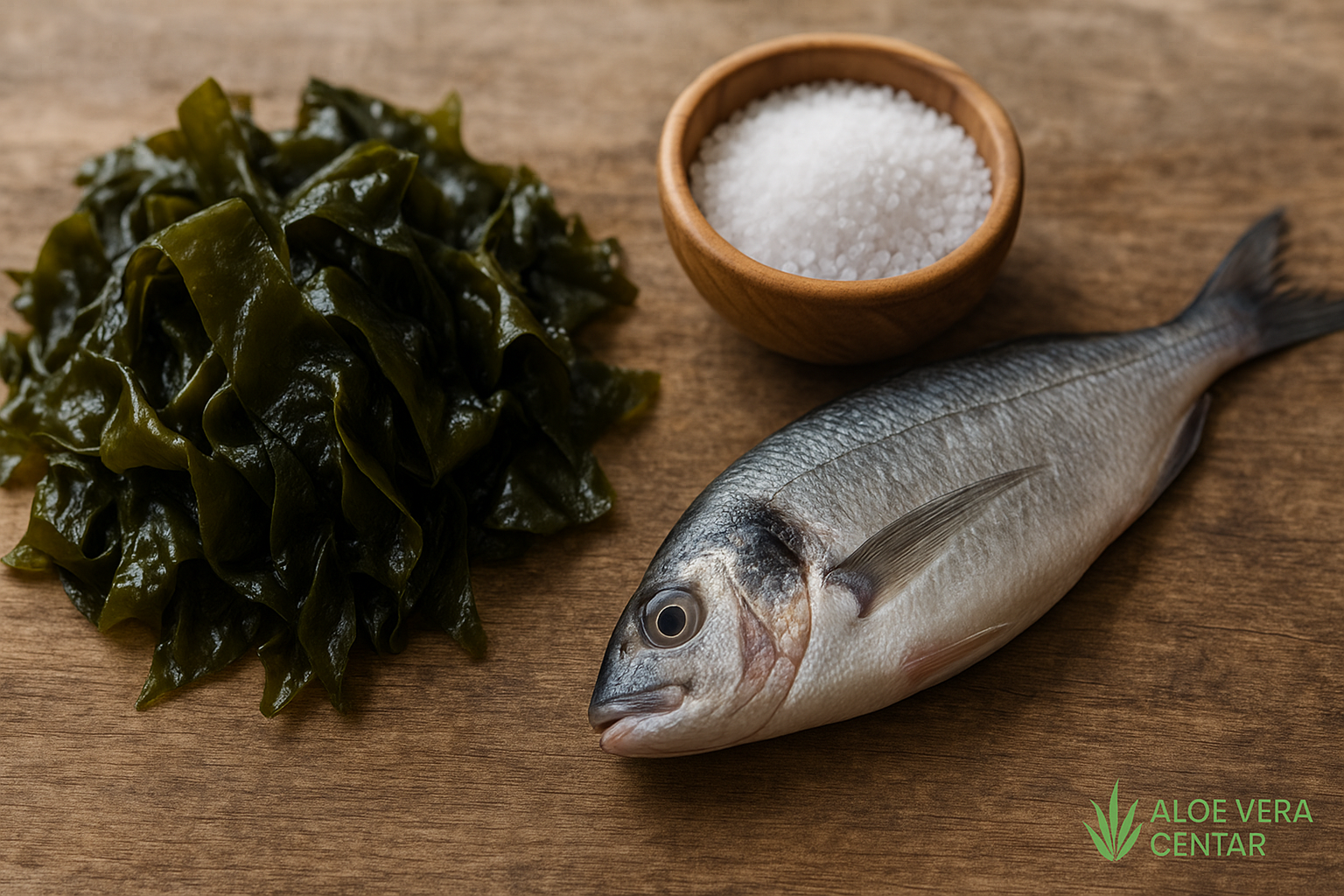
Seaweeds are extremely rich in iodine, but their content it varies a lot depending on the type and method of preparation. Brown algae like kombu can contain thousands of micrograms per gram and easily exceed the upper intake limits. Practical advice: use algae in moderation and avoid consuming large amounts of kombu every day, especially during pregnancy.
Fish and seafood
White fish, cod and seafood are good sources of bioavailable iodine. Include them 1 to 2 times a week in the menu. If you are looking for ideas on how to smartly incorporate fish into your diet plan while maintaining healthy habits, take a lookLow carb meals and quick ideas for inspiration.
Dairy products and eggs
Milk, yogurt and cheese often contain iodine because animals receive mineral supplements in their diet. If you are thinking about what is better for the intestines and how to get additional value through fermented milk products, you will be interested in the comparisonkefir vs. yogurt.
Iodized salt
The simplest way most people ensure their iodine intake is by using iodized table salt. WHO recommends harmonizing iodization programs with measures to reduce sodium intake for cardiovascular health. So,salt wisely and in moderation, but choose iodized salt. If you use"natural"non-iodized salts, be aware that they often do not contain enough iodine to meet your needs.
Plant sources and vegan diet
Plant foods are generally low in iodine, except for seaweed. If you're vegan, planning is key. For a comprehensive approach to plant-based menus and to compensate for potential deficiencies, see the guidevegan diet. Also, due to the possible connection between autoimmune conditions and gluten in part of the population, it is useful to be informed aboutgluten-free diet if you have diagnosed thyroid disorders of an autoimmune nature.
Is your entry sufficient and how to check it
Symptoms of iodine deficiency are often subtle: chronic fatigue, sensitivity to cold, dry skin, poor concentration. If you already haveHashimoto symptoms or you suspect a hormonal imbalance, it is worth discussing laboratory findings with your doctor, especially TSH, FT4 and antibodies.But that's not all... A low or abnormal TSH can have a variety of causes, so this handy overview will help you better understand the contextlow TSH.
During pregnancy and breastfeeding, the need for iodine increases. However, many prenatal multivitamins they do not contain iodine at all or contain it in insufficient quantity, so always check the declaration. Need help choosing? Find comparative criteria and checklists in the guidehow to choose the best multivitamin.
When to consider iodine supplementation
Supplementation may make sense for:
- people who do not use iodized salt or rarely eat fish and seafood
- vegans and vegetarians without regular consumption of algae
- pregnant and lactating women whose diet does not meet the recommendations
- people on elimination diets or with seafood allergies
Nevertheless,caution is necessary. Excessive intake of iodine can also cause thyroid disorders, especially if you already have an autoimmune disease. The American Thyroid Society warns of the risks of excessive intake, especially from concentrated sources such as algae or tinctures. In the EU, the guidelines are more conservative, so pay attention to the UL values according to EFSA.
An example of a smart approach? A multivitamin-mineral supplement that, among other things, also contains iodine, can be a practical way to cover daily needs without exaggeration. If you choose such a product, check the formulation and dosage. It is often used in this roleForever Daily as a basic multivitamin support, and when emphasizing minerals, consider iForever Nature Min. For children who sometimes need extra motivation for regular micronutrient intake, there are options likeForever Kids Multivitamins.Note: check with the pediatrician and do not exceed the age-appropriate intake.
Want a quick personalized recommendation based on your habits and goals? You canuse our AI advisor and get a customized plan in a few minutes.
Iodine does not work alone: the role of selenium, iron and other nutrients
For optimal thyroid status, you need to look at the bigger picture.Selenium is crucial for the conversion of T4 into more active T3 and for the antioxidant protection of tissues. Literature reviews confirm a close link between selenium and thyroid disease, although supplements are not always necessary or equally effective for everyoneFrontiers in Endocrinology review.Iron participates in the activity of the thyroperoxidase enzyme, so its deficiency can reduce the synthesis of thyroid hormones. Studies show that iron deficiency can raise TSH and lower FT4, and iron correction can improve the effect of iodine supplementation.
What does that mean for you? If you suspect an iodine deficiency, it is wise to check i iron status and, as appropriate,selenium. That way, you avoid dealing with the symptom while the cause remains intact. You can read more about this in the articlewhy vitamin D is important, because optimal hormonal and immune health is always the result of several factors.
Common misconceptions about iodine
- "More iodine is always better." No. Excessive intake can trigger both hypo and hyperthyroidism, especially in sensitive individuals.
- "Natural salt has enough iodine." Not necessarily. Non-iodized"natural"salts often have too little iodine for daily needs, so rely on iodized salt and other sources.
- "Algae is always a safe way to compensate." Variability is high and it is easy to overdo it. Choose proven products and moderate quantities.
- "Everyone needs supplements." No. If you get enough through your diet and iodized salt, supplements are often not necessary. Choose a supplement in a targeted and informed way with this guide.
Weekly plan: how to easily ensure iodine intake
You don't need drastic changes. Small, smart steps are enough.
- Monday - Dinner of cod or white fish with vegetables. A pinch iodized of salt at the end of cooking.
- Tuesday - Greek yogurt with nuts and berries for breakfast.
- Wednesday - Salad with eggs and tuna. A thin strip of nori seaweed for taste.
- Thursday - Stew with vegetables and barley. For seasoning, soy sauce with a moderate amount of salt.
- Friday - Baked salmon or sardines with lemon. If you're in a hurry, take a look quick ideas for healthy dinners.
- Saturday - Omelet with vegetables and cheese. Addition of yogurt with seeds.
- Sunday - Themed lunch with miso soup and a modest amount of wakame seaweed.
In addition, 1 to 2 cups of herbal tea a day can fit nicely into the routine. If you're into light, caffeine-free herbal blends, do your researchAloe Blossom Herbal Tea as part of a relaxing evening routine.
When to seek medical advice
Contact your doctor immediately if you have pronounced symptoms of hypothyroidism or hyperthyroidism, if you are planning to become pregnant or are pregnant, and if you are taking iodine preparations or algae and at the same time notice palpitations, tremors, sudden changes in weight or fatigue. In addition, autoimmune conditions often require individually tailored nutrition and supplements, so a thorough review in the chapter will help youautoimmune diseases.
Frequently asked questions
1) Should I take iodine if I already use iodized salt?
Probably not, if you eat a variety of foods and use iodized salt in moderation. The supplement makes sense when the diet does not cover the needs or in special conditions such as pregnancy. Always check the dosage and consult your doctor.
2) Is seaweed a good and safe source of iodine?
Yes, but with caution. The iodine content of algae varies greatly, so it is easy to consume too much. Choose proven products and use them in moderation, especially during pregnancy.
3) Can iron deficiency affect the thyroid gland?
It can. Iron is needed for the thyroperoxidase enzyme and its deficiency can make it difficult to synthesize thyroid hormones. If you suspect iodine deficiency, it is good to check your iron status.
4) How to choose an iodine supplement wisely?
Choose products with a clear declaration, with a dose that corresponds to your age and condition. Multivitamins can be a practical choice, but make sure they really contain iodine and suit your needs. You will find help with the choice in the guide aboutchoosing a multivitamin.
Conclusion
Note: This article is for informational purposes only and is not a substitute for professional medical advice. If you have symptoms or a diagnosis of thyroid disease, contact your doctor or specialist endocrinologist.
Products most closely related to this topic
If you want to compare concrete options after reading, these products are the closest match to the article topic.
Forever ThermWorth considering when you want energy support inside a weight-management routine.
It fits topics such as appetite, portions, energy or a weight-management routine.Forever Nature MinMineral support when you want an easier way to care for bones and daily nutrition.
Useful to compare when joints, bones or mobility are the topic.Forever DailyDaily vitamin support when you want a steadier immunity, energy or nutrition routine.
Connected with daily support for immunity, energy or baseline nutrition.Short answers that help
If you are still comparing options, these are the points worth checking before you continue.
What should I take from this article?
Use it to understand the topic in practical terms and compare it with your current routine, needs and next step.
When does it make sense to ask for a recommendation?
Ask when the topic feels relevant, but you are not sure which Forever Living Products product or routine fits you best.
Does this article replace professional advice?
Iodine and the thyroid gland: how much you need per day and the best dietary sources is educational content. For medical conditions, medication, pregnancy or persistent symptoms, include qualified professional advice.
Describe what you want to achieve
If you do not know which product to choose, write your goal, habits or doubts and get a more concrete suggestion.
Recommended products


Related articles to keep exploring