Omega 3, 6 and 9 describe fatty acid chemistry rather than a ranking of good and bad fats. We need dietary ALA from the omega 3 family and linoleic acid from omega 6. The body can produce omega 9 fatty acids.
Sources differ
Walnuts and flax provide ALA. Oily fish and certain algal oils supply EPA and DHA. Conversion of ALA into EPA and DHA is limited, so a spoon of flax is not equivalent to the same weight of fish oil. Olive oil mainly supplies monounsaturated fats and has a different culinary role.
You do not need to remove every seed oil or calculate a perfect ratio after every meal. Consider what replaces butter or fatty meat, and how often fish, nuts and other varied foods appear on your menu.
Compare supplement labels
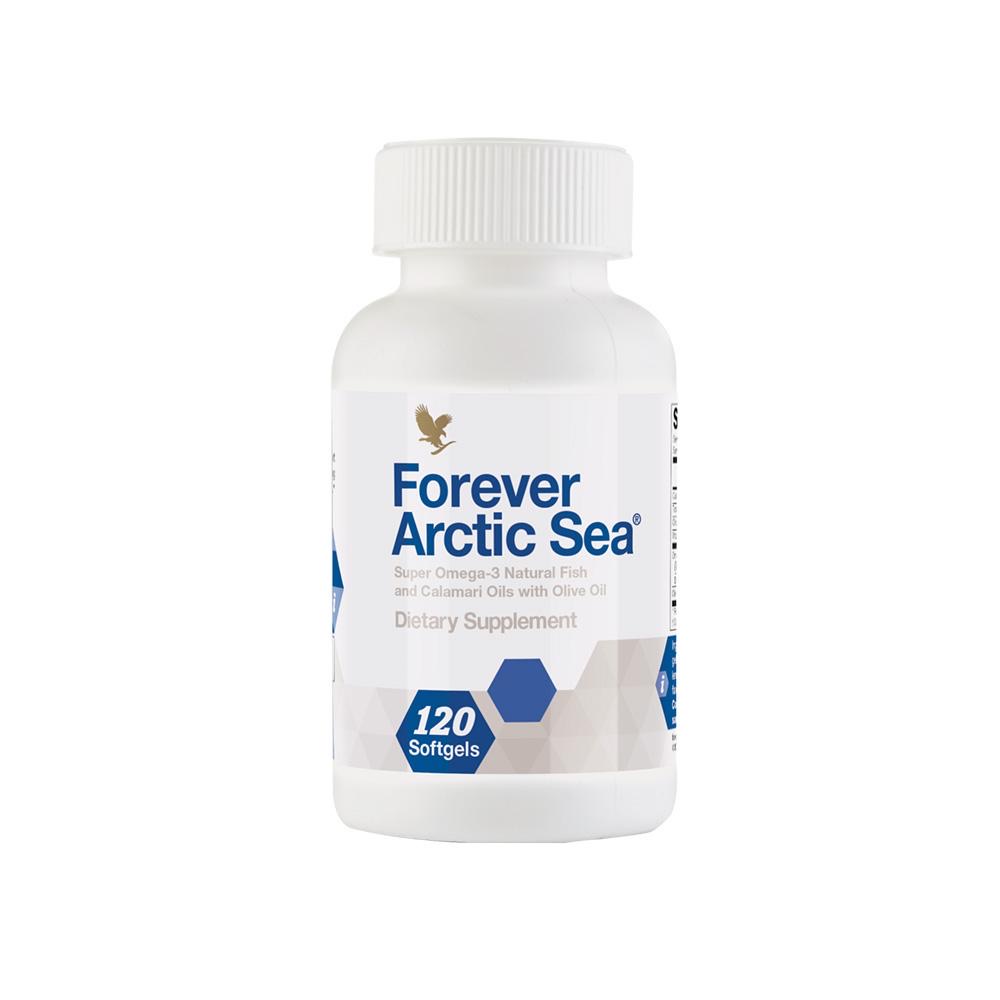
Forever Arctic Sea is a marine oil supplement for which you should check the EPA and DHA amounts in the recommended daily serving. Total milligrams of oil are not necessarily that sum. Also check the source, allergens and current local label.
Copy EPA and DHA from two labels into matching columns beside the capsule count needed for each stated serving. This gives you the same basis for comparison without assuming a higher dose treats the heart better. Treatment of high triglycerides and use alongside medicines require a separate discussion with your clinician.
Sources: NIH ODS Forever Living American Heart Association.
Common questions
Are omega 6 fats always harmful?
No. Linoleic acid is essential; sources and the overall diet matter.
Does 1000 mg oil mean 1000 mg EPA and DHA?
No. Check those amounts separately on the label.
Before first use
Choose products for your dietary routine and care needs. Follow a healthcare professional’s advice for diagnosis and treatment of symptoms. Check suitability first during pregnancy and for use by children.