The key points from this article
- Copper is a small mineral with a surprisingly large impact on your health.
- It is present in traces, but it participates in the creation of energy, blood, connective tissue and the protection of cells from oxidative stress.
- For a personal choice, continue with a recommendation after reading.
Products most closely related to this topic
If you want to compare concrete options after reading, these products are the closest match to the article topic.
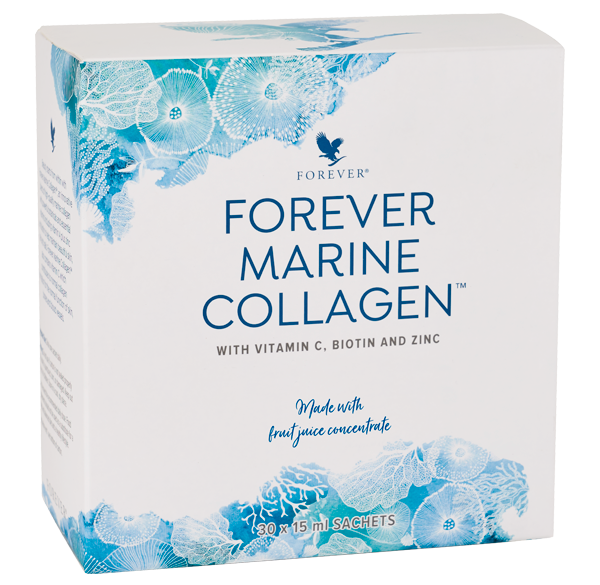 Forever Marine Collagen
A good fit when the goal is a routine for skin, hair, nails or joint-support habits.
Closest to a care routine for skin, hair or everyday personal care.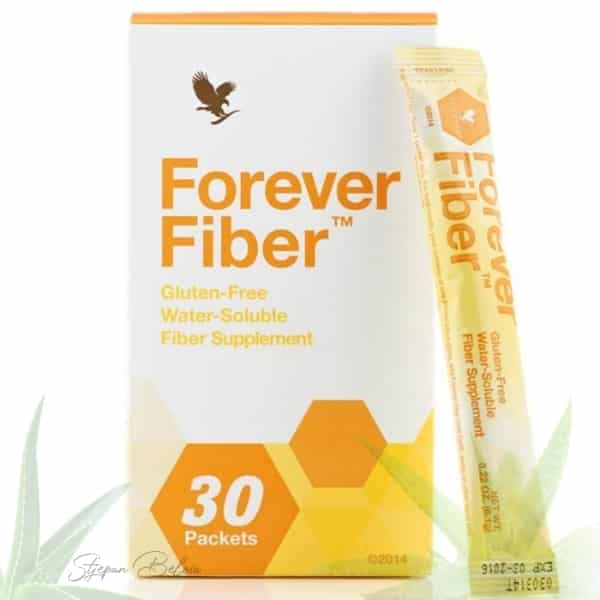 Forever Fiber - FIBER
A simple fiber add-on when you want digestion and satiety support during the day.
It fits topics such as appetite, portions, energy or a weight-management routine.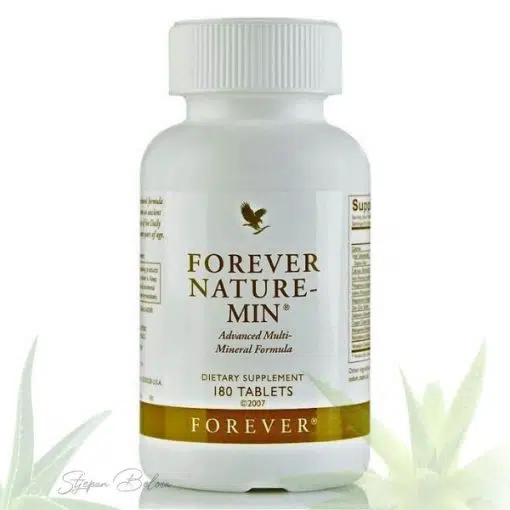 Forever Nature Min
Mineral support when you want an easier way to care for bones and daily nutrition.
Useful to compare when joints, bones or mobility are the topic.Copper: sources, absorption and safe dosage for a healthy body
Copper is a small mineral with a surprisingly large impact on your health. It is present in traces, but it participates in the creation of energy, blood, connective tissue and the protection of cells from oxidative stress. If you take in too little of it, fatigue, weaker blood count and neurological symptoms may occur. If you overdo it, you burden the liver and nervous system.
You may be wondering where the line is between enough and too much. Below you will see what the research says, how to cover the needs with food and when a copper supplement makes sense. The goal is clear: understand copper well enough to make safe, informed decisions for yourself and your family.
What is copper and why is it so important
Copper is an essential trace mineral. This means that we need very little of it, but without it, many enzymes cannot do their job. It is involved in the formation of red blood cells, collagen, skin and hair pigmentation, and in the functioning of the nervous system.
Copper is also important for the work of enzymes that participate in the conversion of food into energy and in the neutralization of free radicals. Copper-dependent enzymes help protect cells from oxidative stress, which is important for heart, brain and skin health, as detailed incopper nutritional guide.
This mineral also participates in iron metabolism. Without enough copper, iron cannot be used properly, which can contribute to anemia even if you are getting enough iron. That is why copper deficiency is sometimes hidden behind"stubborn"anemia that does not respond as expected to iron supplements.
How much copper do you need each day?
For most healthy adults, the recommended daily intake of copper is about 0.9 milligrams per day. About 1 milligram is recommended for pregnant women, and about 1.3 milligrams per day for lactating women. These numbers come from major peer reviews on minerals and nutrition, such as a comprehensive review published by the US Institute of Medicine that summarizes available studies on copper intake and body status.
The upper safe limit for adults is about 10 milligrams of copper per day, according to an expert fact sheet from the US Office of Dietary Supplements.Copper Health Professional Fact Sheet. Below this level, in healthy kidney and liver functioning individuals, toxic effects from food and standard supplements are not expected.
It is important to emphasize one thing. The average intake from a varied diet usually ranges between 1 and 1.6 milligrams per day, which covers the needs of most adults. The problem occurs more often in people with a very uniform diet, chronic intestinal diseases or after certain operations on the digestive system.
The best natural sources of copper
Animal sources of copper
The most concentrated sources of copper in the diet are offal, especially the liver. There are also crabs and shellfish, dark meat and some full-fat dairy products. These foods contain large amounts of copper in a small portion, so they are useful for people with increased needs, if they tolerate them well.
- Beef or chicken liver in a small portion once a week.
- Shrimp, crab or mussels combined with vegetables and whole grains.
- Dark poultry meat in moderate quantities several times a month.
For many people, these foods are not an everyday choice. If they are rarely on your menu, you are likely to get more copper from plant sources.
Plant sources of copper
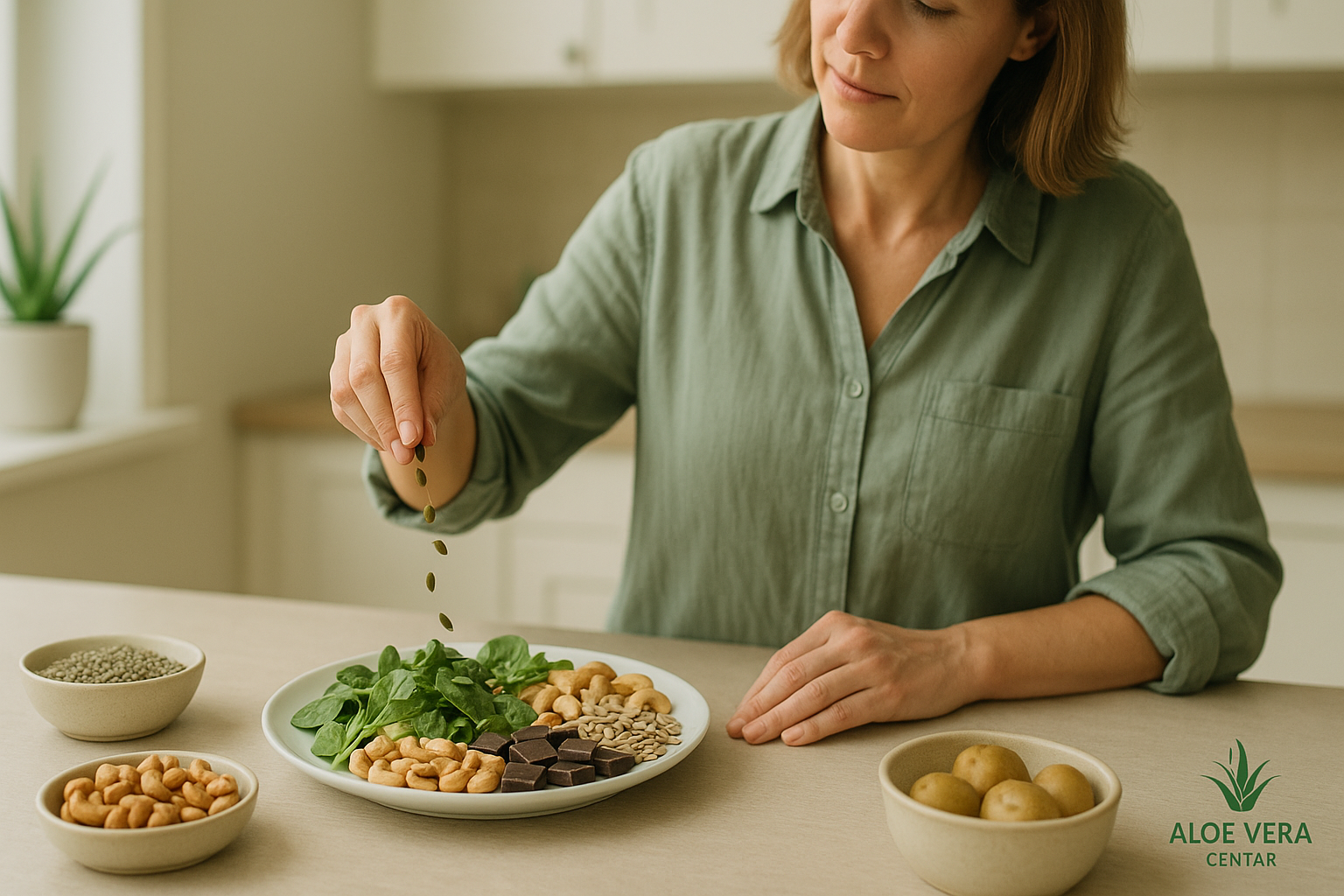
Plant sources of copper include nuts, seeds, legumes, cocoa and whole grains. At the same time, these foods provide fiber, magnesium and other micronutrients, so they support digestion and energy.
- Sunflower, sesame and pumpkin seeds as an addition to salads or soups.
- Nuts like almonds, hazelnuts and cashews as a snack.
- Lentils, chickpeas and beans in stews, salads or spreads.
- Cocoa powder and dark chocolate with a higher percentage of cocoa in smaller quantities.
Healthy sources of copper often overlap with foods rich in other minerals, which you can learn more about in the article onManganese. Such an approach to nutrition brings a synergy of several nutrients, rather than a focus on only one mineral.
What a day rich in copper can look like
Practical examples often mean more than tables. Imagine breakfast with oatmeal, ground flax seeds, a little cocoa and a handful of berries. For lunch, a plate of lentil stew with vegetables and olive oil. For dinner, baked potato in the crust, salad with pumpkin seeds and some chicken meat.
Such a day already covers the recommended intake of copper for most adults. In addition, it also brings a stable intake of fiber, quality carbohydrates, healthy fats and proteins. If you need a more detailed framework, you can be inspired by the practical guidelines from the article on how to compose a balanced onediet plan.
Copper absorption: what helps and what hinders
Copper is absorbed mainly in the small intestine. In healthy people, the body regulates quite well how much it will enter the blood and how much it will excrete. An important part is excreted through the bile, so how the body gets rid of the excess depends on the health of the liver.
The intake of some other nutrients can affect the absorption of copper. High doses of zinc in the form of supplements can reduce the absorption of copper and eventually lead to copper deficiency. This relationship is elaborated in more detail in the article on the balance betweenzinc and copper, where it is emphasized how important it is not to exaggerate with some at the expense of others.
Phytates from unprocessed grains and legumes can bind copper in the gut. Soaking, cooking and fermentation reduce the phytate content and facilitate mineral absorption. On the other hand, a balanced amount of vitamin C and antioxidants can help keep copper in the right form for transport and function, as part of the larger story of micronutrients and immune support covered in the article onvitamin D.
A healthy digestive system is essential for good absorption. Chronic inflammatory bowel disease, celiac disease, surgical removal of part of the stomach or intestines, and long-term diarrhea can significantly reduce copper intake and absorption, even if the diet appears"rich enough."
Copper deficiency: symptoms and who is at risk
Copper deficiency in healthy people on a varied diet is rare, but possible. It is more common in people after bariatric surgery, long-term parenteral nutrition or very restrictive diets. It also occurs in those who take high doses of zinc for a long time without expert supervision.
The classic"triad"of copper deficiency often includes anemia, low white blood cell counts, and neurological symptoms such as tingling, weakness, and gait disturbances, as detailed in a case analysis and review in a paper explainingclassic description of copper deficiency in the blood. Sometimes it is accompanied by immune disorders, more frequent infections and slower wound healing.
Symptoms progress slowly. Many interpret them as"fatigue from everyday life"or the result of a lack of iron, vitamin B12 or folate. That is why it is important that the diagnosis is conducted by a doctor who, in addition to the laboratory findings, will look at the wider picture of the diet, medicines and supplements you are taking.
Excess copper and toxicity: when it is too much
More copper is not always better. Acute copper poisoning can occur from accidental ingestion of copper salts, polluted water, or from rare intentional overdoses. Such conditions cause nausea, vomiting, abdominal pain and serious liver damage, which is described in detail in the expert review onreview of copper toxicity.
Chronic copper excess is more often the result of rare genetic diseases such as Wilson's disease. Then the body cannot excrete copper properly, so it accumulates in the liver and brain. These are conditions that require strict medical supervision and a special diet and therapy regimen.
In otherwise healthy people, the risk of excess copper most often comes from uncontrolled intake of supplements, especially if you combine several different preparations, multivitamins and so-called"detox"program. That is why it is recommended that the total intake from supplements and food does not exceed the upper safe limit defined by professional guidelines.
Copper in supplements: when it makes sense and when it doesn't
The basic recommendation is simple. First, try to cover the needs from food, and only then think about a copper supplement. For most people, a varied menu already provides about 1 milligram of copper per day, which is very close to the recommended intake.
Copper supplementation may make sense in confirmed laboratory deficiency, after bariatric procedures or in people with chronic malabsorption conditions. In these cases, the doctor determines the dose and duration of intake, often along with other minerals and vitamins.
For people who want to cover copper and other micronutrients through one product, a practical choice is a quality multivitamin. One such example is the pluginForever Daily, which contains more vitamins and minerals in balanced doses suitable for daily use with a normal diet.
If you are looking for a combination of minerals, including copper in smaller amounts, you can also consider multi-mineral formulas like the productForever Nature Min. Such products can be a support when your diet is occasionally more monotonous, but they do not replace varied meals.
You are not sure if you need a copper supplement or if it is enough to adjust your diet. A personalized approach can help you in this, so you can use oursAI advisor for choosing plugins and products, which will suggest options tailored to your situation based on your answers.
Copper, antioxidants and synergy with aloe
Copper is part of enzymes that neutralize free radicals. It protects cells from damage that accelerates aging and contributes to various chronic diseases. But copper is not the only player in this story. There are also vitamins C and E, polyphenols, carotenoids and other phytonutrients.
Aloe vera is rich in a series of protective compounds that complement the role of copper in cell protection, which you can read in more detail in the article aboutantioxidant properties of aloe. When you combine a varied diet, quality supplements as needed and smart skin care with aloe, you support the protection of the organism on several levels at once.
It is important to emphasize balance. Neither too little nor too much copper is good. The key is in moderate doses from food and a targeted supplement when there is a justified reason for it and the recommendation of an expert.
New Research: Copper and Cognitive Health
Recent analyzes of dietary habits and cognitive tests in older adults suggest that adequate copper intake may play a role in preserving cognitive function. One study of an elderly population showed that people with copper intake close to or slightly above the recommended daily intake had better results on tests of memory and attention.
Research published in 2025 analyzed dietary habits and cognitive test scores and showed a potential link between moderate copper intake and better cognitive performance, especially in people after stroke, as a review of the results in a recent article on copper and cognitive health summarizes. It is important to emphasize that this is observational data, so causality cannot be concluded, but the finding additionally confirms that no mineral should be neglected.
Frequently asked questions about copper
How much copper can I safely take from supplements?
For most adults, a total intake from food and supplements of up to about 10 milligrams per day is considered the upper safe limit. Most standard multivitamins contain about 1 milligram of copper, which is in line with recommendations. If you are already taking several different preparations, it is good to add up the total intake and, if necessary, consult a doctor.
How do I know if I have a copper deficiency?
Symptoms of copper deficiency are non-specific. They include fatigue, paleness, frequent infections, tingling in the hands and feet, or trouble walking. The doctor makes the diagnosis based on laboratory findings and the entire medical history. Self-administration of larger doses of copper"just in case"is not recommended.
Can I combine copper and zinc in food supplements?
Zinc and copper are closely related. Long-term intake of high doses of zinc can"drive"copper out of the body and lead to deficiency. This is why zinc and copper are found in a balanced ratio in quality supplements. If you are taking higher doses of zinc for special reasons, be sure to talk to your doctor about monitoring your copper status.
Should copper be especially careful during pregnancy?
Copper needs increase slightly during pregnancy, but are usually covered by a varied diet and standard prenatal multivitamins. Excessive intake of supplemental copper beyond recommended doses can be harmful. That is why all supplements during pregnancy should be agreed with a gynecologist or nutritionist.
Bottom line: how to manage your copper intake wisely
Copper is a small but crucial piece of the puzzle of your health. It participates in the creation of energy, blood, collagen, skin and hair pigment, and in the protection of cells from oxidative stress. Too little copper can lead to anemia and neurological symptoms, while too much puts a strain on the liver and other organs.
The first step is always a varied diet rich in nuts, seeds, legumes, whole grains and occasional servings of offal or seafood. Only if the diet or the state of health do not allow covering the needs, it makes sense to consider targeted supplementation with professional supervision.
If you want to further personalize your access to micronutrients, you can use digital tools and advisors, monitor how you feel week by week and, with expert support, gradually adjust your diet and supplements. Thus, copper becomes another element of well-planned health care, rather than a source of concern.
For inspiration on how modern technology and artificial intelligence are used to build a global online business, read the articleHow this couple is building a global business with AI and working 95% online.
Note: This article is for informational purposes and does not constitute medical advice. Do not use it as a substitute for diagnosis or therapy. To assess your health condition, the need for nutritional supplements or changes in therapy, always consult your doctor, pharmacist or other qualified professional.
Products most closely related to this topic
If you want to compare concrete options after reading, these products are the closest match to the article topic.
Forever Marine CollagenA good fit when the goal is a routine for skin, hair, nails or joint-support habits.
Closest to a care routine for skin, hair or everyday personal care.Forever Fiber - FIBERA simple fiber add-on when you want digestion and satiety support during the day.
It fits topics such as appetite, portions, energy or a weight-management routine.Forever Nature MinMineral support when you want an easier way to care for bones and daily nutrition.
Useful to compare when joints, bones or mobility are the topic.Short answers that help
If you are still comparing options, these are the points worth checking before you continue.
What should I take from this article?
Use it to understand the topic in practical terms and compare it with your current routine, needs and next step.
When does it make sense to ask for a recommendation?
Ask when the topic feels relevant, but you are not sure which Forever Living Products product or routine fits you best.
Does this article replace professional advice?
Copper: sources, absorption and safe dosage for a healthy body is educational content. For medical conditions, medication, pregnancy or persistent symptoms, include qualified professional advice.
Describe what you want to achieve
If you do not know which product to choose, write your goal, habits or doubts and get a more concrete suggestion.
Recommended products
Related articles to keep exploring