The key points from this article
- Avocado oil and coconut oil: which is better for cooking and cold applications?
- Avocado oil i coconut oil two are the stars of the modern kitchen, but which is the smarter choice for pan, oven and salad dressing?
- For a personal choice, continue with a recommendation after reading.
Products most closely related to this topic
If you want to compare concrete options after reading, these products are the closest match to the article topic.
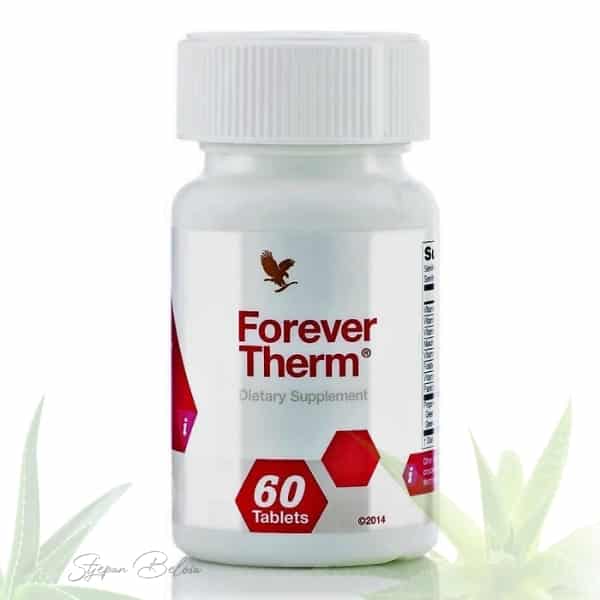 Forever Therm
Worth considering when you want energy support inside a weight-management routine.
It fits topics such as appetite, portions, energy or a weight-management routine.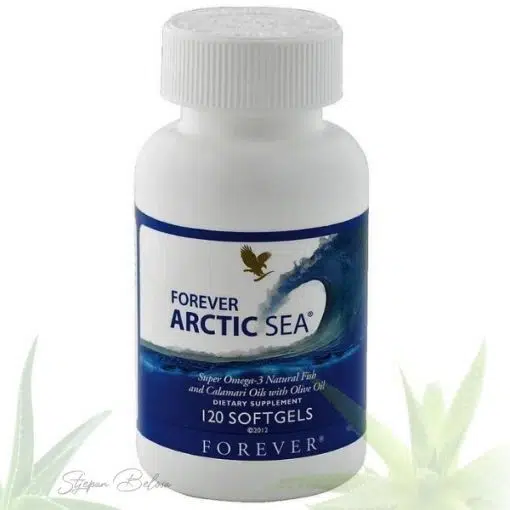 Arctic Sea Omega
A supplement for energy, heart and circulation routines when you want longer-term daily support.
Useful to compare when you are looking for energy, focus or vitality support. Forever Bee Honey
Natural daily support when you want a bee-derived or botanical product for energy and resilience.
A good comparison if you want natural daily support and a calmer ritual.Avocado oil and coconut oil: which is better for cooking and cold applications?
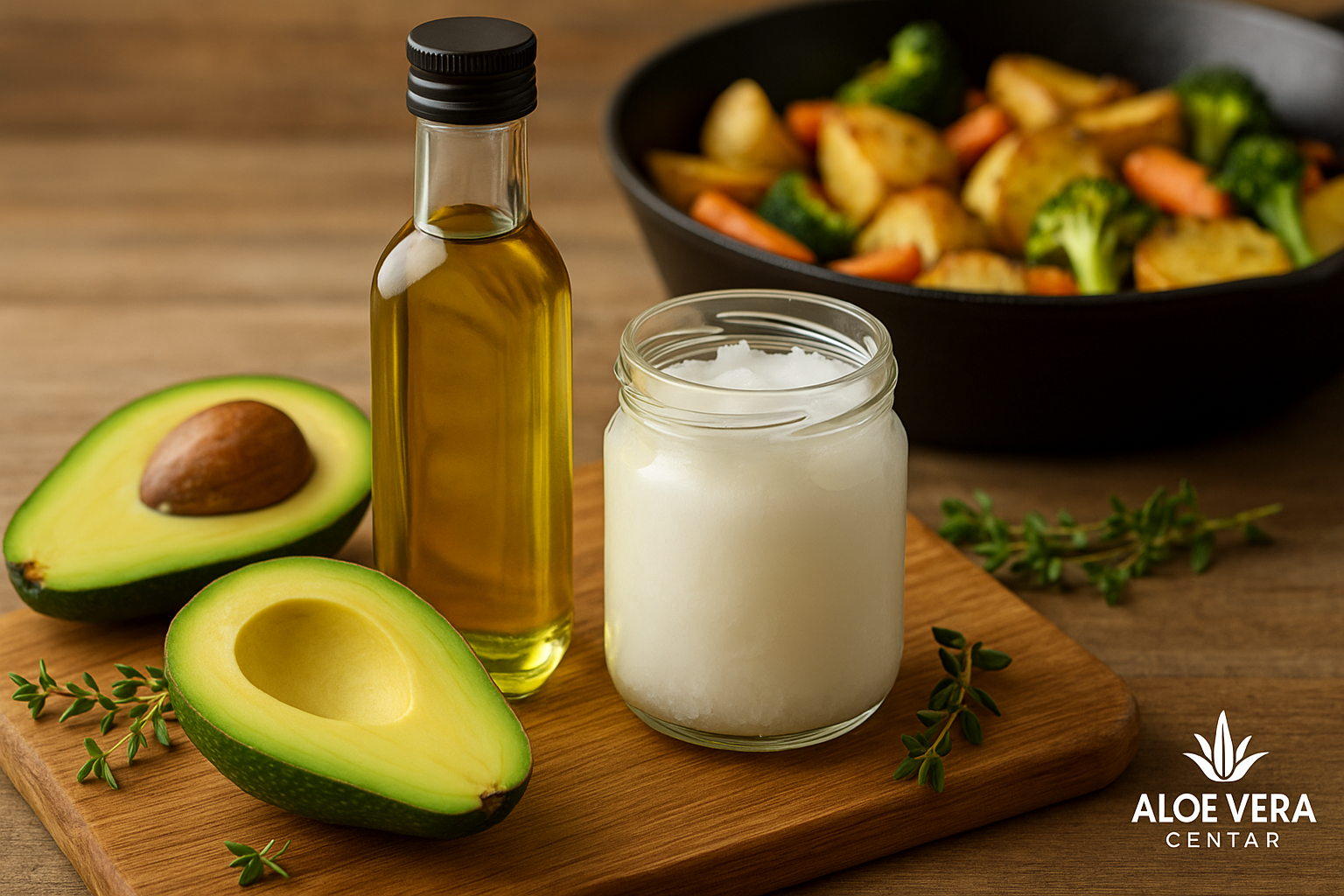
Avocado oil i coconut oil two are the stars of the modern kitchen, but which is the smarter choice for pan, oven and salad dressing? You might be wondering why there are so many different tips about it. Here's the thing: different fatty acid profiles, smoke points and flavors make these oils better in different situations. Below, you'll get a clear, practical guide you can apply today, along with recipes, a quick comparison chart, and expert advice. Sound too good to be true? Continue reading.Quick answer for the impatient
- For high temperatures like baking and frying for a short time, it does better avocado oil due to its very high smoke point and stable monounsaturated fat.
- For medium temperatures and dishes where you want a mild coconut flavor, coconut oil can be a great choice.
- For cold application such as salads, spreads and smoothies, choose according to taste and purpose. For a more neutral,"olive-like"profile and more monounsaturated fats, there is an advantage avocado oil. For a creamy texture and an exotic note, reach for coconut oil.
Comparison table at a glance
| Feature | Avocado oil | Coconut oil |
|---|---|---|
| Typical fats | Mostly monounsaturated (oleic) | Mostly saturated (Laurinska and others) |
| Smoke point | Very high for refined, high to medium for extra virgin | Medium to high in refined, medium in virgin |
| Taste | Mild, nutty, neutral | Creamy, coconutty, pronounced |
| Cold applications | Toppings, spreads, mayonnaise, marinades | Makes spreads, healthy desserts, coffee and smoothies creamy |
| Thermal stability | Very good thanks to the MUFA profile | Good, but choose the quality and time of exposure to heat |
| Nutritional highlights | Natural vitamin E, phytosterols, lutein | Medium-chain fatty acids, saturated fats |
Why the smoking point is important and how it affects health
When the oil exceeds its smoking point, begins to break down and create compounds that can impair the taste and quality of food. For cooking at higher temperatures, look for oils with a higher smoke point and a stable fat profile. Avocado oil often wins here, especially in refined form. But that's not all. It is also important fatty acid profile because polyunsaturated fats oxidize faster at high heat, while monounsaturated fats are more stable.Fat Profile: MUFA vs. Saturated Fat
Avocado oil it is rich monounsaturated fats (especially oleic), which are associated with good cardiovascular outcomes and cooking stability. Coconut oil it is rich saturated fats so it is wise to use it in moderation, especially if you have elevated blood fats. According to some review articles and expert advice, saturated fat can raise LDL cholesterol, while replacing some saturated fat with unsaturated fat can be beneficial for the heart. If you are interested in a broader story about fats, be sure to read our guide on omega 3 fatty acids.Thermal stability in practice
Laboratory cooking is rarely done in the kitchen. That is why the practical rule is the following: for baking in the oven i quick frying choose avocado oil because it can withstand higher temperatures and is neutral. For sautéing on medium heat or dishes where you want a coconut flavor, coconut oil can be a great choice. Do you want minimal loss of nutrients? Take a look at the tips for cooking at low temperatures and extend the"health life"of your ingredients.Cold applications: dressing, spread and fine final gloss
For cold dressings i spreads where you want a mild, nutty profile, avocado oil is almost unbeatable. It goes great with lemon, mustard and herbs. If you like tropical aroma and creamy texture, coconut oil can liven up energy balls, granola or"bullet"coffee. A good tip is to combine oils depending on the recipe and the goal of the meal. Need ideas? Get inspired by ours healthy recipes proposals.Taste and culinary style
Avocado oil it's neutral to slightly nutty so it won't take over the dish, making it ideal when you want vegetables, spices or proteins to dominate. Coconut oil gives a pronounced, sweet-coconut charm. Do you like Asian, tropical or"comfort"desserts? It shines there. But if you want crispy baked potatoes or fish without additional smell, avocado oil will be a more discreet ally. For the oven, try our recipe concept with healthy potatoes approach and choose the oil according to the target taste.Nutritious little things that make a difference
Extra virgin avocado oil may contain vitamin E, phytosterols i lutein, pigments associated with antioxidant support. If the"antioxidant shield"is important to you in your diet and care, take a look at our review antioxidant properties of aloe - you will get a broader picture of how to combine foods and natural supplements in your routine.How much heat is too much heat
Regardless of the oil, avoid long-term frying and reusing the same fat. This creates undesirable oxidation products and spoils the taste. If you bake at higher temperatures, limit exposure time, stir occasionally and choose more stable oils. A smart addition to the menu are dishes without frying, such as wok sautéing, baking on paper or slow braising. Need ideas for light, filling plates? Jump to ours Low carb meals suggestions.How to buy quality oil
- Look for clearly marked terms such as"extra virgin"or"cold pressed"for cold applications, and"refined"when you plan higher temperatures.
- Choose dark glass bottles for more sensitive oils and store them in a cool, dark place.
- Check the deadline and smell. You will recognize rancidity by its sharp, unpleasant smell and bitter taste.
A practical guide: which one is better for your goals
1. For the heart and"good cholesterol"
When choosing fats for everyday use, it is beneficial to rely more on unsaturated fats. Avocado oil naturally leads to this. Use coconut oil targeted - for taste or texture - and not as a main source of fat if you have elevated lipids.2. For high temperatures and the oven
Refined avocado oil is often the first choice. It is also a good practice to rotate the techniques: bake at medium high, finish with a short"browning", and at the end add fresh oil or dressing for flavor.3. For cold dressings, spreads and desserts
Avocado oil provides a neutral base and allows the spices to shine. Coconut oil adds creamy fullness and a slight dessert twist. If you want new ideas, do your research cooking with superfoods for quick, nutritious combinations.3 quick recipe concepts to test at home
- Baked sweet potato with avocado oil - cut into slices, cover with avocado oil, add salt, add smoked paprika and bake until caramelized. Serve with Greek yogurt and lemon.
- Coconut energy balls without baking - mix coconut oil, oats, coconut crumbs, a little cocoa powder and honey. Shape and cool briefly. Great before or after training.
- Salad dressing with avocado oil - avocado oil, lemon, mustard, a pinch of salt and pepper. Shake in a jar and pour over the mixed salad with tuna and boiled egg.
How to cleverly combine oils with the entire menu
There doesn't have to be an either-or. You can have avocado oil as a base for hot cooking, a coconut oil for specific flavors and cold desserts. What about omega-3 intake? They are very sensitive and it is not recommended to heat them. Instead, let them come from fish, chia seeds, flax seeds, or a quality dietary supplement. If you're looking for a proven option, check it out Forever Arctic Sea Omega and introduce them as a cold addition to the meal, never on the pan.The most common mistakes when using oil
- Overheating - if the oil smokes, the temperature is too high.
- Frying too long - shorten the time on the fire, and build the flavor with spices and fresh ingredients.
- Wrong oil for the wrong task - use more stable oils for high temperatures, and aromatic oils for cold finishing strokes.
How to incorporate oils into your lifestyle without excess calories
Fats are filling, but also caloric. It's a good idea to plan your meals in advance and have healthy options ready to avoid over-drinking oil. For quick menu organization and a dose of culinary inspiration, use our ideas from the chapter healthy recipes. Want to further simplify your week? A glass of water before eating can help control appetite - more on that in the text water with lemon.Examples of application in different situations
If you train after work
For a quick"post-workout"meal, chicken in a wok with a little avocado oil, with vegetables and brown rice is great. For dessert or a snack, energy balls with coconut oil provide a pleasant texture and a dose of energy.If you eat according to the low-carb principle
Add avocado oil and herb dressing to salads. For breakfast, try"coconut pancakes"with almond flour. More ideas are waiting for you in the column Low carb meals.Professional references and further reading
For added credibility, it's helpful to read review articles and guides. For example, findings on saturated and unsaturated fats and their impact on cardiovascular health often highlight the benefit of replacing some of the saturated with unsaturated. You can find good popular science summaries on sites like Healthline about avocado oil or WebMD on Coconut Oil.Frequently asked questions
Is coconut oil bad for cholesterol?
Coconut oil contains more saturated fat, so it can raise LDL cholesterol in some people. If you have elevated fats, use it in moderation and choose oils rich in unsaturated fats, such as avocado oil, more often.Can I fry in avocado oil every day?
You can use it often, especially because of its good thermal stability. However, reduce frying to shorter intervals and combine it with baking, stewing and cold preparations to reduce oxidation and intake of unnecessary calories.Which oil is better for dessert recipes?
Coconut oil gives a creamy, slightly sweet note and is often the first choice for healthy no-bake desserts. If you want a more neutral profile, avocado oil will be a better choice.How to store oils so that they last as long as possible?
Keep them away from sources of heat and light, tightly closed. For more sensitive oils, choose dark glass. If you notice rancidity, it is better to change the oil.Bottom line: it's smart to have both
If you are looking for universality and stability at higher temperatures, avocado oil it will probably end up in your pan more often. If you like a creamy texture and distinctive taste in desserts and spreads, coconut oil is your"ace up your sleeve". The best result comes from a combination, good technique and smart meal planning. Do you want personalized suggestions according to your goal and health profile? In a few clicks use our AI advisor and get a plan that follows the rhythm of your day. If you are ready to try proven supplements in a cold application, you can easily when ordering get a 15% discount. Note: This article is for educational purposes and is not a substitute for professional medical advice. If you have specific health conditions or are taking therapy, consult your doctor or nutritionist.Products most closely related to this topic
If you want to compare concrete options after reading, these products are the closest match to the article topic.
Forever ThermWorth considering when you want energy support inside a weight-management routine.
It fits topics such as appetite, portions, energy or a weight-management routine.Arctic Sea OmegaA supplement for energy, heart and circulation routines when you want longer-term daily support.
Useful to compare when you are looking for energy, focus or vitality support.Forever Bee HoneyNatural daily support when you want a bee-derived or botanical product for energy and resilience.
A good comparison if you want natural daily support and a calmer ritual.Short answers that help
If you are still comparing options, these are the points worth checking before you continue.
What should I take from this article?
Use it to understand the topic in practical terms and compare it with your current routine, needs and next step.
When does it make sense to ask for a recommendation?
Ask when the topic feels relevant, but you are not sure which Forever Living Products product or routine fits you best.
Does this article replace professional advice?
Avocado oil or coconut oil - what to choose for cooking and dressings? is educational content. For medical conditions, medication, pregnancy or persistent symptoms, include qualified professional advice.
Describe what you want to achieve
If you do not know which product to choose, write your goal, habits or doubts and get a more concrete suggestion.
Recommended products
Related articles to keep exploring