The key points from this article
- Sauna and cold: hormetic stress smart, an integrative view Sauna and cold are increasingly popular as a duo that boosts energy, accelerates recovery and builds resista...
- You may be wondering why anyone would deliberately expose themselves to extreme heat and cold?
- For a personal choice, continue with a recommendation after reading.
Products most closely related to this topic
If you want to compare concrete options after reading, these products are the closest match to the article topic.
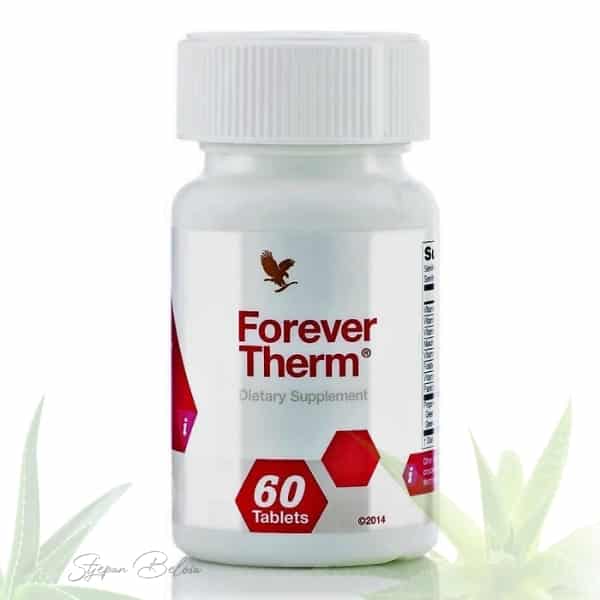 Forever Therm
Worth considering when you want energy support inside a weight-management routine.
It fits topics such as appetite, portions, energy or a weight-management routine.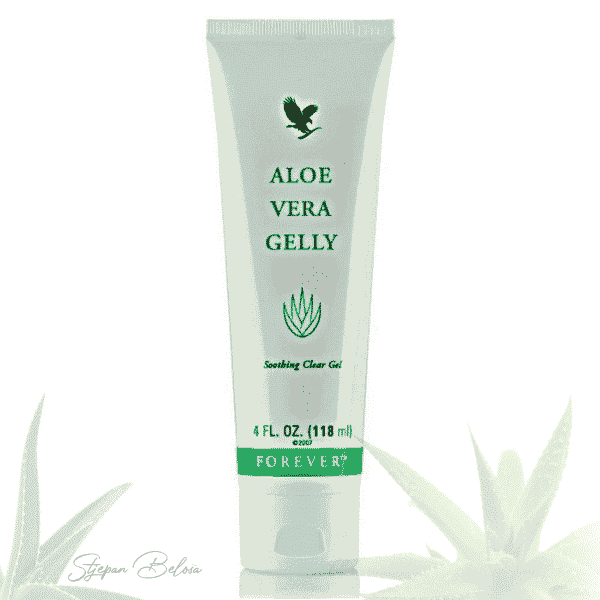 Aloe Vera Gelly
A practical outer-care product when the goal is skin comfort and a simpler care routine.
Closest to a care routine for skin, hair or everyday personal care.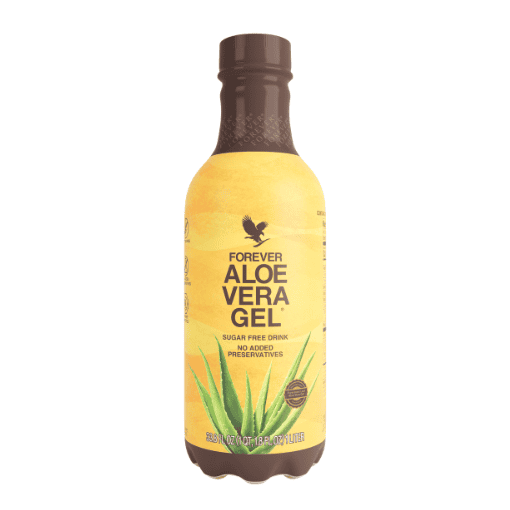 Aloe Vera Gel
A daily aloe drink for people who want simple support for digestion and routine.
It makes sense if you are looking at the topic through digestion and a simpler daily routine.Sauna and cold: hormetic stress smart, an integrative view
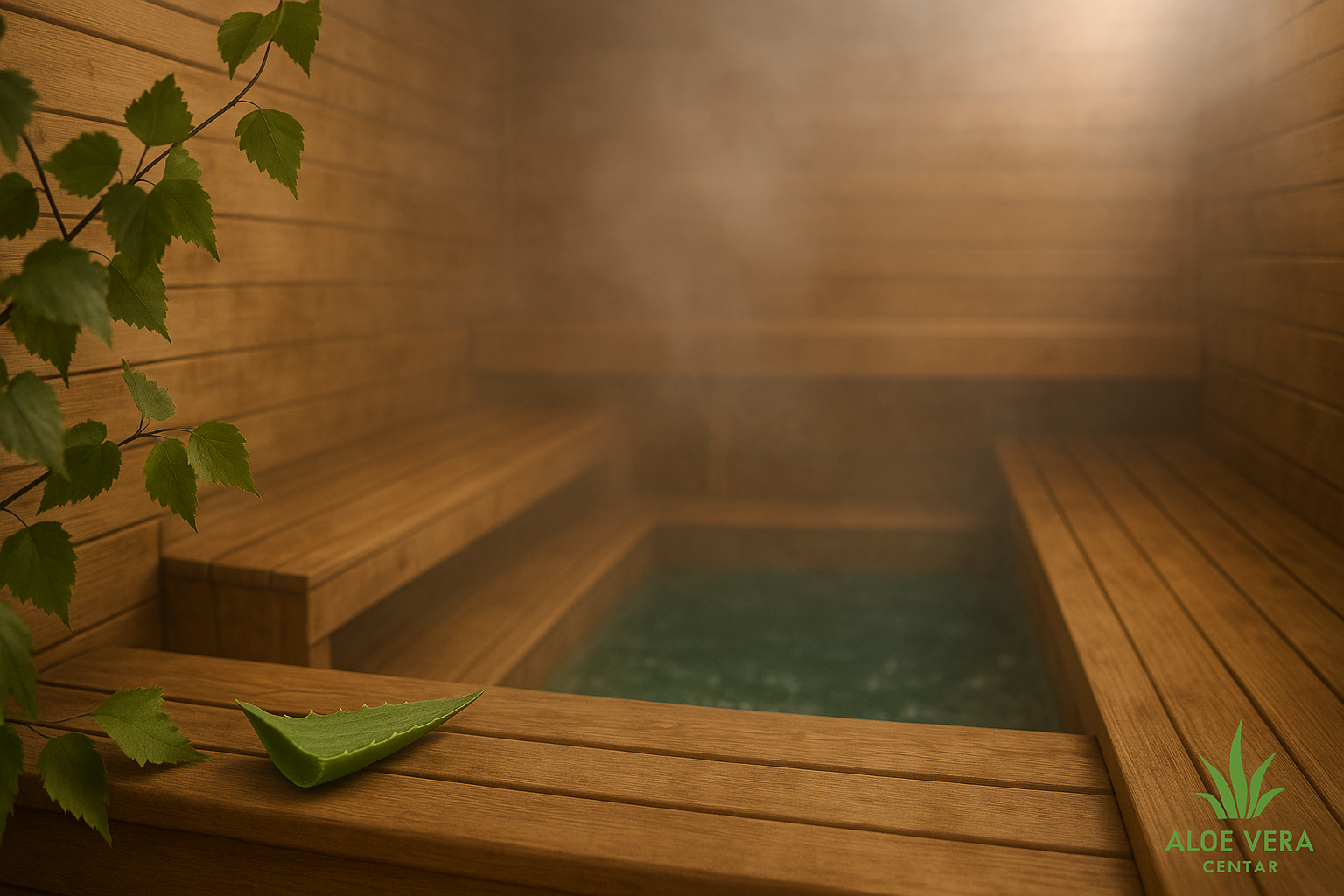
Sauna and cold are increasingly popular as a duo that boosts energy, accelerates recovery and builds resistance to everyday stress. You may be wondering why anyone would deliberately expose themselves to extreme heat and cold? Here's the thing: short, well-dosed stimuli trigger adaptive processes in the body. The result is better stress regulation, a stronger cardiovascular system and clearer focus. Below, the guide takes you through precise protocols, safety guidelines, and small rituals that produce big results.What is hormetic stress and why does it work
Hormetic stress is a concept according to which small doses of stress they encourage the body to make useful adjustments. The heat from the sauna and immersion in the cold water act as"mini trainings"for the nervous and circulatory system. A short increase in temperature or a sudden drop in temperature stimulates the secretion of adrenaline and noradrenaline, the formation of protective heat shock proteins, the improvement of microcirculation and the fine regulation of inflammatory pathways. Sound too good to be true? Continue reading.Sauna heat: what you get
Regular use of a dry Finnish sauna is associated with a lower risk of cardiovascular events and lower overall mortality in a large Finnish cohort. More weekly departures and longer sessions correlated with better outcomes in that study, albeit with observational data limitations. Read the summary of this one Finnish sauna and mortality studies. In addition to epidemiological data, a review of clinical and experimental research indicates the effects of heat on lowering blood pressure, better endothelial function and less stiffness of arteries. It is shown in detail in evidence review in Mayo Clinic Proceedings. In short, the sauna raises the pulse, dilates the blood vessels and causes sweating. If you do gradually and regularly, the body learns to regulate temperature more efficiently, and you get more relaxed nerves and"lighter"legs. But that's not all. Regular warmth often improves the quality of sleep because it calms the sympathetic nervous system and helps you fall asleep faster.Cold exposure: benefits and limits
A short immersion in cold water activates brown adipose tissue and thermogenesis, which can increase energy expenditure and sensitivity to cold. The mechanism has been documented in human studies, for example in research on the activation of brown adipose tissue. Safety comes first, especially for people with cardiovascular disease or untreated hypertension. It is good to read before entering the ice bath ice bath safety recommendations. Coldness can be a powerful tool for mental clarity and resilience. You might be wondering why? Immersion creates a short"storm"of catecholamines, and after exiting there is a pleasant lowering of tension. It is precisely this contrast of feelings that develops psychological endurance.Contrast therapy"sauna + cold": a smart structure
How hot and for how long? For most, 80 to 90 °C in the sauna and 10 to 15 minutes per circuit, with 1 to 2 minutes of cold immersion, is suitable. But the key to success lies in progression, not in heroism. Let's look at the protocols.Protocol for beginners
- 1st week: 8 to 10 minutes of sauna, 20 to 30 seconds of shade, 2 rounds. Finish with a warm, lukewarm shower.
- 2nd week: 10 to 12 minutes of sauna, 30 to 45 seconds of shade, 2 to 3 rounds. Breathe calmly, avoid forcing.
Intermediate level
- 3rd to 4th week: 12 to 15 minutes of sauna, 45 to 60 seconds of shade, 3 rounds. If you want daytime focus, finish cold.
- Add a sit-up with your feet above heart level for 2 to 3 minutes after the last circuit to relieve circulation.
Advanced level
- 15 minutes of sauna, 60 to 120 seconds of shade, 3 to 4 rounds, with 3 to 5 minutes of rest between rounds. Only for people with good experience and no contraindications.
- For better sleep, finish the last round with a warm and lukewarm shower. For alertness, finish with a cool down and walk for 5 minutes.
Real life, real security
People with uncontrolled blood pressure, cardiac arrhythmias, acute infections, pregnancy or recent syncope should consult a doctor before starting. If you experience dizziness, nausea, chest tightness or headache, stop. Here's another quick guideline: from the sauna slowly in the cold, never running, and never unattended if you are a beginner.Cold right after the gym? Not always a good idea
A regular ice bath immediately after strength training can reduce hypertrophy and strength gains compared to active recovery. This is also shown by the intervention study that showed weaker hypertrophic results. The bottom line is clear: cold is great for mental focus or after endurance, but after strength training, save it for later in the day or the next morning.Hydration and electrolytes: small details, big difference
Heat increases sweating, and thus the loss of sodium, potassium and chloride. This can cause fatigue, headaches and cramps. If you want to prevent a drop in performance and"sauna hangover", get to know the importance of electrolytes. How much to drink and when? As a rule, 300 to 500 ml of water 30 minutes before the sauna, 150 to 250 ml between rounds and 400 to 600 ml after. If you have sweated more, add a source of electrolytes. Use the tips from the article on how to look reasonable rehydration during training.Skin, barrier and aloe: how to prevent drying
Heat and cold can temporarily damage the protective lipid layer of the skin. After the shower, gently wipe the skin, while it is still a little damp, apply a gel or emulsion without irritants. Pure aloe helps here because it cools, soothes and hydrates without a heavy film. If you need SOS care, consider a preparation like Aloe Vera Gelly. In addition to hydration, the skin also needs antioxidants that"extinguish"free radicals caused by temperature stress. Read a quick guide on what they are antioxidant properties of aloe.Stress hormones under control
Contrast therapy can reduce perceived stress and improve stress tolerance, but it does not address the cause of chronically elevated cortisol. If you are interested in how plant adaptogens and sleep routine support recovery, take a look at the article stress and cortisol.Personalization: customize the protocol to yourself
The plan doesn't have to be complicated, but it should be yours. If you want someone to"put together"a routine according to age, goals and health profile, use ours AI advisor and you will receive a suggested duration, temperature and frequency with safety notes.A weekly plan that works
Beginners: 2 to 3 sessions per week, 2 to 3 rounds each. Intermediate level: 3 to 4 sessions per week. Advanced: 4 to 5 shorter sessions or 3 longer ones, depending on mental and physical fitness. Aim for a total of 40 to 60 minutes per week in the sauna and 8 to 15 minutes per week in the cold spread out through short dips. In addition, include 1 day without intense stimuli to allow the body to reset.The most common mistakes and how to avoid them
- Skipping water and salt: leads to headaches and cramps. Always plan for fluids.
- Dives too long: cold is a strong stimulus, and overdoing it reduces the benefit and increases the risk.
- Cold immediately after weights: bad for hypertrophy. Leave a gap of at least a few hours.
- Competition with yourself: the goal is adaptation, not a record.
Nutritional friends of the protocol
Omega 3 is also important for a healthy cardiovascular system. In consultation with your doctor, you can consider a supplement that combines EPA and DHA, for example Forever Arctic Sea Omega, as part of wider care for the heart and blood vessels.Frequently asked questions
How many rounds are enough for me to feel the benefits?
For most, 2 to 3 rounds per session strikes a good balance between performance and safety. Start modestly, increase gradually and monitor how you feel hours after the session.Is it better to finish cold or warm?
For morning focus and alertness, finish cold. For evening calm and sleep, finish warm with a lukewarm shower. Experiment and record how you sleep.Can I use the sauna if I have high blood pressure?
If the pressure well controlled and you have no other contraindications, many people can use the sauna, but only with the prior consent of a doctor and with a gradual protocol. If you feel dizzy, stop.How to combine sauna and training?
After endurance, the sauna often relaxes and speeds up recovery. After strength training, skip the cold immediately afterwards and shorten the sauna, or do it another day.Conclusion
In summary,"sauna + cold"is a powerful but simple strategy for a more resilient body and a calmer mind. The key is dosage, safety and regularity. Start slowly, monitor your pulse and blood pressure, drink enough fluids and take care of your skin. If you want to further speed up decisions, save time and get personalized guidance, you can always take advantage of the special 15% discount when ordering verified products and support tools. For inspiration on how modern technology and AI are used to build a global online business, read the article How this couple is building a global business with AI and working 95% online. Note: This content is for educational purposes and is not a substitute for professional medical advice. If you have a medical condition, are taking therapy, or are pregnant, consult your doctor before using any heat or cold protocol.Products most closely related to this topic
If you want to compare concrete options after reading, these products are the closest match to the article topic.
Forever ThermWorth considering when you want energy support inside a weight-management routine.
It fits topics such as appetite, portions, energy or a weight-management routine.Aloe Vera GellyA practical outer-care product when the goal is skin comfort and a simpler care routine.
Closest to a care routine for skin, hair or everyday personal care.Aloe Vera GelA daily aloe drink for people who want simple support for digestion and routine.
It makes sense if you are looking at the topic through digestion and a simpler daily routine.Short answers that help
If you are still comparing options, these are the points worth checking before you continue.
What should I take from this article?
Use it to understand the topic in practical terms and compare it with your current routine, needs and next step.
When does it make sense to ask for a recommendation?
Ask when the topic feels relevant, but you are not sure which Forever Living Products product or routine fits you best.
Does this article replace professional advice?
Sauna and cold: smart hormetic protocols for strength and health is educational content. For medical conditions, medication, pregnancy or persistent symptoms, include qualified professional advice.
Describe what you want to achieve
If you do not know which product to choose, write your goal, habits or doubts and get a more concrete suggestion.
Recommended products
Related articles to keep exploring