
The key points from this article
- Rowing, swimming or running – three classic cardio choices that increase endurance, burn calories and boost heart health.
- But which one is best for you, your schedule and your body?
- For a personal choice, continue with a recommendation after reading.
Products most closely related to this topic
If you want to compare concrete options after reading, these products are the closest match to the article topic.
 Aloe MSM Gel
A practical outer-care product when the goal is skin comfort and a simpler care routine.
Closest to a care routine for skin, hair or everyday personal care. Aloe Vera Gel
A daily aloe drink for people who want simple support for digestion and routine.
It makes sense if you are looking at the topic through digestion and a simpler daily routine.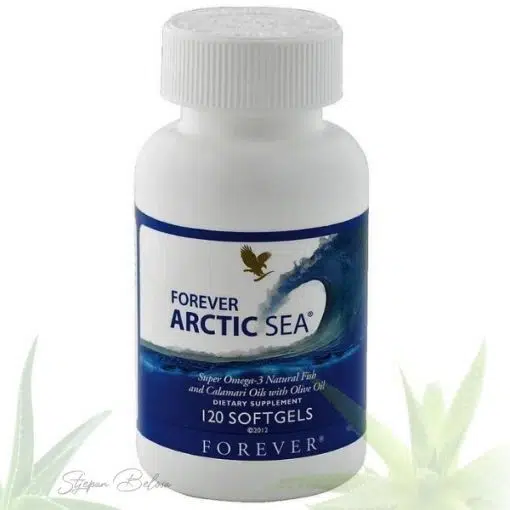 Arctic Sea Omega
A supplement for energy, heart and circulation routines when you want longer-term daily support.
Useful to compare when you are looking for energy, focus or vitality support.Rowing, swimming or running: the benefits of each cardio sport
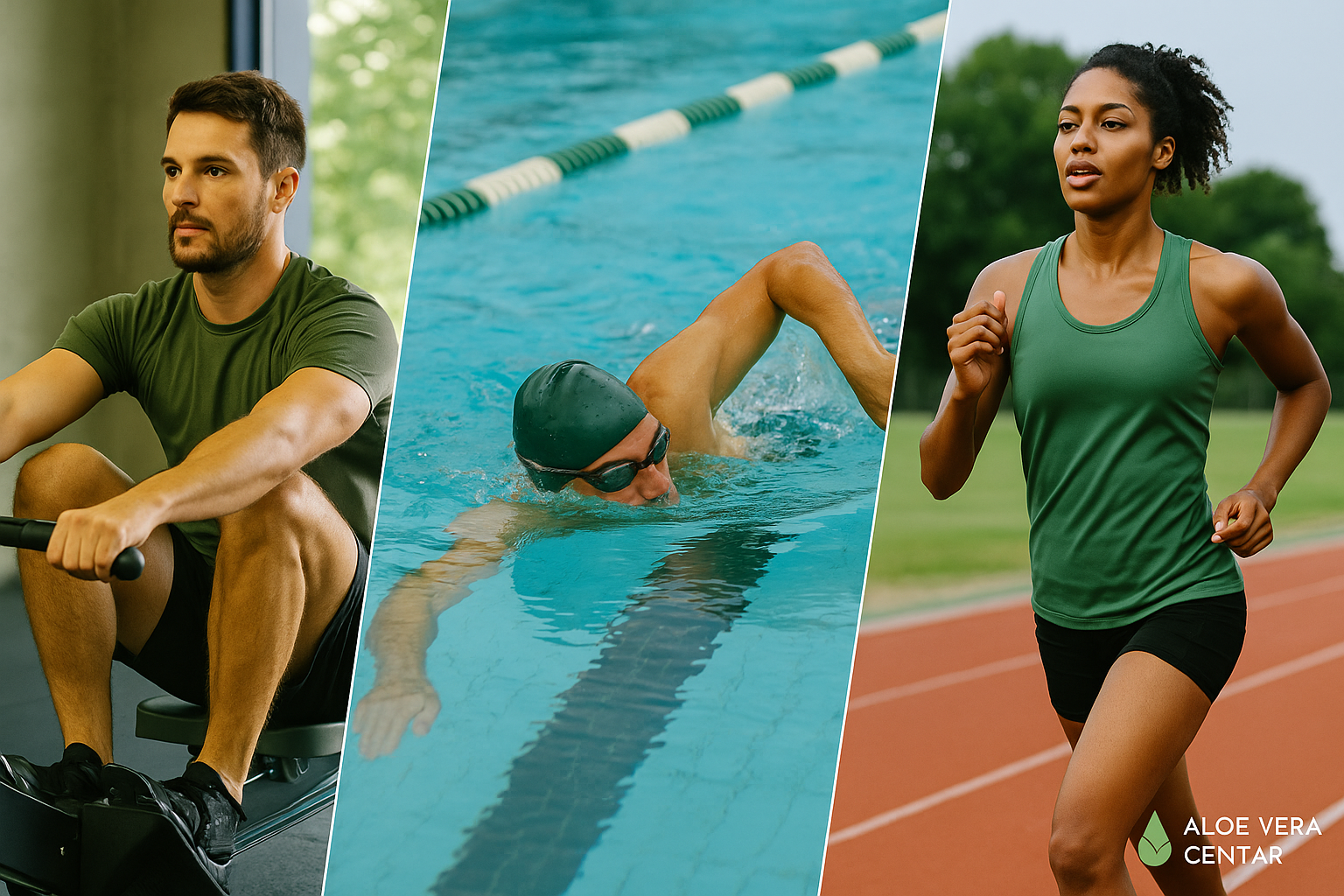
Rowing, swimming or running – three classic cardio choices that increase endurance, burn calories and boost heart health. But which one is best for you, your schedule and your body? You might be wondering why one friend can't stop bragging about the miles he racks up in sneakers, while another glows after every pool.Here's the thing: each of these sports has specific benefits and risks, and the right answer is almost always a personalized combination. In the following, you will find out how they work, who they are most suitable for, how to combine them smartly and how to support recovery.
Why cardio at all and how to choose
Cardio activity strengthens the heart and lungs, improves insulin sensitivity and helps regulate body weight and mood. Guidelines for adults recommend approx 150 minutes of moderate or 75 minutes of high intensity per week, with 2 days of strength training. If you are a beginner, start slowly and focus on consistency.
Want to know how much water and electrolytes you need during activity? See the practical guide forrehydration during training and find out how to adjust your fluid intake.
Rowing: total body cardio for a strong posture
It's rowing low impact cardio that simultaneously activates the legs, core and back. For many adults who sit a lot, it's the right balance – you build posterior chain strength and improve posture. Sound too good to be true? Continue reading.
Key benefits of rowing
- High energy consumption because it works the whole body and you easily scale the resistance.
- Less stress on the joints compared to running, suitable for overweight or after a break.
- Better posture and strong back due to the dominant work of extensors and shoulder blades.
- Flexible intensity – from a light rhythm to high intensity intervals.
How to perform a good stroke
The order is important: pushing with the legs, rotating the hips and core, then pulling with the arms. Go back the same way. If your posture is bothering you, insert 3 short technical blocks of 2 minutes each focusing on the legs and hips.
Who benefits the most from rowing
- Beginners and returners looking for safe, full-body cardio.
- Office workers who need posture correction.
- People who want high intensity without jumping.
For an additional boost to circulation during intervals, it works for manyForever Argi+ as part of a well-established regimen, because L-arginine participates in the synthesis of nitric oxide, which is important for flow. If after training you can"pull"in your calves or lumbar area, the local feeling of relief is what many look for in care withAloe MSM Gel.
By the way, want a quick, personalized plan that fits rowing into your schedule? Try oursAI advisors who puts together a meaningful weekly routine in a few minutes.
Swimming: low impact cardio and"gym"for the lungs
Swimming combines water resistance and controlled breathing. The result is excellent condition with minimal stress on the joints. It is especially useful if you have a history of knee, hip or lower back pain.
What swimming does to your body
- Evenly stronger upper and lower body.
- Improves lung capacity and breathing economy.
- Calms the nervous system due to rhythmic and repetitive movements.
Swimming outdoors? Watch out for the sun. You can protect your skin with SPF products and restore moisture to your skin after getting out of the water. See how to behave in the sun and after sunbathing in the articleAloe vera and UV rays, and when swimming outdoors, consider a protective cream such asAloe Sunscreen.
Fast pool protocol
- 5 minutes of light swimming to warm up.
- 8 times 50 m at a moderate pace with a 30 second break.
- 4 times 25 m faster, then 1 minute of rest.
- 5 minutes of swimming at a light rhythm.
Running: the most accessible calorie burner
Running is the easiest way to get a good cardio workout. All you need is tennis shoes and a good will.An advantage running is a large caloric consumption in a short time and a strong effect on the cardiovascular system.But that's not all – running also promotes bone mineralization due to the impact load, which is important after the age of 30.
How to run smart and safe
- Gradually increase the mileage and avoid picking up the pace too quickly.
- Throw in 1 day of shorter intervals and 1 day of longer easy running.
- Run on softer surfaces when possible and choose shoes with adequate support.
Adopting habits for a better line while running? The combination of cardio and strength is key. See howbody recomposition approach combines both worlds without being over-trained.
For hydration before and after short runs, many people choose aloe-based drinks. If you like minimalism, a drinkable gel like this often stands out in your routineForever Aloe Vera Gel as part of everyday life.
Which cardio is best for your goals
The answer depends on your body, goals and enjoyment. If you want maximum caloric consumption in a shorter time and love the outdoors, running is often the first choice. If you struggle with joint strain or have a history of lower body injuries,swimming is often the king. If you want whole body and strong posture without jumping rowing provides an excellent ratio.
For additional heart and brain health support, it's worth reading aboutomega 3 fatty acids and their role in daily nutrition. In practice, users often include a supplement with EPA and DHA, such asForever Arctic Sea Omega, in agreement with a doctor or nutritionist.
Combinations that work: weekly plans for different goals
Plan 1 – Heart health and energy with little time
- Monday: 20 minutes of rowing in zone 2.
- Wednesday: 25 minutes of running at an easy pace.
- Friday: 20 minutes of continuous swimming.
- Saturday: 20 minutes of full body strength exercises.
Plan 2 – Weight loss without overloading the joints
- Monday: 30 minutes of interval swimming 50 m moderate + 25 m faster.
- Thursday: 25 minutes of rowing at a variable pace.
- Saturday: Fast walk for 40 minutes with 10 short accelerations.
- Sunday: Light stretching and rolling.
Plan 3 – Fitness and strength
- Tuesday: Running intervals 10 times 1 minute fast, 1 minute easy.
- Thursday: Rowing 3 times 8 minutes in zone 3 with 2 minutes of rest.
- Saturday: Swimming 30 minutes evenly + 15 minutes technique.
- Two strength days of 30 minutes each with basic pushing and pulling movements.
Do you need a short break during the day to focus and regulate stress that impairs performance? Introducewellness breaks 3 to 5 minutes of breathing and stretching between meetings.
Hydration, electrolytes and recovery
Effective cardio stands on three pillars: fluid, energy and sleep. Even slight dehydration reduces performance, raises the heart rate and increases the feeling of exertion. How much to drink? The rule of thumb is 0.3 to 0.7 liters per hour, depending on temperature, sweating and intensity. If you sweat a lot, add sodium, potassium and chloride. Why those minerals, find out in the articlethe importance of electrolytes.
- Before training – 300 to 500 ml of water 1 to 2 hours before.
- During training – a little every 10 to 15 minutes, more if it's hot.
- After training - make up for the loss and include a meal with protein and complex carbohydrates.
Reminder: totalwater intake throughout the day is just as important as what you drink during training. If you're training in the evening, a warm, caffeine-free herbal drink can help transition to a calmer rhythm. An example is tea likeAloe Blossom Herbal Tea from your home routine.
A little science behind cardio
Aerobic sports have been proven to improve VO2 max and lower cardiovascular risk. Moderate to vigorous movement helps glucose metabolism and mood. If you want more in-depth reading, reviews and guides on publicly available portals such asAmerican Heart Association. For specific aspects, also search for popular summaries about swimming and rowing atHealthline.
Quick test: find your cardio"pair"
- Your knee doesn't like jumps? Swimming is the first stop.
- You want stronger back muscles and better posture? Add rowing 2 times a week.
- You have 25 minutes between commitments? Short running is without competition.
- You want all three? Combine 2 short and 1 long training session per week.
Frequently asked questions
Is it safe to combine rowing, swimming and running in the same week?
Yes, if you plan your intensity wisely and leave at least 24 hours of rest between demanding days. For example, interval running on Tuesday, swimming on Thursday and longer rowing on Saturday.
How fast can I progress as a beginner?
Already in 4 to 6 weeks it is possible to feel better breath and more energy. The key is to increase the load gradually and record the training sessions.
What if my shins or lower back hurt?
Reduce the volume and proportion of intervals for a few weeks, work on hip and ankle mobility and strengthen the core. If necessary, consult an expert and wisely change the base and footwear.
Do I need nutritional supplements along with cardio?
A varied diet is primary. Some active adults include omega-3 and L-arginine and watch their electrolyte intake, but it's best to make decisions individually and preferably with expert advice.
Conclusion
Note: This text is informative and educational. It is not a substitute for professional medical advice. If you have a medical condition or are taking therapy, consult your doctor before changing your activity regimen or using supplements.
Products most closely related to this topic
If you want to compare concrete options after reading, these products are the closest match to the article topic.
Aloe MSM GelA practical outer-care product when the goal is skin comfort and a simpler care routine.
Closest to a care routine for skin, hair or everyday personal care.Aloe Vera GelA daily aloe drink for people who want simple support for digestion and routine.
It makes sense if you are looking at the topic through digestion and a simpler daily routine.Arctic Sea OmegaA supplement for energy, heart and circulation routines when you want longer-term daily support.
Useful to compare when you are looking for energy, focus or vitality support.Short answers that help
If you are still comparing options, these are the points worth checking before you continue.
What should I take from this article?
Use it to understand the topic in practical terms and compare it with your current routine, needs and next step.
When does it make sense to ask for a recommendation?
Ask when the topic feels relevant, but you are not sure which Forever Living Products product or routine fits you best.
Does this article replace professional advice?
Rowing, swimming or running: which cardio benefits you the most is educational content. For medical conditions, medication, pregnancy or persistent symptoms, include qualified professional advice.
Describe what you want to achieve
If you do not know which product to choose, write your goal, habits or doubts and get a more concrete suggestion.
Recommended products


Related articles to keep exploring