
The key points from this article
- Recovery from illness often looks simple on paper, but in practice it can be frustrating.
- You feel better, you can't wait to train again, and at the same time your body reminds you that it just went through stress.
- For a personal choice, continue with a recommendation after reading.
Products most closely related to this topic
If you want to compare concrete options after reading, these products are the closest match to the article topic.
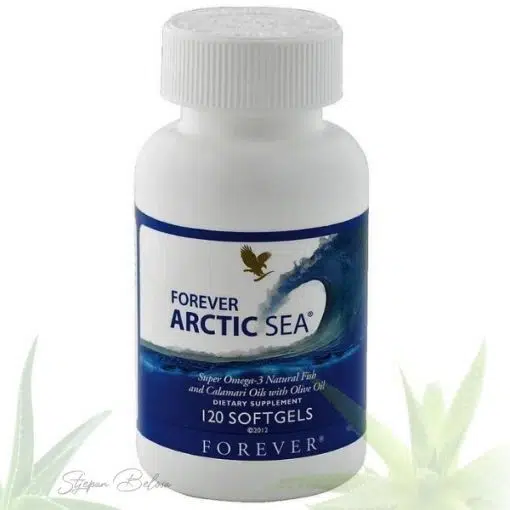 Arctic Sea Omega
A supplement for energy, heart and circulation routines when you want longer-term daily support.
Useful to compare when you are looking for energy, focus or vitality support.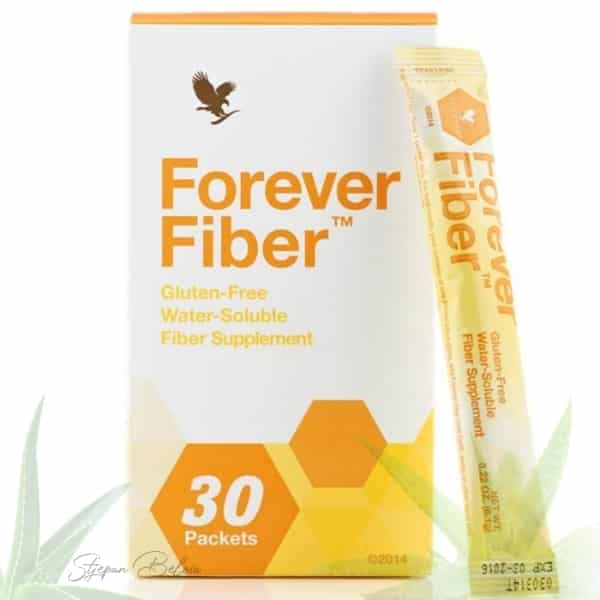 Forever Fiber - FIBER
A simple fiber add-on when you want digestion and satiety support during the day.
It fits topics such as appetite, portions, energy or a weight-management routine.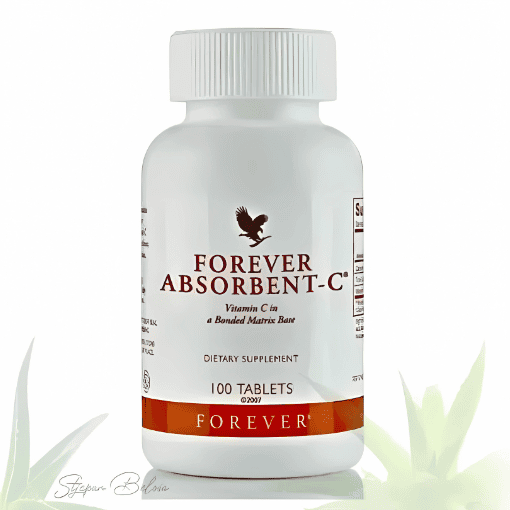 Absorbent C
Daily vitamin support when you want a steadier immunity, energy or nutrition routine.
Connected with daily support for immunity, energy or baseline nutrition.Recovery after illness: return to training smartly
Recovery from illness often looks simple on paper, but in practice it can be frustrating. You feel better, you can't wait to train again, and at the same time your body reminds you that it just went through stress. You may be wondering how long to wait, how slowly to start and whether there is even a safe way to return without injuries and return of symptoms.
In this text, you will get a practical, evidence-based overview of returning to training after an acute illness. The focus is on adults who engage in recreational or more serious activity, want to preserve their health and avoid complications such as excessive fatigue, inflammation of the myocardium or worsening of chronic conditions. Through clear steps, you will see how to combine rest, gradual loading, nutrition, nutritional supplements and your own body's signals.
The goal is not to return to the old numbers as soon as possible, but to plan your way smartly. So that after a few weeks you have more energy, better condition and a feeling that you are in control of the situation, instead of the workouts exhausting you further.
What happens in the body after illness
Any acute infection is a stress for the body. The immune system consumes energy, muscles lose tone, and the nervous system remembers the feeling of weakness. Even if the illness was short, a few days of rest can significantly reduce exercise tolerance.
With more severe infections, the consequences are greater. Decreased lung function, changes in heart function, disturbed balance of the autonomic nervous system and increased tendency to fatigue may occur. There is also a greater risk of inflammation of the heart muscle if you start too early and too hard.
Reviews of professional literature show that a safe return to training is associated with two conditions. First, complete clinical recovery without fever and severe symptoms. Second, a gradual increase in volume and intensity of activity over weeks, not days.
It is important to understand something else. The body does not distinguish life stress from training. If you have just returned to work, you are worried about children or studies, the total load is already high. During this period, training must be smartly dosed support, not an additional attack on the body.
When is it safe to resume activity?
The first rule is: wait for the fever and severe symptoms to pass. With classic flu and similar infections, it is recommended to wait a few days after the temperature has completely dropped and the energy has at least partially returned.
The second rule is about intensity. The first training sessions after illness should not cause shortness of breath, chest pain or dizziness. If this happens, it is a sign that you should reduce the load or wait some more before returning.
The third rule is the door rule. If the symptoms are only above the neck, such as a light hoarseness or a mild sore throat, light activity may be acceptable. If the symptoms are below the neck, such as a cough, heaviness in the chest, severe muscle pain or diarrhea, it is time to rest.
An expert review of returning to sports after infections shows that for many people it is reasonable to wait for the complete disappearance of symptoms and then introduce progression through several phases of activity, while monitoring fatigue and heart rate, which is well described in the paperabout returning to sports after infectious diseases.
Phased return to training plan
Instead of thinking in an all-or-nothing way, it's easier to break the plan down into phases. Each phase lasts at least a few days, and in the case of more severe infections, even longer. Progress depends on how you feel the next day after the activity, not just during the workout.
In the first phase, the focus is on easy movement. In many cases, walking, home mobility exercises and light stretching are the best choices. There is no competition, numbers or pressure here, the goal is to wake up the body.
Detailed tips for walking pace and duration can be found in the articleDaily walk, which shows how steps become a quality tool for health, not a source of pressure.
In the second phase, a more structured low-intensity training is introduced. These include light strength training with your own weight, exercises with elastic tires and a slow pace on a bicycle or elliptical. Breathing must remain comfortable and conversation possible.
The third phase brings a return to moderate intensity. Only when you have done easier training for a week without any problems, it makes sense to increase the tempo, insert shorter intervals and heavier loads. The rule still applies that you should feel fresh, not broken, the day after training.
Why hydration is key when returning to training
After an illness, many people spontaneously drink less liquid than the body would like. Especially if they had nausea, diarrhea or lack of appetite. When returning to training, this can increase the feeling of heart palpitations, headache and fatigue.
Electrolytes also play an important role. Sodium, potassium and magnesium participate in the work of the muscles and the nervous system, and can be impaired by fluid loss or less food intake. That is why it is wise to combine water, light herbal teas and drinks enriched with minerals.
Practical guidelines on the amount of liquid and the choice of drinks during recovery and training can be further studied in the textrehydration during training, where simple protocols for everyday application are clearly explained.
Nutrition and supplements to support recovery
After an illness, the body needs enough protein to rebuild muscles, enough complex carbohydrates for energy and healthy fats for hormonal balance. In the first days after recovery, many people prefer smaller, more frequent meals rather than large portions at once.
For additional support of immunity and recovery of mucous membranes, regular intake of vitamin C during the day can be useful. In this role, many users find the plugin suitableForever Absorbent C, because it combines vitamin C with fibers that help more even release and better tolerability.
One of the frequent problems after an illness is the feeling of heaviness in the muscles and slow recovery after training. In such situations, it is worth checking the intake of omega 3 fatty acids, which participate in the regulation of inflammation and heart health. This is where the supplement serves as a support for manyForever Arctic Sea Omega, which combines EPA and DHA fatty acids in a practical form.
Herbal teas can be a gentle ally in the recovery phase. They can facilitate digestion, promote rehydration and reduce tension. You will find ideas on how to safely combine them with aloe gel in the articleherbal teas, where simple combinations for everyday use are clearly described.
What the guidelines say about returning from respiratory infections
Guidelines for returning to activity after influenza and similar respiratory infections emphasize several common principles. First, wait for the passing of the fever and the most severe symptoms. Second, start with very light activities and only then gradually increase the load over the weeks.
The recommendations of experts from Harvard Health point out that it is reasonable to start with shorter and easier training after the flu, wait for the body to get used to it, and then slowly increase the duration and intensity, which you can see in more detail in the text about returning to activity after the flu atpages of Harvard Health.
When returning after more severe viral infections, especially those that affect the heart and lungs, expert examinations emphasize the need for gradual, phased recovery and, if necessary, cardiological treatment before intensive training. This also applies to people who had stronger covid symptoms and now want to return to their old routine.
The conclusion of most expert sources is simple. Don't skip phases, don't ignore fatigue, and don't use training as proof that you're healthy. Recovery is a process, and your body will reward you if you respect it.
How to recognize that you have overdone it
Not every muscle pain after a break is a reason to panic. It is normal to feel a slight inflammation a day or two after the first training sessions. However, there are signs that call for caution and sometimes medical evaluation.
- Chest pain or pressure during or after activity.
- Unusually strong fatigue that lasts for several days.
- Dizziness, fainting, or feeling like you're going to collapse.
- A feeling of an irregular or too fast heartbeat at rest.
- Return of fever or sudden worsening of breathing.
If you notice any of these symptoms, stop. Take a few days off, reduce the intensity and see a doctor if necessary. It is better to miss a few training sessions than to risk more serious complications.
How technology and professional support can facilitate your recovery
Today, you don't have to guess on your own which products and protocols support your recovery. If you want personalized suggestions of Forever products and practical guidance for daily habits, you can use ourAI advisors, which, based on your goals and habits, suggests steps to support health and return to activity.
An example of a weekly recovery plan after a mild illness
Every organism is different, but a rough example can help give you a sense of what phase reversal looks like in practice. Let's assume that the illness lasted for about a week, and now you have been free of fever and severe symptoms for several days.
- Day 1 and 2: 15 to 20 minutes of light walking, stretching the whole body.
- Day 3 and 4: 20 to 30 minutes of walking, 2 short sets of light strength exercises.
- Day 5 and 6: 30 minutes of brisk walking or light cycling, 3 sets of strength exercises.
- Day 7: rest or very light activity, monitoring how the body feels.
If you feel good during the week, you can increase the intensity the next week. If unusual fatigue occurs, return to the previous level and stay there for a few days. It is better to progress slowly, but steadily, than to constantly take one step forward and then two back.
Frequently asked questions
How long after illness should I wait before the first training session?
This depends on the severity of the disease and your general health. With milder infections, people can often start a few days after the fever and more severe symptoms have stopped. In case of more severe diseases, especially with a strong cough or chest pain, the recovery period can last several weeks.
Can I train if I still have a slight hangover?
If symptoms are only above the neck and you feel well, light activity is often acceptable. However, reduce the intensity and overall duration. If symptoms worsen during activity, stop and choose rest in the following days.
What if I feel that my heart rate is unusually high after an illness?
An increased heart rate during exertion is normal after a break, but it should not be accompanied by chest pain, severe shortness of breath or dizziness. If the pulse is significantly higher than before the disease with the same effort, reduce the intensity and, if necessary, consult a doctor.
Should I give up on goals completely if I've had a longer break?
You don't need to give up on your goals, but you may need to extend them over time. After a long break, it is wise to focus on technique, breath control and stability for a few weeks. Only when the body feels strong and stable again does it make sense to chase new personal records.
Conclusion
Returning to training after an illness is not a test of courage, but a test of patience and respect for one's own body. If you try to skip the stages, the risk of injury, return of symptoms and chronic fatigue increases significantly. By moving smart, you can feel more strength and stability each week.
Use simple rules. Wait for full recovery from fever and severe symptoms. Start with light movement, listen to your body the next day, and only then increase it. Support the process with quality nutrition, adequate hydration and targeted supplements when warranted.
If you want more inspiration on how modern technology and artificial intelligence are used to build a global online business and healthier habits, read the articleHow this couple is building a global business with AI and working 95% online, which shows how smart tools can ease the path of change.
Note: This text is for general information and is not a substitute for professional medical advice. For any serious illness, unusual symptoms, heart or lung problems, be sure to consult your doctor before returning to training or introducing nutritional supplements.
Products most closely related to this topic
If you want to compare concrete options after reading, these products are the closest match to the article topic.
Arctic Sea OmegaA supplement for energy, heart and circulation routines when you want longer-term daily support.
Useful to compare when you are looking for energy, focus or vitality support.Forever Fiber - FIBERA simple fiber add-on when you want digestion and satiety support during the day.
It fits topics such as appetite, portions, energy or a weight-management routine.Absorbent CDaily vitamin support when you want a steadier immunity, energy or nutrition routine.
Connected with daily support for immunity, energy or baseline nutrition.Short answers that help
If you are still comparing options, these are the points worth checking before you continue.
What should I take from this article?
Use it to understand the topic in practical terms and compare it with your current routine, needs and next step.
When does it make sense to ask for a recommendation?
Ask when the topic feels relevant, but you are not sure which Forever Living Products product or routine fits you best.
Does this article replace professional advice?
Recovery after illness: how to safely return to training is educational content. For medical conditions, medication, pregnancy or persistent symptoms, include qualified professional advice.
Describe what you want to achieve
If you do not know which product to choose, write your goal, habits or doubts and get a more concrete suggestion.
Recommended products


Related articles to keep exploring