The key points from this article
- Perimenopause, hot flashes and sleep: a practical approach Perimenopause is the period in which many women notice for the first time that their body "doesn't play by t...
- The cycle changes, there are hot flashes, night sweats, mood swings and suddenly sleep is no longer as deep and restorative as before.
- For a personal choice, continue with a recommendation after reading.
Products most closely related to this topic
If you want to compare concrete options after reading, these products are the closest match to the article topic.
 Arctic Sea Omega
A supplement for energy, heart and circulation routines when you want longer-term daily support.
Useful to compare when you are looking for energy, focus or vitality support.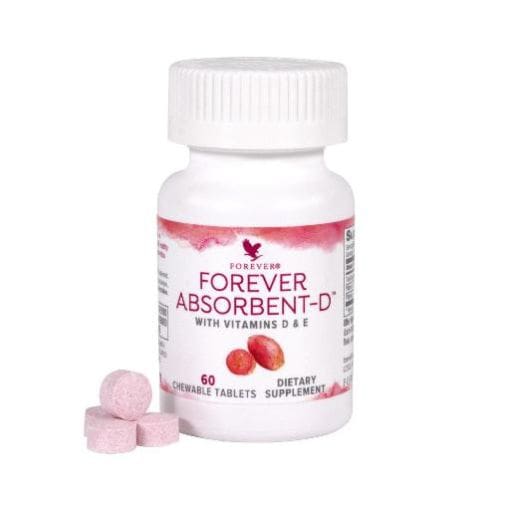 Forever Absorbent D
A simple fiber add-on when you want digestion and satiety support during the day.
It fits topics such as appetite, portions, energy or a weight-management routine. Aloe Blossom Herbal Tea
A caffeine-free herbal tea for a calmer daily ritual, hot or cold.
A good comparison if you want natural daily support and a calmer ritual.Perimenopause, hot flashes and sleep: a practical approach
Perimenopause is the period in which many women notice for the first time that their body"doesn't play by the old rules". The cycle changes, there are hot flashes, night sweats, mood swings and suddenly sleep is no longer as deep and restorative as before. If you recognize yourself in this, you are not alone and you are not"spoiled"or"sensitive"– your body is going through very real hormonal changes. You may wonder why it's suddenly harder to fall asleep, why you wake up drenched in sweat, or why your heart beats faster in the middle of the night. Here's the thing: the decline and oscillations of estrogen and progesterone affect the temperature regulation center, but also the brain, mood, metabolism and nervous system. The good news is that there are practical steps you can take to reduce the intensity of hot flashes and improve your sleep, without drastic diets or"perfect discipline."In this article, I take you through a simple but very concrete approach: understand what's going on, make small, actionable changes to your daily routine, and know when it's time to seek professional help. The goal is not to function perfectly every day, but to regain a sense of control over your own body and sleep.What is perimenopause and why hot flashes occur
Perimenopause is a transitional period that can begin ten years before the last menstruation. During this period, the ovaries gradually reduce the production of estrogen and progesterone, but not evenly, but in waves. It is these hormonal"oscillations"that are responsible for typical symptoms such as hot flashes, night sweats, irritability and difficulty sleeping. According to some review articles, early recognition of symptoms and their cause is key to knowing that it's perimenopause and not"just stress"or a"bad period."A good example is a detailed guide on what they are early signs of perimenopause and how they manifest themselves in everyday life. Hot flashes occur when the hormone estrogen no longer"mutes"the sensitivity of the heat center in the brain. Then even a small change in temperature or emotion can trigger a wave of heat, rapid heartbeat and a rush of sweating. If this happens during the night, you very easily end up awake at three in the morning, take off the blanket, open the window and then have a hard time getting back to sleep.When does perimenopause start and how long does it last
Most women enter perimenopause in their late thirties or forties, but the range is very wide. For some, the cycle will change only a few years before menopause, while others will experience milder symptoms ten years earlier. If you're interested in how cycle changes and symptoms can develop when things happen earlier than you expect, a text on the topic is helpful early menopause. The duration of perimenopause is also individual. For some, the symptoms last for two to three years, while others go through several stages over a period of as much as 7 to 10 years. The key is to learn to listen to your body and recognize patterns: when the waves are getting stronger, what triggers them, and how that affects your sleep.Why sleep changes in perimenopause
Research shows that insomnia is one of the most common problems in the transition to menopause. Hormonal changes affect the centers for sleep and wakefulness, but also body temperature, mood and anxiety levels. Even when you don't experience"dramatic"hot flashes, you may notice that it's harder to fall asleep, that you wake up between three and five in the morning, or that your sleep is shallower than before. Some studies on perimenopause and sleep disorders indicate that more than a third of women at this stage of life have significant sleep problems, including difficulty falling asleep, frequent awakenings, and feeling sleepless in the morning. One of the review papers explains in more detail how common sleep disturbances are at this age and how they are related to hot flashes and mood swings, which you can see in the article on sleep disturbances in perimenopausal women. Here's why it's important: poor sleep further increases daytime fatigue, irritability, emotional sensitivity, and the tendency to overeat. In other words, if you don't get enough sleep, even small problems seem much bigger. This is why taking care of sleep is one of the most important pillars of self-care in perimenopause.Food and drinks that affect hot flashes and sleep
What you eat and drink during the day can noticeably increase or decrease hot flashes in the evening. Food rich in sugar, very spicy dishes, alcohol, large amounts of caffeine and evening"attacks"on the refrigerator often worsen night sweats and undermine the quality of sleep. If you'd like to delve deeper into how the plate can help keep hormones calmer and hot flashes milder, take a look at the guide diet in menopause in which nutrients to reduce hot flashes and support bones and heart are explained in detail. As a framework, you can follow a few simple rules:- every meal should contain quality proteins (fish, eggs, chickpeas, tofu, chicken)
- choose complex carbohydrates (whole grains, vegetables, legumes) instead of white bread and sweets
- add healthy fats (olive oil, nuts, seeds, avocado)
- let the last large meal be 2 to 3 hours before bedtime
The role of stress and cortisol in hot flashes and insomnia
Stress does not cause perimenopause, but it can exacerbate any symptoms you already have. When you are chronically stressed, cortisol levels are elevated, which disrupts the circadian rhythm, affects blood pressure, appetite and the ability to relax in the evening. The result is a combination of: more hot flashes, more"inner turmoil"and difficulty falling asleep. You can read more about how stress and hormones intertwine and how herbal adaptogens can help balance in the article. stress and cortisol where practical ways to reduce chronic tension are explained. The key message is simple: you can't eliminate all sources of stress, but you can learn to manage what is under your control. Short breaks during the day, conscious breathing, a walk without a cell phone or a guided meditation of 5 to 10 minutes before bed can significantly reduce the"turning of the mind"in the evening.Bedtime routines that really help
Sleep hygiene is a set of small habits that give your brain a clear signal that it's time to rest. It may sound like a cliché, but the rhythm of going to bed and waking up at the same time, even on weekends, is one of the most effective habits for stable sleep. As a practical evening routine, the following can help you:- turn off screens at least 60 minutes before bed
- make a"light"preparation for tomorrow (to-do list) so that thoughts do not run through your head in bed
- use warm spectrum light in the bedroom
- avoid heavy meals and alcohol after 7 p.m
- short stretches or relaxing breathing before bed
Food supplements that can support sleep and hormonal balance
Dietary supplements are not a magic wand, but in consultation with a doctor or nutritionist, they can be a meaningful piece of the puzzle. Often mentioned are vitamin D, magnesium, omega 3 fatty acids and certain herbal adaptogens that help the body cope with stress more easily. If you want to understand the bigger picture of the role of vitamin D for bones, immunity and mood, it is explained in detail in the article vitamin D, where the consequences of the shortage during the winter months are discussed. Magnesium is another common"ally"in muscle tension, spasms and sleep problems. Different forms of magnesium have different absorption and effects, so it is useful to study the comparison of the forms described in the text magnesium malate vs citrate vs glycinate before you decide on a specific product. Herbal adaptogens, such as Ashwagandha, are increasingly popular with women looking for natural support for stress resistance and better sleep quality. You can read more about who can use it and who should be careful in the article ashwagandha, with clear notes on when it is important to consult a doctor. In addition to targeted nutrients, there are also complex formulas specially created for the hormonal balance of middle-aged women. An example is a supplement Vitolize Women which combines vitamins, minerals and herbal extracts to support urinary health, hormones and general vitality. And here the rule applies: before introducing any supplement, check how it fits with your therapy and diagnoses.Emotions, anxiety and"night thinking"
It is not uncommon for perimenopause to increase anxiety, episodes of sadness, or the feeling of being constantly"on edge."When this is combined with night wakings, it's easy to fall into a vicious cycle: less sleep means more emotional sensitivity, and more worries mean less sleep. Practical advice on how to combine relaxation techniques, herbal teas and small changes in the evening routine can be found in the text anxiety and sleep, where emphasis is placed on natural methods for calming the nervous system before going to bed. In addition, there is growing evidence that cognitive-behavioral therapy for insomnia (CBT-i) can be as effective or more effective than sleeping pills, without the risk of addiction. If you notice that you can't fall asleep without a screen, food or alcohol for months, this is a clear signal that a structured approach with professional support could bring you great relief.What about hormone therapy and other medical options?
For women who have severe hot flashes and difficulty sleeping despite lifestyle changes, the doctor may suggest hormone therapy or other medical options. According to the professional guidelines of some international societies, hormone therapy is considered the most effective way to relieve vasomotor symptoms such as hot flashes in women who do not have contraindications. The decision on hormone therapy should be individual and made with a gynecologist or endocrinologist, taking into account your age, general health, family history and intensity of symptoms. It is not the same whether you are 45 years old, with a high risk of thrombosis and severe hot flashes, or 52 years old, with normal findings and relatively mild symptoms. Sounds complicated? In practice, it is usually a very specific conversation in which you weigh the benefits and risks together with the doctor.How to personalize your approach - small steps, big impact
No two perimenopauses are the same. Your story about sleep, waves and energy throughout the day will be a unique combination of genetics, lifestyle, work, family obligations and previous habits. That's why it's wisest to start with a simple diary: for two to three weeks, record what time you went to bed, how many times you woke up, whether you had hot flashes, what you ate and drank in the evening and how much you moved that day. When you see patterns in black and white, it's much easier to put together a concrete plan. At that stage, it may be useful for you to use ours with expert guidance AI advisors who, based on your habits, goals and possible health challenges, can suggest a combination of products and routines tailored to you. Don't underestimate the power of small changes: adding a 15-minute walk, an early dinner instead of a late one, warm herbal tea, and light stretching before bed often make a bigger difference than another"perfect"diet or supplement you don't take regularly.Frequently asked questions about perimenopause, hot flashes and sleep
How long do hot flashes last in perimenopause?
The duration of hot flashes is very individual. For some women, they last for several months, and for others, several years. The average is about 4 to 7 years, with the intensity varying in waves. If hot flashes are so severe that they disrupt your work, family life and sleep, it's worth talking to your doctor about additional treatment options.Is it normal to wake up every night around three in the morning?
Waking up frequently at this time is not uncommon in perimenopause, especially if you have hot flashes, increased anxiety, or drink alcohol and eat heavy food in the evening. However,"normal"does not mean that it is good for you. If this repeats for weeks and you feel exhausted, it's time to make changes to your sleep routine and talk to your doctor if lifestyle changes aren't enough.Can nutritional supplements alone solve my sleep problems?
Dietary supplements can be a useful support, but they are rarely a solution on their own. The best results are obtained when they are part of a broader plan: a balanced diet, regular exercise, reduction of caffeine and alcohol, good sleep hygiene and, if necessary, psychological support and medical treatment. Before introducing any supplement, especially if you have chronic diagnoses or take medication, consult your doctor.When should I visit a doctor?
Seek medical attention immediately if you notice unusually heavy or very frequent bleeding, sudden weight loss or gain, chest pain, shortness of breath, severe anxiety or depressive thoughts. The same applies if hot flashes and insomnia disrupt your life so much that you can no longer function normally at work or in the family.Bottom line: a gentle but solid plan for a more restful sleep
Perimenopause is a demanding period, but it does not have to be a year in which you give up quality sleep and energy. When you understand what's going on in your body and establish a few clear habits, hot flashes and night wakings often become more bearable and a sense of control returns. A practical step may be to choose one focus for the next two weeks: perhaps you will start regulating your dinner and sleep routine, perhaps introducing targeted nutrients, or exploring additional therapy options in consultation with your doctor. If you also want to save on proven supplements, you can get a 15% discount when ordering selected products and thus easier to maintain continuity. Most important of all: It's not your fault that you feel exhausted and confused, but you have more influence than you might think. Small, consistent steps in diet, exercise, sleep care, and smart supplementation can make a big difference in just the next few weeks. For inspiration on how modern technology and AI are used to build a global online business, read the article "How this couple is building a global business with AI and working 95% online". Note: This article is for informational purposes only and is not a substitute for professional medical advice, diagnosis or treatment. For any more serious symptoms, changes in therapy or the introduction of dietary supplements, be sure to consult your doctor or other qualified health professional.Products most closely related to this topic
If you want to compare concrete options after reading, these products are the closest match to the article topic.
Arctic Sea OmegaA supplement for energy, heart and circulation routines when you want longer-term daily support.
Useful to compare when you are looking for energy, focus or vitality support.Forever Absorbent DA simple fiber add-on when you want digestion and satiety support during the day.
It fits topics such as appetite, portions, energy or a weight-management routine.Aloe Blossom Herbal TeaA caffeine-free herbal tea for a calmer daily ritual, hot or cold.
A good comparison if you want natural daily support and a calmer ritual.Short answers that help
If you are still comparing options, these are the points worth checking before you continue.
What should I take from this article?
Use it to understand the topic in practical terms and compare it with your current routine, needs and next step.
When does it make sense to ask for a recommendation?
Ask when the topic feels relevant, but you are not sure which Forever Living Products product or routine fits you best.
Does this article replace professional advice?
Perimenopause, hot flashes and sleep: practical steps for more restful nights is educational content. For medical conditions, medication, pregnancy or persistent symptoms, include qualified professional advice.
Describe what you want to achieve
If you do not know which product to choose, write your goal, habits or doubts and get a more concrete suggestion.
Recommended products

Related articles to keep exploring