The key points from this article
- Hypertension is a silent but persistent companion of modern life.
- You may be wondering why your blood pressure spikes just when you "finally got everything sorted".
- For a personal choice, continue with a recommendation after reading.
Products most closely related to this topic
If you want to compare concrete options after reading, these products are the closest match to the article topic.
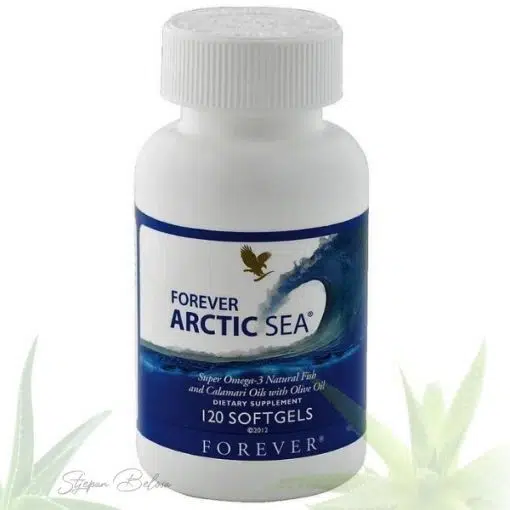 Arctic Sea Omega
A supplement for energy, heart and circulation routines when you want longer-term daily support.
Useful to compare when you are looking for energy, focus or vitality support.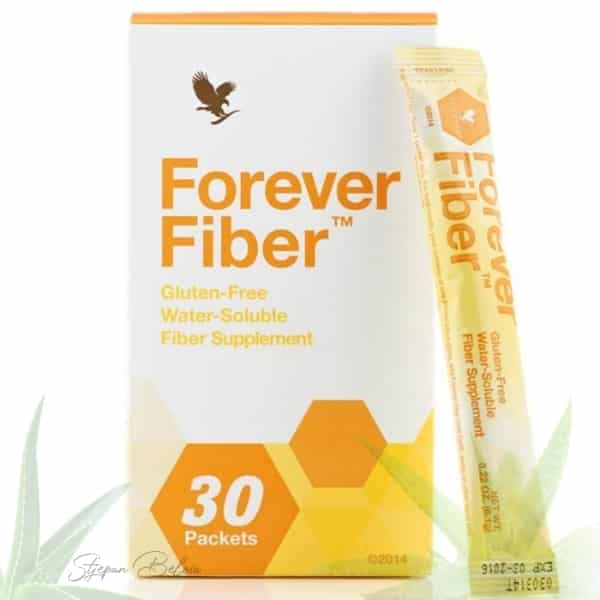 Forever Fiber - FIBER
A simple fiber add-on when you want digestion and satiety support during the day.
It fits topics such as appetite, portions, energy or a weight-management routine.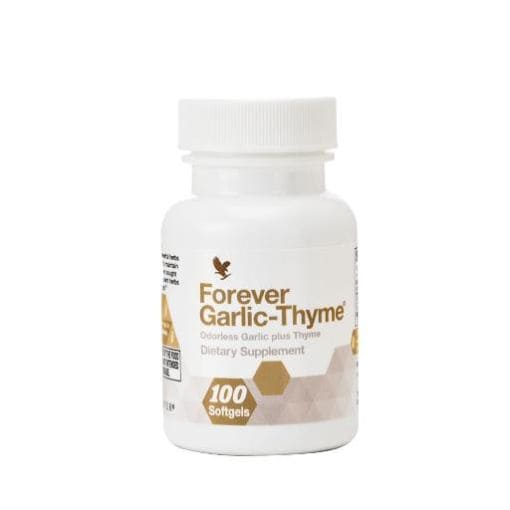 Forever Garlic Thyme
Natural daily support when you want a bee-derived or botanical product for energy and resilience.
A good comparison if you want natural daily support and a calmer ritual.Hypertension: salt, potassium and walking for more stable blood pressure
Hypertension is a silent but persistent companion of modern life. You may be wondering why your blood pressure spikes just when you"finally got everything sorted". Here's the thing: Three everyday factors have a powerful and measurable impact on blood pressure — the amount salt which you enter, the level potassium in the diet and regularly walking. The good news is that all three can be affected today, without complicated diets and the gym.
Below, you'll get a clear explanation of how salt raises blood pressure and how potassium and walking lower it, plus a simple 12-week plan that fits into your realistic schedule. Sound too good to be true? Keep reading and see for yourself.
Salt: small crystals, large changes in pressure
Salt is a mixture of sodium and chloride. The problem arises when the intake of sodium is too high: the body retains water, the blood volume increases and the walls of the blood vessels suffer more pressure. If you're new to this topic, a great introduction to the basics is our guide on itwhy sodium, potassium and chloride are essential for health. It clearly explains why electrolyte balance makes the difference you feel.
You may be wondering how much salt is"too much". According to global guidelines, it is useful to aim for less than 2 grams of sodium per day, which corresponds to less than 5 grams of table salt. You will find more detailed recommendations and explanations in the review text of the World Health Organizationreducing sodium intake. The point is simple: most people ingest more than they think, primarily through industrially processed foods.
Three quick tactics to reduce salt without sacrificing taste
- Cook"salted at the end". If you add salt only when serving, you will need less for the same taste impression.
- Seasoning mixes without salt. Garlic, smoked paprika, oregano, thyme and lemon zest create a fuller flavor without added sodium.
- Verification of declarations. Compare your two favorite foods and choose the one with less sodium per 100 g. A small victory today becomes a habit tomorrow.
Potassium: a natural"counterbalance"to sodium
Potassium helps your cells expel excess sodium and relaxes the walls of blood vessels. What does that mean practically? When you increase your intake of potassium-rich foods, you simultaneously reduce the load that sodium places on the vascular system. An intake of approximately 3510 mg of potassium per day from food is recommended, as summarized in the WHO recommendations onincreasing potassium from the diet. The key word is — from food, because food with potassium also provides fiber, antioxidants and useful polyphenols.
Top sources of potassium that are easy to include in the day
- Fruits: banana, kiwi, apricot, orange.
- Vegetables: Swiss chard, spinach, beetroot, sweet potato, pumpkin, tomato.
- Legumes and nuts: lentils, beans, chickpeas, almonds.
- Dairy products and fish: yogurt, kefir, salmon.
But that's not all. Instead of regular salt, in some households it is possible to use mixtures with less sodium and added potassium. A large clinical trial found that such replacements can reduce the risk of stroke and other cardiovascular events in at-risk groups. For a summary of the results and safety notes, read the article on salt replacement and cardiovascular outcomes. Important: If you have kidney disease or are taking certain medications, talk to your doctor before increasing your potassium significantly.
Walking: the most underestimated"pill"for blood pressure
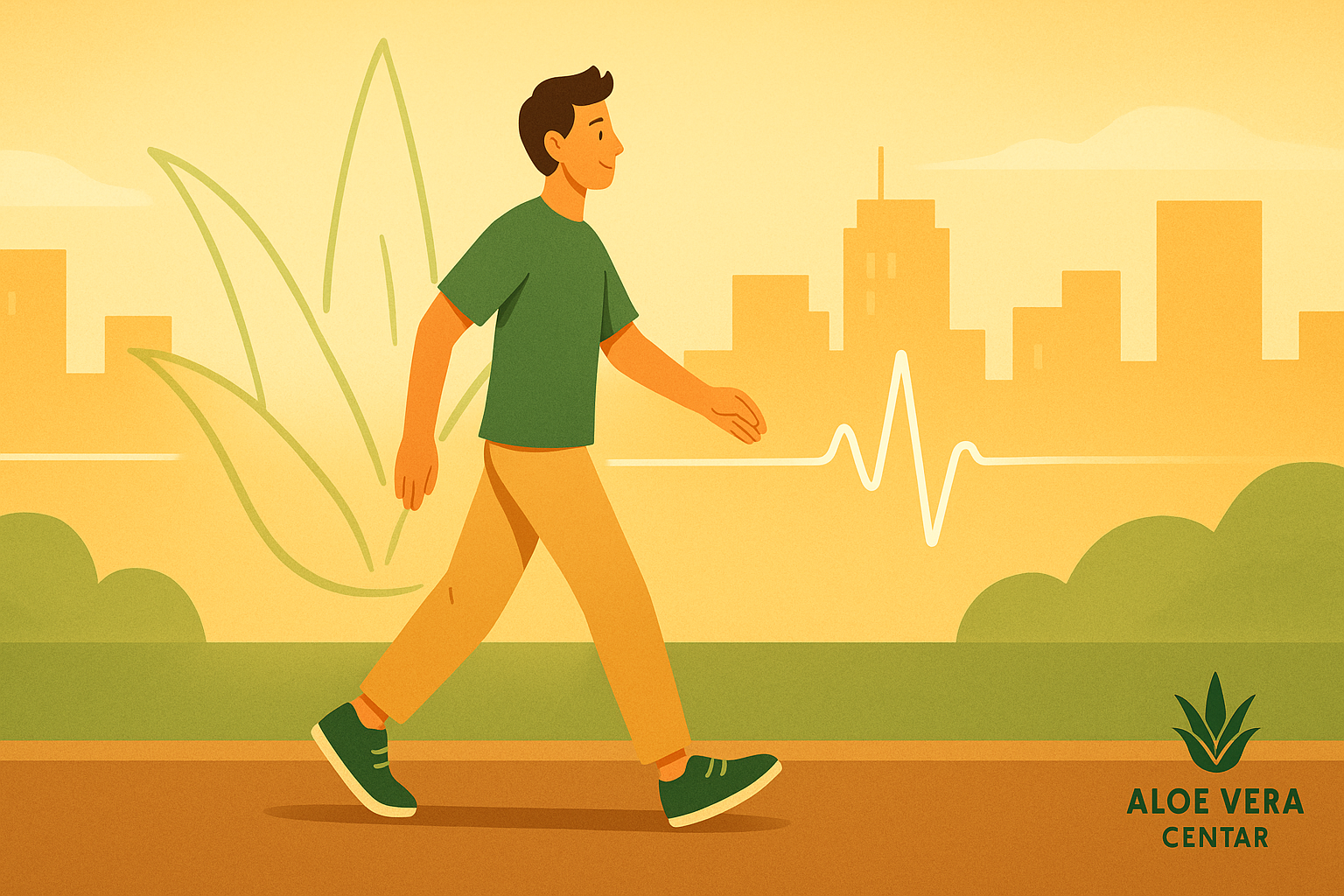
Walking is affordable, safe and proven to help lower blood pressure, especially if you're a beginner or returning to activity after a break. Analyzes of interventions show that regular, moderate walking reduces systolic pressure and improves the elasticity of blood vessels. For a summary of the evidence, see the review published in the databaseCochrane. If you're more the type who likes a clear framework, aim for 150 minutes a week.
Why exactly walking works
- Effective"anti‑stress". It lowers the level of stress hormones and facilitates better quality sleep, all of which indirectly lowers blood pressure.
- Exercise blood vessels. It stimulates the production of nitric oxide, a natural vasodilator.
- Weight control. It helps reduce visceral fat, which is metabolically active and raises blood pressure.
The 12-week plan: salt, potassium and walking in real life
Weeks 1–4: Awareness and small steps
- Map the salt. Record your sodium sources for a week. Aim for less than 5g of table salt per day. Most of the"excess"is hidden in bread, cheeses, dried meat products, ready-made sauces and snacks.
- Add potassium to every main meal. For example banana with breakfast, chard salad with lunch, sweet potato or beans with dinner.
- Walk 3 times a week for 25 to 30 minutes. Tempo: You can talk but not sing out of breath.
Weeks 5–8: Intensification and rhythm
- The"cook and add salt if necessary"strategy. Most dishes do not need additional salt after they have cooled for 1 to 2 minutes. Also try a little lemon, balsamic vinegar or fresh parsley.
- 2 to 3 servings of potassium-rich vegetables per day. Include Swiss chard, spinach, beets, roasted sweet potatoes or lentil stew.
- Walk 4 times a week for 30 to 40 minutes. Do one walk in easy intervals: 2 minutes faster, 2 minutes slower, and so 6 to 8 rounds.
Weeks 9–12: maintenance and smart shortcuts
- Shopping routine. There should always be foods with a low sodium content and high nutritional density in the basket: vegetables, fruits, legumes, fish, whole grains.
- Good ratio of sodium and potassium. If you eat out, balance the rest of the day in favor of potassium (salad, vegetables, fruit).
- Walk 5 times a week for 35 to 45 minutes. On weekends, choose nature or a route with a slight incline to give the heart an additional but safe challenge.
What else helps: small habits that pay off big
If you're walking and want a more structured approach, extra motivation and concrete step ideas, check out our how-to articledaily walk preserves health and line. The point is not in the magic number, but in consistency and a tempo zone in which you sweat comfortably.
A warm drink can be a useful ally after a walk. Hibiscus is known for its mild effect on blood pressure and its pleasant sour-floral aroma. If that sounds interesting, check out our how-to guidehibiscus tea fit into everyday life and what to watch out for.
For those looking for a pleasant, aromatic herbal drink without thein, give it a tryAloe Blossom Herbal Tea. It is an excellent choice after an evening walk and can replace late-night snacks that often bring salt and excess calories.
Omega‑3, pressure and elastic vessels
The anti-inflammatory effect of omega-3 fatty acids is associated with better endothelial function and more favorable cardiovascular outcomes. If you want a deeper understanding of the bigger picture of the importance of these fats, take a look at our articleomega 3 fatty acids and check out how to smartly combine them with diet and activity.
In practice, a simple solution helps many: a high-quality omega‑3 formula with EPA and DHA. If you're looking for a proven option, do your researchForever Arctic Sea Omega. Remember, supplements are not a substitute for diet and exercise, but support with professional advice, especially if you are already taking therapy.
Common obstacles and how to get around them
"I can't walk"
Divide the 30 minutes into three 10-minute segments: morning, lunch break, and evening. Add two"opportunities"you rely on every day: parking 5 minutes away and stairs instead of the elevator. Here's a little secret: everything counts.
"I like salty"
The habit is formed in 2 to 4 weeks. During this period, add spices, lemon, fresh herbs and only at the end a pinch of salt. The tongue adapts and soon you will discover new nuances of taste that the salt previously masked.
"I'm confused by the numbers"
You don't have to be a lab technician. It is enough to follow the 1‑2‑3 rule: 1 portion of fruit and 2 portions of potassium-rich vegetables per day, 3 walks per week in the first 4 weeks. Then you gradually increase it.
Smart substitutions in the kitchen
Highly salted classics and their alternatives
- Cured meat substitute cooked turkey or chicken seasoned with pepper and rosemary.
- Cheese with a high salt content replace with cottage cheese or yogurt with chopped herbs.
- Instant sauces replace with homemade tomato sauce with garlic and olive oil.
A quick plate of potassium after a walk
- A warm salad of roasted beets, Swiss chard and sweet potatoes, with some pumpkin seeds and lemon juice.
- Lentil and tomato stew with whole grain bread.
- Yogurt with banana and some oatmeal if you need something quick and filling.
Stress-free progress tracking
Three indicators worth monitoring
- Pressure measurement at the same time of day, sitting, three measurements in a row, write down the mean value.
- Number of walking minutes weekly. Simple: 150 minutes is the first goal, 180 to 210 minutes is the next.
- Portions of potassium on the plate. One fruit or cup of vegetables is a serving. Start with 2 to 3 a day.
If you want additional motivation and a plan adapted to your schedule, use oursAI advisors. In a few clicks, you'll get personalized, easy-to-follow steps.
FAQ: frequently asked questions
How quickly can I expect my blood pressure to drop if I cut back on salt and walk more?
The first results are often seen after 3 to 4 weeks of consistency. Larger and more stable changes usually occur within 8 to 12 weeks.
Can I use a salt substitute with potassium?
It can be useful, but it's not for everyone. If you have kidney disease or are taking medications that affect potassium, consult your doctor before use.
Which is better: three long walks or several shorter ones?
What you will actually implement. For most people, a combination of 2 to 3 longer walks and 2 short"insertions"during the week brings the best ratio of results and sustainability.
Do I have to count milligrams of sodium and potassium every day?
Not necessarily. It is enough to develop a routine: less processed food, more fresh food, portions of potassium-rich fruits and vegetables in each main meal, and walking 4 to 5 times a week.
Bottom line: small steps for lasting change
Hypertension requires strategy, not perfection. By reducing salt intake, increasing potassium from whole foods and walking regularly, you influence the most important levers that shape your blood pressure. You don't need everything at once. Start today with one potassium-rich meal, one 25-minute walk, and one conscious"no"to processed foods. Do it again tomorrow. And so day after day.
For inspiration on how modern technology and AI are used to build a global online business, read the articleHow this couple is building a global business with AI and working 95% online. Success is a habit, not an accident.
Note: This article is for informational purposes only and is not a substitute for professional medical advice, diagnosis or therapy. If you have chronic diseases, are taking medication or are pregnant, be sure to consult your doctor or pharmacist before making any changes to your diet, activities or using supplements.
Products most closely related to this topic
If you want to compare concrete options after reading, these products are the closest match to the article topic.
Arctic Sea OmegaA supplement for energy, heart and circulation routines when you want longer-term daily support.
Useful to compare when you are looking for energy, focus or vitality support.Forever Fiber - FIBERA simple fiber add-on when you want digestion and satiety support during the day.
It fits topics such as appetite, portions, energy or a weight-management routine.Forever Garlic ThymeNatural daily support when you want a bee-derived or botanical product for energy and resilience.
A good comparison if you want natural daily support and a calmer ritual.Short answers that help
If you are still comparing options, these are the points worth checking before you continue.
What should I take from this article?
Use it to understand the topic in practical terms and compare it with your current routine, needs and next step.
When does it make sense to ask for a recommendation?
Ask when the topic feels relevant, but you are not sure which Forever Living Products product or routine fits you best.
Does this article replace professional advice?
Hypertension: salt, potassium and walking for healthier blood pressure is educational content. For medical conditions, medication, pregnancy or persistent symptoms, include qualified professional advice.
Describe what you want to achieve
If you do not know which product to choose, write your goal, habits or doubts and get a more concrete suggestion.
Recommended products

Related articles to keep exploring