
The key points from this article
- The gluten-free menu can seem confusing when you're just starting to change your diet.
- You may be wondering what you are not allowed to eat anymore.
- For a personal choice, continue with a recommendation after reading.
Products most closely related to this topic
If you want to compare concrete options after reading, these products are the closest match to the article topic.
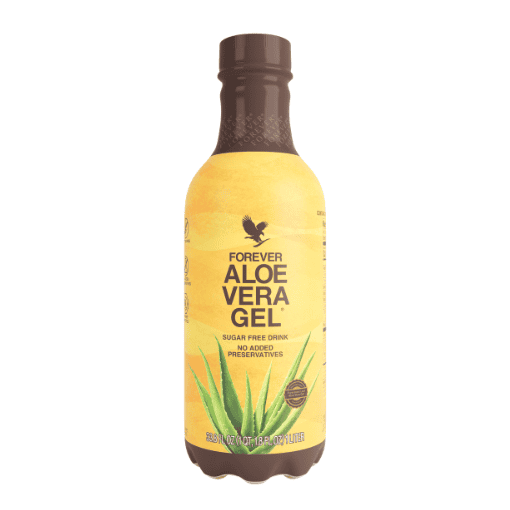 Aloe Vera Gel
A daily aloe drink for people who want simple support for digestion and routine.
It makes sense if you are looking at the topic through digestion and a simpler daily routine. Arctic Sea Omega
A supplement for energy, heart and circulation routines when you want longer-term daily support.
Useful to compare when you are looking for energy, focus or vitality support. Forever Fiber - FIBER
A simple fiber add-on when you want digestion and satiety support during the day.
It fits topics such as appetite, portions, energy or a weight-management routine.Gluten-free menu for beginners: shopping list and weekly plan
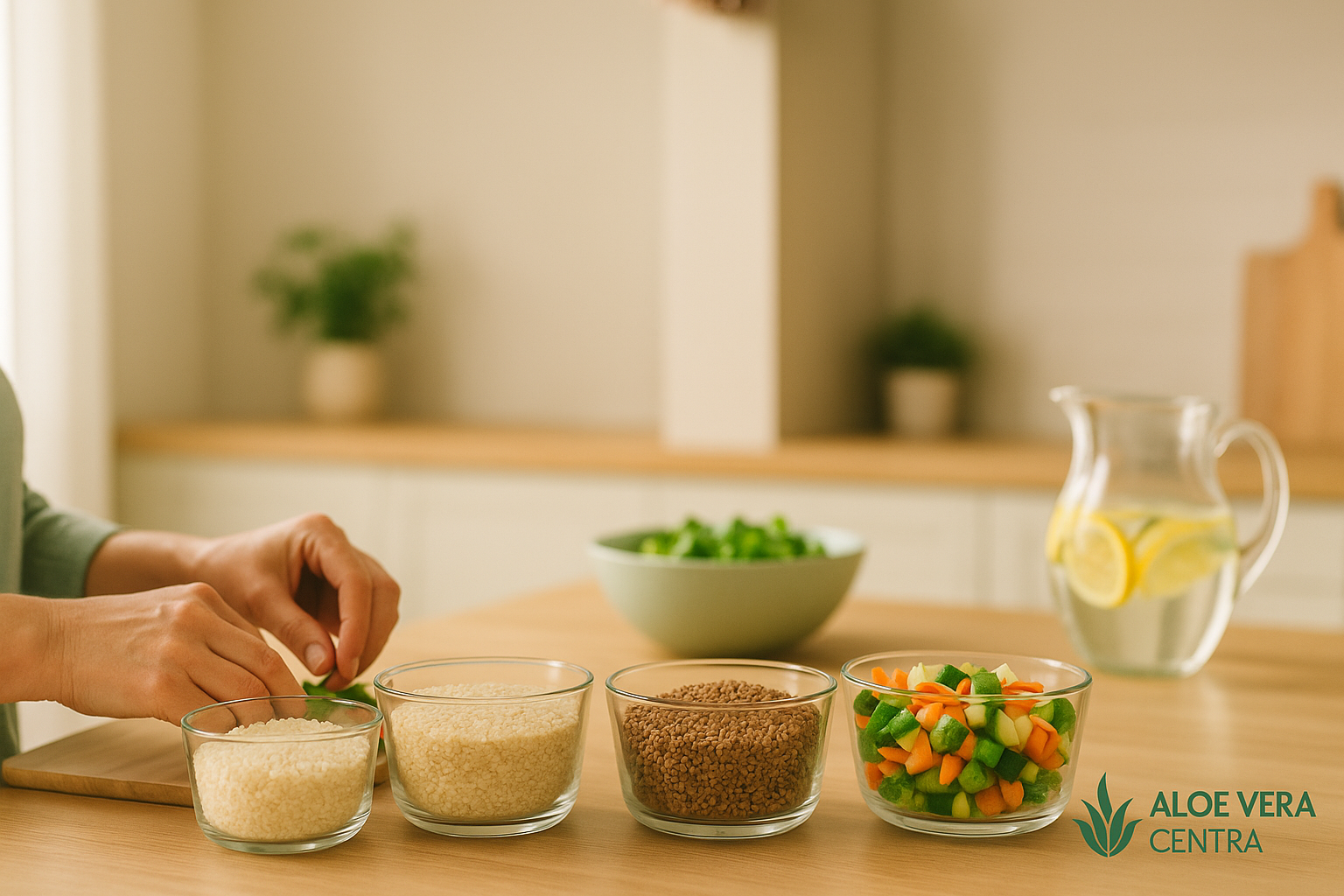
The gluten-free menu can seem confusing when you're just starting to change your diet. You may be wondering what you are not allowed to eat anymore. An even more important question is what you are actually allowed and how to put together a normal family weekly menu. The good news is that a gluten-free diet doesn't have to be complicated or expensive.
In this guide, you will get a clear picture of what gluten is, who really needs a gluten-free menu, and how to avoid the most common beginner mistakes. Then follows a specific shopping list and a simple weekly meal plan that you can apply immediately. The goal is for you to eat delicious, varied and nutritionally rich food while feeling safe and organized.
What is a gluten-free menu and who really needs it
Gluten is a protein found in wheat, barley, rye and their hybrids. It gives the dough elasticity and helps the bread to rise nicely. For most people, gluten does not cause problems. It can cause serious problems in part of the population.
The most well-known condition is celiac disease. It is an autoimmune disease in which gluten damages the lining of the small intestine. The only proven way of treatment is a strict gluten-free diet for the rest of your life. People with non-celiac gluten sensitivity or wheat allergy often need the same regimen.
A more detailed explanation of what it meansgluten-free diet you can find it in a special guide at the Aloe Vera Center. The differences between celiac disease, intolerance and the gluten-free fad diet are elaborated there.
According to review papers, completely eliminating gluten has a clear benefit in people with confirmed celiac disease. In these cases, a gluten-free diet reduces symptoms and enables healing of the intestinal mucosa and better utilization of nutrients from food.
On the other hand, studies show that gluten-free products often have less protein and sometimes less fiber and micronutrients than traditional alternatives. That is why it is not recommended for people without a medical indication to switch to a gluten-free diet without professional advice.
The conclusion is simple. If you suspect a problem with gluten, get it checked out by a doctor first. Only after that you will have a clear recommendation on how strictly you should watch out and whether it makes sense to change the menu in the long term.
Gluten in the daily diet: where it hides
It's easiest to think like this. Gluten is found in all foods containing wheat, rye, barley or their derivatives. This includes classic bread, pastries, pasta, many sauces, breaded products and most industrial confectionery.
For a more detailed list of foods that contain gluten and their safe gluten-free substitutes, an article on the topic may helpgluten and the best gluten-free alternatives. Less obvious sources are also listed there, such as some sausages, soup cubes and spice mixes.
Foods that normally contain gluten
- Classic bread, pastries, buns and most puff pastry.
- Most types of pasta are made from wheat flour.
- Most cakes, biscuits, biscuits and breaded products.
- Wheat semolina, barley porridge and rye flakes.
- Many industrial sauces, spreads and thickeners.
Hidden gluten and contamination
Here's the thing. Even when the staple food is gluten-free, the problem can arise due to contamination during production or preparation. An example is oatmeal, which is often processed in the same plants as wheat.
- Always read the declarations and look for a clear indication that the product is gluten-free.
- Separate the board, knife and toaster for gluten-free bread in the household.
- Carefully use spreads that are taken with the same knife for regular bread.
Gluten-free shopping list for beginners
For a gluten-free menu to be sustainable, it needs to be practical. This means that you can buy groceries in an ordinary supermarket and local market. The focus should be on as little processed food as possible, and not on expensive industrial substitutes.
The basis of the pantry and refrigerator
- Gluten-free cereals: rice, corn polenta, buckwheat, quinoa, millet.
- Potatoes and sweet potatoes as a simple source of carbohydrates.
- Legumes: lentils, chickpeas, beans, peas, soy or tofu.
- Fresh or frozen vegetables for stews, wok and oven.
- Fresh fruit for snacks and desserts.
- Eggs, cottage cheese, yogurt and kefir if you tolerate milk well.
- Chicken, turkey, fish, eggs and occasional red meat.
- Nuts, seeds and quality oils for healthy fats.
Gluten-free substitutes for bread and pasta
It sounds practical to rely only on gluten-free breads and pastas. However, research shows that such products often have less protein and may contain more sugar and salt. That is why it is good to use them, but not as the only basis of nutrition.
- Gluten-free corn, rice or lentil pasta for quick meals.
- Gluten-free buckwheat or rice bread for sandwiches and breakfast.
- Quinoa bread or a mix of gluten-free flours for occasional variety.
Support digestion and energy with supplements
In the case of sudden changes in diet, digestion often temporarily revolts. Increased intake of fiber from legumes and new grains can lead to bloating. That is why it is important to gradually introduce changes and drink enough water throughout the day.
For additional support of digestion and hydration, many people find a drink suitableForever Aloe Vera Gel. You include it with breakfast or a snack, always in consultation with your doctor if you are taking therapy.
If you find it difficult to get enough fiber through food, a supplement can helpForever Fiber. You can add it to a smoothie or a glass of water to keep you full longer and support a regular stool.
For ideas on how to structure a gluten-free plate with an emphasis on protein, healthy fats and fiber, check out our how-to guideput together a plate for satiety and energy. This will make it easier to plan each main meal.
Weekly gluten-free menu: a practical example
Now comes the most important part. How to put together a real menu from these foods that you can follow all week. Adjust the example below to your caloric needs, taste and possible other restrictions.
Monday
- Breakfast: certified gluten-free oats with yogurt, chia seeds and blueberries.
- Snack: an apple and a handful of almonds.
- Lunch: chicken breast, baked potato and mixed salad with olive oil.
- Snack: kefir and a slice of gluten-free bread with avocado.
- Dinner: tuna salad, boiled eggs and boiled beans.
Tuesday
- Breakfast: banana smoothie, forest fruit, vegetable milk and a tablespoon of gluten-free oatmeal.
- Snack: carrots cut into sticks and chickpea hummus.
- Lunch: rice with wok vegetables and pieces of turkey.
- Snack: cottage cheese and a few walnuts.
- Dinner: baked sweet potato and arugula, tomato and mozzarella salad.
Wednesday
- Breakfast: omelette with vegetables and a slice of gluten-free bread.
- Snack: a pear and a few almonds.
- Lunch: thick lentils with vegetables and olive oil.
- Snack: yogurt and some seasonal fruit.
- Dinner: oven-baked fish fillet with steamed vegetables and quinoa.
Thursday
- Breakfast: buckwheat porridge with cinnamon, walnuts and grated apple.
- Snack: orange or tangerines.
- Lunch: gluten-free lentil pasta with vegetables and olive oil.
- Snack: a handful of sunflower and pumpkin seeds.
- Dinner: salad of boiled quinoa, cucumber, tomato and feta cheese.
Friday
- Breakfast: rice bars with avocado spread and boiled egg.
- Snack: banana.
- Lunch: turkey medallions, sweet potato puree and boiled vegetables.
- Snack: yogurt or kefir.
- Dinner: cream of pumpkin soup and salad of greens.
Saturday
- Breakfast: a smoothie bowl with fruit, nuts and some gluten-free cereal.
- Snack: cottage cheese with chopped vegetables.
- Lunch: risotto with mushrooms and parmesan cheese.
- Snack: an apple and a few hazelnuts.
- Dinner: corn tortilla tacos filled with chicken and vegetables.
Sunday
- Breakfast: buckwheat flour pancakes with fresh cheese and fruit spread.
- Snack: seasonal fruit of your choice.
- Lunch: baked fish, oven potatoes and cabbage salad.
- Snack: yogurt with a little honey.
- Dinner: light salad of tuna, corn and vegetables.
Think of this weekly plan as a starting structure. You can rotate meals by day, change types of vegetables, protein sources and side dishes. The most important thing is to stick to gluten-free sources of carbohydrates and choose as many whole foods as possible.
The most common mistakes with the gluten-free menu
The first common mistake is relying almost exclusively on industrial gluten-free products. They are often higher in calories and poorer in protein compared to classic products. Therefore, let whole foods be your base, and bread and pasta only an occasional addition.
Another mistake is too little fiber. When you eliminate classic whole grains, it can easily happen that fiber intake simply drops. This can cause constipation and a feeling of heaviness in the abdomen. The solution is legumes, vegetables, seeds and carefully selected fiber supplements.
The third mistake is neglecting the overall balance of the diet. Gluten-free products do not automatically mean a healthy diet. You still need enough protein, healthy fats, vitamins and minerals. This is where a well-designed diet plan plays a key role.
If you often suffer from bloating or a feeling of heaviness after certain foods, a practical guide tobloating after certain foods. With a few meal adjustments, digestion often settles down quickly.
Research also emphasizes something else important. A gluten-free diet can lead to a deficiency of certain nutrients if not well planned. That is why it is sometimes useful to introduce a quality multivitamin or targeted supplements, but always with expert advice.
If you want additional help choosing supplements and products that fit with your diet, you canuse our AI advisor. Based on your goals and habits, he will suggest products and a plan that you can realistically follow.
For additional support for digestion and intestinal function, you can also read the article aboutnatural laxatives. There you will find practical suggestions on how to balance fiber intake, fluid intake and movement.
Frequently asked questions
Do I have to avoid gluten if I don't have celiac disease?
You don't automatically have to avoid gluten if you don't have a confirmed diagnosis. If you suspect that gluten is bothering you, schedule tests with your doctor before drastically changing your diet. Eliminating gluten on your own can make it difficult to diagnose later.
Is a gluten-free diet better for weight loss?
A gluten-free diet is not a magic diet for weight loss. Losing weight depends on the total intake of calories, the quality of food and the level of movement. If you replace pastries with vegetables, legumes and high-quality proteins, weight can go down, but it does not depend only on gluten.
Are children allowed on the gluten-free menu?
Children may have a gluten-free menu, but only with a clear medical reason and under the supervision of a specialist. Proteins, calcium, iron and vitamin D are especially important to them. That is why it is crucial that the plan is carefully composed so that there is no lack of nutrients during the growth period.
How do I know if I'm getting enough gluten-free nutrients?
The first step is a varied diet with lots of vegetables, fruits, legumes, eggs, fish and meat. The second step is periodic laboratory tests and consultation with a nutritionist or doctor. If necessary, targeted supplements are introduced, for example vitamin D, iron or omega 3 fatty acids.
For a broader picture of how to adjust the menu to digestion and general feeling of lightness, it can help you anddiet plan for healthy digestion. There you will find additional sample meals and practical steps.
For inspiration on how modern technology and artificial intelligence are used in building a global online business, read iarticle about how this couple is building a global business with AI. You will see how smart systems can facilitate decisions in many areas, including health care.
Note: This text serves as an educational guide and does not replace the advice of a doctor or nutritionist. If you have been diagnosed with a disease of the digestive system, are taking therapy or suspect celiac disease, it is important that you discuss every major step in your diet with a competent health professional.
Products most closely related to this topic
If you want to compare concrete options after reading, these products are the closest match to the article topic.
Aloe Vera GelA daily aloe drink for people who want simple support for digestion and routine.
It makes sense if you are looking at the topic through digestion and a simpler daily routine.Arctic Sea OmegaA supplement for energy, heart and circulation routines when you want longer-term daily support.
Useful to compare when you are looking for energy, focus or vitality support.Forever Fiber - FIBERA simple fiber add-on when you want digestion and satiety support during the day.
It fits topics such as appetite, portions, energy or a weight-management routine.Short answers that help
If you are still comparing options, these are the points worth checking before you continue.
What should I take from this article?
Use it to understand the topic in practical terms and compare it with your current routine, needs and next step.
When does it make sense to ask for a recommendation?
Ask when the topic feels relevant, but you are not sure which Forever Living Products product or routine fits you best.
Does this article replace professional advice?
Gluten-free menu for beginners: shopping list and weekly plan is educational content. For medical conditions, medication, pregnancy or persistent symptoms, include qualified professional advice.
Describe what you want to achieve
If you do not know which product to choose, write your goal, habits or doubts and get a more concrete suggestion.
Recommended products

Related articles to keep exploring