The key points from this article
- Ginger is one of those ingredients that stands in almost every kitchen, and is often used casually and without thinking.
- Maybe you add it to your tea when your throat feels scratchy.
- For a personal choice, continue with a recommendation after reading.
Products most closely related to this topic
If you want to compare concrete options after reading, these products are the closest match to the article topic.
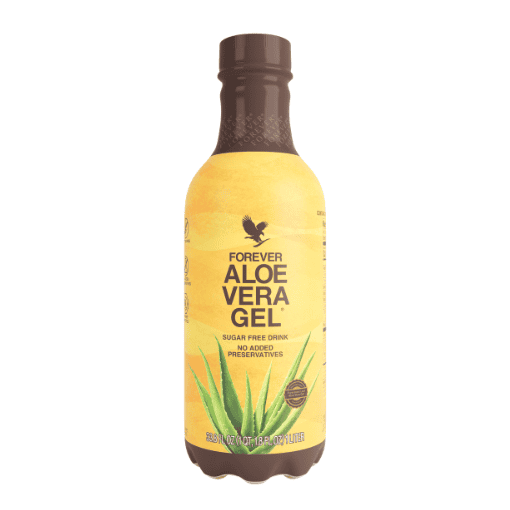 Aloe Vera Gel
A daily aloe drink for people who want simple support for digestion and routine.
It makes sense if you are looking at the topic through digestion and a simpler daily routine. Arctic Sea Omega
A supplement for energy, heart and circulation routines when you want longer-term daily support.
Useful to compare when you are looking for energy, focus or vitality support. Forever Fiber - FIBER
A simple fiber add-on when you want digestion and satiety support during the day.
It fits topics such as appetite, portions, energy or a weight-management routine.Ginger: nutritional profile and how to include it in your daily routine
Ginger is one of those ingredients that stands in almost every kitchen, and is often used casually and without thinking. Maybe you add it to your tea when your throat feels scratchy. Maybe it's sitting in your freezer and you're waiting for the"right opportunity". And the truth is that this humble root plant hides an impressive nutritional profile and a number of proven health effects.
In this guide, you will see what ginger contains, what are its main benefits and how to practically include it in your day. We will go through simple ideas for drinks, meals and small rituals that fit into the busy life of an adult. If you are at an age when you care about work, family and your own health at the same time, ginger can be a very useful ally.
Here's the thing: the goal isn't to drink a"magic potion,"but to use ginger wisely as part of a broader, balanced routine. In addition, you will also receive practical advice on how to combine it with aloe vera and selected food supplements, and how to avoid the most common mistakes.
What is ginger and why is it so special
Ginger (Zingiber officinale) is a root that has been used in Asian cuisine and traditional medicine for centuries. It has a characteristic spicy taste and a slight lemon note, so it perfectly"wakes up"tired recipes. In addition to cooking, it is also used as part of natural protocols for digestion, immunity and various inflammations.
The main active ingredients of ginger are gingerols, shogaols and zingerone. It is these compounds that are associated with an anti-inflammatory effect, influence on digestion and possible support in blood sugar regulation. Scientific publications, and not only traditional medicine, are increasingly talking about these effects.
If you want to understand more deeply the anti-inflammatory effect it hasginger, it is good to know that it works on several levels. Some compounds affect oxidative stress, others affect signaling pathways involved in inflammatory processes. This is why ginger is often mentioned alongside omega 3 fatty acids, turmeric and other"functional"foods.
Nutrient profile of ginger in brief
The amount of ginger that you realistically use in a day is not large. It is usually 2 to 5 grams of fresh root in tea, juice or food. However, even in that quantity, it brings an interesting package of nutrients and phytochemicals.
On average, 100 grams of fresh ginger contains about 80 calories, some fiber, small amounts of protein and almost no fat. It also contains vitamin C, B6, magnesium, potassium, copper and manganese. In practice, we rarely eat 100 grams at once, but even smaller amounts contribute to the variety of the diet.
What makes ginger special is not only vitamins and minerals, but precisely bioactive compounds. A review of studies published in nutrition journals shows that ginger has strong antioxidant and anti-inflammatory potential, and that it affects inflammatory markers in a variety of conditions. One recent analysis suggests that ginger may reduce levels of certain cytokines and enzymes associated with chronic inflammation, which is important for heart, joint, and metabolic health.
According to a comprehensive article on the benefits of ginger, effects on digestion, nausea, blood sugar levels, and inflammation have been described, and these effects occur as early as 1 to 3 grams per day, especially when ginger is used regularly over a long period of time. You can read more about it inarticle on the scientifically proven benefits of ginger.
The main health benefits of ginger
Digestion support and flatulence reduction
Ginger is traditionally used for feelings of heaviness after eating, slower digestion and flatulence. It is believed to stimulate the motility of the digestive system and help empty the stomach faster. This is especially useful when you are eating a larger or fattier meal, or when you have a sensitive stomach.
Perhaps you yourself have noticed that a cup of ginger tea after a late dinner"sits down"better than coffee or heavy drinks. If it bothers you oftenbloating after certain foods, ginger can be part of a broader strategy with dietary adjustments. It is important, of course, to monitor in parallel which foods bother you the most.
Effect on nausea and"restless"stomach
One of the most researched uses of ginger is for nausea. Meta-analyses show that ginger can help with nausea in pregnancy, after surgery, and with some forms of chemotherapy-related nausea. The role of ginger is not miraculous, but the difference in subjective symptoms is often measurable.
A review of studies in pregnant women suggests that a daily dose of about 1 gram divided into several smaller portions is often sufficient to relieve nausea, without significant side effects. A systematic analysis on the topic of nausea in pregnancy and the use of ginger, published in a medical journal, talks about this in more detail. You can see a summary of the results ina review of studies on ginger and nausea in pregnancy.
Support for chronic inflammation
Chronic low-level inflammation is linked to heart disease, metabolic syndrome, certain types of arthritis, and numerous other conditions. This is precisely where ginger is increasingly mentioned as part of an"anti-inflammatory"diet. Its compounds affect several signaling pathways involved in inflammatory reactions.
A review of the scientific literature shows that ginger can reduce levels of certain inflammatory markers, such as C-reactive protein and some cytokines. A recent review states that ginger exhibits significant antioxidant and anti-inflammatory effects, and may be a useful supplement for conditions such as rheumatoid arthritis and osteoarthritis. He writes about it in more detaila review of the anti-inflammatory effects of ginger.
Effect on blood sugar and metabolism
Several studies in people with type 2 diabetes show that ginger can help lower HbA1c and some glycemic parameters. Most of these studies used capsules of standardized ginger in doses of 1 to 3 grams per day. These are higher doses than what we take in through food, but they give a good signal in which direction ginger works.
It is important to emphasize that ginger is not a substitute for prescribed therapy, but it can be part of a plan that includes a balanced diet, exercise and regular check-ups with a doctor. If you are taking blood sugar medication, always consult a professional before introducing large amounts of ginger supplements.
Support of immunity and respiratory system
Due to the combination of antioxidants, vitamins and spicy compounds, ginger is often used in"winter"drinks. Many people intuitively reach for ginger tea when they feel the first signs of a cold. It is no coincidence that the same recipes often contain lemon, honey and sometimes aloe vera.
You don't have to exaggerate. A small, regular intake in the morning or throughout the day can be quite enough to support a sense of vitality. If you want to further strengthen the immune response, you can also consider a combination with supplements such asForever Absorbent C, with an agreement with a doctor or nutritionist.
How to safely include ginger in your daily routine
Here's the good news: You don't need to completely change your diet to experience the benefits of ginger. A few smart moments in the day are enough to add it to drinks or meals.
Morning drink with ginger
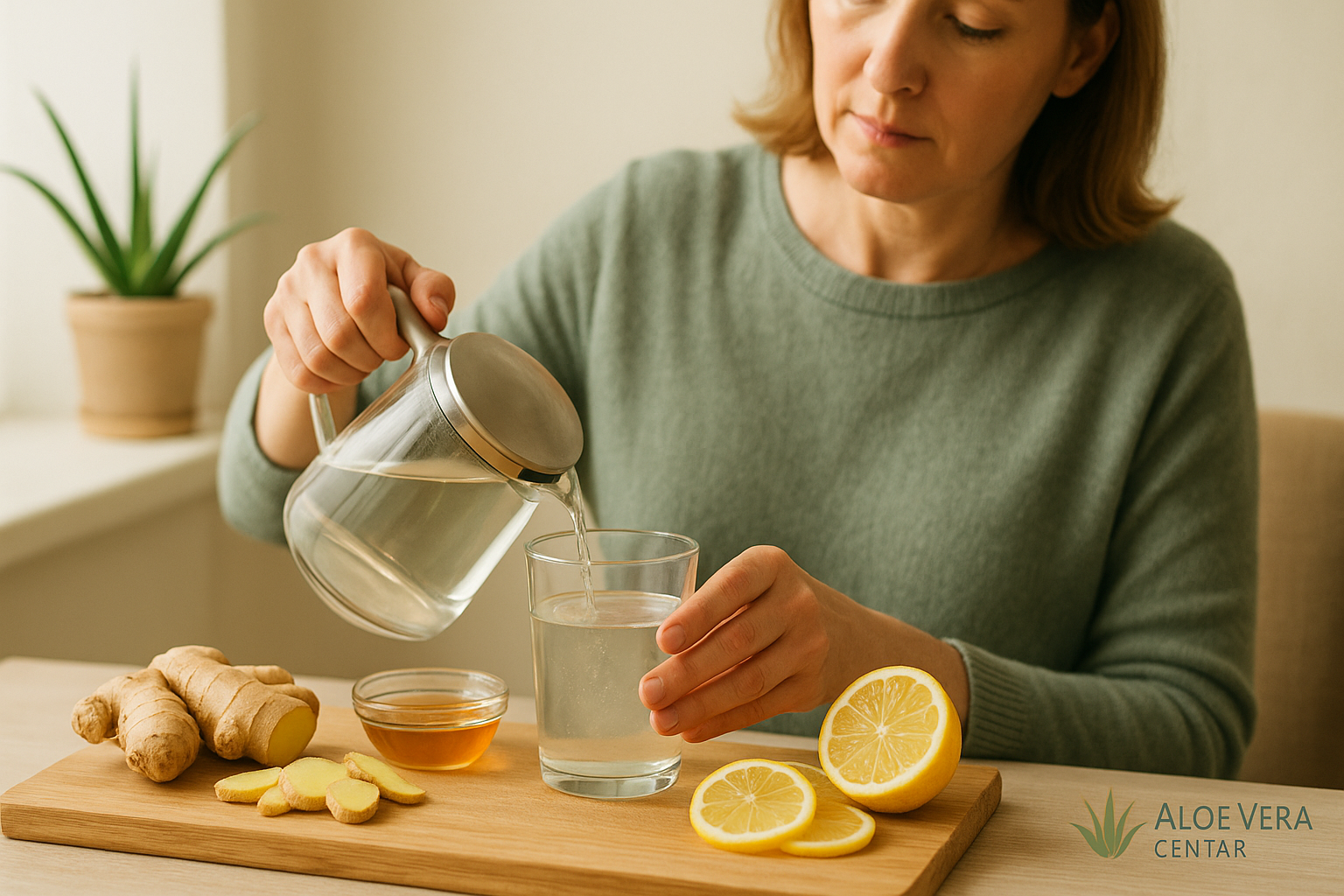
The simplest variant is a lukewarm drink with ginger on an empty stomach. It doesn't have to be extremely strong. It is enough to grate about a teaspoon of fresh root into a cup of lukewarm water, leave it for a few minutes and drink it in small sips.
If you like combinations, you can also add some lemon or aloe vera gel to the same drink. You will find more ideas for hot drink plus aloe combinations in the article on how to use different ones wiselyherbal teas through the day.
Ginger tea for a calmer stomach
Ginger tea is a classic method of application. Cut several thin slices of fresh root, cover with hot water and leave for ten minutes. If desired, strain and add a little honey when the drink cools down.
If you sometimes suffer from a sensitive stomach or heartburn, ginger tea can help to"settle"the stomach. In the case of chronic ailments, it is good to study guides that deal with topics such as reflux and heartburn, for example an article on how small habits help with problems such asGERD and heartburn.
Ginger in smoothies and meals
A small piece of fresh ginger in a smoothie can completely change the experience of the drink. Especially if you use sweet fruits, like banana or mango, ginger will add freshness and reduce the feeling of"heaviness". Half a centimeter of root is enough for one portion.
Ginger also goes well with vegetables. You can grate it into wok dishes, marinades for chicken or fish, and even into salad dressings. If your goal is to reduce sugar and have a more stable appetite, such combinations fit nicely into plans such aslow carb meals.
Small evening routines for better digestion
If you have a late dinner due to work, an evening ginger drink can help the night pass more peacefully. It can be a warm drink with a little honey or simply warm water with thin slices of the root. It is important that you drink slowly and consciously.
For people prone to indigestion and constipation, a combination of ginger with fiber and enough fluid often works well. For additional support of digestion, carefully selected ones can also helpnatural laxatives, but introduce all changes gradually.
Ginger, aloe vera and modern supplementation
Ginger fits very naturally into the"a little, but every day"philosophy. The same applies to aloe vera. Both plants are used both in nutrition and in cosmetics, and are often mentioned together in the context of digestion, immunity and skin care.
If you already use stabilized aloe vera gel, for example as part of your morning ritual, you can easily add a little fresh ginger to it in the drink. When choosing food supplements, it is important to pay attention to the quality of the product. One example of supplements that combines aloe and traditional phytotherapy isForever Aloe Vera Gel, which many include in their routine for digestion and general vitality.
When thinking about combining ginger with other supplements, look at the bigger picture. If you already take omega 3, vitamin D or a multivitamin, there is no need for ten new products. When planning a routine, digital support can also help. If you're not sure how to put together your package of supplements and aloe products, you canuse our AI advisor which helps tailor recommendations to your needs.
Who should be careful with ginger
Although ginger is safe for most people when used in culinary quantities, there are situations where caution should be exercised. This is especially true for people who take blood thinners, diabetes medications, or have more serious chronic illnesses.
A review of clinical studies shows that higher doses, especially in capsule form, can increase the effect of some drugs or cause heartburn, indigestion and stomach discomfort. That is why it is important to gradually increase the amount and monitor the body's reaction. If you are pregnant, planning to become pregnant or breastfeeding, be sure to consult your doctor before taking ginger supplements.
The same is true for supplements that target immunity and cardiovascular health. An example is formulations with omega 3 fatty acids, where it is important to pay attention to the total intake and interactions with the therapy. If you are considering a combination of ginger with omega 3, it is useful to coordinate it with products such as capsules that contain concentrated fatty acids. You can find detailed information about such products from trusted sources, for example through the description of an add-on such asForever Arctic Sea Omega, always with expert advice.
How much ginger is enough
Culinary amounts of up to a few grams of fresh ginger per day are sufficient for most healthy adults. This is roughly equivalent to one to two teaspoons of grated root. In studies, higher doses are more often used in the form of capsules, but this is not necessary for the daily routine.
A practical approach looks like this. In one day, you can drink one cup of ginger tea, add some fresh root to a smoothie and spice up one dish. If you notice heartburn or any discomfort, simply reduce the amount and see how you feel.
For people with chronic diseases, especially diabetes or cardiovascular diseases, it is good to consult a doctor or nutritionist before introducing larger quantities. Some studies on people with diabetes show a beneficial effect on HbA1c and some lipid parameters, but these effects were achieved under controlled conditions, under expert supervision. More data on the effects of ginger supplementation on glycemia are available in recent clinical reviews, for example in an article analyzing the effects of ginger supplementation on inflammation and metabolic markers, and such papers are available in the Scientific Papers Database such as reviews on inflammatory diseases and ginger, for exampleof a systematic review on the effects of ginger on health.
An example of a daily routine with ginger for a busy adult
When you're between meetings, family responsibilities, and trying to find some time for yourself, you need a plan that's realistic. Here is an example of how to integrate ginger into your day without additional stress.
- Morning: lukewarm water with grated ginger before breakfast.
- Breakfast: a simple meal with protein and fiber, without too much sugar.
- Morning break: a cup of ginger tea instead of another coffee.
- Lunch: a warm dish with a little fresh or dry ginger in a sauce.
- In the afternoon: a short walk and a glass of water, without additional calories.
- Evening: light dinner, maybe soup or salad with a little ginger dressing.
You can easily adapt this plan to your habits. If you are prone to indigestion, it is worth studying the wider context of nutrition. A useful introduction to the topic can be a guide that explains how to stack the plate for better satiety and stable energy, such as an article on howput together a plate with proteins, fats and fibers.
Frequently asked questions about ginger
How much ginger is safe per day for a healthy person?
Up to a few grams of fresh ginger per day is safe for most healthy adults. That's about one to two teaspoons of grated root through drinks and meals. Larger doses in the form of capsules should be introduced with the advice of a specialist.
Can I use ginger if I have a sensitive stomach?
Many people with sensitive stomachs tolerate ginger in small amounts. If you have reflux, ulcers or other more serious problems, start with very small amounts and observe the reaction. For chronic problems, always consult a doctor or gastroenterologist.
Can ginger replace medicine for nausea or pain?
No. Ginger can relieve mild nausea or discomfort, but is not a substitute for therapy prescribed by a doctor. If you experience severe nausea, dizziness, severe pain or other serious symptoms, be sure to seek medical help.
Are there groups of people who should avoid ginger?
People who take blood thinners, strong blood sugar medications, or have severe bleeding need special caution. Pregnant and nursing women should consult a doctor before taking ginger supplements. In culinary quantities, most people tolerate it well.
Bottom line: a small step with a big impact
Ginger is one of those foods that doesn't ask for much, but can give you a lot. It's not a miracle cure, but as part of a smart diet and routine, it can support digestion, reduce bloating, help with mild nausea, and contribute to an overall sense of vitality.
When you put together a basic routine with food, exercise and smart accessories, each new day becomes a little easier on the body and mind. Ginger then stops being “just another trend” and becomes a small but steady part of your long-term health plan.
For inspiration on how modern technology and AI are used to build a global online business, read the articleHow this couple is building a global business with AI and working 95% online.
Note: This text is for informational purposes only and does not replace the advice of a doctor or other health professional. If you have existing health problems, are taking medication or are planning major changes in your diet and supplementation, be sure to consult your doctor or nutritionist before introducing ginger in larger quantities.
Products most closely related to this topic
If you want to compare concrete options after reading, these products are the closest match to the article topic.
Aloe Vera GelA daily aloe drink for people who want simple support for digestion and routine.
It makes sense if you are looking at the topic through digestion and a simpler daily routine.Arctic Sea OmegaA supplement for energy, heart and circulation routines when you want longer-term daily support.
Useful to compare when you are looking for energy, focus or vitality support.Forever Fiber - FIBERA simple fiber add-on when you want digestion and satiety support during the day.
It fits topics such as appetite, portions, energy or a weight-management routine.Short answers that help
If you are still comparing options, these are the points worth checking before you continue.
What should I take from this article?
Use it to understand the topic in practical terms and compare it with your current routine, needs and next step.
When does it make sense to ask for a recommendation?
Ask when the topic feels relevant, but you are not sure which Forever Living Products product or routine fits you best.
Does this article replace professional advice?
Ginger: nutritional profile and easy ways to include it in your day is educational content. For medical conditions, medication, pregnancy or persistent symptoms, include qualified professional advice.
Describe what you want to achieve
If you do not know which product to choose, write your goal, habits or doubts and get a more concrete suggestion.
Recommended products

Related articles to keep exploring