The key points from this article
- Praktična proteinska podrška kada želiš jednostavniji obrok ili međuobrok.
- Dodatak za rutinu energije, srca i cirkulacije kada želiš dugoročniju dnevnu podršku.
- For a personal choice, continue with a recommendation after reading.
Products most closely related to this topic
If you want to compare concrete options after reading, these products are the closest match to the article topic.
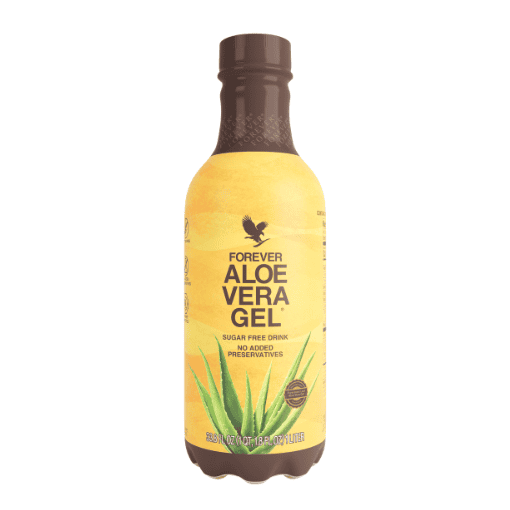 Aloe Vera Gel
A daily aloe drink for people who want simple support for digestion and routine.
It makes sense if you are looking at the topic through digestion and a simpler daily routine. Arctic Sea Omega
A supplement for energy, heart and circulation routines when you want longer-term daily support.
Useful to compare when you are looking for energy, focus or vitality support.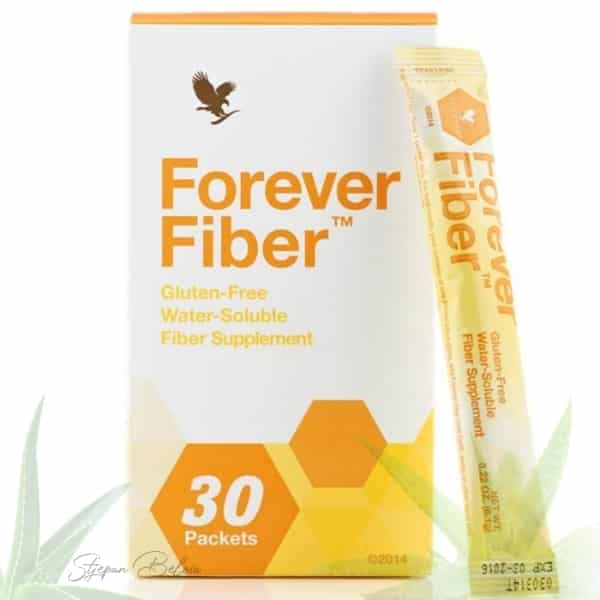 Forever Fiber - FIBER
A simple fiber add-on when you want digestion and satiety support during the day.
It fits topics such as appetite, portions, energy or a weight-management routine.Flax seeds vs. chia: comparison of fiber, protein and omega-3
Flax seeds vs. chia - a question we hear more and more often when someone wants to improve digestion, increase energy and smartly increase the intake of omega-3 fatty acids. You might be wondering why? Because these two superfoods in a small package hide an impressive nutritional potential that can be seen already after a few weeks of regular use. In the following, you will find out who is"stronger"when we talk about fiber, protein and omega-3, how to prepare them so that you can really use all the nutrients, and in which situations it is better to reach for flax and when for chia seeds. Sound too good to be true? Continue reading.Quick comparison – numbers that make a difference
For a fair comparison, let's compare a typical portion of 28 g (approximately 2 tablespoons). The data were taken from publicly available nutritional value databases.| Nutrient | Flax - 28 years old | Chia – 28 years old |
|---|---|---|
| Fibers | ≈ 7.8 g | ≈ 9.8 g |
| Proteins | ≈ 5.2 g | ≈ 4.7 g |
| Omega-3 ALA | ≈ 6.48 g | ≈ 5.06 g |
| Calcium | ≈ 72 mg | ≈ 179 mg |
| Magnesium | ≈ 111 mg | ≈ 95 mg |
Fiber - satiety, stable sugar and regular digestion
Fiber is often the"secret ingredient"to better gut health and easier appetite control. Chia seeds contain more total fiber per serving and form a characteristic gel thanks to mucilage. This gel slows down gastric emptying and can help control glucose after a meal. Flax, on the other hand, offers a balanced ratio of soluble and insoluble fibers and is naturally rich in lignans - plant polyphenols that additionally contribute to health. Practical for you: if you associate the primary goal with appetite control and a smaller glycemic spike after a meal, chia in overnight oatmeal or yogurt can be the right thing. If you are troubled by irregular stools or want to additionally support intestinal peristalsis, fine ground flax it is a great choice in the morning smoothie.- For quick help with sensitive digestion, see the guide on natural laxatives.
- If you are occasionally troubled by"stagnation", the advice from the article is also useful digestion and constipation.
- Do you want to further curb hunger pangs between meals? Read and how fiber helps control appetite.
Proteins – a small supplement with a big impact
Vegetable sources of protein often"boost"your daily intake without feeling heavy. Per serving, flax offers slightly more protein than chia. Chia has a range of essential amino acids and is practical when you need a neutral flavor in desserts or puddings. Flax has a fuller, nutty flavor and goes great with oatmeal, smoothies and homemade breads. Why is it important at the age of 30 to 55? A stable protein intake helps preserve muscle mass, especially if you train at a low to moderate intensity and have a sedentary job. If you add 1 to 2 tablespoons of seeds to your breakfast, it will be easier to hit your daily"target".Omega‑3 – ALA from plants and when to consider EPA/DHA from a marine source
Both seeds stand out for their high content of ALA - plant omega‑3. On average, flax contains something more ALA per serving, while chia also provides an impressive amount. However, it is crucial to understand that ALA is limited in the body to EPA and DHA – forms of omega‑3 that directly affect the heart, brain and vision. That's why people with higher needs, such as those with low fish consumption, sometimes combine herbal sources with a high-quality fish oil supplement. Do you want a practical combination? For targeted EPA/DHA support consider Forever Arctic Sea Omega. This step is often chosen by readers who already use flax or chia, but want to increase their EPA and DHA intake directly. By the way - if you want to go deeper into the topic, we have an overview on the blog omega‑3 fatty acids and an article on the practical benefits of marine omega‑3 for the heart and brain: Forever Arctic Sea - overview of benefits.How much ALA do you really get
A typical 28g serving provides about 6.5g of ALA in flax and about 5.1g of ALA in chia seeds. If you eat fish infrequently, this distinction is useful. But remember - the conversion of ALA to EPA/DHA is low, so sometimes it makes sense to combine.Lignans and antioxidants - a bonus that makes flax special
Flax is probably the richest dietary source of lignans – polyphenols whose precursors are converted into enterolignans in the intestines. Important? Because lignans can contribute to hormone balance and protect cells from oxidative stress. Chia also contains antioxidants, but the amount of lignans in flax simply stands out.Preparation and absorption - how to get the most out of it
Flax: grind for better utilization
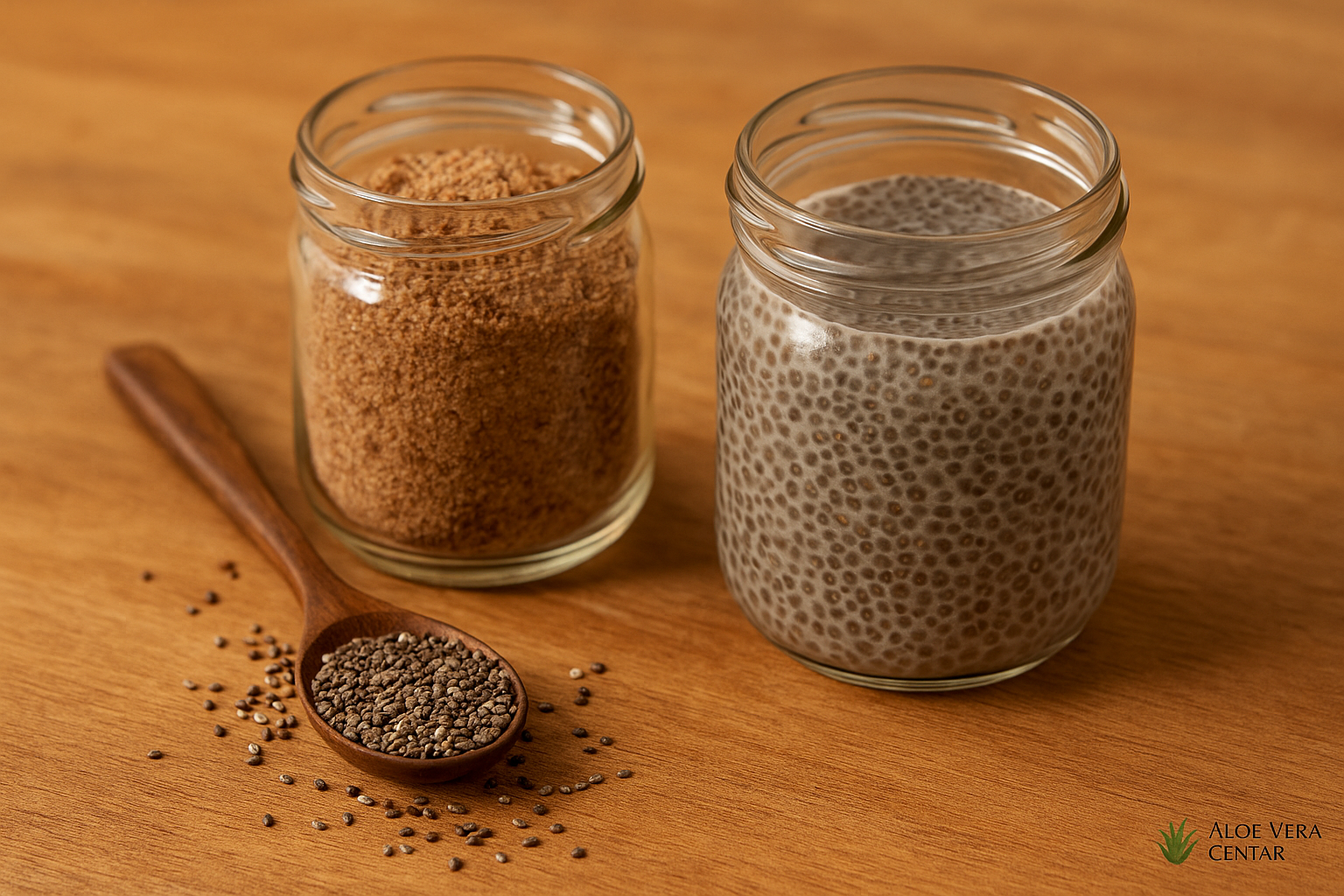
Key Note: ground flax is better used than the whole. Whole seeds often pass through the digestive system almost intact, so you miss out on some of the omega‑3s and lignans. It is best to grind small amounts in a coffee grinder and store in the refrigerator for up to a week.Chia: soaking for gel and more pleasant digestion
Chia absorbs 8 to 10 times its weight in water and forms a gel that facilitates digestion and prolongs satiety. A ratio of 1 tablespoon of chia to 4 to 6 tablespoons of liquid is a good start - leave for 10 to 20 minutes.Water, water, water
Any fiber needs liquid. If you are just introducing flax or chia, increase the dose gradually and drink enough water throughout the day. Need a reminder on how to time your sips? Quick Guide Fr hydration it will help you arrange the rhythm.Which seeds to choose according to the goal
You want more fiber and satiety
Chia leads in total fiber and is fantastic in puddings, yogurts, overnight oats and"chia jam". If you need to"hold until lunch"in the morning, start with 1 tablespoon and gradually increase.Focus on omega‑3 ALA and lignans
Flax offers more ALA per serving and is extremely rich in lignans. If you want a"hardcore"antioxidant package and hormonal support, ground flax in a smoothie or sprinkled over a salad is a great choice.Strengthening bones and endurance
Chia is naturally richer in calcium. If you rarely eat dairy products, chia can be a useful addition to your overall diet, along with regular exercise and exposure to the sun.Smart combinations in practice
- Chia pudding with yogurt and blueberries – 2 tablespoons of chia seeds, 150 ml of almond milk, yogurt as desired, vanilla extract, a handful of blueberries. Leave for 20 minutes.
- Morning smoothie with flax – Greek yogurt, banana, a handful of berries, 1 to 2 tablespoons ground flax, a little cinnamon. If desired, add an ice cube.
- Chia jam – crushed raspberries, 1 tablespoon of chia and a teaspoon of honey. After 15 minutes, you have a thick coating for pancakes or oatmeal.
- Protein bar with flax – wholemeal flour, ground flax, sunflower seeds, egg white. A baked piece provides longer satiety with soup or salad.
How to combine seeds with other supplements and natural drinks
Fiber and omega-3"work"fantastically when they are part of a wider, well-thought-out routine. If you want to support EPA/DHA directly, mention it Forever Arctic Sea Omega it is a logical supplement to plant ALA from flax and chia. For those who find it difficult to"fit"fiber in their plate, it is practical to add a concentrated fiber supplement such as Forever Fiber – one stick a day easily goes into a bottle of water or a smoothie. If you want to calm stomach discomfort and nourish the intestinal lining at the same time, many readers like to include Forever Aloe Vera Gel in the morning routine. You will find more inspiration in the article about Aloe Vera juice.The most common mistakes and how to avoid them
- A sudden increase in fiber - start with 1 teaspoon, then 1 tablespoon, then 2 tablespoons over 1 to 2 weeks.
- Too little water – aim for evenly distributed fluid intake every day.
- Whole flax seeds – without grinding, you lose parts of the benefits. Grind immediately before consumption.
- Leaving chia in too little liquid for too long - you will get"concrete". Follow the ratio and mix after 5 minutes.
Flax or chia - who wins?
Short and clear: there is no absolute winner. If you want more fiber and calcium - choose chia. If you're looking for more ALA and lignans – reach for flax, but grind it. Best of all? Combine them throughout the week, depending on the meal and the goal of the day. It might be flax in a smoothie on Mondays, and chia pudding with blueberries in the middle of the week. It's simple and it works.Frequently asked questions
1) How many seeds per day is optimal?
For most adults, a good starting point is 1 to 2 tablespoons per day (about 10 to 20 g), gradually increasing to 28 g if you tolerate fiber well. Always increase your intake gradually and drink enough water.2) Do I always have to grind flax?
It is recommended. Ground flax ensures better availability of omega‑3 and lignans. Whole seeds often pass through digestion almost intact.3) Chia sometimes"bloats"- what am I doing wrong?
It's probably down to the amount of liquid. Reduce the dose, soak well and distribute the intake throughout the day. If you have sensitive intestines, start with half a tablespoon.4) Can seeds help with cholesterol?
Soluble fiber and polyphenols from flax and chia can be part of a plan for a healthy lipid profile - with a balanced diet, exercise and, if necessary, medical advice. For additional EPA/DHA support, consider a quality omega‑3 supplement.Conclusion
Flax and chia are"tiny allies"with a big effect. Choose by goal: chia for extra fiber and satiety, flax for ALA and lignans. The best results are given by a smart combination - plus enough liquid and patiently increasing the dose. Want a personalized plan for your lifestyle, meal schedule and training? Turn on AI advisors and you'll get suggestions that fit into your day. You are also ready for a smart purchase - you can do it right now 15% discount on selected orders. Note: This content is informative in nature and is not a substitute for medical advice. If you have chronic conditions, are taking therapy or are pregnant/nursing, consult a doctor or specialist before introducing supplements.Products most closely related to this topic
If you want to compare concrete options after reading, these products are the closest match to the article topic.
Aloe Vera GelA daily aloe drink for people who want simple support for digestion and routine.
It makes sense if you are looking at the topic through digestion and a simpler daily routine.Arctic Sea OmegaA supplement for energy, heart and circulation routines when you want longer-term daily support.
Useful to compare when you are looking for energy, focus or vitality support.Forever Fiber - FIBERA simple fiber add-on when you want digestion and satiety support during the day.
It fits topics such as appetite, portions, energy or a weight-management routine.Short answers that help
If you are still comparing options, these are the points worth checking before you continue.
What should I take from this article?
Use it to understand the topic in practical terms and compare it with your current routine, needs and next step.
When does it make sense to ask for a recommendation?
Ask when the topic feels relevant, but you are not sure which Forever Living Products product or routine fits you best.
Does this article replace professional advice?
Praktična proteinska podrška kada želiš jednostavniji obrok ili međuobrok.
Describe what you want to achieve
If you do not know which product to choose, write your goal, habits or doubts and get a more concrete suggestion.
Recommended products

Related articles to keep exploring