In this guide
- Zero-waste cooking: using roots, leaves and stems
- Why root to leaf is a game changer
- Three rules of zero-waste kitchen
- Sheets that deserve a place on the table
- Stems without secrets
- Peels and skins that carry flavor and nutrients
- Foundations and soup bases from"waste"
- Safety first: what doesn't go in the pot
- Mini plan for 7 days without waste
- Quick recipes from roots, leaves and stems
- Techniques that preserve taste and nutrients
- Zero-waste mindset in practice
- Frequently asked questions
- Conclusion
- Common questions
Zero-waste cooking: using roots, leaves and stems
Cooking without waste is not just a trend but a smart culinary strategy that saves money, preserves health and respects the planet. Have you ever wondered how many nutritious peels, leaves and stems end up in the bin every day, even though they are full of flavor and micronutrients? Here's the thing: with a few practical techniques and a little imagination, any part of the food can become the star of the plate. Below, I walk you through a root-to-leaf approach with ideas, mini-recipes, and safety guidelines you can apply today.
Why root to leaf is a game changer
This approach brings three clear benefits. First,nutritional gain: many discarded parts contain fiber, vitamins, polyphenols and phytonutrients. Secondly,financial savings: you buy less, use more and throw away minimally. Third,taste and creativity: stems, leaves and barks bring freshness, texture and aroma that we usually miss. Sound too good to be true? Continue reading.
Do you want to make it easier for the whole family to eat more plant-based foods through practical tricks? See the guide forincreasing intake of fruits and vegetables and use the ideas already this week.
Three rules of zero-waste kitchen
- Planning and rotation – match recipes so that what's left of one meal becomes the start of the next. It's great for that meal prep guide.
- Gentle thermals – lower temperatures and shorter preparation time preserve nutrients and color. Read how cooking at low temperatures helps preserve the most valuable.
- Blender is a friend – stems and leaves often shine in cream soups and smoothie combinations. If you are choosing between a blender and a juicer, take a look at smoothie or squeezed juice and decide what suits you better.
Sheets that deserve a place on the table
Carrot tops as pesto or chimichurri
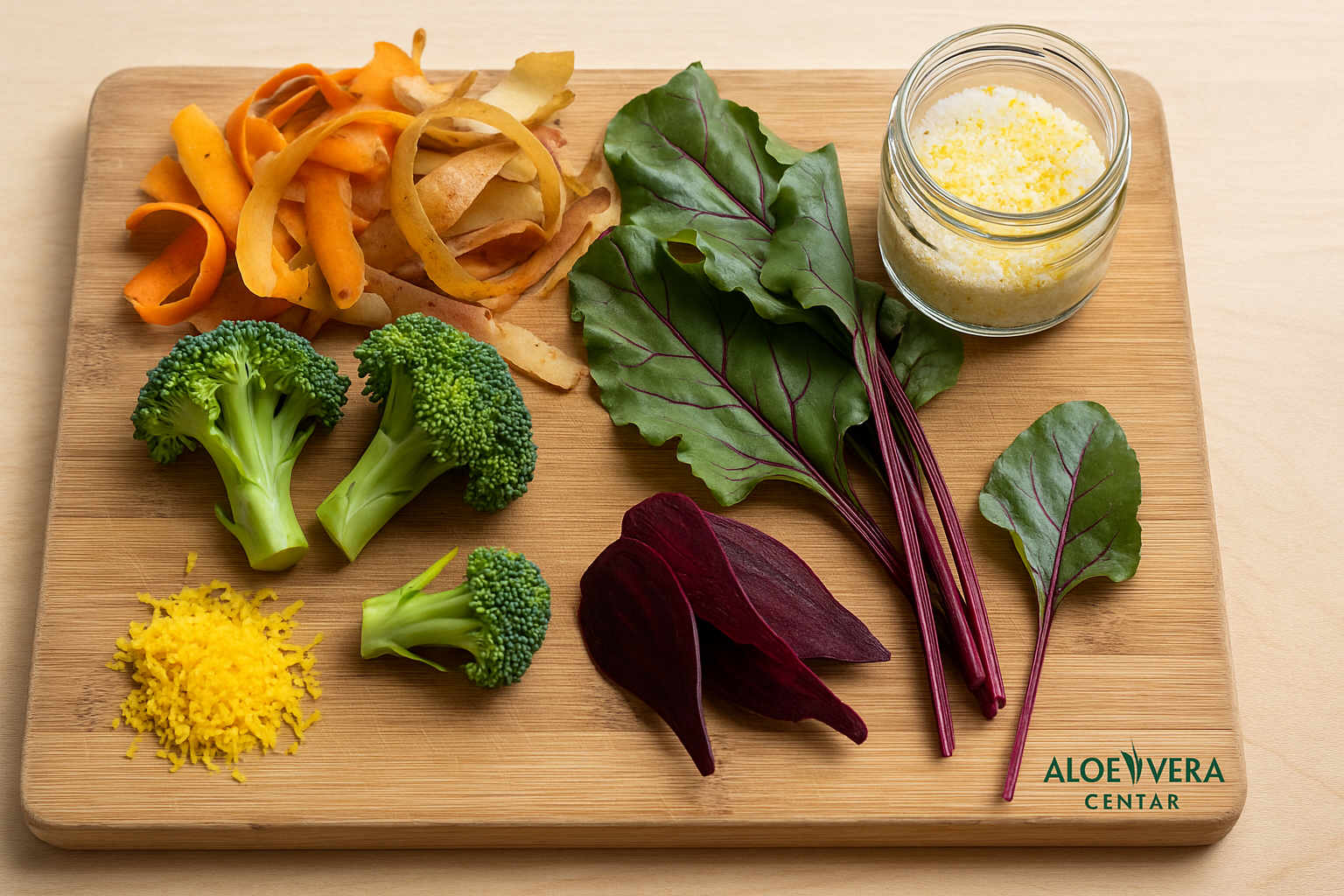
Carrot tops have a delicate, herbaceous note and are great for pesto or chimichurri. Wash them, remove the hard stalks and chop them with garlic, lemon zest and olive oil. You might be wondering why? Because they give freshness to pasta, fish or roasted vegetables, while using something you would otherwise throw away.
Texture Tip: For a richer, creamier finish, you can replace some of the olive oil with a higher smoke point oil when you plan to heat finish, such as one of the oils described in the article onavocado oil and coconut oil.
Beetroot leaves similar to Swiss chard
Beetroot leaves behave like Swiss chard or spinach: fry them briefly with garlic and lemon, add them to an omelette or risotto. But that's not all. Since they are naturally rich in oxalates, if you are prone to kidney stones, consider boiling and draining before preparing and moderate portions. Read more about oxalates in beetroot leaves in the summary atHealthline.
Cauliflower and broccoli leaves as crispy chips
Don't throw them away. Wash, dry, season with olive oil, salt and pepper and bake until crispy. You will get chips full of fiber and flavor. Reminder: broccoli is an excellent source of vitamins C and K and fiber, and its"hidden"part, the stem, is also delicious. For a brief overview of the values, seeHealthline Guide to Broccoli.
Stems without secrets
Broccoli and kale stems in a wok or as"noodles"
Cut the thick stalks lengthwise into thin strips. Blanch for 1 to 2 minutes, then transfer to the pan with the soy sauce, garlic and sesame sauce. The result is a juicy noodle-like side dish with a pleasant crunch. Want more ideas? Here's one: Coarsely grated stalks make a great thickener for flourless cream soups.
Parsley, coriander and dill stalks for fresh chimichurri
Do not throw away the aromatic stalks. Finely chop them, mix them with the leaves, add olive oil, aceto, chili and a little lemon zest. This sauce gives fantastic life to roasted vegetables, fish or tofu.
Peels and skins that carry flavor and nutrients
Citrus: from grated peel to tea mix
Lemon and orange peels are a treasure trove of flavonoids and aromatic oils, so grate them for marinade, cakes or homemade salt with lemon. According to reviews and articles for the general public, citrus flavonoids are associated with antioxidant and cardiometabolic effects, which you can read about inHealthline uses lemon zest in the review and in a scientific review on citrus flavonoids atPubMed Central.
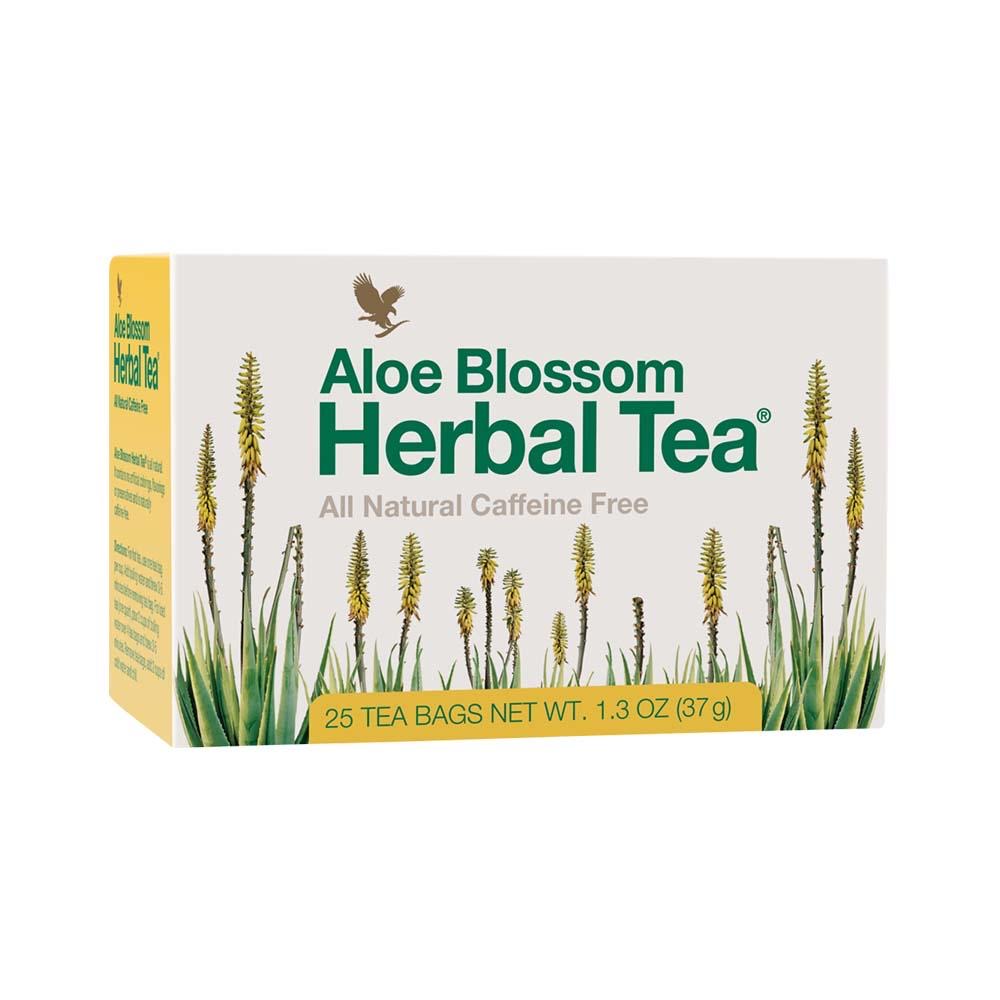
You can also dry the pods and add them together with cinnamon and cloves to a cup of an aromatic herbal drink such asAloe Blossom Herbal Tea. This is a great way to use"non-ideal"fruit that we often think of as waste.
Watermelon rind: salty pickles or quick stir-fry
Cut the white part of the watermelon rind into sticks and pickle it with vinegar, water, sugar and spices or fry it briefly with garlic and ginger. Yes, it's edible and very imaginative, and check out consumer reviews likeWebMD's guide to edible peels.
Foundations and soup bases from"waste"
When cleaning onions, carrots, celery, mushrooms or corn on the cob, store the peels and ends in a bag in the freezer. When it gathers, cover everything with water, add bay leaf and pepper and cook for 45 to 60 minutes. You got it gold base for soups, risottos and sauces. Even better, dry onion skins are rich in the natural polyphenol quercetin, so even small amounts can enrich the color and phytonutrient profile of the stock. For the curious, check out the research on quercetin from onion skins atPubMed Central.
Safety first: what doesn't go in the pot
Zero-waste is not a blind rule, but a smart application. Skip green or strongly sprouted potatoes. Green indicates increased levels solanine, a natural alkaloid that can cause digestive problems and other symptoms. Read details and guidelines for consumers atHealthline. A few more safety tips:
- wash the treated citrus peels particularly well or choose organic,
- remove damaged and rotten parts of vegetables,
- if you are unsure about the edibility of a particular plant's leaf or stem, look for trusted sources or ask an expert.
Mini plan for 7 days without waste
You may be wondering where to start. I suggest this quick plan with small steps that add up to a big difference.
- Monday - keep all the peels and ends of the vegetables in a container in the freezer for the stock.
- Tuesday - make pesto from carrot tops and use it as a spread.
- Wednesday – bake cauliflower leaves as chips with lunch.
- Thursday – cut the broccoli stems into noodles and add to the wok.
- Friday – dry lemon and orange peels for flavored salt or tea mixture.
- Saturday - pickle the watermelon rind as a side dish to the weekend barbecue.
- Sunday – boil a large pot of stock from the collected"waste"and freeze in portions.
For additional structure and time saving, arrange your weekly menus according tomeal prep guide and enjoy the liberating rhythm.
Quick recipes from roots, leaves and stems
Pesto from carrot tops
- 2 cups of cleaned carrot tops, 1 cup of parsley, 1 clove of garlic
- 60 ml of olive oil, 2 tablespoons of lemon juice, 30 g of nuts, salt and pepper
Grind all the ingredients in a blender. Serve with pasta, as a spread or topping for roasted vegetables.
Broccoli Stem Noodles
- Broccoli stalks sliced lengthwise, spoonful of soy sauce, garlic, sesame
Blanch for 2 minutes, drain and briefly fry with sauce. Done in 5 minutes.
Lemon zest with salt
- Dried grated zest of 2 lemons, 3 tablespoons of coarse sea salt
Mix and store in a jar. A pinch lifts fish, vegetables and dressings. For an extra cup of aromatic pleasure, try a cupAloe Blossom Herbal Tea with dinner.
Quick watermelon rind pickles
- 400 g of the white part of the watermelon rind, 200 ml of water, 200 ml of apple cider vinegar, 2 tablespoons of sugar, salt, pepper, mustard seeds
Boil the liquid, pour over the sliced watermelon rind and cool. Ready in a few hours.
Smoothie from"leftover"greens
- 1 cup stalks of celery and parsley, 1 apple, lemon juice, water or vegetable milk
Blend until creamy. If you want more satiety and more stable blood sugar, add a portionForever Fiber and turn a smoothie into a filling snack.
Techniques that preserve taste and nutrients
- Blanching then shocking – boil the leaves or stems briefly and immediately cool them in ice water. The color remains vivid, and the fibers become softer.
- Cutting"by fiber" – thin strips or small cubes ensure uniform softening and a better texture.
- Pickling and fermentation – in addition to prolonging the shelf life, they also introduce a new dimension of taste. A small greenhouse in the refrigerator becomes a treasure trove of meal accessories.
- Combining with fats - citrus peels and aromatic stalks dissolve their scents in oil, so first heat them briefly in a pan with a little fat.
Do you want to preserve maximum nutrients and taste? Read how you likecooking at low temperatures can become a new superpower in the kitchen.
Zero-waste mindset in practice
Set up a"corner for leftovers"in the kitchen with two containers: one for immediately usable (leaves, stems for wok, peels for salt), other for foundation (chips and ends). Mark the dates and rotate the content. If you have odd amounts of fruits and vegetables, turn them into a smoothie or soup and boost your daily intake of fiber and plant pigments.
Need quick personalized help on how to use what you already have in the fridge? Just click and use oursAI advisors for ideas tailored to you.
Frequently asked questions
Do I have to use organic fruit for the crust?
It is not necessary, but it is desirable. If using conventional citrus, wash the peel with warm water and a brush and dry before use. Always remove damaged parts.
Are carrot tops and radish leaves really edible?
Yes, and tasty at that. Carrot tops give freshness to pesto and sauces, and radish leaves are spicy like arugula. Always wash thoroughly and remove too hard fibrous parts.
What if the potatoes have turned green or sprouted?
Avoid very green or abundantly sprouted potatoes because of the possible elevated content of solanine. If the green spot is small, remove it with a thick cut, but caution is key.
How to prevent"waste"in the refrigerator from spoiling?
Immediately after cleaning, dry and store in closed containers. Plan recipes in advance, and for longer storage use freezing and cook the stock regularly.
Conclusion
When you start looking at food"from root to leaf", two things will happen: you will discover new flavors and reduce food waste. That sense of control over food and budget quickly becomes a habit. Start with one technique this week, stock up on the weekend, and try at least one recipe from the text. Need an extra boost? Use wisely for purchases15% discount and plan your pantry in advance.
Note: This content is for informational purposes only and is not a substitute for professional medical advice. For specific health conditions and dietary adjustments, consult your doctor or nutritionist.
Common questions
What should I take from this article?
Use it to understand the topic in practical terms and compare it with your current routine, needs and next step.
When does it make sense to ask for a recommendation?
Ask when the topic feels relevant, but you are not sure which Forever Living Products product or routine fits you best.
Does this article replace professional advice?
Cooking without waste: how to use roots, leaves and stems is educational content. For medical conditions, medication, pregnancy or persistent symptoms, include qualified professional advice.
Before first use
Choose products for your dietary routine and care needs. Follow a healthcare professional’s advice for diagnosis and treatment of symptoms. Check suitability first during pregnancy and for use by children.