The key points from this article
- Urinary tract infections in women: habits and prevention that really help Urinary infections they can ruin an entire week, but the good news is that most episodes can...
- You may be wondering why you have them reoccurring or how to reduce the risk without overdoing it with antibiotics.
- For a personal choice, continue with a recommendation after reading.
Products most closely related to this topic
If you want to compare concrete options after reading, these products are the closest match to the article topic.
 Aloe Vera Gel
A daily aloe drink for people who want simple support for digestion and routine.
It makes sense if you are looking at the topic through digestion and a simpler daily routine. Forever Active Pro B
Probiotic support when you want an easier daily way to care for digestion.
It makes sense if you are looking at the topic through digestion and a simpler daily routine.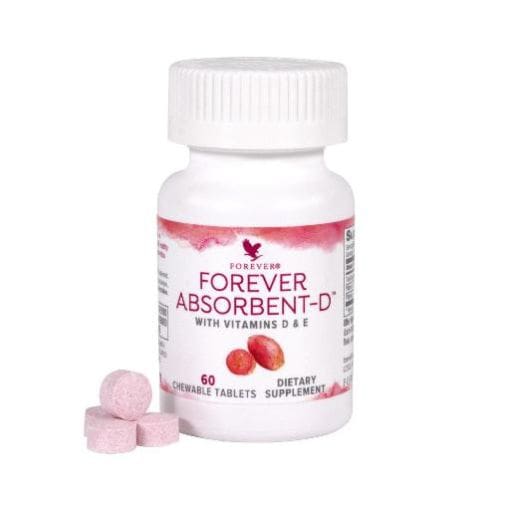 Forever Absorbent D
A simple fiber add-on when you want digestion and satiety support during the day.
It fits topics such as appetite, portions, energy or a weight-management routine.Urinary tract infections in women: habits and prevention that really help
Urinary infections they can ruin an entire week, but the good news is that most episodes can be prevented with smart habits. You may be wondering why you have them reoccurring or how to reduce the risk without overdoing it with antibiotics. Here's the thing: with a few proven routines, careful supplement selection, and a little patience, you can significantly reduce the frequency of ailments. Below, I guide you through a practical, science-backed plan that works for women ages 30 to 55, with an emphasis on hydration, intimate care, sexual habits, and microbiome support.Why women are more likely to have UTIs and how to reverse it
The female anatomy has a shorter urethra and a shorter distance between the anus and the urethra, so bacteria can reach the bladder more easily. In addition, hormonal changes during perimenopause and menopause, spermicides and frequent sexual intercourse can increase the risk of repeated infections. It is also good to know that some popular practices, such as"mandatory"urination after intercourse or certain methods of wiping, have shown limited and inconsistent evidence in studies, although they are still reasonably hygienic routines. Want to delve deeper into the topic and nutritional aspects like pH and herbal allies like cranberry or aloe? Read our guide on the topic urinary infections for an overview of the key factors and the most common misconceptions.Hydration and regular urination
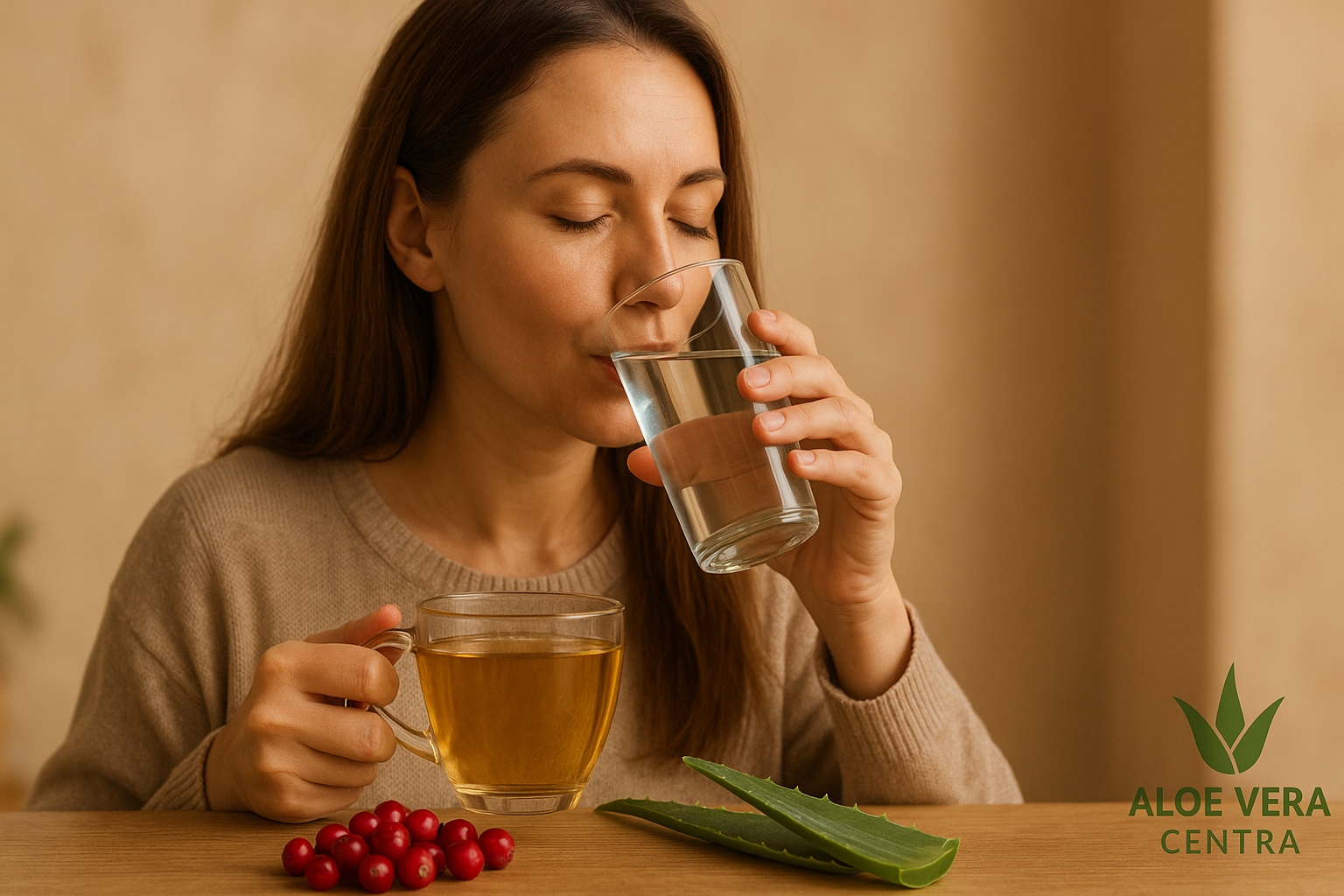
The simplest and often underestimated habit is to increase fluid intake and not retain urine. A randomized clinical trial showed that infection-prone women who drank about 1.5 liters more water per day had significantly fewer new episodes of cystitis and less need for antibiotics. It's a practical,"antibiotic-sparing"strategy that doesn't cost much and often brings quick results. For specific daily goals and practical tricks, check out our guide on the topic water intake. But that's not all. If you exercise or sweat, learn the difference between hypotonic and isotonic drinks and when which one is better for rehydration. Our guide rehydration during training gives simple guidelines on how to keep electrolytes in balance without burdening the stomach.Intimate hygiene and daily routines
- Do not hold urine and empty your bladder as soon as you feel the urge.
- Gently wash the intimate area with lukewarm water and a mild product without intense perfumes. Aggressive rinses and scented sprays can damage the microbiome.
- Avoid spermicidal preparations if you have recurring infections. Look for alternatives with the advice of a gynecologist.
- Cotton linen and breathable clothing reduce moisture and friction.
- Urination after intercourse and thorough but gentle washing of the vulva are reasonable habits, although the evidence for a protective effect varies.
Nutrition and supplements with evidence
Cranberry for prevention, not treatment
You might be wondering why cranberry gets the spotlight so often. Research indicates that its A-type proanthocyanidins can make it difficult for bacteria to adhere to the wall of the urinary tract. A systematic review has shown that cranberry products can reduce the risk of repeated episodes in women prone to UTI, but they are not a substitute for an antibiotic in an acute episode. The ideal dose and form vary, and it is important to choose standardized products.D-mannose - important new findings
D-mannose is popular, but a new randomized trial showed no benefit in reducing recurrences in women with frequent UTIs in primary care. The conclusion is clear: routine application for prevention is not recommended. Sound too good to be true? Keep reading, because there are options that actually make sense.Probiotics and vaginal estrogen
Probiotics with Lactobacillus strains can help restore the protective flora and reduce colonization by uropathogens, although the results of studies vary. If you are already considering probiotics, choose proven combinations of strains and be consistent for at least a few weeks. Our favorite for a practical, everyday routine is Forever Active Pro B as a targeted solution for the microbiome. For perimenopausal and postmenopausal women, vaginal estrogen can reduce the risk of recurrent infections by restoring the mucous membrane and returning lactobacilli. The doctor certainly decides on this topic, but it is worth knowing that the guidelines of urological societies support this option for women without contraindications.Immunity and"smart"nutrients
Your immune system works 24 hours a day. Along with a balanced diet and sleep, supplements with antioxidants can be a useful support. An example is a quality complex for women with plant extracts and micronutrients such as Vitolize Women. For a broader picture of vitamin D and its effect on defense functions, read the article vitamin d.Aloe vera in the prevention plan
If your urinary complaints are often accompanied by irritation and discomfort, it's worth considering aloe as part of your routine general support. Although aloe is not a cure for UTIs, its rich polysaccharide matrix can contribute to the comfort of the mucous membranes and a better general feeling with good hydration. Read more about how the plant affects microorganisms and the skin in the article antibacterial and antifungal action of aloe. For everyday drinks, choose mild herbal blends and teas. A warm cup Aloe Blossom Herbal Tea it can be your post-meal ritual, while it's a clean drink Forever Aloe Vera Gel a practical choice for morning hydration. If you are not sure what is ideal for your profile, you can use our AI advisor and get a personalized recommendation in a few minutes.Stress, sleep and relapses
Stress and lack of sleep disturb the immune balance, and this can affect the frequency of infections. If you often"burn on reserve", introducing evening rituals and mild adaptogens can help. Read more about how to balance cortisol in the article stress and cortisol.Antibiotics smartly and responsibly
Antibiotics are sometimes unavoidable. In case of confirmed recurrences, the doctor may suggest targeted short prophylaxis or postcoital intake. But before that, it makes sense to exhaust non-pharmacological measures and look for additional natural allies. For a broader education on herbal antimicrobial strategies, read our overview natural antibiotics.7 Step Daily Plan for Fewer UTI Episodes
- In the morning drink 300 to 500 ml of water and plan your fluid intake for the whole day.
- Add herbal drink after a meal or in the evening, for example a cup herbal tea.
- Do not hold your urine and empty your bladder regularly.
- Gently wash the intimate area and avoid aggressively scented products.
- Consider probiotics and take them daily for at least 4 to 8 weeks.
- Prioritize sleep and manage stress with short breathing routines and light walking.
- Write down the triggers such as spermicide use or episodes of dehydration and adjust habits.
When to contact a doctor immediately
- Body temperature, chills or back pain with urination.
- Blood in the urine or severe pain when urinating.
- Pregnancy, chronic diseases or reduced kidney function.
- Return of symptoms immediately after therapy.
Frequently asked questions
1. Does cranberry really help or is it a myth?
Cranberry has been shown to be useful in prevention in women prone to relapses because it can make it difficult for bacteria to adhere to the mucous membrane. However, does not heal acute infection and will not replace an antibiotic when it is needed. Choose standardized products and combine them with hydration and hygiene habits.2. Should I take D-mannose preventively?
According to a recent randomized trial, D-mannose did not reduce the frequency of recurrent infections compared to placebo. If you're considering a supplement, consider probiotics and cranberries first, and be sure to talk to your doctor if you have chronic conditions or are taking medications.3. How do probiotics help?
Probiotics with Lactobacillus strains can support a healthy microbiome, which can reduce colonization by pathogens. Use them daily and be patient for a few weeks. If you are looking for a verification option, take a look Forever Active Pro B.Conclusion
Prevention of urinary infections is not a trick but a trick combination of habits: consistent hydration, gentle intimate hygiene, thoughtful choice of contraception, microbiome support, and timely medical evaluation when necessary. If you want a personalized plan in a few steps, try ours AI advisors and adapt the routine to your rhythm of life. Ready to get started right away and save at the same time? You can on the official web shop get a 15% discount on selected products. For inspiration on how modern technology and AI are used to build a global online business, read the article "How this couple is building a global business with AI and working 95% online". Note: This article is informative and does not replace medical advice. If you have symptoms of a UTI, especially if you have fever, lower back pain, or blood in your urine, see your doctor.Products most closely related to this topic
If you want to compare concrete options after reading, these products are the closest match to the article topic.
Aloe Vera GelA daily aloe drink for people who want simple support for digestion and routine.
It makes sense if you are looking at the topic through digestion and a simpler daily routine.Forever Active Pro BProbiotic support when you want an easier daily way to care for digestion.
It makes sense if you are looking at the topic through digestion and a simpler daily routine.Forever Absorbent DA simple fiber add-on when you want digestion and satiety support during the day.
It fits topics such as appetite, portions, energy or a weight-management routine.Short answers that help
If you are still comparing options, these are the points worth checking before you continue.
What should I take from this article?
Use it to understand the topic in practical terms and compare it with your current routine, needs and next step.
When does it make sense to ask for a recommendation?
Ask when the topic feels relevant, but you are not sure which Forever Living Products product or routine fits you best.
Does this article replace professional advice?
Urinary tract infections in women - habits and prevention is educational content. For medical conditions, medication, pregnancy or persistent symptoms, include qualified professional advice.
Describe what you want to achieve
If you do not know which product to choose, write your goal, habits or doubts and get a more concrete suggestion.
Recommended products


Related articles to keep exploring