The key points from this article
- Vitamin E is one of those nutrients that you rarely think about when everything is fine, but as soon as fatigue, muscle weakness or vision problems appear, it suddenly...
- In this article, we go through what happens when there is not enough vitamin E, what are the most common symptoms, who is in the risk group, how to safely replenish it...
- For a personal choice, continue with a recommendation after reading.
Products most closely related to this topic
If you want to compare concrete options after reading, these products are the closest match to the article topic.
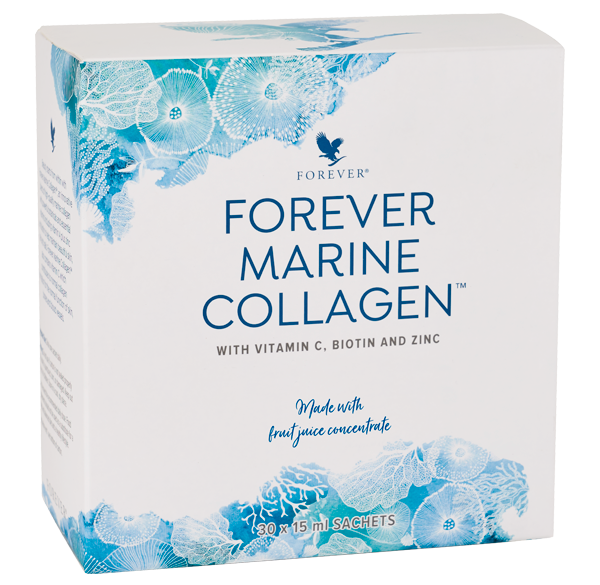 Forever Marine Collagen
A good fit when the goal is a routine for skin, hair, nails or joint-support habits.
Closest to a care routine for skin, hair or everyday personal care.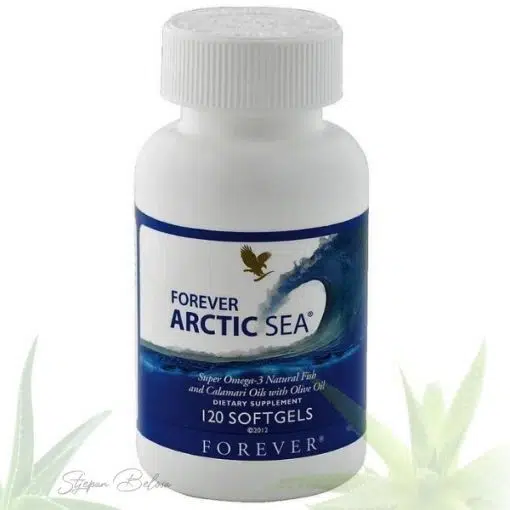 Arctic Sea Omega
A supplement for energy, heart and circulation routines when you want longer-term daily support.
Useful to compare when you are looking for energy, focus or vitality support.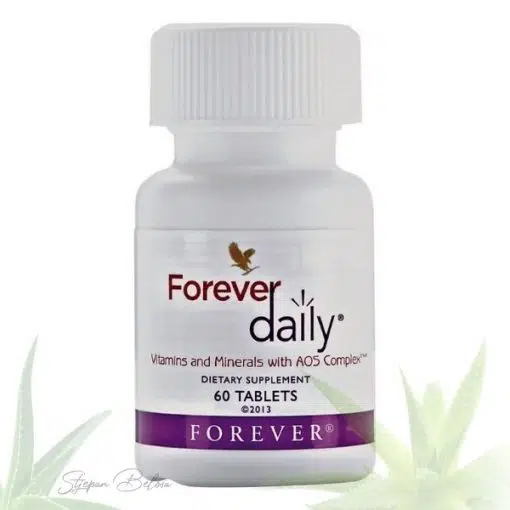 Forever Daily
Daily vitamin support when you want a steadier immunity, energy or nutrition routine.
Connected with daily support for immunity, energy or baseline nutrition.Vitamin E: deficiency, symptoms, risks and what to ask the doctor
Vitamin E is one of those nutrients that you rarely think about when everything is fine, but as soon as fatigue, muscle weakness or vision problems appear, it suddenly becomes very interesting. In this article, we go through what happens when there is not enough vitamin E, what are the most common symptoms, who is in the risk group, how to safely replenish it, and what questions are worth preparing for a conversation with a doctor. At the end, you will have a clearer picture of whether it is a real deficit or just a passing phase of fatigue and stress.
What is vitamin E and why is it important for the body
Vitamin E is a fat-soluble vitamin and a powerful antioxidant that protects cells from damage caused by free radicals. It participates in the normal function of the immune system, the health of blood vessels, the nervous system and the skin. When there is enough of it, the tissues are better protected, and the processes of aging and oxidative stress take place more slowly than with a chronic deficiency.
You can read more about the role of vitamin E in cell and skin protection in the guideVitamin E as a protector of cells and skin against oxidative stress, where the key functions of this vitamin in the body are summarized.
Another important role of vitamin E is cooperation with other antioxidants, especially vitamin C, beta carotene and polyphenols from plants. When these nutrients are combined in the diet, they create a kind of"antioxidant network"that protects cells, and you can find a nice example of such synergy in the text about how muchantioxidant power of aloe vera.
How much vitamin E do we need and who is at risk of deficiency
For adults, the recommended daily intake of vitamin E is usually around 15 mg per day, which most people can achieve with a varied diet containing vegetable oils, nuts, seeds and green leafy vegetables. Since vitamin E is present in many foods, a true deficiency is relatively rare and mainly occurs in people with chronic diseases of the digestive system or problems with fat absorption.
People with diseases of the liver, pancreas, cystic fibrosis, Crohn's disease or celiac disease, as well as those who long-term follow very restrictive, extremely low-fat diets, have an increased risk of deficiency. For women in their forties and fifties, an additional challenge can be the hormonal transition, so you may also benefit from a practical guide on how to adjustdiet in menopause to better support antioxidant levels and blood vessel health.
You may be wondering why there is so much emphasis on absorption. The reason is simple: vitamin E binds to fats, so anything that disrupts the digestion and breakdown of fats can affect the level of this vitamin in the long run, even if your diet looks good on paper.
The most common symptoms of vitamin E deficiency
Symptoms of vitamin E deficiency develop gradually. They are not dramatic overnight, but slowly creep into everyday life, so many interpret them as"tiredness from work"or the result of stress. With a mild to moderate deficit, the following often occur:
- muscle weakness, feeling of"rubbery"legs or arms
- tingling or numbness in the hands and feet
- poorer coordination, unsteadiness in walking and balance problems
- difficulty focusing vision, especially at night
- general fatigue, slower recovery after activity
In the case of a long-term, untreated deficit, more serious neurological symptoms may develop, such as marked instability when walking, muscle weakness, reduced sensation in the limbs, and even vision impairment. Some of these symptoms are described in detail in an independent articleHealthline article on vitamin E deficiency, where it is emphasized that changes are first noticed precisely in the nervous system.
On the skin and hair, the deficit sometimes manifests itself through extremely dry skin, slower healing of superficial wounds and brittle hair, which many first try to solve only with cosmetics, instead of looking deeper, according to diet and antioxidant levels.
Long-term risks of untreated vitamin E deficiency
Here's the thing: if a vitamin E deficiency is recognized in time, it can often be corrected very well with a change in diet and, if necessary, moderate supplementation. However, in long-term and severe deficiency, especially in people with chronic diseases that disrupt the absorption of fat, damage to the nervous system can occur, which is difficult to return to a completely normal state.
Scientific reviews show that vitamin E is important for preserving the function of the brain and cerebellum, as well as for the prevention of oxidative damage to neurons, which you can read more about in the professionalreview on PubMed about the role of vitamin E in neurology. This is the reason why neurologists always think about a possible deficiency of this vitamin in case of severe neurological symptoms.
An additional risk is the fact that people with vitamin E deficiency often have other nutritional deficiencies, for example vitamin D, K or certain fatty acids. In some cases, it is necessary to monitor blood coagulation, because the disease itself, as well as an inappropriate dose of the supplement, can affect clotting.
It is also important to know that high doses of vitamin E in the form of supplements can be risky, especially for people who are already taking blood-thinning drugs. In professionalreview on NCBI Bookshelf on vitamin E deficiency it is emphasized that chronic doses exceeding the recommended upper limits can increase the risk of bleeding, so self-initiated"shock"dosing without medical supervision is a bad idea.
Vitamin E in the diet: practical sources
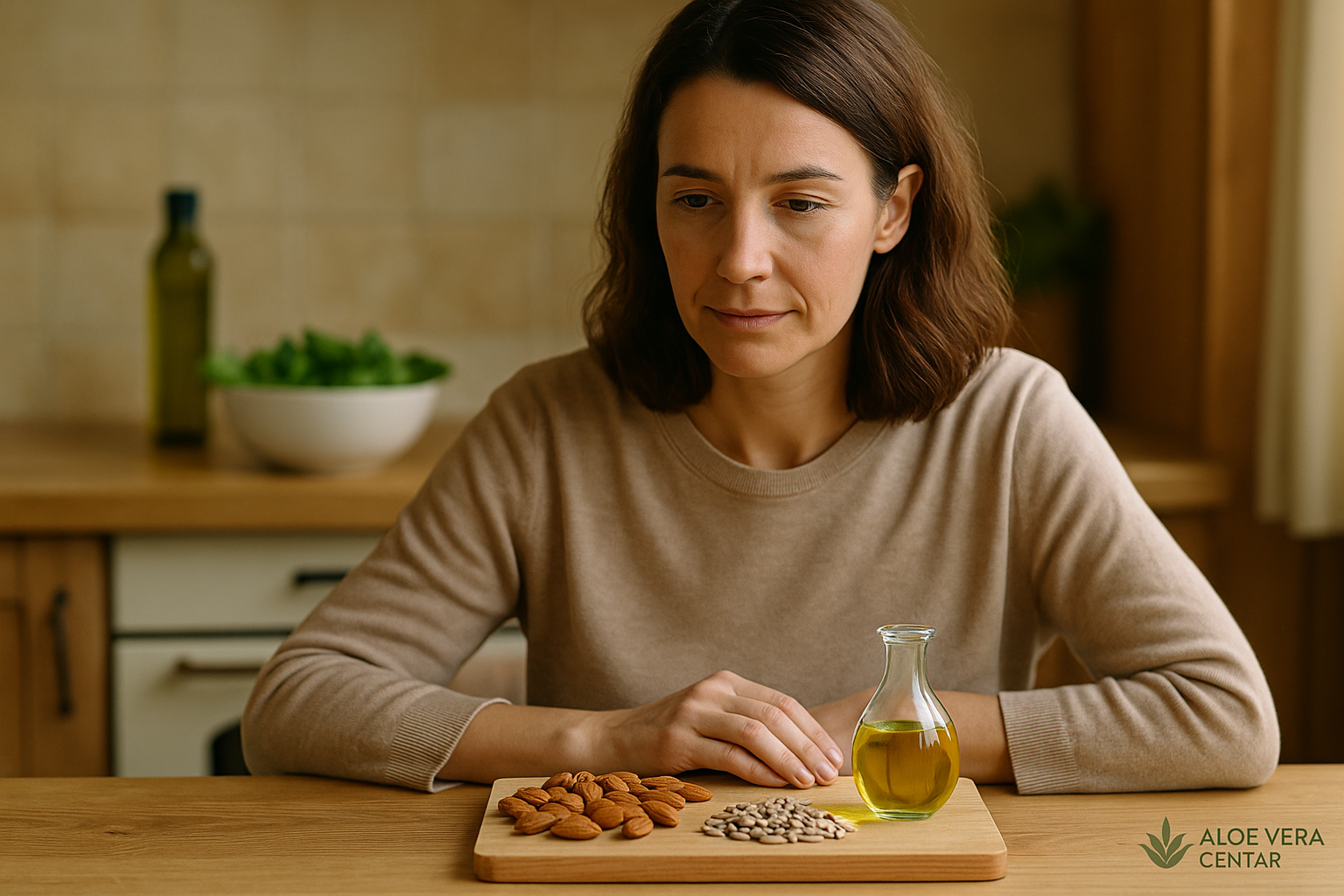
The good news is that vitamin E can be obtained relatively easily through the daily diet. The richest sources are vegetable oils such as sunflower oil, wheat germ oil, olive oil and grape seed oil, followed by nuts (almonds, hazelnuts), seeds (sunflower, pumpkin seeds), avocados and green leafy vegetables such as spinach and Swiss chard.
A simple trick is to enrich your lunch or dinner with a handful of seeds and a little high-quality oil on your salad, or to choose almonds and fruit as a snack instead of sweets. You can find inspiration for increasing the variety of vegetables in the menu in the article aboutincreasing the intake of fruits and vegetables in the whole family, where you will also find practical ideas on how to motivate the rest of the family to get involved.
Along with food, always pay attention to the method of preparation. Excessive frying at high temperatures can reduce the amount of vitamin E in the oils, so in many cases it is better to add part of the oil to an already prepared meal, rather than overheat it.
Do you need a vitamin E supplement or is your diet sufficient?
You may be wondering when it's time to consider a supplement, and when it's enough to"boost"your diet. As a rule, healthy adults without chronic diseases of the digestive system and without a very restrictive diet usually cover their needs for vitamin E through food. The supplement is taken in a targeted manner, when there is a medically justified suspicion of a deficiency or when your doctor or nutritionist assesses that your diet does not provide enough antioxidants in the long term.
When considering a multivitamin supplement, many opt for products that contain vitamin E and other vitamins and minerals in balanced doses. An example of such a product isForever Daily, a multivitamin that combines several micronutrients in one pill. However, such a supplement only makes sense when it is part of a broader strategy of changing the diet, and not a"magic pill"that erases bad habits.
If you're already taking a supplement, be sure to check the total amount of vitamin E you're getting from different sources, so you don't inadvertently exceed the recommended daily intake by combining multiple products.
Vitamin E, skin and antioxidants: when to think about topical care
Vitamin E is also well known in the context of skin care, especially for dry, mature or sensitive skin that is often exposed to the sun. Although topical care does not solve blood deficits, it can be a great support for the skin's barrier, especially when combined with other antioxidants and moisturizing ingredients.
One of the products often chosen by people with sensitive and dry skin is an oil serumForever Alpha E Factor, which combines vitamin E with other skin nutrients. It is important to emphasize that such products are used as part of the care routine, while any systemic deficit is always resolved through nutrition and, if necessary, supplements recommended by experts.
If you're interested in a broader view of how antioxidants from plants, including aloe vera, can help skin and immunity, it's helpful to occasionally skim through topics on the antioxidant properties of aloe, as the same ideas often apply to vitamin E in combination care.
How to talk to your doctor about vitamin E deficiency
When you get to the point where you're seriously wondering if you have a vitamin E deficiency, it's crucial that you don't show up to your appointment without a plan. The conversation will be much more useful if you prepare questions and a short note of your symptoms and habits in advance.
Before going to the examination, it makes sense to read and summarize, easily understoodUS NIH vitamin E fact sheet, to give you a rough idea of recommended intakes, food sources and potential risks of high doses.
Here are some specific questions you can ask your doctor:
- Based on my symptoms, does it make sense to check my vitamin E blood level or is it more likely that the cause is something else
- Do I have any diseases or medications that can reduce the absorption of vitamin E?
- Do you recommend that I change my diet first or supplement with vitamin E immediately?
- If we introduce a supplement, in what dose, for how long and with which controls
- Are there any medications I am taking, especially for blood clotting, that high doses of vitamin E could cause a problem with?
Do not be afraid to ask for a second opinion, especially if you have pronounced neurological symptoms (problems with balance, coordination, vision) or if you have more serious diagnoses of the digestive system, liver or pancreas, where the risk of deficiency is higher than in the general population.
When to think about a combination of vitamin E and other supplements
Vitamin E rarely comes alone in real life. In food, it is almost always packaged with other antioxidants, fatty acids and fat-soluble vitamins. For this reason, in practice, a complete"package"of support is more often considered, rather than an isolated vitamin.
An example of such an approach is the combination of vitamins, minerals and plant extracts through products such as aloe drinks, omega fatty acids and multivitamins. For people looking for targeted skin support and antioxidant protection, along with vitamin E, a supplement with aloe vera or collagen is sometimes introduced, depending on individual needs and expert advice.
If you're not sure where to start and which product would make the most sense for your situation, you can also use oursAI plugin selection advisor, which, based on your goals and basic health information, helps you narrow down your choices and prepare questions to discuss with your doctor or nutritionist.
Vitamin E and special life stages
The need for vitamin E changes throughout life. In childhood and adolescence, the emphasis is on the growth and development of the nervous system, while in adulthood we focus more on preserving the heart, blood vessels and skin. In later years, the prevention of accelerated cognitive decline and the preservation of muscle strength are additionally emphasized.
Women in perimenopause and menopause are often particularly sensitive to oxidative stress due to hormonal changes, so in addition to vitamin E, it is worth paying attention to sufficient protein, omega 3 fatty acids, vitamin D and quality sleep. During this period, it is especially important that you do not introduce nutritional supplements"on your own", but in agreement with your doctor, because some chronic therapy is often already being used.
For some people, a combination of multivitamins, quality nutrition and targeted supplements with consultation with a pharmacist or nutritionist makes sense. As an example of a multivitamin that, in addition to vitamin E, also provides other key micronutrients for the daily support of the body, it is often citedForever Daily, but the decision about a specific product should always be individual.
What specifically can you do already this week?
So that everything does not remain only in theory, it is useful to set yourself a few concrete, simple steps that you can apply immediately. For example:
- include at least a handful of nuts or seeds each day
- replace some of the refined oils with high-quality cold-pressed vegetable oils
- combine green leafy vegetables and colorful vegetables more often on the plate
- check the medications you are taking and possible side effects related to fat absorption
- write down the symptoms you notice and monitor them over several weeks
If, in addition to diet, you are also thinking about smaller, targeted changes in skin care, for example, the introduction of a serum with vitamin E, it is logical to connect this with an overall antioxidant support plan that includes nutrition, hydration and quality sleep, and not rely only on a cream or serum.
For those who like to delve deeper into the topic of antioxidants and skin aging, the article on how can be interestingantioxidant power of aloe vera supports the skin and immunity, because the same principles are often applied to vitamin E in combination with other nutrients.
Frequently asked questions about vitamin E deficiency
1. Is vitamin E deficiency common in otherwise healthy adults?
True, laboratory-confirmed vitamin E deficiency is rare in healthy adults who eat a varied diet and have no problems with fat absorption. It is more often seen in people with chronic diseases of the digestive system, liver or pancreas, and in those on very restrictive diets with long-term low-fat intake.
2. Can they"recognize"the deficit on their own based on symptoms alone?
Symptoms such as weakness, tingling, balance problems and blurred vision can be associated with vitamin E deficiency, but so can many other conditions. Without laboratory processing and examination, it cannot be said with certainty that vitamin E is the main problem, so it is important to contact a doctor if the symptoms are frequent or worsen.
3. Is it dangerous to take high doses of vitamin E"just in case"
Yes, excessive doses of vitamin E, especially in supplement form, can increase the risk of bleeding, especially in people who take blood thinners or have clotting disorders. That's why it's always better to check the actual level and agree on the dose with an expert, than to take large amounts for a long time on your own.
4. Can vitamin E be replenished only through diet?
In milder cases, when there is no serious impairment of absorption, it is often enough to aim to change the diet, increase the intake of quality vegetable oils, nuts and seeds and generally improve the variety of the menu. In case of a more pronounced deficit or more serious diseases of the digestive system, the doctor may also decide on supplementation in a precisely determined dose.
Conclusion: when to react and what is the next step
Vitamin E may not be the loudest vitamin when it comes to health, but its role in protecting cells, nervous system, skin and immunity is very specific. When there is not enough of it, the signals are subtle at first, and only later become more serious, so it is important to listen to your body and not ignore recurring symptoms such as weakness, tingling or vision problems.
If you want to take an extra step towards clarity and a structured plan, you can consult with your doctor, and for ideas on how to incorporate natural supplements and aloe into your health and beauty routine, ourAI plugin selection advisor, which can provide product suggestions and questions for an expert based on your goals.
Finally, remember that supplements are never a substitute for good nutrition, exercise, quality sleep, and stress management, but rather a tool that complements what you're already doing for your health.
For inspiration on how modern technology and AI are used to build a global online business, read the articleHow this couple is building a global business with AI and working 95% online.
Note: This article is for informational purposes only and is not a substitute for advice, diagnosis or therapy provided by a physician or other qualified healthcare professional. If you have symptoms that point to a more serious problem or are taking chronic therapy, be sure to consult your doctor before making any major changes in your diet or introducing nutritional supplements.
Products most closely related to this topic
If you want to compare concrete options after reading, these products are the closest match to the article topic.
Forever Marine CollagenA good fit when the goal is a routine for skin, hair, nails or joint-support habits.
Closest to a care routine for skin, hair or everyday personal care.Arctic Sea OmegaA supplement for energy, heart and circulation routines when you want longer-term daily support.
Useful to compare when you are looking for energy, focus or vitality support.Forever DailyDaily vitamin support when you want a steadier immunity, energy or nutrition routine.
Connected with daily support for immunity, energy or baseline nutrition.Short answers that help
If you are still comparing options, these are the points worth checking before you continue.
What should I take from this article?
Use it to understand the topic in practical terms and compare it with your current routine, needs and next step.
When does it make sense to ask for a recommendation?
Ask when the topic feels relevant, but you are not sure which Forever Living Products product or routine fits you best.
Does this article replace professional advice?
Vitamin E deficiency: symptoms, risks and what to ask the doctor is educational content. For medical conditions, medication, pregnancy or persistent symptoms, include qualified professional advice.
Describe what you want to achieve
If you do not know which product to choose, write your goal, habits or doubts and get a more concrete suggestion.
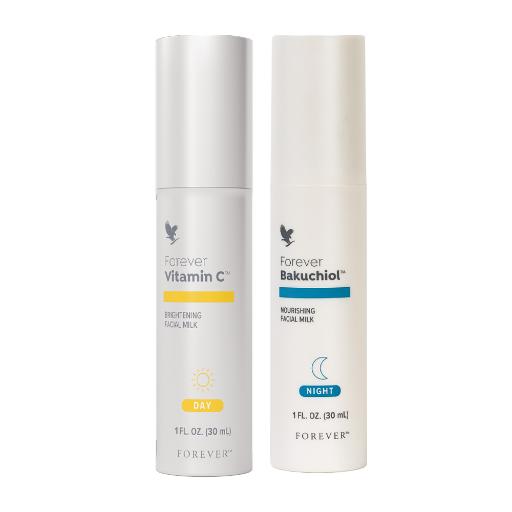
Recommended products
Related articles to keep exploring