
The key points from this article
- Vitamin D3 deficit je danas jedan od najčešćih tihih problema kod odraslih u našoj regiji.
- Možda se osjećate stalno umorno, bole vas mišići ili češće hvatate svaku virozu.
- For a personal choice, continue with a recommendation after reading.
Products most closely related to this topic
If you want to compare concrete options after reading, these products are the closest match to the article topic.
 Forever Active Pro B
Probiotic support when you want an easier daily way to care for digestion.
It makes sense if you are looking at the topic through digestion and a simpler daily routine. Forever Fiber - FIBER
A simple fiber add-on when you want digestion and satiety support during the day.
It fits topics such as appetite, portions, energy or a weight-management routine.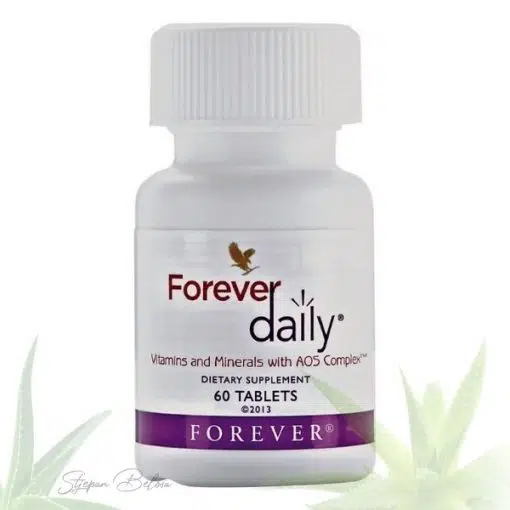 Forever Daily
Daily vitamin support when you want a steadier immunity, energy or nutrition routine.
Connected with daily support for immunity, energy or baseline nutrition.Vitamin D3 deficiency: symptoms, risks and what to ask the doctor
Vitamin D3 deficit je danas jedan od najčešćih tihih problema kod odraslih u našoj regiji. Možda se osjećate stalno umorno, bole vas mišići ili češće hvatate svaku virozu. Lako je sve to pripisati stresu ili godinama, ali ponekad je razlog upravo vitamin D3. The good news is that this deficit can be recognized in time and corrected in a targeted manner. The even better news is that you don't have to do it alone, because your doctor and nutritionist can be important allies.
Below you will find out how vitamin D3 works in the body, what are the most common symptoms of deficiency and who belongs to the risk groups. Proći ćemo glavne zdravstvene rizike dugotrajnog deficita, ali i opasnosti pretjeranog uzimanja dodataka. At the end, you will receive a clear list of questions that are worth asking the doctor at the next examination. The goal is for you to understand your findings, know what options you have, and make a calmer decision for yourself.
What is vitamin D3 and why is it so important
Vitamin D3 belongs to the group of fat-soluble vitamins and acts as a kind of hormone in the body. Najpoznatiji je po tome što pomaže apsorpciju kalcija i fosfora iz probavnog sustava. Bez dovoljno vitamina D3, tijelo te minerale jednostavno ne koristi učinkovito. Zato je ključan za čvrste kosti, zube i normalnu mineralizaciju kostiju kod djece i odraslih.
In addition to bones, vitamin D3 supports muscle, nervous system and immune response. Mnoge stanice u tijelu imaju receptore za vitamin D, uključujući stanice imuniteta. Research shows that adequate levels help regulate inflammatory processes and defense against infections. Povezuje se i s raspoloženjem te kognitivnom funkcijom, iako su ti odnosi složeni.
You may be wondering where we even get vitamin D3 from. Tijelo ga najvećim dijelom sintetizira u koži pod utjecajem UVB zraka. Manji dio dolazi iz hrane kao što su masna riba, obogaćeni mliječni proizvodi i žumanjak. Treći izvor su dodaci prehrani, koji mogu biti potrebni kod dokazanog deficita. Prema stručnim smjernicama, krvna razina 25(OH)D služi kao glavni pokazatelj statusa vitamina D.
Želite dublje ući u temu važnosti vitamina D tijekom godine? Then an article about it is usefulwhy vitamin D is important to you, posebice ako razmišljate o prilagodbi rutine kroz sezone.
Why does vitamin D3 deficiency occur?
Vitamin D3 deficit najčešće nastaje kao kombinacija više faktora. Manjak izlaganja suncu vrlo je čest razlog, posebno zimi i u urbanim sredinama. Ako većinu dana provodite u zatvorenom ili uvijek koristite visoku zaštitu, sinteza u koži može biti ograničena. Tu su zatim geografska širina, sezona i zagađenje zraka, koji dodatno smanjuju količinu UVB zraka.
Another group of causes is related to digestion and absorption. With chronic intestinal diseases, celiac disease, after certain operations of the digestive system or with liver and kidney diseases, the use of vitamin D can be reduced. A higher BMI is also associated with lower levels, as vitamin D is stored in fat tissue. Certain medications can further interfere with the metabolism of this vitamin.
The risk of deficit increases with age. Older skin creates vitamin D less, and the kidneys have a harder time converting it into an active form. People with darker skin naturally have more melanin, which reduces the synthesis of vitamin D in the skin. If you live in an area with little sun in the winter, it's a good idea to look at a practical plan forlack of vitamin D in winter and see which habits can be adapted.
The most common symptoms of vitamin D3 deficiency
Here's the thing. Vitamin D3 deficiency often has no clear symptoms for years. Many people get used to a state of chronic fatigue and low energy. Only when more serious complaints appear, do they realize that there is a problem. Below are the symptoms most often mentioned in the literature.
- Frequent exhaustion and a feeling of severe fatigue, even after enough sleep.
- Pain in the bones, back or joints without a clear mechanical cause.
- Weakness and pain in the muscles, especially in the thighs and shoulder girdle.
- More frequent respiratory tract infections or prolonged recovery after a cold.
- Slower wound healing and tendency to minor injuries.
- Mood swings, anxiety or mild depressive symptoms.
It is important to know that the same symptoms can have many other causes. Therefore, they should not be interpreted in isolation. The 25(OH)D blood test is the only reliable indicator of whether it is really a deficiency. If you have already been diagnosed with bone, joint or chronic autoimmune diseases, vitamin D deficiency can further worsen the picture. Risks of long-term vitamin D3 deficiency
Long-term vitamin D3 deficiency does not only affect current mood or energy. It also affects the bone structure. In adults, it can lead to osteomalacia, which means poor bone mineralization and chronic pain. It is also associated with a faster loss of bone mass and a higher risk of fractures, especially in old age.
The deficit also affects the muscles. Weaker muscle strength increases the risk of falls, which is especially dangerous for the elderly. Some research has linked lower levels of vitamin D to a higher risk of cardiovascular disease, certain autoimmune diseases, and mood disorders. These relationships are complex and are still being researched, but the indicators are there.
At the same time, the other side of the coin should be mentioned. Excessive intake of vitamin D supplements can lead to toxicity. Then there is an increased level of calcium in the blood, nausea, vomiting, confusion and kidney damage. It is a rare but serious condition, so doses above the upper limit should only be taken under medical supervision.
How is vitamin D3 deficiency diagnosed?
If you suspect vitamin D3 deficiency, the first step is to talk to your family doctor. He will assess your symptoms, medical history, medications and lifestyle. Based on this, they will decide whether a laboratory analysis should be done. The standard test is the measurement of the concentration of 25(OH)D in the blood.
Results are expressed in nmol/L or ng/mL, which sometimes confuses patients. The doctor will explain to you where your result is in relation to the reference values. It is important to point out that the limits of deficit and insufficiency may differ between guidelines. That is why it is useful to ask the doctor how he interprets your findings and what goal he wants to achieve.
In some situations, the doctor will order additional tests, such as calcium, phosphorus, parathyroid hormone or bone density markers. This helps assess how much the deficit has already affected bones and metabolism. It's all part of a bigger picture, not just a number on paper.
Natural sources, supplements and combinations with other nutrients
We get vitamin D3 from three main sources. The first is the sun, the second is nutrition, and the third is nutritional supplements. Each source has its advantages and limitations. The sun is a natural and free source, but it depends on the time of year, time of day, skin color and sun protection. Because of the risk to the skin, experts recommend a careful balance between moderate exposure and protection.
Nutrition alone hardly covers all needs, but it can be an important support. The most vitamin D is found in fatty fish, cod liver oil, egg yolk and fortified products. If you are working on nutrition at the same time, the guide forhow to stack a plate, because it shows how to practically combine protein, fat and fiber sources for stable energy.
When natural sources are not sufficient, a doctor may recommend vitamin D3 supplements. Calcium is often included with vitamin D, especially in people with osteoporosis or an increased risk of fractures. In these cases, a product such asForever Calcium, which combines calcium with additional bone nutrients. The dose and duration of intake must be coordinated with the findings and therapy.
In addition to targeted vitamin D, many choose a multivitamin supplement to cover a wider spectrum of micronutrients. An example isForever Daily, which contains various vitamins and minerals in one daily formula. A multivitamin does not replace a balanced diet, but it can help fill gaps in intake, especially with a demanding lifestyle.
What about the combination of vitamin D and calcium in a broader context? If you want to understand this synergy in more detail, check out the article that covers itsynergy of calcium and vitamin D, because it gives practical examples of combinations and potential pitfalls.
Vitamin D3, immunity and seasonal infections
Vitamin D3 plays an important role in the regulation of the immune response. Immune cells need this vitamin for proper activation and extinguishing of inflammation. Some studies show that people with lower levels are more likely to have respiratory infections. At the same time, it should be emphasized that vitamin D is not a magic shield, but part of a wider puzzle.
Seasonal colds and viruses are a good opportunity to rethink your own routine. In addition to sufficient levels of vitamin D, sleep, nutrition, movement and hand hygiene are important. If you want a structured approach to preparing for the winter months, you may benefit from this article on what it looks likeflu season and immunity, with an emphasis on zinc, vitamin D and probiotics.
What to ask your doctor about vitamin D3
When you come for your checkup, it's important that you feel free to ask questions. It is your life and your health. A well-prepared conversation can prevent misunderstandings and unnecessary worry. Below are questions that help many patients get a clearer picture.
- What is my current 25(OH)D level and how do you interpret it in my case?
- Do I need vitamin D3 supplementation and how long do you plan to take it?
- What dose do you recommend for me personally and with what meals is it best to take it?
- Are there interactions between vitamin D3 and medications I am already taking?
- How often should I repeat the blood tests to monitor the effect of the therapy?
- What else can I change in my diet and lifestyle to support healthy vitamin D levels?
You may find it easier to prepare questions in advance on paper or in notes on your mobile phone. In this way, you will avoid forgetting what is important to you in the doctor's office. If you have multiple chronic conditions or are taking multiple medications, consider consulting a nutritionist. It can help balance nutrition and supplementation, especially when you're balancing multiple goals, such as energy, weight, and digestion.
For additional support in navigating through products and combinations, you can use the smart oneAI advisor for personalized recommendations. It helps filter information and guide you toward solutions tailored to your habits and goals.
When you think about accessories and a more affordable purchase
The decision to take vitamin D3 supplements should always be made after reviewing the findings. When the doctor confirms the deficit and suggests compensation, the next step is to find proven products. In doing so, pay attention to the purity of the composition, the clearly marked dosage and the reputation of the manufacturer. Regular blood monitoring remains mandatory, especially at higher therapeutic doses.
Don't forget other nutrients that support healthy vitamin D metabolism and bone health. This includes calcium, but also magnesium, vitamin K2 and quality protein sources. If you're interested in practical meal ideas that support hormones, mood, and energy, you can also explore articles ondiet in menopause or other topics tailored to your life stage.
Frequently asked questions about vitamin D3 deficiency
How long does it take to recover from vitamin D3 deficiency?
The duration of recovery depends on how pronounced the deficit was and how long it lasted. In many cases, the first changes in energy and mood occur after a few weeks of regular supplementation. It may take several months for blood levels to stabilize completely. Based on the control findings, the doctor will decide whether the dose should be reduced, continued or adjusted.
Can vitamin D3 be compensated only by sunbathing?
Moderate sun exposure certainly helps, but is often not enough as the only strategy. In winter, the solar spectrum is weaker, and many people work indoors. People with lighter skin must also be aware of the risk of skin damage. For this reason, in practice, the sun, diet and targeted supplements are most often combined according to the doctor's recommendation.
Can I take vitamin D3 if I already take several nutritional supplements?
You can, but very carefully and with expert advice. It's important to add up all the sources of vitamin D you're already taking, including multivitamins and specialty supplements. A doctor or pharmacist can check the total dose and warn you about possible drug interactions. This is particularly important in kidney disease, sarcoidosis and other conditions that alter calcium metabolism.
Is there a difference between vitamin D2 and D3 in supplements?
In additions, forms D2 and D3 are most often used. Research shows that D3, or cholecalciferol, is usually better at raising and maintaining the level of 25(OH)D in the blood. That is why vitamin D3 is more often recommended in practice, especially for long-term replacement. However, the final choice of form and dosage should be left to the doctor, because he should look at the entire clinical picture.
Conclusion: How to take control of vitamin D3
Vitamin D3 deficiency does not have to be a permanent condition that quietly undermines your health and energy. Once you understand why this vitamin is important, it is easier to make concrete decisions. The first step is simple: talk to your doctor and ask for your 25(OH)D level to be checked. Based on the findings, you can, together with the expert, create a plan that includes sun, nutrition and smartly chosen supplements.
In addition to professional support, it is useful to have a digital companion that simplifies the choice of products and combinations. That is why it is practical that today there is an AI advisor and systems that help combine medical recommendations with concrete solutions in practice. When these elements work together, there is less chance that you will end up in the deficit zone or, on the other hand, overdose.
For inspiration on how modern technology and AI are used to build a global online business, read the articleHow this couple is building a global business with AI and working 95% online. It nicely shows how smart systems can support long-term goals, whether it's health or business.
Note: This article is for educational purposes only and is not a substitute for professional medical advice, diagnosis or treatment. Always consult your doctor or other qualified health professional to assess your own health condition, adjust therapy or introduce new nutritional supplements.
Products most closely related to this topic
If you want to compare concrete options after reading, these products are the closest match to the article topic.
Forever Active Pro BProbiotic support when you want an easier daily way to care for digestion.
It makes sense if you are looking at the topic through digestion and a simpler daily routine.Forever Fiber - FIBERA simple fiber add-on when you want digestion and satiety support during the day.
It fits topics such as appetite, portions, energy or a weight-management routine.Forever DailyDaily vitamin support when you want a steadier immunity, energy or nutrition routine.
Connected with daily support for immunity, energy or baseline nutrition.Short answers that help
If you are still comparing options, these are the points worth checking before you continue.
What should I take from this article?
Use it to understand the topic in practical terms and compare it with your current routine, needs and next step.
When does it make sense to ask for a recommendation?
Ask when the topic feels relevant, but you are not sure which Forever Living Products product or routine fits you best.
Does this article replace professional advice?
Vitamin D3 deficiency: symptoms, risks and key questions for the doctor is educational content. For medical conditions, medication, pregnancy or persistent symptoms, include qualified professional advice.
Describe what you want to achieve
If you do not know which product to choose, write your goal, habits or doubts and get a more concrete suggestion.
Recommended products


Related articles to keep exploring