The key points from this article
- Stress and cortisol are the first places to look when colds recur every season.
- You may have the feeling that a cold always greets you as soon as it gets cold or as soon as work "goes crazy".
- For a personal choice, continue with a recommendation after reading.
Products most closely related to this topic
If you want to compare concrete options after reading, these products are the closest match to the article topic.
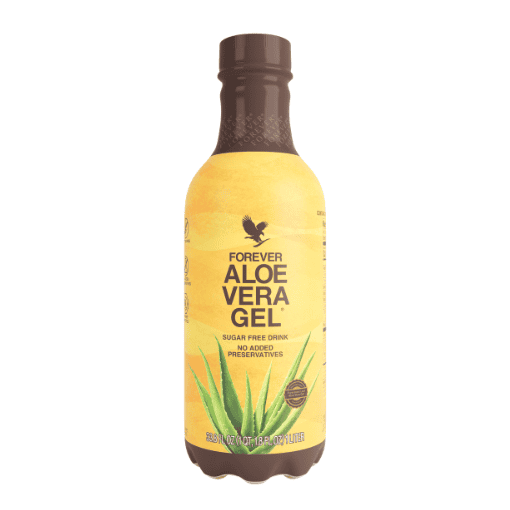 Aloe Vera Gel
A daily aloe drink for people who want simple support for digestion and routine.
It makes sense if you are looking at the topic through digestion and a simpler daily routine.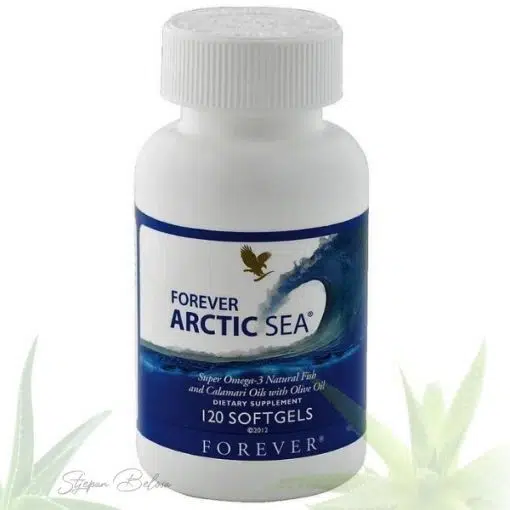 Arctic Sea Omega
A supplement for energy, heart and circulation routines when you want longer-term daily support.
Useful to compare when you are looking for energy, focus or vitality support. Forever Active Pro B
Probiotic support when you want an easier daily way to care for digestion.
It makes sense if you are looking at the topic through digestion and a simpler daily routine.The role of stress and cortisol in colds: how nerves open the door to viruses
Stress and cortisol are the first places to look when colds recur every season.
You may have the feeling that a cold always greets you as soon as it gets cold or as soon as work"goes crazy".
One day you are in shape, do a thousand tasks and keep everything under control.
And then during the night, you are crushed by a runny nose, fatigue and the feeling that you have been run over by a truck.
You may be wondering why this is happening to you.
Is the problem that you have"weak immunity"or is the body simply sending a signal that enough is enough?
Here's the thing: Stress and the hormone cortisol can change how your immune system works from day to day.
Below you will see exactly what it looks like and what you can change this week.
What is stress and what does it look like in the body?
Stress is not just a nervous feeling in the head.
It is a physiological reaction of the whole organism to a threat, deadlines or constant worries.
When you are under stress, the hypothalamus-pituitary-adrenal axis is activated.
The result is increased secretion of cortisol and adrenaline that prepare you for action.
The problem arises when this"action"lasts for weeks or months without interruption.
Then we talk about chronic stress.
A short burst of stress can help you finish a project or pass an exam.
Chronic stress slowly wears down the nervous system, hormones and immunity.
You feel it as fatigue, forgetfulness, bad sleep and constant inner restlessness.
The immune system feels this as a constant struggle in which there is no time for quality"service".
When the cold virus appears, the defense is already worn out.
That's why colds"sit down"more easily, last longer and come back more often.
Cortisol: the hormone that rescues and sabotages immunity
Cortisol is often labeled as the"bad"hormone, but that's not the whole story.
In normal amounts, it helps you get up in the morning, think clearly and deal with stress.
Cortisol naturally rises in the morning and falls in the evening to help the body calm down.
When you are stressed, your cortisol levels rise further and for a short time this can be beneficial.
Why useful.
Because cortisol helps reduce excessive inflammation and direct energy to what's important.
But the problem arises when cortisol remains elevated for too long.
Then it begins to slow down defense cells, mucous membranes and the body's ability to fight viruses.
According to an analysis on stress and immunity, chronically elevated cortisol levels can make the immune system"resistant"to its signals, resulting in both a weaker and exaggerated inflammatory response at the same time.
This means that you are simultaneously more vulnerable to infections and have more chronic inflammation in the background.
In this combination, colds appear more easily, and the symptoms can last longer than before.
You can read more about the role of adaptogens and modern strategies for hormone balance in the guidestress and cortisol.
How stress changes the immune system in practice
What exactly happens to immunity when you are stressed.
In the short term, the number of some white blood cells may even increase.
But with chronic stress, there is a change in the quality and coordination of the immune response.
Research shows that the activity of T lymphocytes and natural killers decreases.
These are the cells that usually react first to viruses and infected cells.
At the same time, the balance of inflammatory and anti-inflammatory cytokines changes.
This makes it difficult for the body to deal with cold viruses quickly.
According to an article on the connection between stress and immunity, long-term stress can literally"wear away"the protective barrier in the respiratory tract.
The mucous membranes of the nose and throat become more sensitive, and viruses enter and multiply more easily.
That is why a person who is chronically under stress often says that he"picks up every virus in the office".
You can find a more detailed explanation of this connection in modernarticle on the connection between stress and immunity.
Stress, cortisol and colds: what the research says
This may sound abstract, but the research is very clear.
One famous study followed adults who were intentionally exposed to a cold virus.
Before that, the level of psychological stress in their lives was measured.
The result was quite clear.
The more stress a person had, the more likely he was to actually get sick.
Not only did they have more infections, but the symptoms lasted longer and were more pronounced.
In other words, stress is not only a"companion"of a cold, but an active risk factor.
You can further study this data through classic research on stress and colds in healthy adults.
Similar results appear in recent review papers.
They show that chronic stress changes the hypothalamus pituitary adrenal axis and leads to long-term elevated cortisol.
This is associated with a higher risk not only for colds, but also for other infections and chronic diseases.
A review paper on stress and the immune system summarizing these changes is available asreview paper on stress and immunity.
How to recognize that your immunity is under pressure from stress
Some signs are very subtle and we easily attribute them to"years"or"seasons".
However, the body sends signals much earlier.
It is good to pay attention to the following symptoms.
- Frequent colds during the year, especially when you are under the greatest load.
- Fatigue that does not go away even after a weekend or vacation.
- Restless, superficial sleep and waking up more tired than in the evening.
- Digestive problems, bloating or a sensitive stomach when you are stressed.
- Feeling of irritability, tension and constant"inner restlessness".
You may not recognize all of these signs, but already two or three are an important alarm.
It does not mean that"something is wrong"with you, but that you need a different rhythm and support.
Here comes the good news.
You can specifically influence many parts of this puzzle.
Step by step: how to reduce stress and strengthen your defense against colds
1. Sleep and daily rhythm as the first line of defense
Sleep is perhaps the most underrated tool for boosting immunity.
When you are sleep deprived, cortisol levels are higher and resistance to viruses is lower.
The first step is to try to go to bed at a similar time at least five to six days a week.
It is ideal to avoid screens at least an hour before going to bed and ensure a darkened room.
For additional ideas on how to prepare your body for sleep and calm your brain at night, you may find the article usefulInsomnia and late screens.
2. Nutrition and supplements that support immunity under stress
Stress often changes appetite.
Some people eat more sweets and fast food, others skip meals.
In both cases, immunity gets less of what it needs.
The key is simple meals with enough protein, vegetables and healthy fats.
Vitamin C, vitamin D, zinc and omega 3 fatty acids are especially important.
They participate in the work of white blood cells and the regulation of inflammation.
Before introducing supplements, it is worth consulting with a doctor or pharmacist, especially if you are taking therapy.
To support digestion and mucous membranes, many people choose aloe vera-based drinks.
In this context, a supplement such as a product can also be consideredForever Aloe Vera Gel, noting that it does not replace a varied diet.
For targeted immune support during stressful periods, some adults choose formulations with vitamins, minerals and beta glucans.
One of such supplements is iForever Immublend, which can be integrated into a wider plan after agreement with an expert.
If you want personalized advice, you can use our smartAI advisors which suggests products and routines based on your goals.
3. Strategy for the cold season
Stress often increases during the same period when colder weather arrives.
More work, more time indoors and less movement creates a perfect storm.
That's why it makes sense to prepare a plan for autumn and winter in advance.
Such a plan may include a sleep schedule, a weekly walking list, simple recipes and a supplement plan.
For inspiration, you can look at the practicalplan for cold season and adapt it to your routine.
When more intense viruses appear in the environment, it is good to pay extra attention to hygiene, ventilation and a reasonable distance in closed spaces.
Small habits such as a bottle of water at hand and regular hand washing with mild soap also help.
If you want to additionally strengthen your immunity in demanding periods, you may also find a detailed article on how to approach it usefulflu season through zinc, vitamin D and probiotics.
4. Movement, breathing and short breaks to reset
When you are under stress, the body is in"fight or flight"mode.
One of the fastest ways to calm this mode is to move slowly and breathe consciously.
It doesn't have to be an hour in the gym.
Ten minutes of brisk walking or a short stretch by the window is enough.
Another powerful tool is short screen-free breaks.
Just a few minutes of silence, without notifications and messages, can significantly reduce the feeling of burden.
For inspiration on how to introduce such micro-breaks into your day, you can use the articleThe power of silence.
You may wonder if it makes sense to make such"small"changes when stress is high.
The answer is: yes, because the hormone cortisol reacts strongly even to small signals of safety and rest.
The body does not need a perfect day, it needs consistent, small messages that it is safe again.
Frequently asked questions
Is every level of stress bad for immunity?
No.
Short-term stress can even increase the vigilance of the immune system and help the body react more quickly.
The problem is chronic stress that lasts for weeks or months.
This is when the defense system is depleted and there is a greater tendency to catch colds.
Can stress be completely avoided?
Not in real life.
The goal is not to get rid of stress, but to regulate it better.
This includes sleep, nutrition, boundaries at work and small relaxation rituals.
When you manage stress better, cortisol runs less wild, and immunity works more efficiently.
How do I know if I am under chronic stress or"just"tired
The key is in the duration and number of symptoms.
If you feel exhausted for weeks, sleep poorly and are often sick, chronic stress is probably present.
Then it is important to make an honest assessment of the rhythm of life and, if necessary, seek professional support.
Can a lifestyle change really reduce the number of colds?
Numerous studies show that changes in sleep, diet and stress management reduce the number of sick days.
This does not mean that you will never get sick.
But the body will fight viruses more easily, and the symptoms may be milder and shorter.
Conclusion: small steps that close the door to colds
We cannot eliminate stress and cortisol from our lives, but we can learn to work with them.
As long as you try to"swallow"stress without rest, immunity pays the bill through more frequent colds.
When you introduce regular sleep, better nutrition, smart supplements and small breaks, the body feels it very quickly.
You don't need a perfect routine, a few consistent habits that calm you down and feed your immunity are enough.
Start with the one area that is easiest for you to change right now.
Maybe it's going to bed earlier, maybe taking a short walk after work or better hydration.
If you want someone to"arrange"your plan for you, you can always try oursAI advisors and see which combinations of products and habits best support your lifestyle.
For inspiration on how modern technology and artificial intelligence are used in building a global online business, read the articleHow this couple is building a global business with AI and working 95% online.
Note: This text is for informational purposes and does not replace the advice of a doctor or other professional.
If you have chronic diseases, take therapy or often suffer from colds and other infections, be sure to consult your doctor before introducing new food supplements or making significant changes to your routine.
Products most closely related to this topic
If you want to compare concrete options after reading, these products are the closest match to the article topic.
Aloe Vera GelA daily aloe drink for people who want simple support for digestion and routine.
It makes sense if you are looking at the topic through digestion and a simpler daily routine.Arctic Sea OmegaA supplement for energy, heart and circulation routines when you want longer-term daily support.
Useful to compare when you are looking for energy, focus or vitality support.Forever Active Pro BProbiotic support when you want an easier daily way to care for digestion.
It makes sense if you are looking at the topic through digestion and a simpler daily routine.Short answers that help
If you are still comparing options, these are the points worth checking before you continue.
What should I take from this article?
Use it to understand the topic in practical terms and compare it with your current routine, needs and next step.
When does it make sense to ask for a recommendation?
Ask when the topic feels relevant, but you are not sure which Forever Living Products product or routine fits you best.
Does this article replace professional advice?
The role of stress and cortisol in colds: how to protect immunity is educational content. For medical conditions, medication, pregnancy or persistent symptoms, include qualified professional advice.
Describe what you want to achieve
If you do not know which product to choose, write your goal, habits or doubts and get a more concrete suggestion.
Recommended products
Related articles to keep exploring