The key points from this article
- Irritated nasal mucosa sounds harmless, but when the air in the home or office becomes too dry, every breath can sting, the nostrils burst, and sleep becomes interrupted.
- Dry air dries out the protective mucous layer, slows down the work of the cilia and leaves the upper respiratory tract vulnerable.
- For a personal choice, continue with a recommendation after reading.
Products most closely related to this topic
If you want to compare concrete options after reading, these products are the closest match to the article topic.
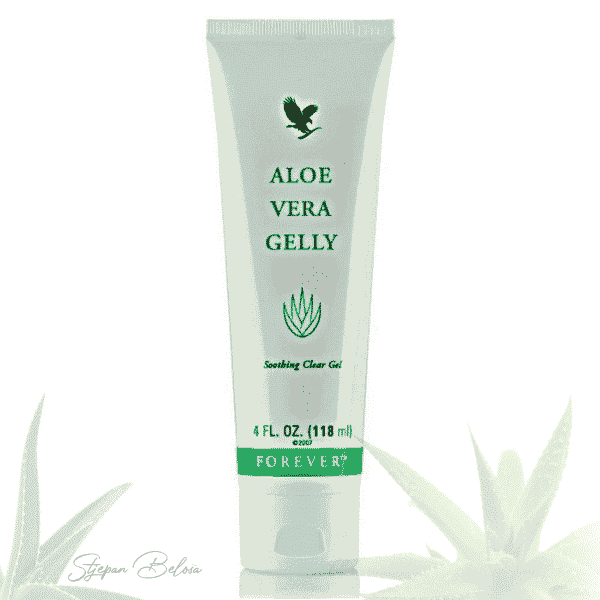 Aloe Vera Gelly
A practical outer-care product when the goal is skin comfort and a simpler care routine.
Closest to a care routine for skin, hair or everyday personal care.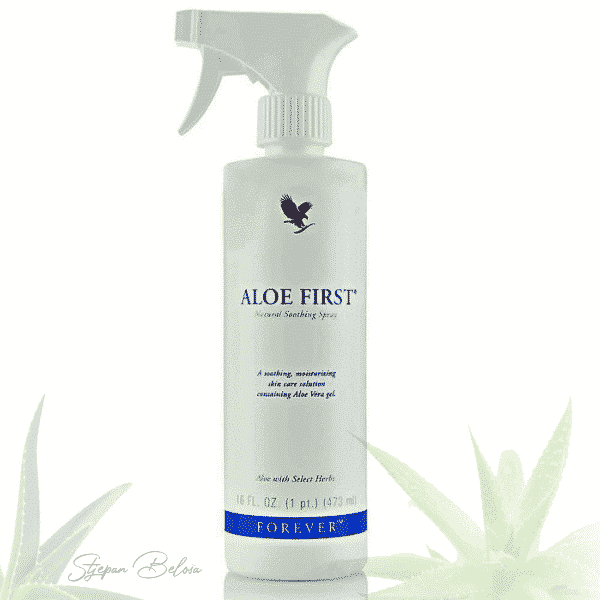 Aloe First – First aid for the skin with Aloe vera and propolis
A practical outer-care product when the goal is skin comfort and a simpler care routine.
Closest to a care routine for skin, hair or everyday personal care. Aloe Vera Gel
A daily aloe drink for people who want simple support for digestion and routine.
It makes sense if you are looking at the topic through digestion and a simpler daily routine.Irritated nasal mucosa due to dry air: a mini first aid protocol with aloe vera and a holistic approach
Irritated nasal mucosa sounds harmless, but when the air in the home or office becomes too dry, every breath can sting, the nostrils burst, and sleep becomes interrupted. You might be wondering why? Dry air dries out the protective mucous layer, slows down the work of the cilia and leaves the upper respiratory tract vulnerable. The good news: there are quick, safe and natural steps you can take today, and aloe vera can be your first aid ally.
Here's the thing: the mucous membrane of the nose likes moisture, gentle care and a good rhythm of hydration from the inside and the outside. Below I provide a mini first aid protocol, a detailed 7-day recovery plan and holistic habits that really help. Let's start in order.
Why does the nasal mucosa dry out?
The most common triggers are heating and air conditioning, sitting indoors for too long without ventilation, seasonal allergies, colds, some medications and insufficient fluid intake. When the mucous membrane loses moisture, microdamages are formed more quickly, and the unpleasant sensation of burning and tightening becomes a daily occurrence. But that's not all. Dry mucous membranes make it difficult for the natural defenses of the nose, so irritants and germs pass through more easily.
To begin with, adjust the microclimate of the home. According to expert guidelines, a comfortable and safe relative humidity range is roughly between 30 and 50 percent, which you can monitor with a simple hygrometer. Read more about it throughrecommended range of air humidity.
Want more simple ideas for instant relief like steam, warm compresses and gentle skin care around the nostrils? Learn more through thesepractical ways for dry nose.
Mini first aid protocol: 5 steps in 24 hours
Step 1: Humidify the air where you are staying
Place the humidifier in the bedroom or work area and aim for mild, steady humidity. If you don't have a humidifier, ventilate well, dry laundry in the same room, or place a bowl of hot water near the heat source. The key is consistency, not short-term spikes in humidity.
Step 2: Rinsing with isotonic saline solution
Make 2 to 4 rinses a day with ready-made isotonic saline solution in a spray or bottle. Rinsing mechanically removes dust, allergens and scabs and restores moisture to the mucous membrane. For guidance on proper and safe use, see what's in itsaline solution for the nose.
Step 3: Protective barrier for the skin around the nostrils
After rinsing and gently drying, apply a thin layer of soothing cream or gel to the skin around the nostrils. Here, aloe vera shows its power for the skin: it soothes, cools and helps the barrier. It is a practical solutionAloe Vera Gelly applied externally along the edge of the nostrils 2 to 3 times a day. Note: do not put the products deep into the nostrils and always do a sensitivity test on a small area of the skin.
Step 4: Hydration from the inside with a smart drink
Increase your fluid intake to 6 to 8 glasses a day. If you want something more functional than water, consider 50 to 100 ml of stabilized aloe drink in the morning with breakfast and again in the afternoon, as it is pleasant for the routine and a reminder to hydrate. For a practical choice, seeForever Aloe Vera Gel. If you have chronic diagnoses or are taking medication, consult your doctor.
Step 5: Warm herbal drink before bed
A warm drink calms the mucous membrane and helps to breathe more comfortably at night. Choose mild caffeine-free herbal blends. It can also play a role in the evening routineAloe Blossom Herbal Tea, as part of a soothing ritual with slow breathing and short stretches.
Holistic micro-plan for 7 days
Day 1: Introduce air humidification, rinsing with physiological saline 2 times and protection of the skin around the nostrils after each nose blow. Brief awareness of breathing 5 minutes before sleep.
Day 2 to 3: Stabilize the rhythm. If your symptoms occur seasonally, now is the time to brush up on your triggers and prepare your home. Reminder is our guide tostrengthen immunity during flu season.
Day 4: Add warm inhalations 1 time per day for 5 to 7 minutes. Do not apply essential oils if you are prone to irritation. After inhalation, gentle rinsing and application of a thin protective cream along the edge of the nostrils.
Day 5: Pay attention to allergy triggers, especially if symptoms are aggravated by being outside or cleaning the home. If you suspect pollen, read tips on how to mitigate itallergies in spring and plan your routine in advance.
Day 6: Check daily fluid intake and schedule of hot drinks. Combine water, soups with a little salt and mild teas. If you're not sure when to drink and how to boost nutrients, get inspired by this overview of whenherbal teas the most useful.
Day 7: Assess progress. Is there less burning and cracking? Are you sleeping better? If yes, continue with the maintenance: moisturizer throughout the heating season, rinsing as needed, skin protection when the nose is red from tissues and plenty of hydration every day.
What science says about aloe vera and mucous membranes
Aloe vera is known for its ability to soothe the skin, contribute to moisturizing and support the regeneration of surface damage. Of course, we are talking about application on the skin around the nose, not deep in the mucous membrane. Read more about properties and clinical outcomes in thissystematized review on the action of aloe vera.
It is important to emphasize safety. If you have a tendency to allergies to plants from the lily family or reactions to cosmetics, do a sensitivity test on a small part of the skin and introduce the product gradually. Children, pregnant women and people with chronic diseases should consult a doctor before introducing new routines.
Smart routines that support recovery
- Ventilate the space 2 to 3 times a day for 5 minutes. A short change of air refreshes the space without too much heat loss.
- Adopt a drinking rhythm: a glass of water upon waking up, a glass mid-morning, a glass with lunch and in the afternoon. A warm drink before bed soothes the mucous membrane.
- Take care of your facial skin with a minimalist approach. Avoid perfumed creams and harsh scrubs while the nose is red and sensitive.
- Learn to breathe through your nose: inhale through your nose for 4 seconds, exhale for 6 seconds. This simple exercise soothes and supports natural moisturization.
You may wonder why we insist so much on simple habits. Because they make a difference after just a few days. Small, consistent changes bring the biggest impact.
Mistakes that slow down healing
The first mistake is to use fatty, non-water-soluble ointments deep in the nostrils, especially before going to bed. If you are looking for an independent opinion, see the expert advice ofbe careful with vaseline in the nose. It is safer to stick to isotonic saline, air humidification and external skin care.
Another mistake is skipping hydration. The third is overdoing it with essential oils and menthol, which can irritate even more. The fourth is forgetting about the hygiene of the humidifier. The fifth is using hot steam too close to the face, which can cause burns. Be gentle and patient.
When to see a doctor
Seek professional help if frequent or profuse nosebleeds, sinus pain with fever, purulent discharge, persistent worsening after seven to ten days, or suspected foreign body in children are present. If you take anticoagulants or have clotting disorders, discuss a plan with your doctor.
Holistic additions to the routine for long-term relief
In the heating season, combine moisturizing, physiological rinses, careful external skin care and routine fluid intake. For a personalized plan through questions about your space, habits and health, you can use oursAI advisors which suggests micro-habits and reminders in a few minutes.
Frequently asked questions
Can I put aloe vera in my nostrils?
It is not recommended to enter cosmetic products deep into the nostrils. Instead, care for the skin around the nostrils and follow up with saline rinses. If you do introduce any new product, do a sensitivity test and stick to superficial, external application.
How often should I use saline?
In the irritation phase, 2 to 4 times a day is usually enough. If your nose is extremely dry, a short mist of saline between rinses can help. Always use sterile products and clean attachments.
What is the ideal air humidity in the apartment?
A practical and safe range for most homes is around 30 to 50 percent relative humidity. Monitoring with a hygrometer and adjusting with a humidifier or ventilation help maintain stability.
What if the dryness comes with allergies?
In addition to the steps above, reduce exposure to triggers, shower after being outside, and consider rinsing your nose when you return. You will find additional practical advice in the guide for allergy season and home preparation.
Conclusion
For inspiration on how modern technology and AI are used to build a global online business, read the articleHow this couple is building a global business with AI.
Note: This article is for educational and informational purposes. It is not a substitute for professional medical advice, diagnosis or therapy. For individual recommendations and suspected illness, contact your doctor or pharmacist.
Products most closely related to this topic
If you want to compare concrete options after reading, these products are the closest match to the article topic.
Aloe Vera GellyA practical outer-care product when the goal is skin comfort and a simpler care routine.
Closest to a care routine for skin, hair or everyday personal care.Aloe First – First aid for the skin with Aloe vera and propolisA practical outer-care product when the goal is skin comfort and a simpler care routine.
Closest to a care routine for skin, hair or everyday personal care.Aloe Vera GelA daily aloe drink for people who want simple support for digestion and routine.
It makes sense if you are looking at the topic through digestion and a simpler daily routine.Short answers that help
If you are still comparing options, these are the points worth checking before you continue.
What should I take from this article?
Use it to understand the topic in practical terms and compare it with your current routine, needs and next step.
When does it make sense to ask for a recommendation?
Ask when the topic feels relevant, but you are not sure which Forever Living Products product or routine fits you best.
Does this article replace professional advice?
Irritated nasal mucosa: mini protocol with aloe vera for dry air is educational content. For medical conditions, medication, pregnancy or persistent symptoms, include qualified professional advice.
Describe what you want to achieve
If you do not know which product to choose, write your goal, habits or doubts and get a more concrete suggestion.
Recommended products

Related articles to keep exploring