In this guide
With insulin resistance, muscle, fat and liver cells respond less well to insulin, so blood sugar can rise over time. NIDDK states that regular physical activity, healthy eating, enough sleep and, with excess weight, a modest weight reduction lower the risk of type 2 diabetes. Morning is a practical time to turn these habits into a routine.
A five-step morning sequence
- After waking, drink a glass of water and keep sweet drinks for rare occasions.
- Open the curtains or step into daylight, which supports your sleep rhythm.
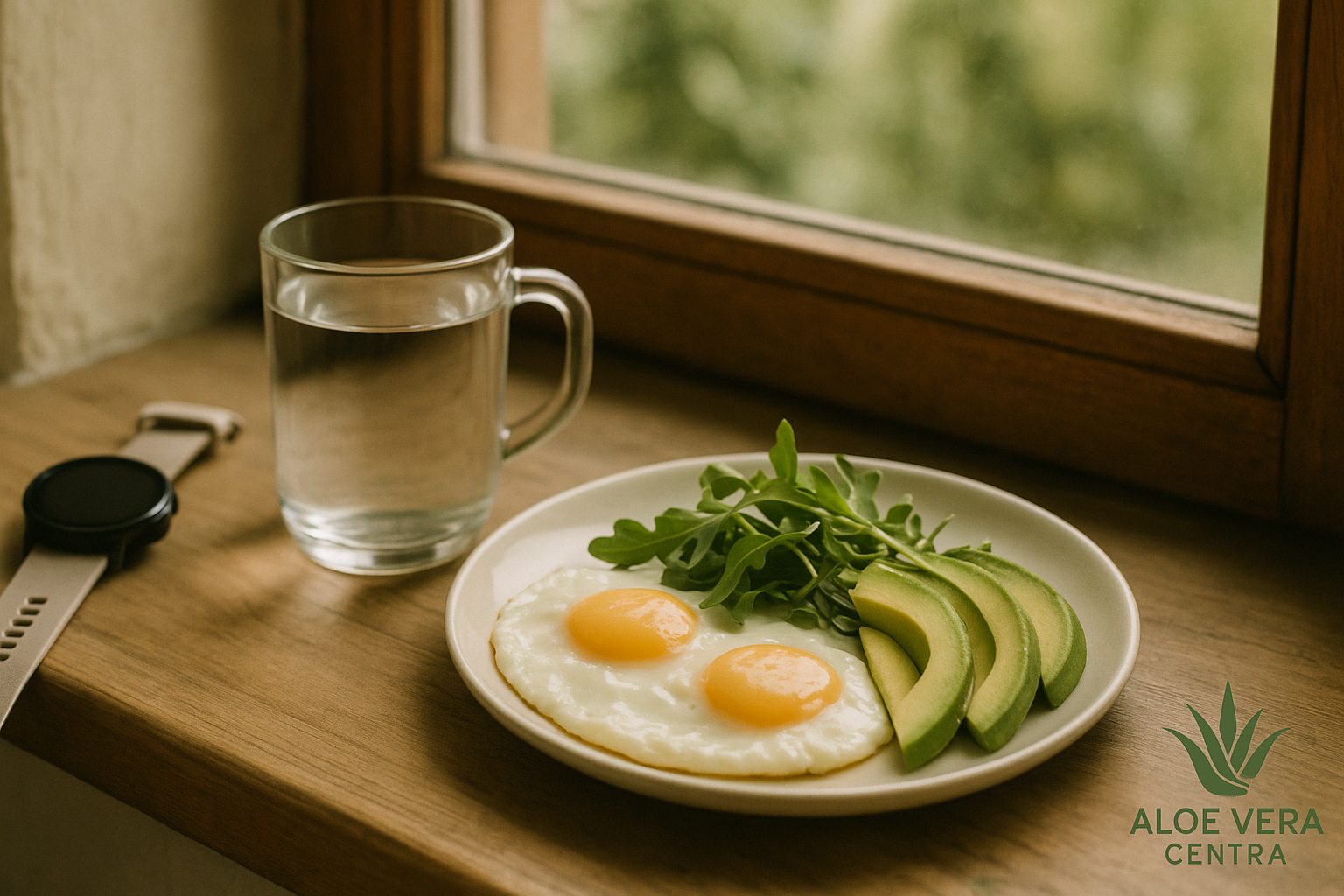
- Build breakfast around a protein source such as eggs, yoghurt or cheese, with vegetables, whole grains or seeds.
- After breakfast, take a short walk if you can, even ten minutes.
- Drink coffee and tea without added sugar, or with very little sugar.
Movement through the week
Muscles use glucose, so regular movement helps the body use insulin better. The NHS recommends at least 150 minutes of moderate activity a week and strength exercises on at least two days a week. Combine brisk walking with simple strength exercises to suit your fitness. If you have been inactive for a long time, have heart disease or take medicines for blood sugar, agree the plan with a doctor.
Sleep and the evening before
NIDDK lists enough sleep among the healthy habits that lower risk. Try to go to bed and get up at similar times, and keep the bedroom dark. A lighter dinner earlier in the evening makes both sleep and the morning easier.
When to talk to a doctor
In practice, insulin resistance is not usually measured directly; fasting glucose and HbA1c are checked instead. If you are over 35, carry extra weight, have a family history of diabetes or had diabetes in pregnancy, ask about testing. If you already take medicines for blood sugar, do not suddenly change breakfast or meal timing without advice, because of the risk of low blood sugar. Increased thirst, frequent urination and unexplained weight loss are reasons for a check.
Common questions
Do I have to eat breakfast if I have insulin resistance?
There is no single rule. It matters more that the first meal is balanced, with protein and fibre. If you take medicines for blood sugar, agree meal timing with your doctor.
Can habits improve insulin resistance?
For many people, movement, diet, sleep and a modest loss of excess weight improve the picture and lower the risk of diabetes. A doctor tracks progress with test results.
Before first use
Choose products for your dietary routine and care needs. Follow a healthcare professional’s advice for diagnosis and treatment of symptoms. Check suitability first during pregnancy and for use by children.