The key points from this article
- Inflammatory bowel diseases (Crohn's, ulcerative colitis): the important role of nutrition Inflammatory bowel diseases they are not just a diagnosis on paper.
- They change your appetite, energy, cooking style and relationship with food.
- For a personal choice, continue with a recommendation after reading.
Products most closely related to this topic
If you want to compare concrete options after reading, these products are the closest match to the article topic.
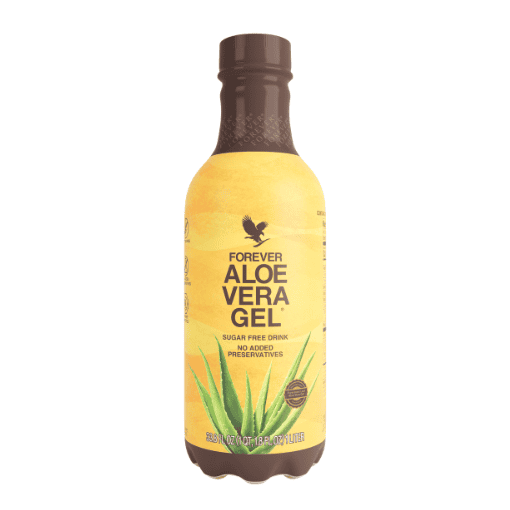 Aloe Vera Gel
A daily aloe drink for people who want simple support for digestion and routine.
It makes sense if you are looking at the topic through digestion and a simpler daily routine. Arctic Sea Omega
A supplement for energy, heart and circulation routines when you want longer-term daily support.
Useful to compare when you are looking for energy, focus or vitality support. Forever Active Pro B
Probiotic support when you want an easier daily way to care for digestion.
It makes sense if you are looking at the topic through digestion and a simpler daily routine.Inflammatory bowel diseases (Crohn's, ulcerative colitis): the important role of nutrition
Inflammatory bowel diseases they are not just a diagnosis on paper. They change your appetite, energy, cooking style and relationship with food. You may have already noticed that the same meal one day passes without a problem, and the next day causes cramps, bloating or fatigue. You might be wondering why? Because disease activity, microbiome, peristalsis and nutrient absorption are strongly influenced by what we eat and drink. In this guide, we provide practical, science-backed advice on how to adjust your diet for Crohn's and ulcerative colitis, with clear examples, grocery lists and routines you can implement today. For further understanding of the mechanisms and connection between the immune system and the gut, take a look at our in-depth review on the topic autoimmune bowel inflammation.Why nutrition is key in IBD
Diet affects the intestinal barrier, microbiota, inflammatory pathways and nutrient status. The guidelines of professional societies emphasize screening for malnutrition, correction of deficits and a personalized approach, especially in the phases of exacerbation and remission. According to the updated ESPEN guidelines for clinical nutrition in IBD, the goal is to reduce active inflammation, prevent nutrient deficiencies, and support mucosal healing, with a plan that is workable in your everyday life.What science says about different nutritional approaches
Mediterranean diet versus SCD approach
A large randomized trial in a journal Gastroenterology (DINE-CD) showed that Specific Carbohydrate Diet (SCD) is not superior to Mediterranean diet to achieve symptomatic remission and improve biomarkers in adults with Crohn's disease. The Mediterranean pattern is easier to follow and more nutritionally diverse, which increases the long-term sustainability of the plan.Exclusive enteral nutrition and CDED
In Crohn's disease, especially in children and adolescents, exclusive enteral nutrition (EEN) the method of induction of remission without corticosteroids is well documented. The Cochrane review concludes that EEN should be considered first-line in pediatrics, and selectively in adults, depending on acceptability and adherence (Cochrane 2018). What if EEN is too demanding? Crohn's Disease Exclusion Diet (CDED) in combination with partial enteral nutrition (PEN) showed very good results and better tolerability in a randomized trial in children, with more sustained remission at 12 weeks (study details). New analyzes suggest benefit of CDED in adults as well, with good acceptance (Szczubełek et al., 2021).Low-FODMAP for IBS-like symptoms in remission
Many with IBD in remission still experience bloating, gas, and pain similar to irritable bowel syndrome. Low-FODMAP access can reduce these functional symptoms, although it does not act directly on inflammation. Randomized trials and meta-analyses show a reduction in global symptomatology in these patients. You can also find practical recommendations on the website Crohn's & Colitis UK. Here's the thing: Low-FODMAP is useful as a temporary tool under the supervision of an expert, and then the food is gradually reintroduced.Fiber, texture and nutritional safety
Fiber is important for the microbiota and the intestinal barrier, but manner and time their input is crucial. In case of deterioration or stenosis, temporary reduction of insoluble fiber and the softer texture of the dish can reduce symptoms while in remission gradually increases the proportion of soluble fiber (oats, psyllium, cooked fruits and vegetables) with tolerance monitoring. Recent clinical recommendations (AGA Clinical Practice Update 2024) point to this. If you need help with stool regulation naturally, see the overview natural laxatives. If you want a practical tool to increase your daily fiber intake in phases of remission and stable peristalsis, consider a supplement Forever Fiber with expert advice.Probiotics and fermented foods
Fermented drinks and yogurts can be a useful part of the plan in remission. Find out the detailed comparison in the article Kefir vs. yogurt. What does the research say about probiotics as a supplement? Meta-analyses show that certain formulations can help with ulcerative colitis as an adjunct to standard therapy, while the evidence in Crohn's is weaker. Do you want precisely dosed strains in a practical form? Check out the probiotic Forever Active Pro B and use it targetedly, especially in phases of remission or after antibiotics, in agreement with the doctor.Micronutrients that are often missing
Vitamin D
Vitamin D deficiency is common in IBD and associated with disease activity. New meta-analyses suggest that supplementation may reduce the risk of relapse, particularly in Crohn's disease, although larger randomized trials are needed for definitive conclusions. Read more about input and sources in the guide vitamin D.Iron and anemia
Iron deficiency anemia is the most common nutritional complication of IBD. European guidelines recommend regular monitoring of hemoglobin, ferritin and transferrin saturation and the choice of oral or intravenous iron depending on disease activity and tolerability. For practical pitfalls and solutions, see the article anemia and iron deficiency.Fats and omega-3
Omega-3 fatty acids have general cardiometabolic benefits, but high-quality studies show that they are not effective to maintain remission of Crohn's disease. If you are taking them for heart and brain or nutritional deficiencies, consider the product Forever Arctic Sea Omega in agreement with the doctor. But that's not all... In IBD, it is often more important to reduce ultra-processed foods and saturated fats and choose a Mediterranean pattern rich in monounsaturated fats and fish.Hydration and electrolytes
Diarrhea and vomiting rapidly deplete water and electrolytes. WHO recommends oral rehydration solutions reduced osmolarity, about 75 mmol/L sodium and 75 mmol/L glucose (total osmolarity about 245 mOsm/L) for effective fluid replacement. In practice, drink regularly, add a pinch of salt and a source of potassium when diarrhea is frequent. For details on the amount of liquid, see our guide water intake and refresh your knowledge about the importance of electrolytes. See also the natural strategies in the article to relieve symptoms anti-diarrhea medicine.Aloe vera and IBD: what we know
There is a small but interesting research in which it is oral aloe vera gel during 4 weeks more often led to a clinical response in mild to moderate ulcerative colitis compared to placebo, with good tolerability. The authors emphasized that larger studies are needed before firm recommendations can be made (Langmead et al., 2004). If you are considering a trial intake, choose standardized preparations and talk to your doctor, especially if you take anticoagulants or have stenoses. In this context, consider choosing a drink carefully Forever Aloe Vera Gel as part of a wider, balanced routine.What to eat in remission and what to eat in exacerbation
Remission
- The base of the plate - Mediterranean pattern: fish 2 times a week, olive oil, whole grains according to tolerance, many cooked vegetables, chickpeas gradually.
- Fibers - focus on soluble fibers and heat-treated textures. Add psyllium or in moderation Forever Fiber with plenty of liquid.
- Fermented - a small portion of yogurt or kefir if you tolerate lactose well. If you suspect an intolerance, test gradually.
- Food substitutes - fry less, cook more. Choose softer textures and well-cooked ingredients.
Aggravation
- Temporary reduction of insoluble fiber - avoid nuts, seeds and crude fiber if they aggravate symptoms.
- Texture - soups, mashed meals, white rice, boiled potatoes, bananas, clear stocks. Add fermented beverages only when symptoms subside.
- Hydration - small, frequent amounts of liquid with electrolytes and glucose, according to WHO principles.
- Triggers - limit alcohol, caffeine and very fatty or spicy food.
Examples of menus
Remission – 1 day
- Breakfast: oatmeal boiled in water with a banana and a spoonful of ground flax seeds, a little yogurt if you can tolerate it.
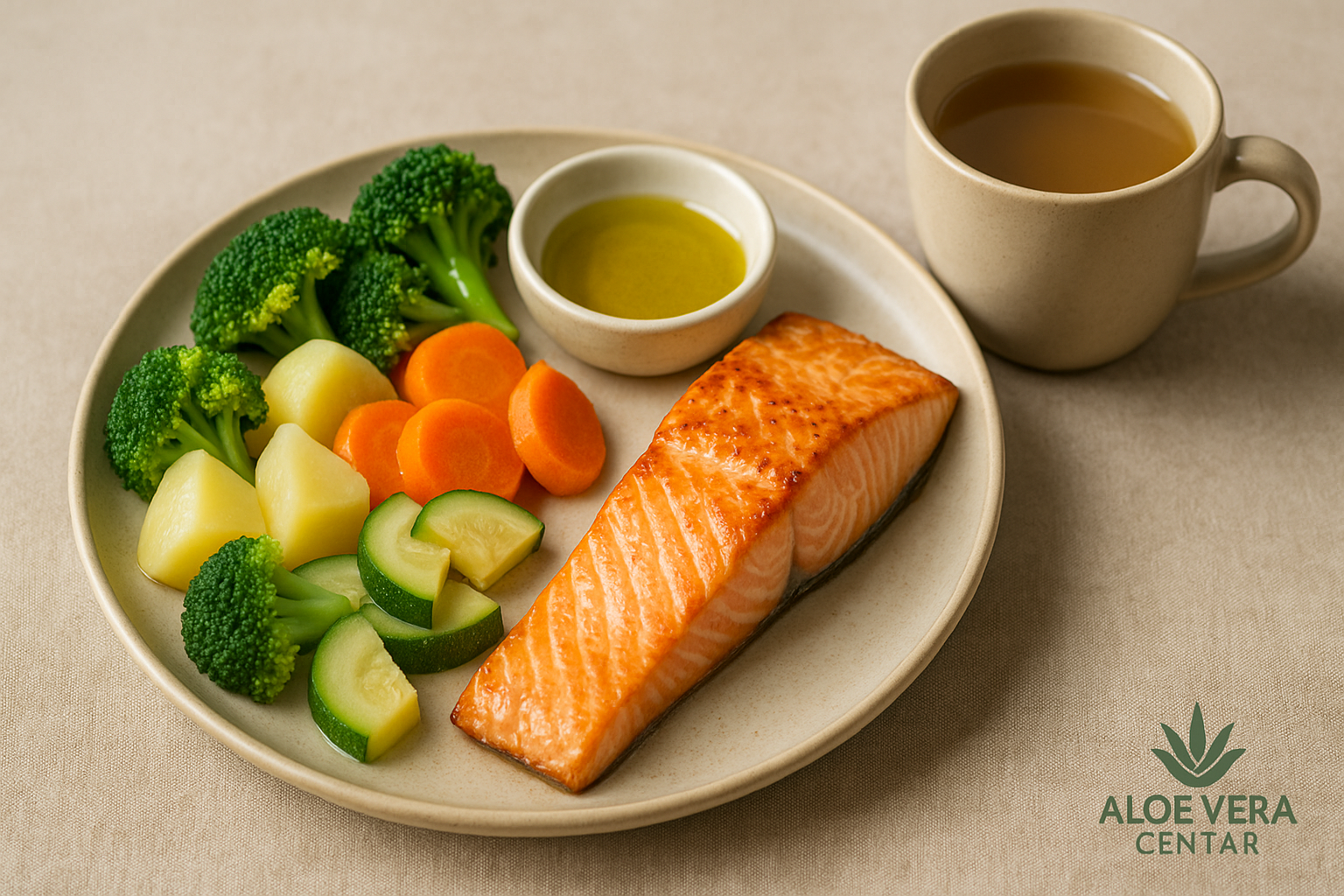
- Lunch: baked salmon, sweet potato puree, boiled carrots drizzled with olive oil.
- A snack: boiled pear or compote without added sugar.
- Dinner: Risotto with zucchini and turkey, salad of boiled beets.
Aggravation – 48 hours
- Breakfast: white toast with a thin layer of peanut butter if you can tolerate it, chamomile tea.
- Lunch: clear chicken stock with boiled rice and carrots.
- A snack: banana, oral rehydration in small sips.
- Dinner: mashed potatoes, steamed white fish, a little olive oil.
Extras that may make sense
- Probiotics – target strains as support in UC and after antibiotics. Example in practice: Forever Active Pro B.
- Fibers – in remission, soluble fibers for stool regularity and food for the microbiota. Example: Forever Fiber.
- Omega-3 – for cardiometabolic benefits, not as a strategy to maintain Crohn's remission. Example: Forever Arctic Sea Omega.
- Aloe drink – test entry of standardized Forever Aloe Vera Gel at UC with counseling, given the limited but encouraging data.
How to safely implement changes - step by step
- Define the goal - reduction of symptoms, restoration of energy, correction of deficits.
- Choose a basis – Mediterranean pattern or, as recommended, CDED if indicated.
- Monitor symptoms - keep a diary for 2 weeks and record food, stress, sleep and reactions.
- Reintroduction – after calming down, gradually reintroduce foods to avoid unnecessary restrictions.
- Controls – check the status of vitamin D, iron, B12 and zinc in agreement with the team.
Frequently asked questions
1) Can I take fiber during an exacerbation?
In the worsening phase, insoluble fibers are often temporarily reduced and softer textures are chosen. In remission gradually introduces more soluble fiber while controlling symptoms. See the article for ideas and dosage natural laxatives.2) Do probiotics and fermented foods help?
In UC, there is evidence for the benefit of certain probiotic mixtures as an adjunct to standard therapy, while in Crohn's the results are inconsistent. If you tolerate lactose well, a small portion of yogurt or kefir can be useful in remission. Compare Kefir vs. yogurt.3) Is Low-FODMAP a long-term solution?
No. Low-FODMAP is a tool for reducing functional symptoms in remission and is implemented temporarily, with professional guidance and a reintroduction plan.4) Can I drink coffee and alcohol?
Caffeine and alcohol can increase diarrhea and irritability during exacerbations. In remission, test small amounts and monitor reactions. It is more important than a complete ban individual tolerance and sustainable plan.Conclusion and next steps
Diet in Crohn's and ulcerative colitis is not black and white. The best results come from a combination of the Mediterranean pattern, smart fiber modulation, targeted rehydration and personalized adjustments. If you want a simple, guided process of choosing meals, supplements and daily routines, try ours AI advisors. And when you decide to supplement your home stock with proven products, you can make it happen here 15% discount when ordering. Note: This text is informative and does not replace the advice of a doctor or nutritionist. If you have severe symptoms, strictures, sudden weight loss, blood in your stool or suspected nutrient deficiency, contact your gastroenterologist.Products most closely related to this topic
If you want to compare concrete options after reading, these products are the closest match to the article topic.
Aloe Vera GelA daily aloe drink for people who want simple support for digestion and routine.
It makes sense if you are looking at the topic through digestion and a simpler daily routine.Arctic Sea OmegaA supplement for energy, heart and circulation routines when you want longer-term daily support.
Useful to compare when you are looking for energy, focus or vitality support.Forever Active Pro BProbiotic support when you want an easier daily way to care for digestion.
It makes sense if you are looking at the topic through digestion and a simpler daily routine.Short answers that help
If you are still comparing options, these are the points worth checking before you continue.
What should I take from this article?
Use it to understand the topic in practical terms and compare it with your current routine, needs and next step.
When does it make sense to ask for a recommendation?
Ask when the topic feels relevant, but you are not sure which Forever Living Products product or routine fits you best.
Does this article replace professional advice?
Inflammatory Bowel Disease and Nutrition - A Practical Guide to Crohn's and UC is educational content. For medical conditions, medication, pregnancy or persistent symptoms, include qualified professional advice.
Describe what you want to achieve
If you do not know which product to choose, write your goal, habits or doubts and get a more concrete suggestion.
Recommended products

Related articles to keep exploring