
The key points from this article
- Dry air in the apartment: humidification and a routine for a calmer nose, skin and sleep The dry air in the apartment can exhaust you, without immediately connecting i...
- You wake up thirsty, your nose stings, and your lips crack.
- For a personal choice, continue with a recommendation after reading.
Products most closely related to this topic
If you want to compare concrete options after reading, these products are the closest match to the article topic.
 Aloe Vera Gelly
A practical outer-care product when the goal is skin comfort and a simpler care routine.
Closest to a care routine for skin, hair or everyday personal care.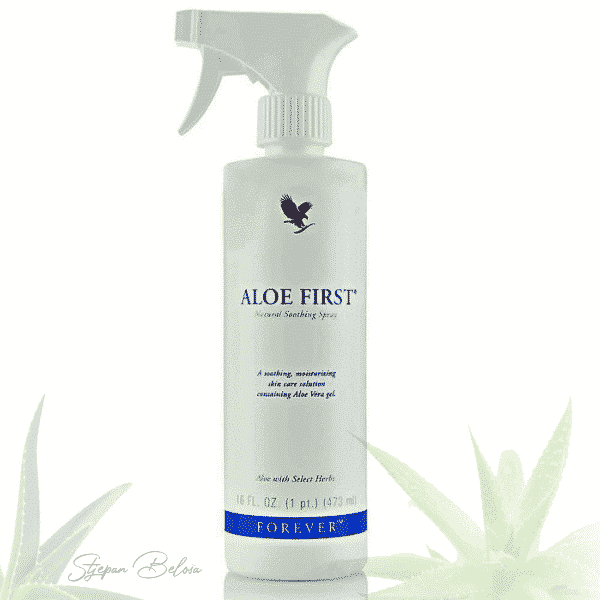 Aloe First – First aid for the skin with Aloe vera and propolis
A practical outer-care product when the goal is skin comfort and a simpler care routine.
Closest to a care routine for skin, hair or everyday personal care. Aloe Vera Gel
A daily aloe drink for people who want simple support for digestion and routine.
It makes sense if you are looking at the topic through digestion and a simpler daily routine.Dry air in the apartment: humidification and a routine for a calmer nose, skin and sleep
The dry air in the apartment can exhaust you, without immediately connecting it with the space. You wake up thirsty, your nose stings, and your lips crack. The skin tightens, and the throat is already dry in the morning. Sound familiar? Here's the thing: in winter, heating changes the microclimate of the home. Humidity drops, and the mucous membrane and skin barrier are the first to feel it. The good news is that the condition often improves within a few days. You need a clear routine and a few smart moves. In this guide, you will get practical steps to measure humidity. You will learn how to moisturize without mold and without overdoing it. You will also receive a routine for the morning, day and evening. In the end, you will know what to do immediately and what to avoid.How to know that the air in the apartment is too dry
Too dry air rarely comes with one sign. A small"package"of symptoms usually fits together. They are most often intensified in the evening and morning. Pay attention to these signals:- dry lips and a feeling of tightening of the face after washing
- burning nose or frequent sneezing without a cold
- dry throat and hoarseness after sleep
- itching of the skin, especially on the lower legs and arms
- more frequent nosebleeds, especially in children
- static on clothes and"crack"of hair when combing
Why is the air so dry in winter?
You may wonder why this happens in winter. Cold outside air carries less moisture. When you heat it, the relative humidity drops further. The result is warm but dry air. In practice, this means this: the stronger you heat, the greater the risk of dryness. Radiators and air conditioners additionally"dry out"the feeling in the space. Ventilation is important, but it can also reduce humidity. That's why you need a balance, not an extreme.Ideal air humidity and how to measure it
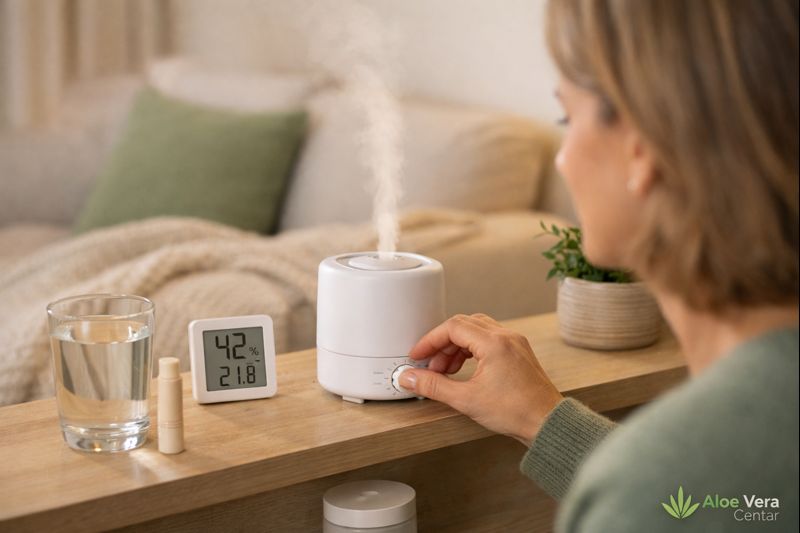
The fastest way to a solution is measurement. Buy a simple hygrometer, or use a smart sensor. Measure in the living room and in the bedroom. Write down the values in the morning and in the evening. For most homes, aim for a 30% to 50% humidity range. Above 60%, the risk for mold and mites increases. Symptoms of dryness often start below 30%. Guidelines on the safe use of humidifiers are described by i Mayo Clinic guide to humidifiers and dry air. Don't chase the"perfect number"in one day. First stabilize the space, and only then fine-tune it. Measure the temperature as well, because it changes the perception of humidity. Ideally, the bedroom should be a little cooler. This often helps with sleep.Bug-free humidification: what works and what causes problems
A humidifier can be a great tool, but only if it's clean. A dirty humidifier spreads particles and odors. This can irritate the respiratory tract. That is why the hygiene of the device is crucial. Ultrasonic humidifiers are quiet and practical. But they ask for attention around stones and water. Evaporative models often raise humidity more naturally. Steam models heat water, but consume more electricity. Choose according to space and habits. These are the basic rules that help the most:- use clean water and wash the tank regularly
- don't aim for constant high humidity, especially in small rooms
- keep the device away from walls and furniture
- monitor humidity with a hygrometer, not by feel
A routine that works: morning, afternoon and evening
Morning: short, but smart
Morning is the time for a quick assessment of the space. Look at the hygrometer and the windows. If the air is stagnant, ventilate it briefly. Five minutes is often enough. After airing, restore moisture to the target zone. If you have a humidifier, turn it on low. If you don't have one, insert"passive"humidification. An example is a container of water near a heat source.Day: stability without drama
Hands and face often dry out during the day. This is normal in heated spaces. A simple habit also helps: water on the table. It will remind you of sips. If you work from home, take mini breaks. Get up every 60 minutes. Stretch and breathe in through your nose more slowly. If your nose is burning, it's time for moisture or a break from heating.Evening: preparation for quality sleep
The evening is the most important for the mucous membrane and sleep. This is where the difference is felt the most after three nights. Turn on the humidifier 30 to 60 minutes before bed. Then reduce to a quiet, steady level. Avoid overheating in the bedroom. Warmth and dryness go together. Rather use a blanket, rather than a higher temperature. In this way, the airways work more calmly throughout the night.Little tricks when you don't have a humidifier
You don't need to buy the device right away. Sometimes small steps are enough. Especially if the drop in humidity is mild. Here are some proven options:- drying laundry in the room, but with condensation control
- short cooking with the lid halfway down, so that the steam does not"escape"immediately
- containers with water at a safe distance from children and pets
- showering with the bathroom door open, followed by short ventilation
- indoor plants, if you already have them and tolerate the space well
Dry air and air quality in the home
Dryness is only part of the story."Heavy"air is also a problem in many apartments. It is a combination of CO2, dust and poor ventilation. That's why it's worth reading the guide about air quality in the home. When you ventilate, do it briefly and intensively. Don't keep the window on the statue all day. That way you only cool the walls and lower the humidity. A few short"waves"of air are better. You can feel it already after a week.Dry nose and throat: what helps immediately
A dry nose is usually the first alarm. The mucous membrane needs moisture and gentle care. Physiological solution and enough fluids help. Warm steam also helps, but briefly and cautiously. If you have frequent irritation, it is useful to follow a clear mini-protocol. Especially if you live next to radiators and often ventilate. Additional steps can be found in the guide for irritated nasal mucosa. A routine before bed often helps with the throat. Warm herbal tea and a break from the screen can calm the body. If you snore, the dryness makes it even worse in the morning. Then the humidity in the room is even more important. If you have sleep apnea, talk to your doctor.Dry skin: a mini routine in 3 steps
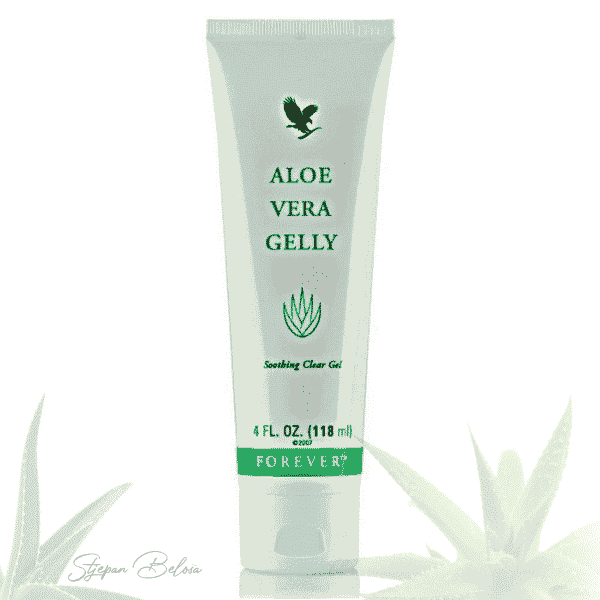
The skin loves simplicity, especially in winter. Take a shorter shower with lukewarm water. After the shower, pamper yourself within three minutes. That's how you"lock in"moisture while the skin is still warm. Choose mild cleansers and avoid aggressive scrubs. If you use retinoids or acids, reduce frequency. Shift the focus to barrier and comfort. And remember, less is often more. If you need a practical gel for local dryness, many choose Aloe Vera Gelly for quick tension relief. Apply thinly and monitor the skin's reaction. Test on a small area first. This is especially important for sensitive skin.Skin that"goes crazy"due to dryness: redness, friction and minor discomfort
When the air is dry, the friction is stronger. The skin reddens more quickly, especially around the nose and on the hands. This is often seen with frequent hand washing. This is when a protective routine and gentle care help. For situations where you want a multipurpose skin spray, it can be handy Aloe First. It is used as an aid in care after minor irritations. Do not apply it to serious wounds. For more serious problems, seek professional advice.Dry air and sleep: why you wake up more tired
Dry air often"steals"sleep for no apparent reason. Your nose dries up, so you breathe through your mouth. It dries out the throat and increases wakefulness. In the morning you have the feeling that you lack rest. A wider picture also helps for better sleep. Hormones, stress and bedtime routine play a role. If you want a deeper understanding of night regeneration, read the article on sleep. The evening protocol should be simple. Turn down the heat, raise the humidity in the target zone, and darken the room. Add warm water or tea, if you like. The goal is for the body to receive a safety signal. Then sleep"sits down"more easily.What science says about moisture and the respiratory tract
Research often links low humidity with mucosal irritation. Low humidity can also affect the comfort of breathing. This is especially felt during the cold season. You can explore the overview of works through PubMed results on air humidity and respiratory health. Some authors emphasize the role of proper humidifier maintenance. A dirty device can increase the particles in the air. That is why hygiene is again the main factor. It sounds boring, but it makes a difference. In practice, it saves both health and money.When it's time for extra help
In most cases, the routine is sufficient. However, there are situations when caution is needed. Contact a specialist if these signs appear:- frequent nosebleeds lasting several days
- persistent wheezing or worsening asthma
- prolonged hoarseness or sore throat
- visible mold in the room or a strong smell of moisture
- symptoms in infants or young children that worsen
A discreet step up: personalize the routine
If you want to put together a plan for your home faster, use clear questions. What is the humidity in the morning and how much in the evening? Do you sleep with your mouth open? Do you have condensation on your windows? If you want help choosing a routine and products, you can use ours AI advisors. Ask him a question as if you were writing to a friend. List symptoms, space and habits. You will receive specific suggestions and direction.Frequently asked questions
What is the ideal air humidity in the apartment in winter?
For most homes, a range of 30% to 50% is good. Below 30%, dryness of the nose and skin often occur. Above 60%, the risk of mold increases.Is the humidifier safe for children?
It can be safe if it is clean and properly installed. Do not place it too close to the bed. Monitor the humidity with a hygrometer and clean the container regularly.What if condensation appears on my windows?
Condensation is a sign of excessive humidity or cold surfaces. Reduce humidification and ventilate briefly. Also check the window seals.How to relieve a dry nose and throat quickly?
Saline solution, warm drink and stable humidity in the bedroom help. Avoid overheating the space. If symptoms worsen, seek professional advice.Bottom line: a little routine, a big difference
You don't have to put up with dry air in your apartment all winter. First measure the humidity, and only then choose the solution. Keep the target zone, but avoid overdoing it. Stability is more important than"record". Establish a routine in three parts of the day and monitor the changes. The skin will be calmer and the nose more grateful. Sleep often becomes deeper, already after a few nights. And that is the best sign that you have guessed. If you want to order products that fit into this kind of routine, you can do it 15% discount when ordering. Choose in moderation and monitor your body's reaction. The goal is always comfort and safety. Not an aggressive change. For inspiration on how modern technology and AI are used to build a global online business, read the article "How this couple is building a global business with AI and working 95% online". Note: This article is informative. It is not a substitute for professional medical advice. If you have chronic diseases, severe symptoms or doubts, consult a doctor or specialist.Products most closely related to this topic
If you want to compare concrete options after reading, these products are the closest match to the article topic.
Aloe Vera GellyA practical outer-care product when the goal is skin comfort and a simpler care routine.
Closest to a care routine for skin, hair or everyday personal care.Aloe First – First aid for the skin with Aloe vera and propolisA practical outer-care product when the goal is skin comfort and a simpler care routine.
Closest to a care routine for skin, hair or everyday personal care.Aloe Vera GelA daily aloe drink for people who want simple support for digestion and routine.
It makes sense if you are looking at the topic through digestion and a simpler daily routine.Short answers that help
If you are still comparing options, these are the points worth checking before you continue.
What should I take from this article?
Use it to understand the topic in practical terms and compare it with your current routine, needs and next step.
When does it make sense to ask for a recommendation?
Ask when the topic feels relevant, but you are not sure which Forever Living Products product or routine fits you best.
Does this article replace professional advice?
Dry air in the apartment: humidification and a routine for the nose, skin and sleep is educational content. For medical conditions, medication, pregnancy or persistent symptoms, include qualified professional advice.
Describe what you want to achieve
If you do not know which product to choose, write your goal, habits or doubts and get a more concrete suggestion.
Recommended products

Related articles to keep exploring