The key points from this article
- Podrška za dane kada želiš više mentalne jasnoće, fokusa i stabilniji radni ritam.
- If you've ever felt a racing heart, tension, or a wave of thoughts that you can't silence after a cup of coffee, you're not alone.
- For a personal choice, continue with a recommendation after reading.
Products most closely related to this topic
If you want to compare concrete options after reading, these products are the closest match to the article topic.
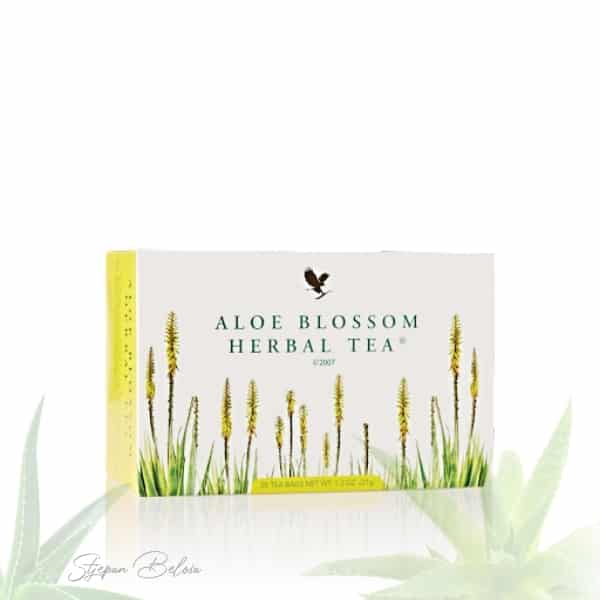 Aloe Blossom Herbal Tea
A caffeine-free herbal tea for a calmer daily ritual, hot or cold.
A good comparison if you want natural daily support and a calmer ritual. Forever Argi+
A supplement for energy, heart and circulation routines when you want longer-term daily support.
Useful to compare when you are looking for energy, focus or vitality support. Arctic Sea Omega
A supplement for energy, heart and circulation routines when you want longer-term daily support.
Useful to compare when you are looking for energy, focus or vitality support.Caffeine and anxiety - personal tolerance: understandable and concrete
Caffeine can be your ally for focus or a trigger for jitters. If you've ever felt a racing heart, tension, or a wave of thoughts that you can't silence after a cup of coffee, you're not alone. The good news is that caffeine-related anxiety can be predicted and managed with a few practical steps. In the following, you will learn how personal tolerance works, how to recognize your threshold and which rituals and substitutions you can use to calm your body and mind.What caffeine does in the body
In short, caffeine blocks adenosine receptors, so we feel less tired and more alert. At the same time, it can stimulate the secretion of adrenaline and cortisol, thus increasing anxiety in sensitive people. According to EFSA's opinion on caffeine, most healthy adults tolerate up to 400 mg of caffeine per day, but this does not mean that this amount is optimal for everyone. Here's the thing: numbers are averages, and you're not average. The feeling of discomfort often does not depend on the number of cups, but on your receptors, habits and time when you drink caffeine. That's why it's important to understand personal differences.Why some tremble and others fly: genetics and habit
Some people are genetically more prone to"caffeine jitters". For example, ADORA2A gene variants are associated with a stronger feeling of anxiety after coffee. It confirms that research on ADORA2A and post-caffeine anxiety in which participants with certain polymorphisms reported more pronounced nervousness at moderate doses. Another key piece of the puzzle is the rate of metabolism in the liver. If you break down caffeine more slowly, the same drink will work for you longer and more intensely. A new review on the roles of genes such as CYP1A2 and ADORA2A explains why tolerance varies so much between people, but also how this affects behavior and coffee drinking habits. He offers details a new review on CYP1A2 and ADORA2A genes. You might be wondering why? Because tolerance is not just genetics. Regular intake, quality of sleep, stress level and diet push the limits of your sensitivity day by day. Sound too good to be true? Continue reading.How much is too much for you
Instead of following other people's rules, observe your own body. Some will feel jittery after only 60 to 100 mg of caffeine, while others will have no problem drinking twice as much. If your heart is racing, your palms are getting sweaty, or you're"on edge,"that's your sign to reduce the dose or change the time of intake.Quick sensitivity tester
One smart trick is to do a short, guided reset of the nervous system. To further help reduce stimuli throughout the day, take 10 minutes of silence and mindful breathing. Look for inspiration in the article The power of silence.7-day personal tolerance test plan
- Day 1 Write down how much caffeine you consume. Throw in"hidden"sources like tea, cocoa, energy drinks and pre-workout drinks.
- Day 2 Keep the total amount the same, but move it earlier in the day. The first drink within 60 to 90 minutes after waking up, the last before 2 p.m.
- Day 3 Reduce the dose by 25 percent. Monitor your resting heart rate and subjective sense of calm every few hours.
- Day 4 Try spreading it out in small doses. Instead of one strong coffee, two smaller portions throughout the morning.
- Day 5 Include caffeine-free alternatives with breakfast and after lunch. Notice the difference in focus and mood.
- Day 6 Test a day without caffeine. Record your energy level, sleep quality and anxiety in the evening.
- Day 7 Compare notes. Define personal threshold and"rules"for weekdays and weekends.
No-fuss replacements that really work
A warm cup without caffeine can calm the stomach and keep the ritual without"nerves". If you like floral mixes, take your pick Aloe Blossom Herbal Tea as an evening routine that does not disturb sleep. For a daily rhythm, think about aromatic combinations and proper timing. You will find more practical tips and recipes on the topic of herbal drinks in the guide herbal teas. Wondering if it's better to switch to natural stimulants? Take a look at the comparison guarana or coffee and learn how different sources affect focus and the nervous system.Caffeine and sleep: why timing makes a difference
Even a small amount of caffeine in the late afternoon can separate fatigue from quality sleep. Controlled study showing the effects of caffeine 6 hours before bedtime notes a significant decrease in total sleep time and more nighttime awakenings after 400 mg, which is a good reminder to finish your main intake earlier in the day. Do you feel that worry is increasing as the night approaches? Read the practical relaxation exercises and routines in the article anxiety and sleep so combine them with a smart reduction of caffeine after 2 p.m.Caffeine, stomach and heartburn
If you are prone to reflux, caffeine can"raise the flame". Habits that ease symptoms, such as smaller portions and avoiding late-night coffee, are described here: GERD and heartburn.Rituals that calm the nervous system
Introduce micro-pauses: 4 slow breaths through the nose, exhalation longer than inhalation, 3 times in a row. Add a short 10-minute walk on a clear day. Eat steadily: enough protein for breakfast and lunch reduces"crashes"so you reach for coffee less often. You might be wondering why? Because stable glucose means a more stable mood.When to talk to a doctor
If you are on antidepressants, have arrhythmias, are pregnant or breastfeeding, arrange a plan with your doctor. In these situations, the threshold is often lower and strong stimulation should be avoided. It sounds strict, but it's smart. You've decided to switch to soothing drinks and want to try a few favorites at a discount. To order through a verified channel, use 15% discount so make the transition easier without compromising on quality.Frequently asked questions
Is decaffeinated coffee safe if I'm prone to anxiety?
In most cases, yes, but keep in mind that even decaffeinated coffee contains small amounts of caffeine. If you are very sensitive, switch the last cup of the day to a herbal drink.Why does the first sip feel great, but after half an hour I feel tension?
Caffeine works quickly, but also increases stress hormones. If you eat little or late, you will feel a bigger"impact". The solution is a smaller dose with a meal and an earlier timing.Is green tea a better choice than coffee?
Often yes, because it contains less caffeine and L-theanine, which can relieve nervousness. However, if you are extremely sensitive, choose caffeine-free herbal teas.How do I know I'm overdoing it and need a break?
If you experience tremors, irritability, body restlessness or poor sleep for several days in a row, this is a clear sign. Take a 3 to 7 day break and reassess the threshold.Conclusion
When you know your threshold, caffeine becomes a tool, not an enemy. Match the dose, time and substitutions to your rhythm of the day. Add small calming rituals and you will get focus without"nerves". For inspiration on how modern technology and AI are used to build a global online business, read the article How this couple is building a global business with AI and working 95% online. Note: This content is for informational purposes and is not a substitute for professional medical advice. For personal recommendations and therapy adjustments, contact your doctor or pharmacist.Products most closely related to this topic
If you want to compare concrete options after reading, these products are the closest match to the article topic.
Aloe Blossom Herbal TeaA caffeine-free herbal tea for a calmer daily ritual, hot or cold.
A good comparison if you want natural daily support and a calmer ritual.Forever Argi+A supplement for energy, heart and circulation routines when you want longer-term daily support.
Useful to compare when you are looking for energy, focus or vitality support.Arctic Sea OmegaA supplement for energy, heart and circulation routines when you want longer-term daily support.
Useful to compare when you are looking for energy, focus or vitality support.Short answers that help
If you are still comparing options, these are the points worth checking before you continue.
What should I take from this article?
Use it to understand the topic in practical terms and compare it with your current routine, needs and next step.
When does it make sense to ask for a recommendation?
Ask when the topic feels relevant, but you are not sure which Forever Living Products product or routine fits you best.
Does this article replace professional advice?
Caffeine and anxiety - how to recognize tolerance and reduce nervousness is educational content. For medical conditions, medication, pregnancy or persistent symptoms, include qualified professional advice.
Describe what you want to achieve
If you do not know which product to choose, write your goal, habits or doubts and get a more concrete suggestion.
Recommended products

Related articles to keep exploring