
The key points from this article
- Vitamin A deficiency often starts quietly.
- You may be wondering why this is important.
- For a personal choice, continue with a recommendation after reading.
Products most closely related to this topic
If you want to compare concrete options after reading, these products are the closest match to the article topic.
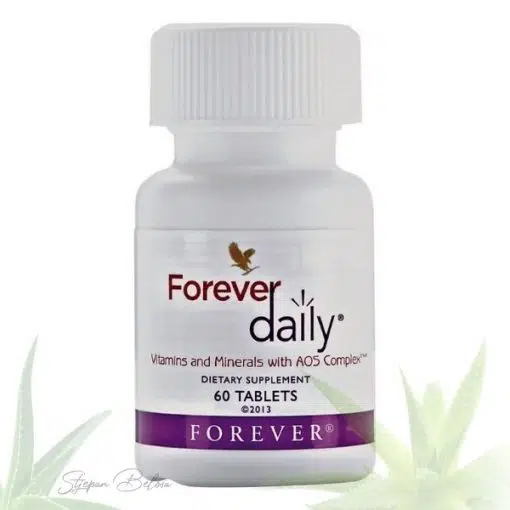 Forever Daily
Daily vitamin support when you want a steadier immunity, energy or nutrition routine.
Connected with daily support for immunity, energy or baseline nutrition.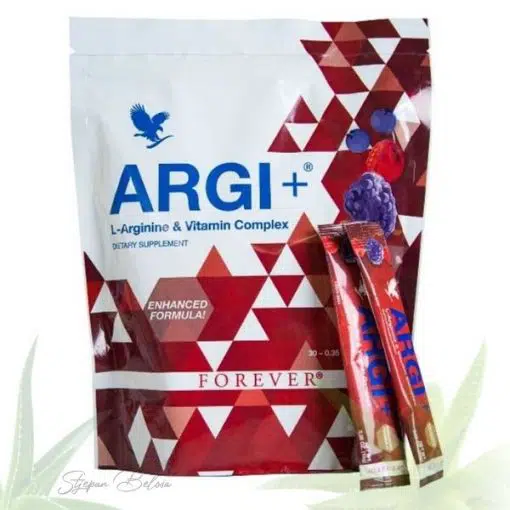 Forever Argi+
A supplement for energy, heart and circulation routines when you want longer-term daily support.
Useful to compare when you are looking for energy, focus or vitality support.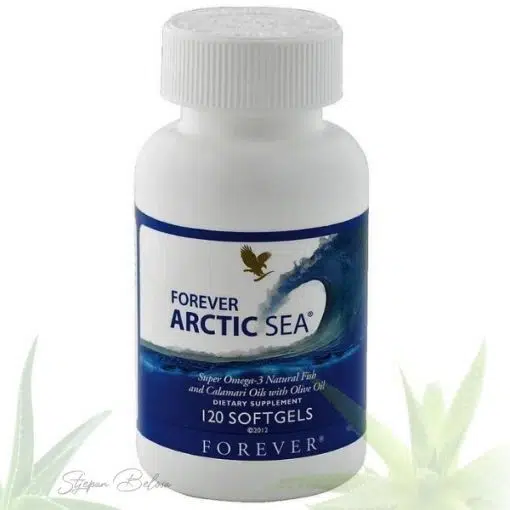 Arctic Sea Omega
A supplement for energy, heart and circulation routines when you want longer-term daily support.
Useful to compare when you are looking for energy, focus or vitality support.Vitamin A deficiency: symptoms, risks and what to ask the doctor
Vitamin A deficiency often starts quietly. Notice the little things first. Eyes get tired faster. The skin becomes drier. Night driving becomes more tiring.
You may be wondering why this is important. Because vitamin A is not"just another vitamin". It is crucial for vision, immunity and tissue renewal. When there is not enough of it, the body cannot hide it for long.
Here's the thing: Symptoms are often non-specific. It is easy to attribute them to stress, too little sleep or the heating season. That is why it is useful to know the clear signs. It is also useful to know which searches to look for.
In this guide you will get a practical overview. You will learn how to recognize risky situations. You will receive a list of questions for the doctor. And you will get a plan to gradually improve intake through nutrition.
What is vitamin A and why the body needs it every day
Vitamin A is a group of compounds. The best known are retinol and retinyl esters. There are also carotenoids, such as beta-carotene. The body converts some of the carotenoids into active vitamin A.
The most important role of vitamin A is vision. It participates in the formation of rhodopsin. It is a pigment that helps the eye in low light. That is why the deficiency often first"hits"night vision.
Vitamin A also supports immunity. It helps the mucous membranes to remain a solid barrier. This includes the lining of the nose, gut and airways. When the barrier is weaker, everything from the outside"enters"more easily.
The third major role is skin and tissue renewal. Vitamin A participates in cell differentiation. This means that it helps the cells to mature and do their job. That is why it is important for the skin, hair and mucous membranes.
If you want an authoritative overview, it is usefulNIH Guideline on Vitamin A.
How does vitamin A deficiency occur?
The most common cause is insufficient food intake. This happens with restrictive diets. It also happens with a weak appetite. Sometimes it happens when skipping meals for a long time.
Another cause is poor fat absorption. Vitamin A is fat soluble. If fats"do not pass"well, vitamin A does not enter easily either. This is more common in diseases of the bile and pancreas.
The third cause is the problem of carotenoid conversion. Some people are less able to convert beta-carotene into retinol. This is where genetics play a role. The condition of the thyroid gland also plays a role.
The fourth cause is increased need. This happens during pregnancy and breastfeeding. It also happens with chronic inflammation. It also happens during recovery after infections.
Symptoms of vitamin A deficiency: signs that people often miss
Symptoms are not always dramatic. They are often"small"and persistent. That is exactly why they are worth knowing.
1) Problems with vision at dusk
The best-known sign is weaker night vision. Notice it while driving. Notice it in dimly lit areas. The eyes adapt to the dark more slowly.
2) Dry eyes and feeling of sand
Vitamin A helps the mucous membrane of the eye. When it is not there, dryness is more common. A burning sensation appears. Sensitivity to wind and smoke also appears.
3) Dry skin and rough texture
The skin may become rough. Elbows and lower legs become drier. Sometimes"roughness"appears around the follicle. People often describe this as tiny dots.
4) More frequent infections and slower recovery
Immunity depends on barriers. Mucous membranes are the first line of defense. When they are weaker, infections recur more easily. Recovery may take longer.
5) Dryness of the mouth and changes in the mucous membrane
Dry mouth may occur. Sometimes hoarseness also appears. Some develop sores. Such signs require medical evaluation.
You want to compare how other deficits can be"masked". See the guidevitamin E deficiency.
Who is at greater risk
Not everyone is equally exposed. Some lifestyles carry a higher risk. Some health problems carry a higher risk. Here are the most common groups.
- People on very low-fat diets.
- People with chronic diarrhea or malabsorption.
- People with liver and bile diseases.
- People with inflammatory bowel diseases.
- Pregnant and lactating women, with a lower intake.
- People who rarely eat vegetables and good sources of fat.
If you have other nutritional concerns, this article is helpfulhow to choose the best multivitamin.
Which searches make sense
People often ask for a “vitamin A test”. There are several options. Serum retinol is most often measured. However, this result has limitations. It doesn't always rain early.
That's why the doctor also looks at the bigger picture. He watches the diet. It looks at digestive symptoms. He looks at the condition of the skin and eyes. If necessary, other markers are also included.
In some situations, the doctor also checks liver enzymes. It also checks the lipid profile. Sometimes it also checks the iron status. This helps to find out the cause.
For a more professional review of laboratory aspects, it is usefula PubMed review on vitamin A and retinol status.
What to ask the doctor: a practical list of questions
This is the part that helps the most. When you come prepared, the conversation is more specific. And get a plan faster.
- What symptoms are most suggestive of a deficit in me?
- What is the best search for my case?
- Is fat malabsorption suspected?
- Should the liver and bile ducts be checked?
- Should other fat-soluble vitamins be checked?
- What supplement dose is safe for me?
- How long should I take the supplement before the checkup?
- What are the signs of vitamin A overdose?
Sound too good to be true? It doesn't have to be complicated. The biggest gain is in a clear plan. That's what most people don't have.
Dietary sources of vitamin A: what really works
You get vitamin A in two ways. The first is"ready-made"vitamin A from animal sources. The second is provitamin A from plants. Both are important, but they are not the same.
Animal sources of retinol
Liver is the richest source. However, it is not for everyone and not for every day. There is also the yolk. There are also fattier dairy products. There are also some types of fish.
Plant sources of carotenoids
Carrots are a classic example. There are also sweet potatoes, pumpkin and spinach. There is also kale. The more intensely colored the vegetable, the greater the carotenoid potential.
An important detail is the fat in the meal. Without fat, absorption is weaker. A small amount is enough. An example is olive oil. Nuts are an example.
If you want a simple plate frame, a useful tutorialHow to stack a plate.
How much vitamin A is enough?
Needs depend on age and gender. They also depend on the pregnancy. So don't rely on"one number". It is best to follow the recommendations. And follow the doctor's individual plan.
For a quick but reliable review of recommendations, it is goodWHO overview of vitamin A deficiency.
Another important detail is the upper limit. Vitamin A can be toxic in high doses. This especially applies to retinol and retinyl esters. This applies less to beta-carotene.
Supplementation: when it makes sense and how to stay safe
The supplement makes sense when the doctor assesses the deficit. It also makes sense with a clear risk. But dose and form are the key. You don't go there blindly.
In practice, a multivitamin is often used. It is the easiest to maintain. Special doses make sense in more severe deficits. It is run by a doctor.
If you want practical daily support, it's easier for many to takeForever Daily.
If the topic is family and children, the plan should be even more careful. Doses vary by age. In this case, the doctor is a mandatory step.
As an option for children, there areForever Kids Multivitamins.
But that's not all. The supplement does not solve the cause. If the cause is malabsorption, it should be addressed. If the cause is diet, it should be arranged.
What early steps look like in practice: a plan for 14 days
This is a realistic plan. Don't look for perfection. Look for consistency. And he looks for small changes that stick.
Step 1: check fat intake with vegetables
Add one tablespoon of olive oil to the salad. Add avocado to your meal. Add a handful of nuts. This is enough for better absorption.
Step 2: introduce one"orange"food per day
It can be a carrot. It could be a sweet potato. It can be a pumpkin. The goal is simple and measurable.
Step 3: introduce dark green vegetables 4 times a week
Spinach, kale or Swiss chard are good choices. It can also be in soup. It can also be in an omelette. It can also be used as a side dish.
Step 4: Track the symptoms in the note
Note the dryness of the eyes. Record night vision. Record the condition of the skin. Two sentences a day are enough.
Step 5: Focus on the routine, not the perfect menu
The biggest mistake is"all or nothing". The goal is a stable intake. The goal is for the body to receive a safety signal. Then the changes are easier to maintain.
When to be especially careful: pregnancy, liver and medicines
Vitamin A is important during pregnancy. But it is also risky in high doses. Therefore, do not take a high dose without a doctor. It is a rule without exception.
Care should be taken with liver disease. The liver is a storehouse of vitamin A. When the liver is stressed, the regulation is different. That is why doses are chosen carefully.
If you are taking retinoids for acne, tell your doctor. These are derivatives of vitamin A. Combining with supplements can be risky. It needs control.
Quick check: is the problem with vitamin A or something else?
Some symptoms look the same. Dry skin can also be caused by heating. Tired eyes can also be from the screen. So don't draw conclusions based on one sign.
It is good to look at the package of symptoms. It's good to watch the duration. It's good to look at risk factors. Only then does the image make sense.
If you want a quick, structured assessment through a few questions, you can use itAI advisors.
Frequently asked questions
Can vitamin A deficiency cause night blindness?
It can, especially with a long-term deficiency. Night vision is often the first to weaken. If the change is rapid, contact your doctor.
Is beta-carotene the same as vitamin A?
It's not the same, but it's related. Beta-carotene is provitamin A. The body converts it into its active form. Conversion is not the same for everyone.
Can I take high doses of vitamin A"on my own"?
It is not recommended. High doses of retinol can be toxic. They are especially risky during pregnancy. It is safer to follow the doctor's plan.
How quickly can symptoms improve?
It depends on the cause. In the case of nutrition, changes can begin within a few weeks. In case of malabsorption, the underlying problem needs to be solved. That's why assessment is important.
Conclusion
Vitamin A deficiency is more common than people think. Symptoms are often silent. The risk increases with poor intake and absorption problems. The good news is that the condition can be improved.
For inspiration on how modern technology and AI are used to build a global online business, read the article"How this couple is building a global business with AI and working 95% online".
Note: This article is informative content. It does not replace examination, diagnosis or therapy. For health decisions, consult a doctor or specialist.
Products most closely related to this topic
If you want to compare concrete options after reading, these products are the closest match to the article topic.
Forever DailyDaily vitamin support when you want a steadier immunity, energy or nutrition routine.
Connected with daily support for immunity, energy or baseline nutrition.Forever Argi+A supplement for energy, heart and circulation routines when you want longer-term daily support.
Useful to compare when you are looking for energy, focus or vitality support.Arctic Sea OmegaA supplement for energy, heart and circulation routines when you want longer-term daily support.
Useful to compare when you are looking for energy, focus or vitality support.Short answers that help
If you are still comparing options, these are the points worth checking before you continue.
What should I take from this article?
Use it to understand the topic in practical terms and compare it with your current routine, needs and next step.
When does it make sense to ask for a recommendation?
Ask when the topic feels relevant, but you are not sure which Forever Living Products product or routine fits you best.
Does this article replace professional advice?
Vitamin A deficiency: symptoms, risks and what to ask the doctor is educational content. For medical conditions, medication, pregnancy or persistent symptoms, include qualified professional advice.
Describe what you want to achieve
If you do not know which product to choose, write your goal, habits or doubts and get a more concrete suggestion.
Recommended products
Related articles to keep exploring