The key points from this article
- Sleep is much more than a passive pause in your day.
- It is the time when hormones harmonize, the immune system renews and the body silently repairs the damage caused during the waking part of the day.
- For a personal choice, continue with a recommendation after reading.
Products most closely related to this topic
If you want to compare concrete options after reading, these products are the closest match to the article topic.
 Forever Active Pro B
Probiotic support when you want an easier daily way to care for digestion.
It makes sense if you are looking at the topic through digestion and a simpler daily routine.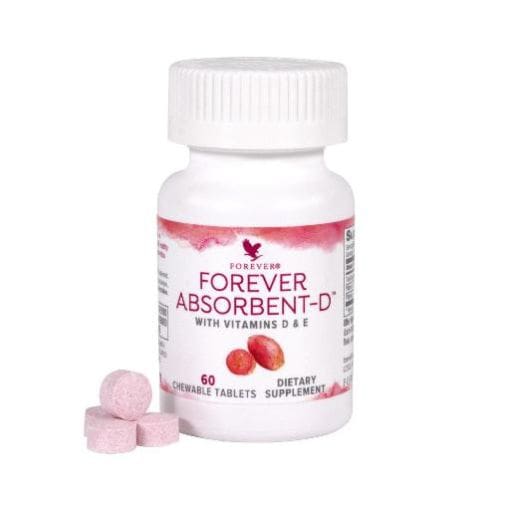 Forever Absorbent D
A simple fiber add-on when you want digestion and satiety support during the day.
It fits topics such as appetite, portions, energy or a weight-management routine.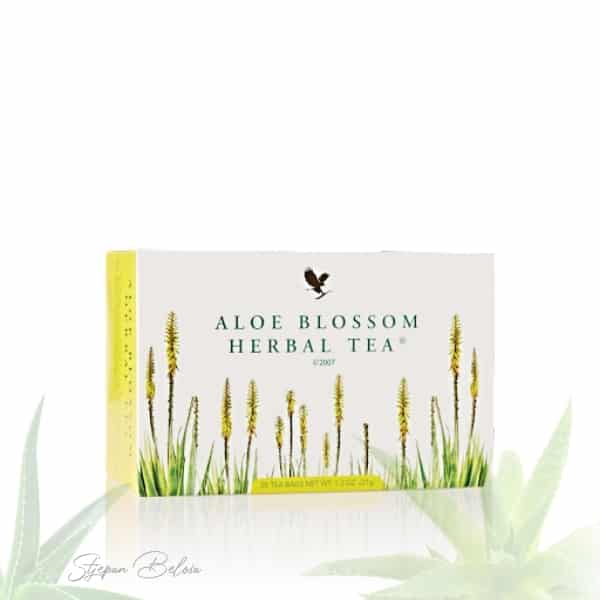 Aloe Blossom Herbal Tea
A caffeine-free herbal tea for a calmer daily ritual, hot or cold.
A good comparison if you want natural daily support and a calmer ritual.Sleep as the basis of hormones and immunity
Sleep is much more than a passive pause in your day. It is the time when hormones harmonize, the immune system renews and the body silently repairs the damage caused during the waking part of the day.
Perhaps you also often say that you will catch up on sleep at the weekend. However, the body does not understand such agreements. It responds to the rhythm you give it every day, and especially every night.
Below, you will see how sleep changes hunger and satiety hormones, how it calms stress hormones, and why people with a chronic lack of sleep are more likely to get infections.
You will also receive specific suggestions for the evening routine, morning habits and smart support with accessories, so that you can face the day calmer, more focused and more resilient.
Why sleep is the basis of hormonal balance
The body does not secrete hormones randomly. Most of the key hormones follow a circadian rhythm that is associated with light, dark and sleep. In the evening, melatonin rises, cortisol falls, and growth hormone secretion increases during the first hours of sleep.
That's no accident. Sleep is the time when the body shifts its focus from external survival to internal renewal. During this period, hormones manage tissue repair, sugar regulation and preparation of the immune system for future challenges.
More about this connection is described in the recentreview paper on sleep and immunity.
Melatonin and the night signal for the body
Melatonin is often called the hormone of darkness. Levels rise when exposure to blue light is reduced and darkness sets in. It sends a clear signal to the body that it is time to slow down and prepare for sleep.
When you watch a bright screen late at night, the secretion of melatonin is delayed. The result is more difficult falling asleep, shallower sleep and a disturbed arrangement of other hormones that rely on this nocturnal signal.
Cortisol, stress and the morning start
Cortisol is often labeled as a stress hormone, but it also helps us. It should be naturally elevated in the morning. Thus, it promotes awakening, energy and the ability to solve tasks.
When you go to bed late or wake up frequently during the night, the morning peak of cortisol can be weakened. The day then begins with fatigue, cravings for sweets and the inability to focus on work.
At the same time, the opposite picture is also possible. If you are under chronic stress, evening cortisol can remain too high. Then the body does not easily enter the deep stages of sleep, and the brain remains in a state of alertness.
Growth hormone, tissue and muscle regeneration
Growth hormone is not only needed by children. In adults too, it helps restore muscle and connective tissue, restore skin and regulate metabolism.
Most of the growth hormone is secreted during the first deep sleep after falling asleep. If you go to bed late or constantly interrupt your sleep, that night wave may be weaker than optimal.
You can see details about the relationship between sleep and hormones in the comprehensivereview on the influence of sleep on hormones.
Leptin, ghrelin and food cravings
Leptin signals satiety, while ghrelin stimulates hunger. Both hormones monitor the rhythm of sleep and wakefulness. When you sleep too little, leptin usually decreases and ghrelin increases.
The result is increased cravings for fast, high-calorie food, especially in the evening. In the long term, this burdens weight, blood sugar and further disrupts the balance of hormones.
How sleep strengthens immunity
The immune system monitors viruses, bacteria and damaged cells throughout the day. At night, part of the army retreats to the base. Then the communication between the cells is strengthened, the reserve is renewed and lessons are learned from the daily"battles".
During deep sleep, the activity of certain immune cells increases. At the same time, the level of some inflammatory markers that are elevated in chronic stress and insomnia decreases.
Reviews of recent research confirm that both innate and acquired immune responses change with shortened sleep. This means a greater tendency to infections and chronic inflammatory conditions.
Lack of sleep and higher risk of infections
Human studies show a clear pattern. People who regularly sleep less than seven hours have a significantly higher risk of colds and other respiratory infections.
In one experimental study, people were monitored for sleeping habits and then exposed to a cold virus. Those who slept less than six hours had a several times higher risk of developing symptoms.
This is also confirmed in detailexperimental study on sleep and colds.
Large population studies further show that healthy sleep habits reduce the risk of hospitalization due to infections, especially in younger adults.
Sleep and vaccines, allergies and chronic diseases
A good night's sleep not only protects against the common cold. It has been shown that people with quality sleep have a better response to vaccines, with stronger and more permanent formation of protective antibodies.
In case of chronic lack of sleep, elevated inflammatory markers are also more often recorded. This creates the basis for metabolic disorders, cardiovascular diseases and the faster development of some autoimmune conditions.
In practice, this means the following. If you neglect sleep, you not only help fatigue, but also silent, long-term inflammation in the body.
How much sleep do adults really need?
Most adults between the ages of 30 and 55 are fine with seven to nine hours of sleep each night. At the same time, continuity is also important. Large differences between weekdays and weekends confuse the internal clock.
You may wonder why someone feels good even with five hours of sleep. Part of it is about adjusting feelings, not actual physiology. The body continues to pay the price through hormones and immunity.
A good starting point is the following. Get up at the same time every day and plan your bedtime so that you get at least seven hours of sleep on average.
An evening routine that supports hormones and immunity
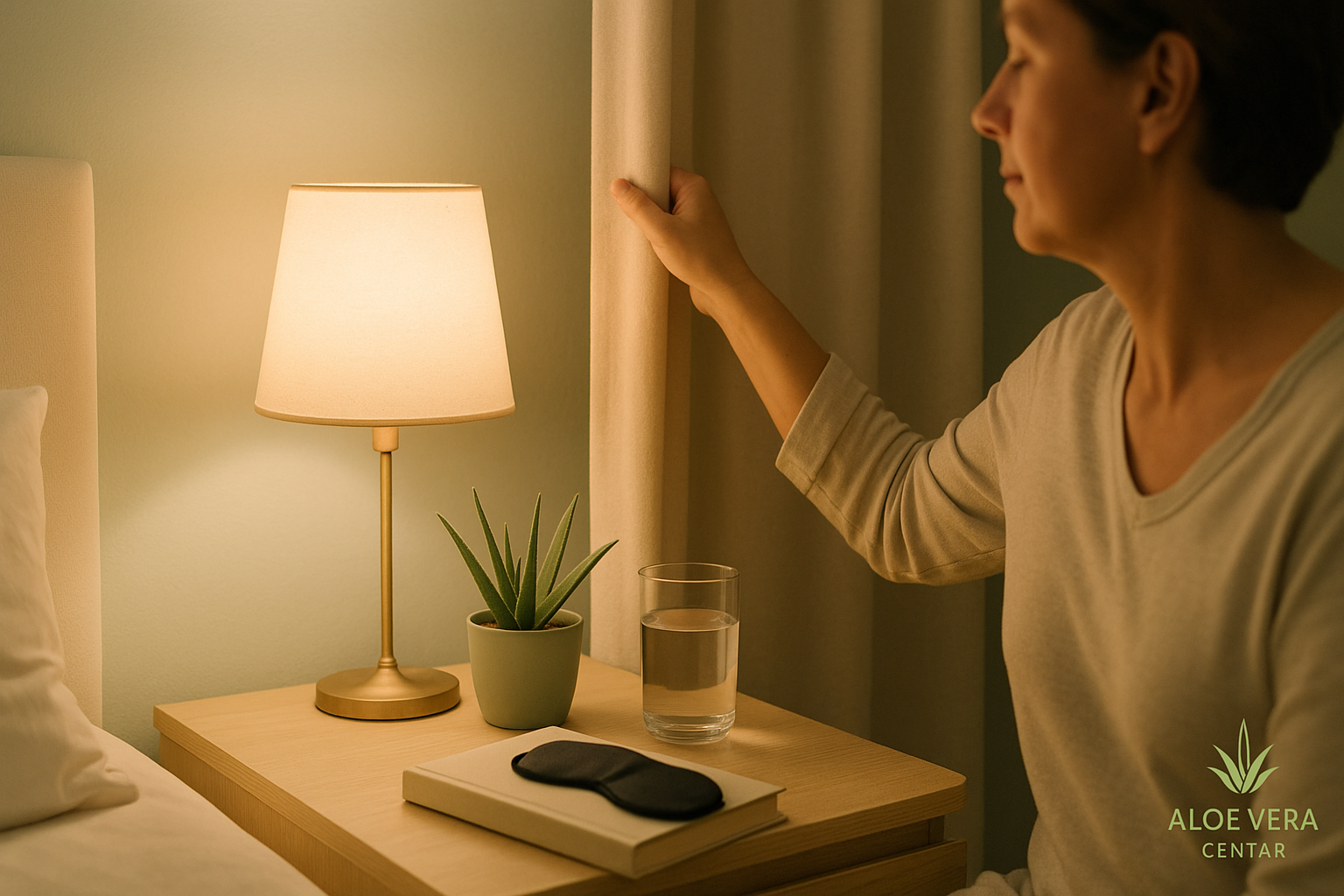
Here's the thing. Sleep doesn't start when you close your eyes, but hours before. What you do in the afternoon and evening sends a message to the body about what kind of sleep will follow.
1. Calm the light and screens
The strongest signal for alertness is light, especially the blue light of the screen. Therefore, at least an hour before sleep, reduce the lighting and avoid strong screens.
Detailed steps for better sleep with fewer screens can be found in the articleInsomnia and late screens.
2. Dinner and drinks that don't burden you
Heavy, fatty food late at night makes it difficult to fall asleep and worsens reflux. Try to eat most of your food earlier, and choose a lighter meal with protein and vegetables in the evening.
A mild evening cup of tea, as it wereAloe Blossom Herbal Tea, can become a pleasant ritual without caffeine.
3. A short ritual to calm the nervous system
A restless mind is often the main enemy of sleep. Very simple exercises help, if you do them consistently.
- Five minutes of slow breathing, exhalation longer than inhalation.
- Short neck, shoulder and back stretching.
- Writing down thoughts that worry you in a notebook.
If you want ideas for short mental breaks during the day, you may find this article usefulThe power of silence.
4. Temperature and comfort of the bedroom
The body enters sleep better when the core is slightly cooled. That is why it is ideal for the bedroom to be slightly cooler than the rest of the apartment.
Use breathable bedding, ventilate regularly and, if possible, remove strong light sources. This is how you send a clear signal to the brain that it is time for a night's rest.
5. Supplemental support with an agreement with a doctor
Some people, especially with frequent infections and stress, benefit from carefully selected supplementation. This refers primarily to vitamin D, zinc, probiotics and similar supplements.
With frequent infections, some people resort to a supplementForever Immublend, always with the advice of a doctor or pharmacist.
If you're not sure what's right for your situation, you can use oursAI advisor for personalized recommendations.
Morning habits that help sleep at night
Paradoxically, quality sleep begins already in the morning. It is the moment when you set the rhythm of the day and send the first big signal to the internal clock.
- Expose yourself to daylight within the first hour after waking up.
- Eat a balanced breakfast with protein, if that works for you.
- Introduce short movement, at least ten minutes of walking or stretching.
This is how you send a message to the body: the day has begun, and in 14 to 16 hours there will be a natural decline and readiness for sleep.
For additional tips on strengthening immunity throughout the day, you may find the article usefulflu season.
What if you work in shifts
Shift work puts a particular strain on hormones and the immune system. The circadian rhythm then constantly"travels"and is difficult to stabilize.
If you work night shifts, at least try these steps.
- Plan a fixed sleep time after your shift, even on weekends.
- Use an eye mask and earplugs for noise and light.
- Avoid strong coffee late in the shift, especially the last few hours.
It is not possible to completely eliminate the risk, but a clearly defined rhythm of sleep and wakefulness can significantly reduce the damage.
Sleep, stress and colds in real life
Perhaps you yourself have noticed that you catch a cold just when you are tired, stressed or after a period of poor sleep. This is not a coincidence, but a very logical biological pattern.
Chronic stress and elevated cortisol deplete the immune system. When lack of sleep is added to this, the body loses part of its defense reserve.
You can read more about the effect of cortisol on immunity in the textstress and cortisol in colds.
When to think about add-ons and support
Although sleep is the foundation, sometimes additional steps are needed. This is especially true if you have chronic sleep problems, frequent infections, or pre-existing diagnoses.
It may sound simple, but the first stage is keeping a journal. Write down how much you sleep, when you go to bed, how many times you wake up and how you feel in the morning.
With this information, you can go to a doctor or a nutritionist and together consider whether it makes sense to include supplements, a change in diet or additional diagnostics.
Frequently asked questions about sleep, hormones and immunity
How many nights of bad sleep are really harmful?
The occasional bad night is no reason to panic. The problem arises when you sleep too little five or more days a week, over a long period of time.
Then the hunger hormones change, the level of inflammatory markers increases and the risk of infections increases.
Can daytime sleep compensate for a short night?
A short daytime nap can help with fatigue, but it does not fully restore the hormonal balance. It is better to create a stable night rhythm and, if necessary, add a short nap earlier in the day.
Is it better to go to bed earlier or sleep longer in the morning?
For most adults, it is more beneficial to go to sleep earlier and wake up naturally at the same time. This preserves the morning cortisol peak and supports the natural circadian rhythm.
When is it time to see a specialist?
Contact your doctor if you wake up restless for months, snore loudly, have pauses in your breathing, wake up at night with suffocation, or suspect depression and anxiety.
Conclusion: small steps towards better sleep and stronger immunity
Sleep is the foundation of hormones and immunity, not a luxury for days when you've done everything else. Each additional night of quality sleep builds a more resilient body, a more stable mood and a clearer focus.
You don't have to change everything at once. It is enough to start with one step this week. Maybe it will be going to bed earlier, maybe a warm cup of tea, maybe five minutes of quiet breathing without a screen.
If you want additional support when choosing products and routines, you can always rely on expert advice or use digital tools. Some readers like to combine quality sleep, targeted supplementation and mild preparations such as aloe vera in their daily routine.
For inspiration on how modern technology and artificial intelligence are used to build a global online business, read the articleHow this couple is building a global business with AI and working 95% online.
Note: This article is for informational purposes only and does not constitute medical advice. For diagnosis, treatment or adjustment of therapy, consult your doctor or other qualified health professional.
Products most closely related to this topic
If you want to compare concrete options after reading, these products are the closest match to the article topic.
Forever Active Pro BProbiotic support when you want an easier daily way to care for digestion.
It makes sense if you are looking at the topic through digestion and a simpler daily routine.Forever Absorbent DA simple fiber add-on when you want digestion and satiety support during the day.
It fits topics such as appetite, portions, energy or a weight-management routine.Aloe Blossom Herbal TeaA caffeine-free herbal tea for a calmer daily ritual, hot or cold.
A good comparison if you want natural daily support and a calmer ritual.Short answers that help
If you are still comparing options, these are the points worth checking before you continue.
What should I take from this article?
Use it to understand the topic in practical terms and compare it with your current routine, needs and next step.
When does it make sense to ask for a recommendation?
Ask when the topic feels relevant, but you are not sure which Forever Living Products product or routine fits you best.
Does this article replace professional advice?
Sleep, hormones and immunity: how the night shapes your health is educational content. For medical conditions, medication, pregnancy or persistent symptoms, include qualified professional advice.
Describe what you want to achieve
If you do not know which product to choose, write your goal, habits or doubts and get a more concrete suggestion.
Recommended products

Related articles to keep exploring