
The key points from this article
- Gluten is a word that has raised many questions in recent years: should it be thrown out completely, who does it really bother, and how can we find tasty, nutritious s...
- You may be wondering why there is so much talk about it.
- For a personal choice, continue with a recommendation after reading.
Products most closely related to this topic
If you want to compare concrete options after reading, these products are the closest match to the article topic.
 Forever Active Pro B
Probiotic support when you want an easier daily way to care for digestion.
It makes sense if you are looking at the topic through digestion and a simpler daily routine. Forever Fiber - FIBER
A simple fiber add-on when you want digestion and satiety support during the day.
It fits topics such as appetite, portions, energy or a weight-management routine.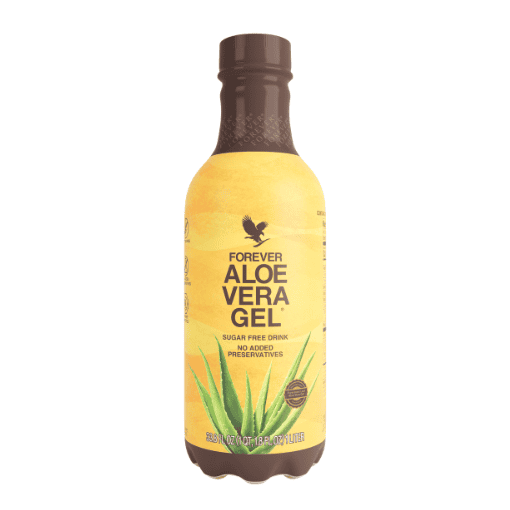 Aloe Vera Gel
A daily aloe drink for people who want simple support for digestion and routine.
It makes sense if you are looking at the topic through digestion and a simpler daily routine.Gluten: who should avoid it and are there alternatives?
Gluten is a word that has raised many questions in recent years: should it be thrown out completely, who does it really bother, and how can we find tasty, nutritious substitutes without feeling deprived? You may be wondering why there is so much talk about it. Here's the thing: For some people, avoiding gluten is necessary, while bringing little or no benefit to others. In the following, you will find out how to recognize if you belong to the first group, how to set up a smart plan and what are the best alternatives that preserve gut health, energy and satisfaction with food.
What is gluten and what foods contain it
Gluten is a protein complex that is naturally found in wheat (including spelt, kamut and semolina),barley i rye. It gives the dough elasticity and structure, so we find it in bread, pastries, pasta, cakes, pies,Seitan,couscous i bulgur. But that's not all... It is often hidden in:
- sauces and marinades (e.g. soy sauce with wheat),
- processed meat products and soups from a bag,
- snacks and energy bars,
- beer based on barley.
Who should avoid gluten
1) Celiac disease – an autoimmune reaction to gluten
Celiac disease is an autoimmune disease in which gluten intake triggers an immune reaction and damages the lining of the small intestine. The result is indigestion, lack of nutrients and a series of systemic symptoms. Key:gluten-free diet is lifelong and there is no non-essential alternative.
Do you suspect celiac disease? It sounds too good to be true, but many people make the same mistake: eliminating gluten before diagnosis. Official guidelines NIDDK recommend that gluten not be removed before testing, as this can lead to false negative results. The first steps are serological tests and, if necessary, a biopsy.
Do you want a deeper understanding of the symptoms and when to suspect? See the guideceliac disease symptoms in order to contact the doctor in a timely manner.
2) Wheat allergy - not the same as"gluten allergy"
Wheat allergy is an IgE-mediated reaction to wheat proteins. Symptoms can vary from rashes and itching to more serious reactions. Important note:"gluten allergy"as a term is not correct - we distinguish allergy to wheat, celiac disease and non-celiac gluten sensitivity. The avoidance plan is determined by the allergist, most often with the elimination of wheat and caution towards products with traces.
3) Non-celiac gluten sensitivity (NCGS)
Some people without celiac disease and without a wheat allergy still report indigestion after consuming wheat products. But here's a surprise:i observations show that symptoms are often caused by fructans -FODMAP carbohydrates, and not gluten itself. That is why it is more effective for many people with irritable bowels low FODMAP strategy. The Monash team, creators of the FODMAP approach, explain the details and mechanisms on their blogabout the relationship between gluten and IBS.
If you doubt NCGS, she is reasonable professionally managed elimination with reintroduction and monitoring of symptoms. For additional ideas on how to combine nutrition and gut microbiota support, read the articleprobiotics diet.
Who gluten probably it doesn't have to avoid
If you do not have a diagnosis of celiac disease, a wheat allergy, or a clear clinical picture of NCGS, there is probably no need for a complete elimination. In fact, switching too quickly to a gluten-free diet without supervision can reduce the intake of fiber, folate and other micronutrients. A systematic review points out thata gluten-free diet is often poorer in fiber and richer in sugars and fats if not planned carefully. If you still want to test your relationship with gluten, do it in a structured way - with a diary and a clearly defined goal.
How to safely implement a gluten-free diet plan
1) Lay the foundation - diagnostics and education
- Do not exclude gluten before tests - this makes the diagnosis difficult.
- Work with a doctor and nutritionist - individualization makes the difference.
- Get to know the labeling rules - the FDA"gluten-free"guidelines are a guide for safe shopping.
2) Attention to oats - often safe, but...
Oats naturally do not contain gluten and are valuable to many in a gluten-free diet. However, there is a problem contamination during cultivation and processing. Many gluten-free oat products are contaminated. In addition, recent work shows that avenue - oat protein fraction - in a small number of people with celiac disease, it can trigger symptoms and immune response. Conclusion: choose certified gluten-free oats, introduce them gradually and monitor reactions.
3) The best naturally gluten-free substitutes
Good news? The choice is wide and delicious. Here are proven alternatives that make a difference:
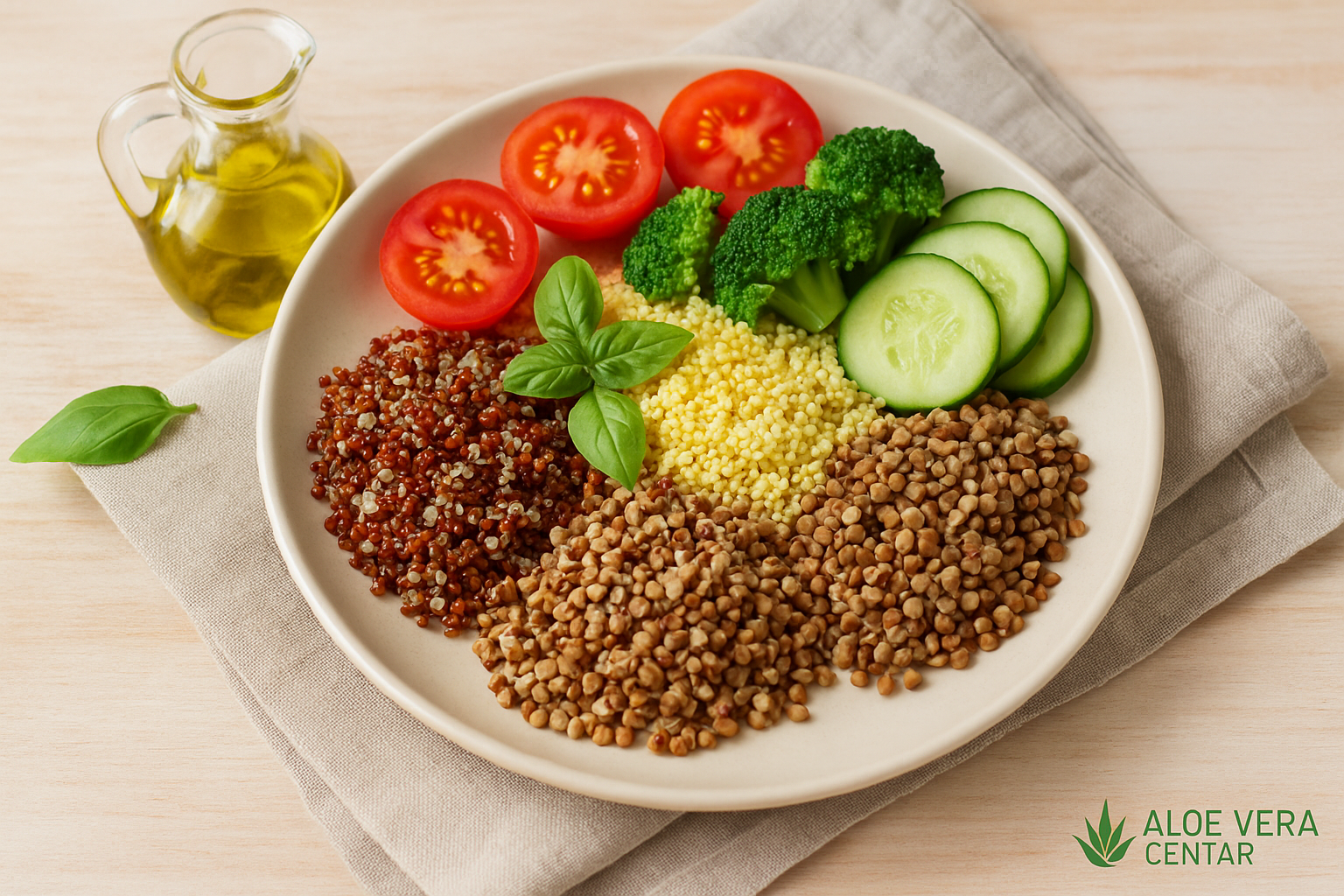
- Cereals and pseudocereals: rice, corn, buckwheat, quinoa, millet, amaranth, teff, sorghum.
- Tubers and starches: potato, sweet potato, tapioca, cassava, arrowroot.
- Legumes and seeds: lentils, chickpeas, beans, flax and chia seeds – great for protein and fiber.
- Gluten-free flour: rice, buckwheat, almond, coconut, chickpea - great for pancakes, bread and soup thickening.
For inspiration on how to arrange all this into a routine, take a look at the guidegluten-free diet, where practical tips and meal plans are collected.
4) How to keep enough fiber, protein and micronutrients
If you exclude wheat, barley and rye, fiber easily"escapes". The solution is simple:
- Let every meal contains a portion of vegetables or fruit.
- Introduce complete versions of gluten-free cereals - buckwheat, quinoa, millet.
- Add legumes 2 to 4 times a week - for example, chickpea salad with quinoa.
- Consider targeted fiber support – Forever Fiber it's a handy way to fill the gap when you're on the go.
For regular peristalsis and gentle stool assistance, see also ideas from the guidenatural laxatives.
5) Why probiotics often help
Changes in the microbiome are common in people who have had digestive problems for a long time.Probiotics can help with bloating and irregular stools, especially if a strong, well-formulated product is chosen. If you need a practical option for everyday use, do your researchForever Active Pro B with multiple strains targeting intestinal balance.
6) Low FODMAP - when it is smarter than completely eliminating gluten
Do you have IBS and a sensitive stomach? Instead of cutting out gluten completely, it may be more effective to limit it FODMAPs carbohydrates for several weeks. This approach significantly alleviates the symptoms of most sufferers, and the Monash team's research further explains why wheat bothers some people because of fructans and not because of gluten.
Want clear steps, an example menu and check combinations? For a personalized plan you canuse our AI advisor which will help you choose meals according to your goals and restrictions.
An example of a one-day gluten-free menu
This example helps maintain stable energy, enough fiber and pleasant digestion.
- Breakfast: buckwheat pancakes with coconut yogurt, blueberries and a spoonful of ground flax.
- Snack: an apple and a handful of almonds.
- Lunch: quinoa salad with chickpeas, cherry tomatoes, cucumber and olive oil; some feta cheese or tofu.
- Snack: coconut kefir or lactose-free fermented drink, a pinch of cinnamon.
- Dinner: baked salmon, sweet potato puree and boiled broccoli with lemon.
Pro tip: If you're just transitioning to a gluten-free diet, use the ideas in the articleFood allergies for reducing irritation and smart planning.
Common mistakes and how to avoid them
- Reliance on processed"gluten-free"food. It is often low in fiber and high in sugar. Leave the focus on whole foods.
- Not enough fiber. Combine quinoa, buckwheat, legumes and vegetables. If necessary, tactically insert a portion soluble fiber.
- Neglecting micronutrients. If you avoid fortified cereals, pay special attention to folate, iron and B vitamins.
- Cross-contamination is overlooked. Special boards, toaster and knives - these are small but crucial habits in the kitchen.
- Replacing gluten without monitoring symptoms. If the problem is FODMAP, then gluten is not the main culprit - it is smarter to target fructans and polyols.
How to read declarations and order outside
- You are looking for "gluten-free" and ask about traces wheat, barley and rye.
- In restaurants, state that you avoid gluten and wheat and ask for preparation on a clean surface.
- Choose naturally gluten-free side dishes - rice, potatoes, vegetables, polenta.
- Watch out for sauces and thickeners – prefer cornstarch or tapioca.
How science views gluten today
In short: in the case of celiac disease and wheat allergy, avoidance is unquestionable and lifelong, and the labels"gluten-free"and the standard of less than 20 ppm facilitate a safe purchase. With NCGS and IBS, fructans are often a bigger problem than gluten itself, which is why the low FODMAP approach often brings the best results. Since standards and guidelines are updated periodically, be curious and informed – choose trusted sources and follow your body.
Mini scenario: what it looks like in practice
Imagine Marina, a 38-year-old office worker. She had bloating and fatigue for years, and"gluten-free"products did not help her. After a guided experiment with a low FODMAP approach and the introduction of quinoa, buckwheat, legumes and a daily walk, the complaints were halved. But that's not all... Along with the targets soluble fiber and short-term probiotic support, she felt more energy. The point: sometimes the problem is not gluten, but way on which we combine food and how much we listen to the body's signals.
FAQ - Frequently Asked Questions
Is"little gluten"okay with celiac disease?
Unfortunately it is not. In celiac disease, even small amounts can trigger an immune response."Gluten-free"labels and standards such as less than 20 ppm serve precisely to facilitate safe shopping.
Is oatmeal safe?
Most often yes - if they are certified gluten free. However, in a small number of people with celiac disease, the protein avenin can cause problems. Introduce them gradually and monitor how you feel.
Can the low FODMAP diet help even if I think gluten bothers me?
Yes – especially if you have IBS. Some studies show that symptoms are caused by fructans from wheat, not gluten.
Will I run out of fiber and vitamins on a gluten-free diet?
Not if you plan smart. Include quinoa, buckwheat, legumes, vegetables and fruits. If the rhythm of life does not allow perfect organization, you can occasionally rely on a portion of targeted added fiber. Look if necessarygluten-free diet for practical ideas.
Conclusion - what decision to make today
The most important thing is to distinguish to whom gluten also bothers me why. If you have celiac disease or a wheat allergy, avoiding gluten is unquestionable. If you suspect a sensitivity, a structured approach – sometimes with low FODMAP – can be a hit. Either way, take your pick complete gluten-free alternatives, nurture the microbiome and take care of fiber, protein and micronutrients.
Note: This content is for educational purposes and is not a substitute for professional medical advice. If you suspect celiac disease, a wheat allergy or have more serious problems, consult a doctor or a qualified nutritionist.
Products most closely related to this topic
If you want to compare concrete options after reading, these products are the closest match to the article topic.
Forever Active Pro BProbiotic support when you want an easier daily way to care for digestion.
It makes sense if you are looking at the topic through digestion and a simpler daily routine.Forever Fiber - FIBERA simple fiber add-on when you want digestion and satiety support during the day.
It fits topics such as appetite, portions, energy or a weight-management routine.Aloe Vera GelA daily aloe drink for people who want simple support for digestion and routine.
It makes sense if you are looking at the topic through digestion and a simpler daily routine.Short answers that help
If you are still comparing options, these are the points worth checking before you continue.
What should I take from this article?
Use it to understand the topic in practical terms and compare it with your current routine, needs and next step.
When does it make sense to ask for a recommendation?
Ask when the topic feels relevant, but you are not sure which Forever Living Products product or routine fits you best.
Does this article replace professional advice?
Gluten: who should avoid it and the best gluten-free alternatives is educational content. For medical conditions, medication, pregnancy or persistent symptoms, include qualified professional advice.
Describe what you want to achieve
If you do not know which product to choose, write your goal, habits or doubts and get a more concrete suggestion.
Recommended products


Related articles to keep exploring