The key points from this article
- Hot flashes and night sweats in perimenopause they can come unannounced.
- There is a rush of heat, then sweat, then the heart beats faster.
- For a personal choice, continue with a recommendation after reading.
Products most closely related to this topic
If you want to compare concrete options after reading, these products are the closest match to the article topic.
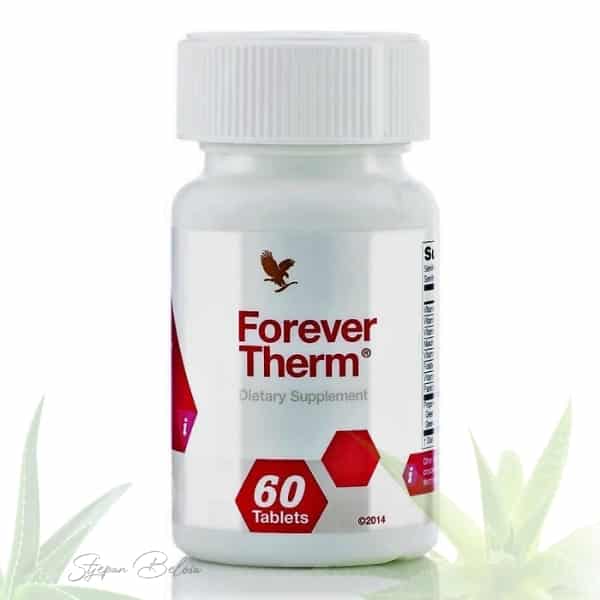 Forever Therm
Worth considering when you want energy support inside a weight-management routine.
It fits topics such as appetite, portions, energy or a weight-management routine.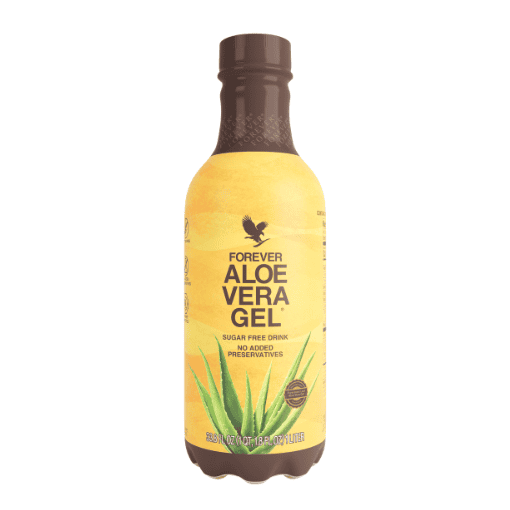 Aloe Vera Gel
A daily aloe drink for people who want simple support for digestion and routine.
It makes sense if you are looking at the topic through digestion and a simpler daily routine.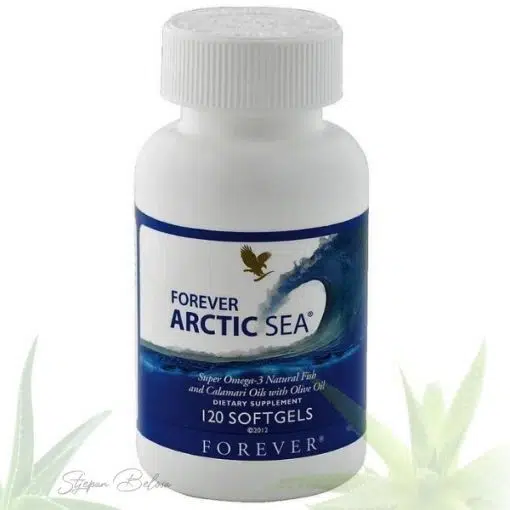 Arctic Sea Omega
A supplement for energy, heart and circulation routines when you want longer-term daily support.
Useful to compare when you are looking for energy, focus or vitality support.Hot flashes and night sweats in perimenopause: a quick guide to a better day
Hot flashes and night sweats in perimenopause they can come unannounced. There is a rush of heat, then sweat, then the heart beats faster. Then you ask yourself,"Is this normal?"And even more important:"How can I function tomorrow?"
If you are between 30 and 55 years old, it is possible that you are in the phase when your body is changing the"rules of the game". This does not mean that you are helpless. It means that you need a new, realistic plan. A plan that fits in a day. And which also helps at night.
You will get clear steps in this guide. You will learn to recognize triggers. You will receive a quick day protocol and a night protocol. You will also receive criteria for when to talk to a doctor.
What are hot flashes and night sweats, simply explained
A hot flash is a short episode of a sudden feeling of warmth. Most often it goes to the face, neck and chest. Redness often occurs. Sweat may appear immediately.
Night sweats are the same thing, only in sleep. Then you wake up wet. The bedding becomes damp. After that comes coldness and shivering.
These episodes belong to the so-called vasomotor symptoms. They are very common in the transitional period. The duration of one episode is usually a few minutes.
If you want a deeper understanding of the stages and typical changes, see the practical steps in the articlePerimenopause.
Why does this happen in perimenopause
In perimenopause, hormones do not fall flat. They oscillate. Estrogen can be high for a week. It may drop sharply next week.
The problem is thermoregulation. The brain has a"thermostat". During perimenopause, this system becomes more sensitive. Then even a small temperature change starts the reaction.
Another factor is important. Sleep often worsens. When sleep is bad, the body has a harder time coping with stress. That's when hot flashes are more common.
Read the article for a broader context of how night affects hormones and the body's defensesa dream.
How to know that it is perimenopause and not something else
Perimenopause is not the only cause of sweating. Sometimes the cause is the thyroid gland, infections or medications. Sometimes the reason is alcohol or anxiety.
One sign is a pattern. Symptoms return in waves. They often come with cycle changes. They can also come with mood swings.
If you have fainting, chest pain or sudden weakness, it is not"to wait". Then a quick assessment is needed. If you have a high fever, you should also be evaluated.
An overview of typical symptoms and basic guidelines describes and overview of theNCBI page on menopause.
The most common triggers that intensify hot flashes
You may be wondering why hot flashes appear at that time. Here's the thing: triggers are often very"ordinary". And that's why it's easy to overlook them.
- Alcohol, especially in the evening.
- Spicy food and very hot dishes.
- Caffeine, especially after 2 p.m.
- Warm room and poor ventilation.
- Stress and haste, even when you think you are"used to it".
- Late workout with a high pulse.
It sounds simple, but it works. Keep a mini diary for two weeks. Write down time, food and condition. Also write down the severity of the symptoms.
In practice, one pattern is often seen. Hot flashes are more common after a bad sleep. They are also more frequent after a day with a lot of tension.
Quick daily protocol: 10 minutes to feel in control
This protocol is for"now". It's not perfect. But it works in real life. And it gives the body a signal that it is safe.
Step 1: Cooldown in 60 seconds
Take cold water and wash your wrists. You can also apply a cold compress on your neck. No need for ice. It needs a slight cooling.
Step 2: Breathing that calms the autonomic system
Inhale for 4 seconds. Hold for 2 seconds. Exhale for 6 seconds. Repeat 8 times. This rhythm reduces the"alarm"in the body.
Step 3: Micro hydration and salt, if necessary
Drink 200 to 300 ml of water. If you sweat a lot, add a pinch of salt. This can help with dizziness.
Step 4: Food that stabilizes, not waves
Choose a meal with protein and fiber. Choose healthy fats as well. Avoid sugar on an empty stomach. Sugar often increases oscillations.
The practical choice of nutrients and routine in this period is explained in the articlediet in menopause.
Step 5: Clothes and Layers
Wear in layers. Choose cotton or merino. Avoid synthetics. This reduces the feeling of"suffocation"during the surge.
Quick night protocol: less waking up, more sleep
But that's not all. Night waves are not only unpleasant. They"steal"deep sleep. And without sleep, everything becomes more difficult tomorrow.
Set the room as a “safe zone”
Make the bedroom cooler. Aim for around 18 to 20 degrees. If you can't, use a fan. Air displacement helps.
Bedding and pajamas
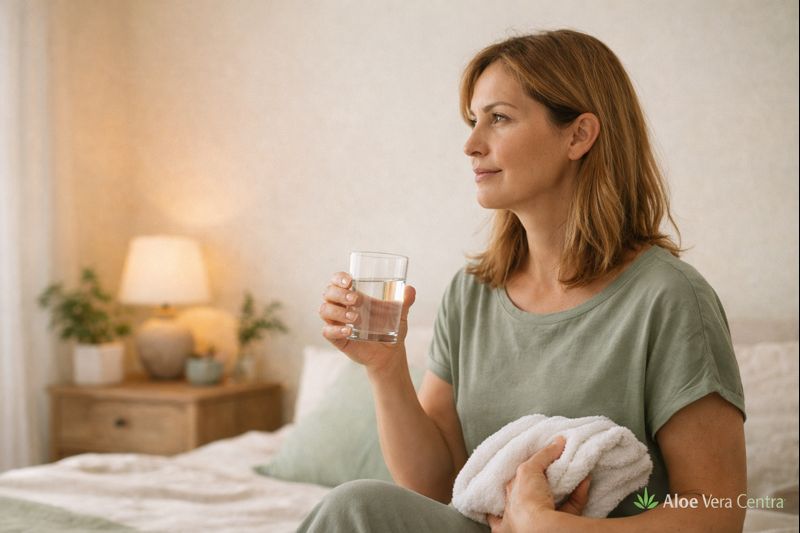
Choose breathable materials. Use a thinner blanket. Keep an extra towel by the bed. Keep a spare shirt as well.
Plan to wake up in 2 minutes
When you wake up, don't negotiate with yourself. Get up, wipe yourself, change your shirt. Drink a few sips of water. Then go back to bed.
Light and screen
Do not turn on a bright light. Don't take your cell phone. The screen raises alertness. Then the dream escapes even further.
Read the article for specific strategies to calm stress and sleep betterstress and cortisol.
What the practice and literature on symptom management show
You may be wondering if it makes sense to do all these steps. The answer is yes. Symptoms often decrease when the overall load is reduced.
A realistic expectation is also key. Some people have symptoms for a shorter time. Some have them longer. The average duration can be several years.
When symptoms are severe, talking to a doctor makes sense. There are hormonal and non-hormonal options. Individual assessment is important.
A summary of effective nonhormonal approaches describes the NAMS position paper onPubMed page from 2023..
A review of clinical options and practical guidelines also brings an expert review toto the PubMed Central guide.
For everyday tips that are easy to apply, it is also useful to cover the topic atHealthline article on nocturnal hot flashes.
Nutrition and the rhythm of the day:"small"changes that bring big results
The biggest problem of perimenopause is unpredictability. That's why rhythm helps. Rhythm reduces surprises. And it gives the nervous system stability.
- Breakfast with protein within 60 minutes of waking up.
- Lunch without a big sugar spike.
- Dinner earlier and lighter, at least 3 hours before sleep.
- Movement daytime, but not late at night.
If you like practical"shortcuts", use the plate rule. Half vegetables, quarter protein, quarter starch. Add olive oil.
Add magnesium through food. Choose nuts and legumes. Choose green leafy vegetables as well. This doesn't solve everything, but it helps.
Accessories and products: how to think without exaggeration
The rule applies here: first the base, then the upgrade. The basis is sleep, nutrition, stress and movement. Only then do the extras make sense.
Some people like to support hydration and digestion with aloe gel. If that works for you, consider itForever Aloe Vera Gel as part of the routine.
Others want to support the heart and brain through omega-3s. This can be useful in the wider context of health. An example of a product isForever Arctic Sea Omega.
If you're not sure what's right for you, make your decision easier. You can use oursAI advisors for general guidance and better orientation.
Mini plan for 7 days: test without pressure
This is a plan that does not seek perfection. He is only looking for consistency. Do it for seven days. Write down what changes.
- Day 1: cool the room and prepare layers of clothing.
- Day 2: cut back on caffeine after 2 p.m.
- Day 3: add 20 minutes of walking in the morning.
- Day 4: dinner earlier and without alcohol.
- Day 5: introduce 4-2-6 breathing twice a day.
- Day 6: stable breakfast with proteins.
- Day 7: trigger review and adjustment.
If after seven days you have at least 10% fewer episodes, continue. If you have no change, change one element. Don't change everything at once.
Frequently asked questions
How long do hot flashes last in perimenopause?
Duration is individual. For some, it lasts a year or two. In others it lasts longer. The intensity and impact on life is important.
Is it normal to wake up completely wet?
It may be normal at this stage. However, if you have a fever or weight loss, contact your doctor. This can have other causes.
When is it time for a doctor?
If symptoms disrupt sleep and work, that is reason enough. If you have chest pain, fainting or severe fatigue, go earlier. Assessment brings peace.
Do"natural"tricks help immediately?
Some help quickly, like cooling and breathing. Others need weeks, like the rhythm of eating. A combination works best.
Conclusion
Hot flashes and night sweats are not a sign of weakness. They are a signal of change. Change can be uncomfortable, but it is manageable.
Start with the basics: a cooler room, layers, breathing and a stable plate. Then follow the triggers. Give yourself 7 days. You don't have to solve everything right away.
When you have a plan, the feeling of control returns. And that already brings a better day. And a quieter night.
For inspiration on how modern technology and AI are used to build a global online business, read the article"How this couple is building a global business with AI and working 95% online".
Note: This article is for informational purposes only and is not a substitute for professional medical advice. If you have severe or sudden symptoms, contact your doctor or specialist.
Products most closely related to this topic
If you want to compare concrete options after reading, these products are the closest match to the article topic.
Forever ThermWorth considering when you want energy support inside a weight-management routine.
It fits topics such as appetite, portions, energy or a weight-management routine.Aloe Vera GelA daily aloe drink for people who want simple support for digestion and routine.
It makes sense if you are looking at the topic through digestion and a simpler daily routine.Arctic Sea OmegaA supplement for energy, heart and circulation routines when you want longer-term daily support.
Useful to compare when you are looking for energy, focus or vitality support.Short answers that help
If you are still comparing options, these are the points worth checking before you continue.
What should I take from this article?
Use it to understand the topic in practical terms and compare it with your current routine, needs and next step.
When does it make sense to ask for a recommendation?
Ask when the topic feels relevant, but you are not sure which Forever Living Products product or routine fits you best.
Does this article replace professional advice?
Hot flashes and night sweats in perimenopause is educational content. For medical conditions, medication, pregnancy or persistent symptoms, include qualified professional advice.
Describe what you want to achieve
If you do not know which product to choose, write your goal, habits or doubts and get a more concrete suggestion.
Recommended products

Related articles to keep exploring