
The key points from this article
- Bloating after certain foods may seem like a minor inconvenience, but it can easily ruin your whole day.
- Your stomach is tense, you tighten your pants, and your energy drops.
- For a personal choice, continue with a recommendation after reading.
Products most closely related to this topic
If you want to compare concrete options after reading, these products are the closest match to the article topic.
 Aloe Vera Gel
A daily aloe drink for people who want simple support for digestion and routine.
It makes sense if you are looking at the topic through digestion and a simpler daily routine. Forever Fiber - FIBER
A simple fiber add-on when you want digestion and satiety support during the day.
It fits topics such as appetite, portions, energy or a weight-management routine. Aloe Blossom Herbal Tea
A caffeine-free herbal tea for a calmer daily ritual, hot or cold.
A good comparison if you want natural daily support and a calmer ritual.Bloating after certain foods: a quick guide to a better day
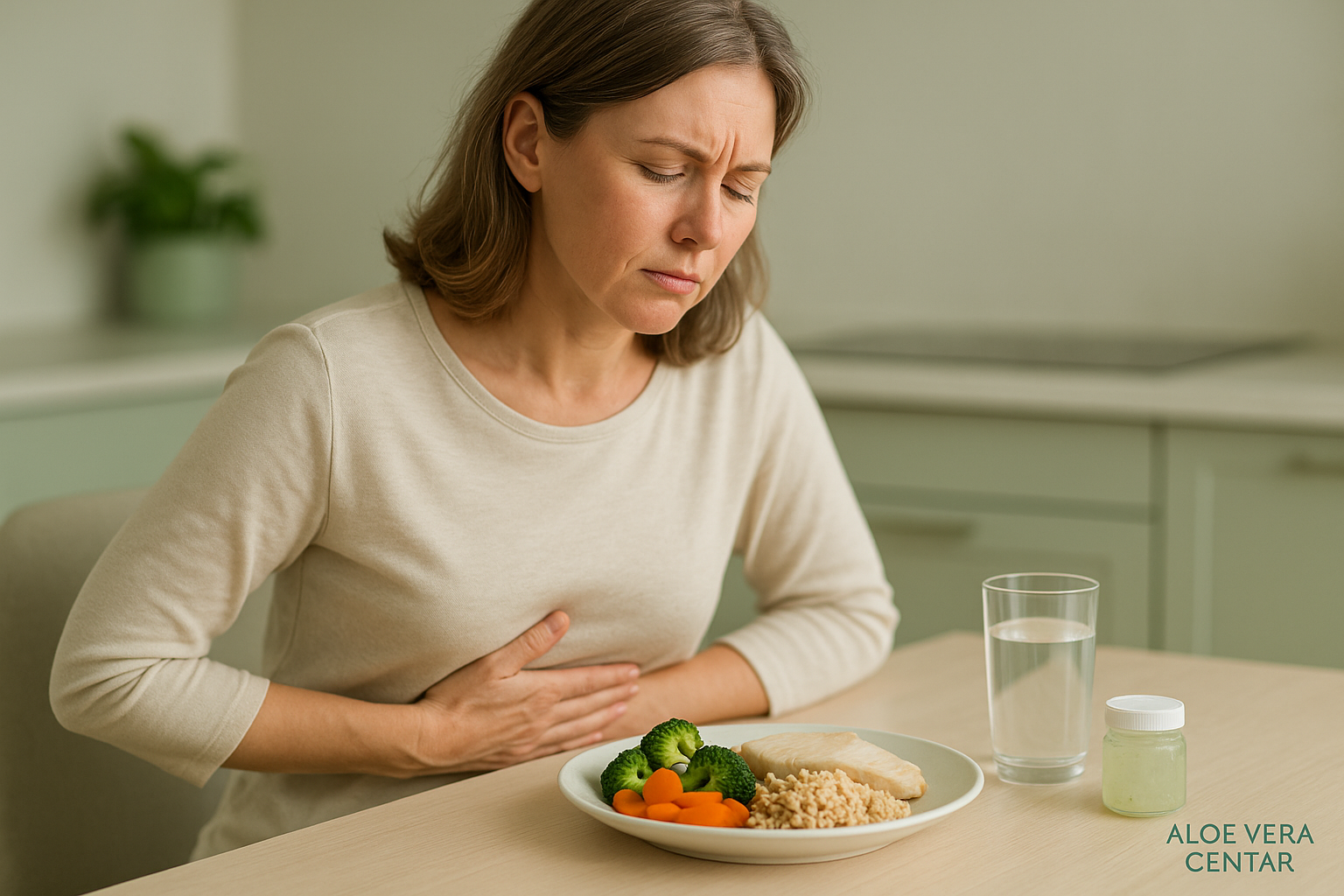
Bloating after certain foods may seem like a minor inconvenience, but it can easily ruin your whole day. Your stomach is tense, you tighten your pants, and your energy drops. Although the occasional feeling of bloating is normal, frequent discomfort is a sign that your body is trying to tell you something.
It's good to know that bloating is usually not a sign of something dramatic. In most cases, it is a combination of food, pace of eating and lifestyle. With a few smart adjustments, many feel visible relief within a few days.
In this guide, we'll go over major food triggers, practical steps for quick recovery, and a long-term strategy for a calmer stomach. The goal is simple: to know what bothers you, what helps you and how you can help yourself right from the next meal.
Why does bloating occur after certain foods
Bloating is a feeling of tension or fullness in the abdomen, often accompanied by gas and discomfort. The most common reason is the accumulation of air and gases in the digestive system. This can be caused by food that is difficult for you to digest or by the way you eat.
When you eat very quickly, you swallow more air. When you eat large meals, the stomach and intestines have more work to do at once. When you choose foods that ferment in the intestines, more gas is produced and the feeling of an inflated balloon.
Various analyzes of digestive problems show that gas, slower digestion and certain food combinations are the most common cause of bloating after a meal. This is especially noticeable after meals rich in sugars, some types of fiber and fatty foods. Fortunately, you can influence most of these factors.
Digestive health experts often emphasize the importance of mindful eating. A recent expert analysis described how slower chewing and smaller bites reduce air swallowing and facilitate digestion. It's a simple change that doesn't require any extras, and often brings great relief.
The most common food triggers for bloating
Milk and milk products
Some people experience severe bloating, cramps or diarrhea after milk, cheese or cream. A common reason is a lack of the enzyme lactase, which breaks down the milk sugar lactose. Undigested lactose then ferments in the intestines and creates excess gas.
If you suspect such a problem, the article on what it means can help youlactase enzyme deficiency. Even a few weeks of keeping a food diary often reveals a clear link between dairy products and bloating.
Gluten and wheat products
In some people, bloating occurs after dough, bread, pasta or pastries. Reasons can be sensitivity to gluten, wheat FODMAP carbohydrates or even a combination of fat and salt in ready-made products. It is important not to draw conclusions overnight, but to follow the pattern for several weeks.
You can read more about how intolerances to gluten and other ingredients affect a bloated stomach in one comprehensive articlereviewed in Medical News Today. If you suspect a more serious intolerance or celiac disease, talking to your doctor is a mandatory step.
Legumes, vegetables and specific fibers
Legumes, cabbage, onions and garlic are often on the list of culprits for bloating. They are nutritionally rich foods, but they contain carbohydrates that gut bacteria like to ferment. The result is more gas, especially if you suddenly introduce them to the menu or rarely eat them.
For more sensitive people, it helps to gradually increase the amount, good heat treatment and combining it with simpler side dishes. Instead of cutting them out completely, think about how to prepare them and distribute them throughout the day in smaller portions.
Fatty and very salty meals
Fatty food leaves the stomach more slowly, so you feel heaviness and pressure for longer. Very salty meals additionally retain water in the body, which increases the feeling of bloating. The combination of lots of fat, salt and large portions is almost a sure recipe for an uncomfortable stomach.
This does not mean that you have to eat completely fat-free. The goal is to choose smart sources, such as olive oil and nuts, and watch the quantity. Lots of vegetables, a moderate amount of carbohydrates and a reasonable portion of quality fats make the difference.
Carbonated drinks, chewing gum and extra air
Carbonated drinks introduce gas directly into the digestive system. Chewing gum encourages constant air swallowing. In sensitive people, this can already be enough for uncomfortable pressure in the abdomen, especially after a large meal.
Try going soda and gum free for a few days to see the difference. Instead, choose still water, herbal teas and eating slowly, without talking in large bites.
When to suspect a deeper problem
Occasional bloating after a heavy meal is usually nothing to worry about. But if bloating accompanies you almost every day, along with pain, diarrhea, constipation or unexpected weight loss, it's time to take a more serious approach. In this case, it is not enough just to change certain foods.
Numerous studies show that people with irritable bowel syndrome often react to specific fermentable carbohydrates. In onerandomized study on the low FODMAP diet it is precisely flatulence that is listed among the symptoms that are significantly reduced in many respondents.
It is important to emphasize that restrictive diets also carry the risk of nutrient deficiencies. That is why such programs are carried out under professional supervision and with a clear goal. At home, you can start with a milder version: keep a diet and symptom diary and note which patterns repeat themselves.
Bloating can be caused by lactose, fructose or gluten intolerance, as well as hormonal changes, stress or slow digestion. A professional examination of indigestion often begins with the observation of food and symptoms over time, and not with a single finding.
What you can do right now
When you already feel bloated, first reduce the pressure on the digestive system. Make the next meal smaller, lighter and simpler. Choose cooked vegetables, light proteins and some healthy fats instead of heavy, fried dishes.
Sufficient fluid helps the intestines to work smoothly. If you are interested in how much liquid is enough for you, read the guide on how much is optimalwater intake. Do not overdo it with sudden liters at once, but sip throughout the day.
A short walk after eating stimulates the natural movement of contents through the digestive system. Ten minutes of easy walking or simple exercise at home is enough. Lying down immediately after a large meal rarely brings relief.
You may be wondering if breathing exercises help. For some people, calm belly breathing reduces muscle tension and the subjective feeling of pressure. The combination of a warm shower, light stretching and conscious breathing often acts as a natural"reset button".
How you eat your next meals is also important. Take your time, sit down, focus on your food and try to chew each bite well. The goal is to reduce the amount of air and facilitate the work of digestive enzymes.
What meals look like that are less bloated
One of the best ways to reduce bloating is to have a balanced plate. This means enough protein, reasonable amounts of complex carbohydrates and healthy fats, along with plenty of vegetables. Such meals raise blood sugar more slowly and create fewer sudden energy swings.
If you want more detailed guidance, see the practical guideHow to stack a plate. There you will find simple examples of meals that combine satiety and stable energy, which is also important for a calmer stomach.
Fiber is important for healthy digestion, but it can cause bloating if you introduce it suddenly. The solution is not to throw them out, but to gradually increase the intake over several weeks. It is also important to drink enough fluids, because fiber without water can increase constipation.
Pay attention to the portion size. Instead of one huge meal that"crashes"you, consider three moderate meals and one to two small snacks. It is easier on the digestive system when it works more evenly throughout the day.
Nutritional supplements and aloe vera to support digestion
Dietary supplements should never replace basic habits, but they can be a useful support. Soluble fibers are especially interesting for flatulence. They slow down sudden spikes in sugar and feed good intestinal bacteria, if they are introduced slowly and with enough liquid.
As an example of such fibers, a supplement is often usedForever Fiber. The key is to start with a smaller dose and watch how your stomach reacts, and always combine fiber with water and a balanced diet.
Aloe vera is traditionally used to support the digestive system, especially for feelings of heaviness and occasional discomfort. Stabilized gel can help with mucosal hydration and gentle stimulation of peristalsis, provided it is used in reasonable amounts.
This is exactly why many choose drinks with aloe, like productsForever Aloe Vera Gel. The same rule applies here as with fiber: reduced initial dose, observation of reactions and consultation with a doctor for existing diagnoses or therapies.
Part of the flatulence is also associated with a sluggish stool. In such situations, gentle, natural ones helpnatural laxatives, and not aggressive means for"cleaning". The goal is to achieve regular, softer stools, not constant sudden diarrhea.
Individual differences and the power of a personalized approach
There is no one food that makes all people bloated equally. Someone has a problem with milk, someone with beans, and someone with a combination of bread and very salty food. This is why keeping a symptom diary is one of the most helpful habits for chronic flatulence.
If you want someone to help you put together a personalized plan, and you don't have immediate access to a nutritionist, you can use a specialistAI advisors. Such tools do not replace a doctor, but they help you recognize patterns more quickly and prepare questions for a professional examination.
The key is patience. The body sometimes needs a few weeks to show the right picture after changes in the menu. Don't give up after three days, but also don't ignore clear signs that something is persistently not right for you.
When it's time for a doctor
Bloating is an unpleasant but often harmless symptom. However, there are situations when a quick medical examination is needed. These include sudden weight loss, blood in the stool, persistent pain, vomiting, high fever or difficulty swallowing.
See your doctor if bloating persists for more than a few weeks without a clear reason. Especially if the feeling of tension does not go away even when you change your diet and reduce portions. One"redundant"control is better than late detection of a more serious problem.
Do not introduce very restrictive diets on your own if you already have chronic diseases, are taking medication or are pregnant. In these situations, consultation with a doctor or nutritionist who knows your medical history is always necessary.
Frequently asked questions
How quickly can bloating go away after changing your diet?
With mild disorders, many feel relief within a few days. But gut microbiota and digestive system habits often take weeks. Give yourself at least two to four weeks before final conclusions.
Is it normal for"healthy"foods like broccoli or beans to make me bloated?
Yes, it is entirely possible to get bloated with nutritionally valuable food. Legumes and cabbage contain carbohydrates that are intensively fermented by bacteria. The solution is a gradual increase in the amount and a good heat treatment, rather than complete elimination.
Could bloating be a sign of a more serious illness?
It can, especially if it is accompanied by pain, blood in the stool, sudden weight loss or severe fatigue. In these cases, do not postpone the examination. Flatulence is then only one part of a wider picture that needs to be handled professionally.
Can I use aloe products for digestion long term?
In healthy people, moderate amounts of quality aloe products are usually well tolerated. However, in the case of chronic diseases or digestive medicines, always consult a doctor. Start with smaller doses and see how you react.
Bottom line: small, consistent steps for a calmer stomach
Bloating after certain foods does not mean that there is something wrong with you. It means that your digestive system requires a little more attention and adjustment. When you learn to recognize your triggers, it will be much easier to plan your meals and days.
Start with the basics: a balanced plate, eating slowly, enough fluids and gentle movement after meals. Introduce carefully selected fibers, aloe supplements if necessary, and simple natural strategies for regular stools. In case of severe or long-lasting symptoms, seek professional advice.
For inspiration on how modern technology and artificial intelligence are being used for smarter habits and building a global online business, read the article"How this couple is building a global business with AI and working 95% online". It may encourage you to take more control over both your own health and the way you organize your day.
Note: This text does not replace the advice, diagnosis or therapy of a doctor or other health professional. If you have severe or long-lasting complaints, new symptoms or serious diagnoses, be sure to consult your doctor before making major changes to your diet or introducing nutritional supplements.
Products most closely related to this topic
If you want to compare concrete options after reading, these products are the closest match to the article topic.
Aloe Vera GelA daily aloe drink for people who want simple support for digestion and routine.
It makes sense if you are looking at the topic through digestion and a simpler daily routine.Forever Fiber - FIBERA simple fiber add-on when you want digestion and satiety support during the day.
It fits topics such as appetite, portions, energy or a weight-management routine.Aloe Blossom Herbal TeaA caffeine-free herbal tea for a calmer daily ritual, hot or cold.
A good comparison if you want natural daily support and a calmer ritual.Short answers that help
If you are still comparing options, these are the points worth checking before you continue.
What should I take from this article?
Use it to understand the topic in practical terms and compare it with your current routine, needs and next step.
When does it make sense to ask for a recommendation?
Ask when the topic feels relevant, but you are not sure which Forever Living Products product or routine fits you best.
Does this article replace professional advice?
Bloating after certain foods: a practical guide to a calmer stomach is educational content. For medical conditions, medication, pregnancy or persistent symptoms, include qualified professional advice.
Describe what you want to achieve
If you do not know which product to choose, write your goal, habits or doubts and get a more concrete suggestion.
Recommended products



Related articles to keep exploring