The key points from this article
- Essentials of aromatherapy: where does aloe vera fit into the story?
- Aromatherapy is much more than a pleasant smell in the room.
- For a personal choice, continue with a recommendation after reading.
Products most closely related to this topic
If you want to compare concrete options after reading, these products are the closest match to the article topic.
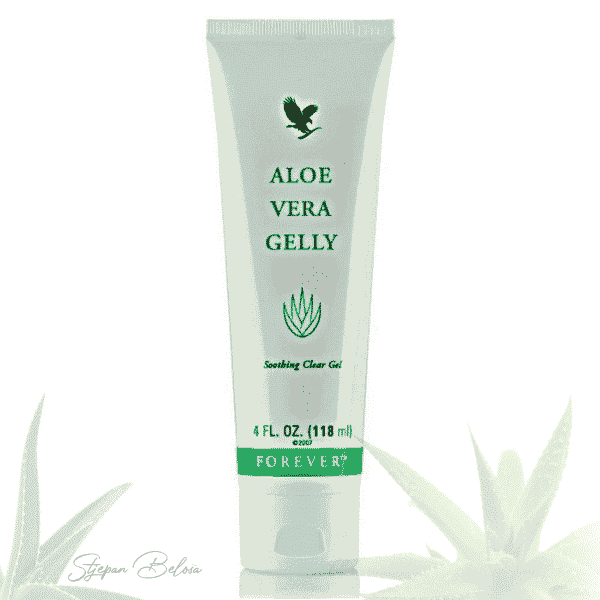 Aloe Vera Gelly
A practical outer-care product when the goal is skin comfort and a simpler care routine.
Closest to a care routine for skin, hair or everyday personal care.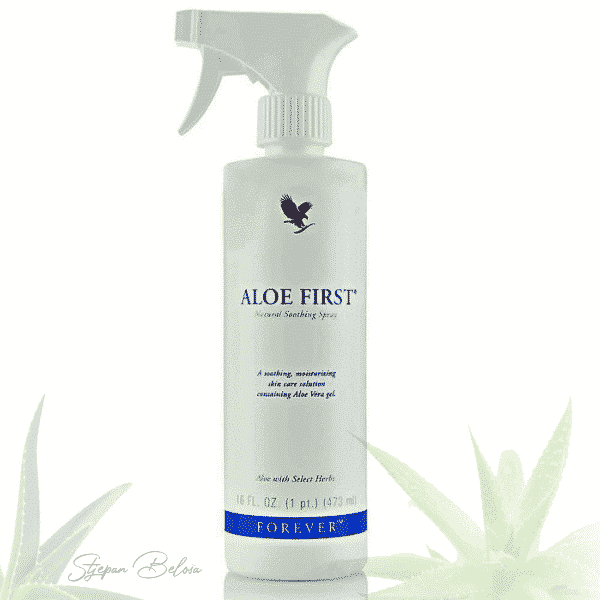 Aloe First – First aid for the skin with Aloe vera and propolis
A practical outer-care product when the goal is skin comfort and a simpler care routine.
Closest to a care routine for skin, hair or everyday personal care.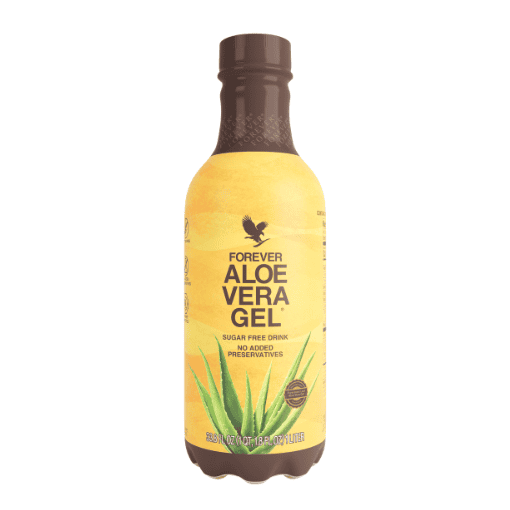 Aloe Vera Gel
A daily aloe drink for people who want simple support for digestion and routine.
It makes sense if you are looking at the topic through digestion and a simpler daily routine.Essentials of aromatherapy: where does aloe vera fit into the story?
Aromatherapy is much more than a pleasant smell in the room. It is the thoughtful application of essential oils through inhalation or skin care to support relaxation, focus, sleep or emotional balance. You might be wondering why include it at all aloe vera into this story? Here's the thing: aloe vera gel is an extremely gentle, moisturizing and skin-friendly base that can calm irritation, facilitate the application of diluted essential oils and contribute to a more pleasant care experience. Sound useful? Read on to find out how, when and why aloe vera makes sense with aromatherapy rituals.What is aromatherapy and how does it work?
Aromatherapy uses concentrated plant extracts, known as essential oils, to promote physical and emotional well-being. The most common methods of application are inhalation (diffuser, inhalation stick-cap, steam) i topical application on the skin with appropriate dilution. According to the guidelines of reputable institutions, aromatherapy is considered a complementary approach that can help with stress, anxiety or for better skin hygiene, but does not replace medical therapy (NCCIH review of aromatherapy). Applying oil to the skin requires eye attention dilution i phototoxicity citrus oils, while inhalation requires a well-ventilated area and dosage according to the person's tolerance. Read more about emotional effects and routine in the article aromatherapy essential oils.Aloe vera in aromatherapy: carrier, soothing and enhancer
Aloe vera (Aloe barbadensis Miller) is not an essential oil. That's it hydrogel rich in polysaccharides like acemannan, which provides moisture to the skin and can help calm redness. Scientific reviews indicate that they are aloe- hydrogels useful in the care of damaged skin and as a base for the delivery of active substances. You might be wondering why? Some research suggests that aloe gel can improve penetration certain molecules through the surface layer of the skin and at the same time soothe the skin, which is practical when using a low-diluted mixture of essential oil in a gel.Important distinction: essential oil ≠ aloe gel
Essential oils are lipophilic and do not mix with water. It's aloe gel water base. This means that you cannot simply"drop"essential oils into a pure gel and expect a stable mixture. It is needed carrier such as a light vegetable oil or a solubilizer to distribute the oil safely in the gel.Safety First: Dilution, Phototoxicity and Special Conditions
- Dilution for the body: 1 to 2 percent in body care for most oils and skin types. For a sensitive face, stick to 0.5 to 1 percent. In practice, it is 3 to 6 drops of essential oil per 30 mL of carrier oil, and then this premix is mixed into the gel.
- Phototoxicity of citrus oils: cold-pressed bergamot, lemon or lime on bare skin and the sun are not a good combination. Recommendations for bergamot are a maximum of about 0.4 percent in products that remain on the skin.
- Children and pregnancy: children have more sensitive skin and respiratory system, and many oils are not suitable under a certain age. Avoid oral use and aggressive oils during pregnancy; use low dilutions and consult a doctor.
- Test a small area of skin: before the first application, apply each mixture to a small part of the inner forearm and wait 24 hours.
How to properly mix essential oils with aloe gel
- Choose an aloe base: for clean, non-greasy care, choose a gel like product Aloe Vera Gelly which leaves a pleasant, moisturizing film.
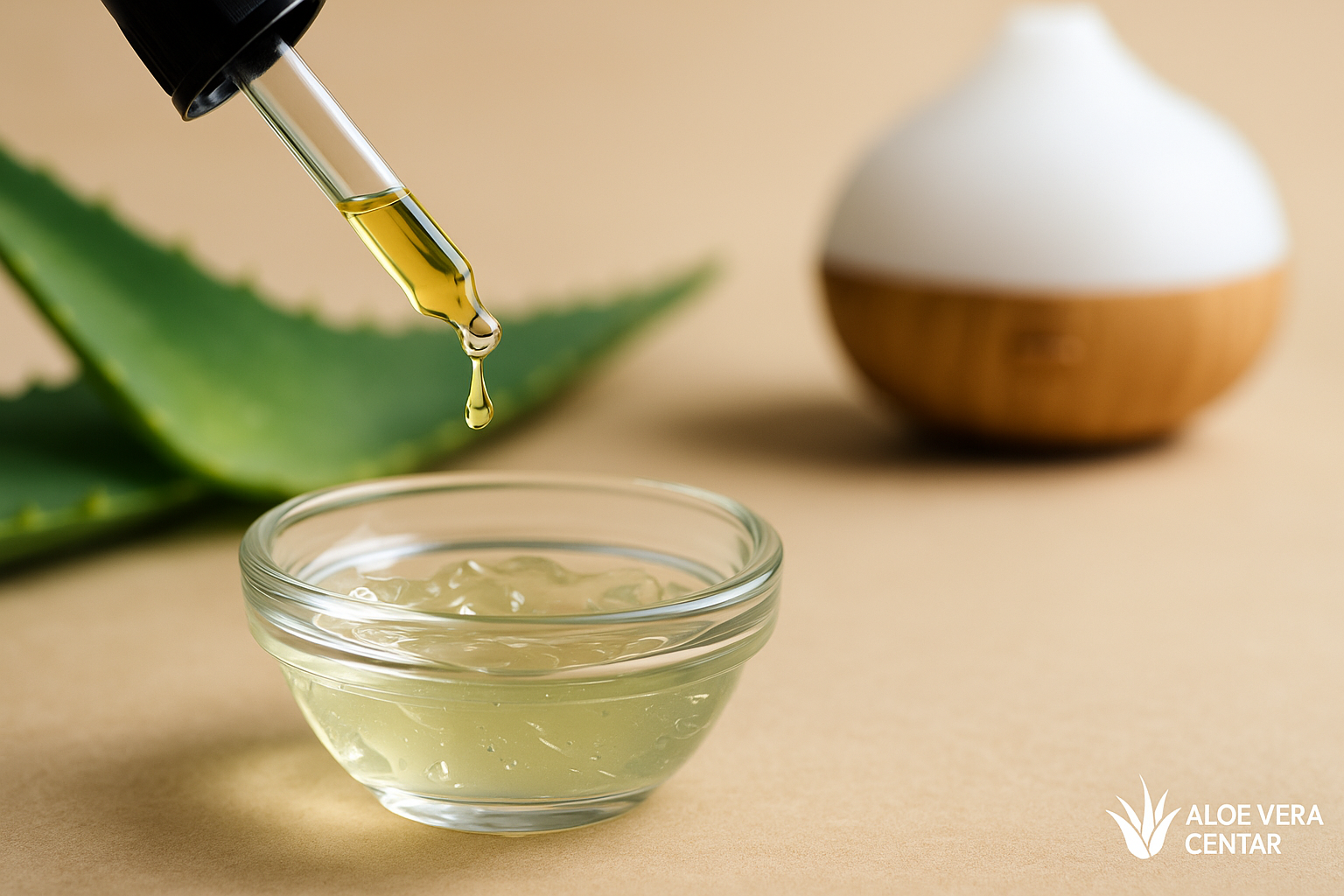
- Make a premix in the carrier oil: to 10 mL of light oil (jojoba, fractionated coconut) add 2 to 4 drops of essential oil for about 1 percent dilution. For the face, 1 drop per 10 mL is often enough. Only then mix that oil premix slowly into 40 to 90 mL of aloe gel.
- Even out the texture: mix with a mini whisk or a clean spatula until you get a smooth gel-cream. If slight separation occurs over time, stir gently before use.
- Test and save: do a test on the skin and store the amount for a week in the refrigerator. Without special emulsifiers and preservatives, home mixes should not be made in large batches.
- When to resort to ready-made formulations: if you want a first aid spray on skin and hair, it is practical Aloe First, and for a toning liquid lotion for mild gauze masks and wet wraps, consider o Aloe Activator. These products are not a substitute for essential oils, but they are excellent, gentle bases in the routine.
5 practical recipes with aloe and essential oils
1) Aftersun gel with lavender for soothing
For whom: sensitive skin after the sun, dryness and feeling of tightness. Why it works: aloe cools and hydrates, and lavender provides a pleasant aroma and supports relaxation. Find the application and additional ideas in the guide aloe vera and lavender.- Add 2 drops of lavender oil to 10 mL of jojoba.
- Mix in 90 mL of aloe gel. Apply thinly after showering.
2) SOS gel for irregularities with tea tree oil
For whom: occasional irregularities, oilier T-zone. How to: 1 drop of tea tree oil in 10 mL of carrier oil, then mix in 30 mL of aloe gel. Apply targeted, 1 to 2 times a day, for 3 to 5 days. Scientific reviews report antimicrobial activity tea tree oils in topical application.3) Mask for scalp prone to dandruff
For whom: dry or oily scalp with occasional flaking. See also our recipe for anti-dandruff mask.- Mix 1 drop of tea tree and 1 drop of rosemary cineole into 10 mL of light oil.
- Add to 40 mL of aloe gel, massage into the scalp for 10 minutes, rinse and wash with a mild shampoo such as Aloe Jojoba Shampoo.
4) Soothing tonic for sensitive skin
For whom: reactive, red-prone skin after cleansing. Lightly soak the gauze Aloe Activator and keep it on your face for 3 to 5 minutes. In the routine, care with preparations without perfume and see the tips in the article skin care after makeup.5) Focus gel before the meeting
For whom: drowsiness, loss of concentration. Add 1 drop of peppermint to 10 mL of carrier oil, mix in 30 mL of aloe gel and apply very thinly to the neck and temples, avoiding the eye area. For a broader story on oils and mood, take a look at aromatherapy essential oils. Note: peppermint is not for small children; follow the guidelines of pediatricians and institutions such as NCCIH.When no uses a combination of aloe and essential oils
- At open wounds and fresh, high-grade burns – seek medical attention. Although studies have shown the benefits of aloe in the treatment of burns, the plan of a home mixture with oils is not for the initial stage.
- Before sun exposure with cold pressed citrus oils.
- At the area around the eyes or mucous membranes.
- The code infants and young children without clear guidance from experts.
What the science says: a brief overview
- Aloe and skin: clinical examinations indicate faster epithelization in some types of skin damage with aloe gel (a systematic review of aloe clinical trials; donor-site healing study).
- Lavender and anxiety: several reviews and RCTs highlight the potential, especially through massage and inhalation, noting the heterogeneity of protocols (Donelli et al.).
- Tea tree and leather: strong in vitro and part of the clinical support for antimicrobial effect in topical care (Kairey et al.).
- Phototoxicity of citrus oils: risk with cold-pressed oils on skin exposed to UV, with recommended maximum concentrations (Tisserand Institute).
- Acemannan and hydration: recent works describe the role of aloe polysaccharides in skin recovery and as a matrix of hydrogels (acemannan – review).
Related reading and useful products
To upgrade your routine and better understand your skin, take a look at the articles Aloe vera for the face, antioxidant properties of aloe you herbal teas. A herbal drink is also great for the evening ritual of relaxation Aloe Blossom Herbal Tea. If you want to introduce internal hydration and mucous membrane care, consider a drink Forever Aloe Vera Gel.Frequently asked questions
Can I drop the essential oil directly into the aloe gel?
It is not recommended. Essential oils are lipophilic and will not disperse safely and evenly in a water base. Always make a premix in a carrier oil first or use a solubilizer, and only then mix it into the gel.How long can the essential oil gel last?
Homemade preparations without additional emulsifiers and preservatives can be made in smaller quantities and consumed within 5 to 7 days, with storage in the refrigerator. A change in smell or texture is a sign that a new batch should be made.Is aloe gel good for oily skin?
Yes, because it is light, non-greasy and quickly absorbed. However, the rule of diluting essential oils and testing tolerance still applies. See the article for ideas Aloe vera for the face.Can I use these mixtures on children?
With caution and in significantly lower dilutions, and only with oils that have been proven to be suitable for a certain age. Always consult a pediatrician and get information from reliable sources such as CHOP guideline.Conclusion
When used judiciously, aloe vera is an excellent ally for aromatherapy: it cools, hydrates and makes the application of diluted essential oils more pleasant. Start with simple recipes, stick to low dilutions, test on a small area and choose quality bases. Ready for your first aftersun gel or tonic? Try the suggestions from this guide and, if you want convenience when buying, make it happen 15% discount on selected products. Note: This article is for educational purposes and is not a substitute for professional medical advice, diagnosis or therapy. For specific conditions and questions, consult a doctor or qualified aromatherapist.Products most closely related to this topic
If you want to compare concrete options after reading, these products are the closest match to the article topic.
Aloe Vera GellyA practical outer-care product when the goal is skin comfort and a simpler care routine.
Closest to a care routine for skin, hair or everyday personal care.Aloe First – First aid for the skin with Aloe vera and propolisA practical outer-care product when the goal is skin comfort and a simpler care routine.
Closest to a care routine for skin, hair or everyday personal care.Aloe Vera GelA daily aloe drink for people who want simple support for digestion and routine.
It makes sense if you are looking at the topic through digestion and a simpler daily routine.Short answers that help
If you are still comparing options, these are the points worth checking before you continue.
What should I take from this article?
Use it to understand the topic in practical terms and compare it with your current routine, needs and next step.
When does it make sense to ask for a recommendation?
Ask when the topic feels relevant, but you are not sure which Forever Living Products product or routine fits you best.
Does this article replace professional advice?
Essentials of Aromatherapy and Aloe Vera: Safe Blends and Recipes is educational content. For medical conditions, medication, pregnancy or persistent symptoms, include qualified professional advice.
Describe what you want to achieve
If you do not know which product to choose, write your goal, habits or doubts and get a more concrete suggestion.
Recommended products
Related articles to keep exploring