The key points from this article
- Aloe vera and UV rays they are often mentioned in the same sentence, especially in the summer when we are looking for natural ways to protect the skin or quickly sooth...
- You may be wondering why so many people praise the gel from the leaves of this plant and whether it can replace the classic SPF.Here's the thing: aloe is an excellent...
- For a personal choice, continue with a recommendation after reading.
Products most closely related to this topic
If you want to compare concrete options after reading, these products are the closest match to the article topic.
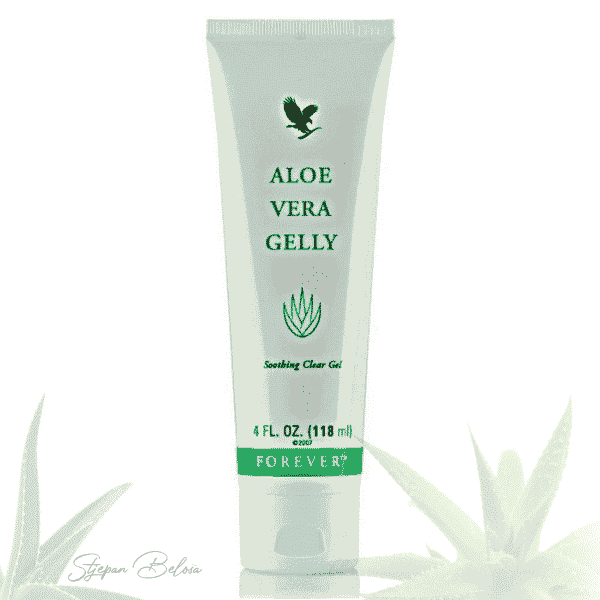 Aloe Vera Gelly
A practical outer-care product when the goal is skin comfort and a simpler care routine.
Closest to a care routine for skin, hair or everyday personal care.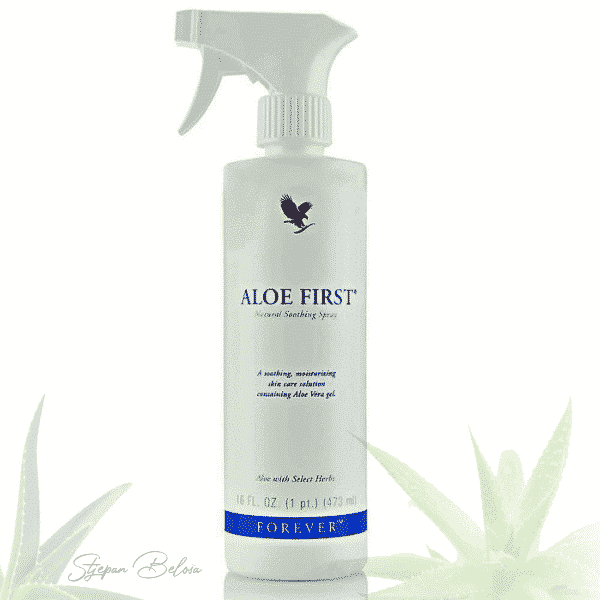 Aloe First – First aid for the skin with Aloe vera and propolis
A practical outer-care product when the goal is skin comfort and a simpler care routine.
Closest to a care routine for skin, hair or everyday personal care.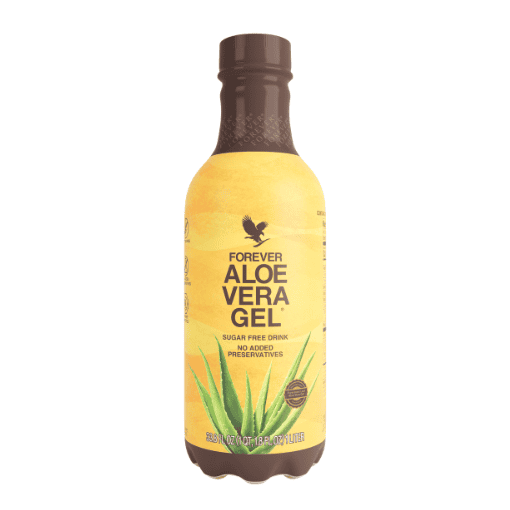 Aloe Vera Gel
A daily aloe drink for people who want simple support for digestion and routine.
It makes sense if you are looking at the topic through digestion and a simpler daily routine.Aloe vera and UV rays: does it help in sun protection or just in skin recovery?
Aloe vera and UV rays they are often mentioned in the same sentence, especially in the summer when we are looking for natural ways to protect the skin or quickly soothe it after the sun. You may be wondering why so many people praise the gel from the leaves of this plant and whether it can replace the classic SPF.Here's the thing: aloe is an excellent ally for soothing, hydration and recovery, but when we talk about protect from the sun during the presentation, the rules are different though. Below we provide a clear explanation of how UV radiation affects the skin, what aloe can (and cannot) realistically do, which products make sense to combine, and how to build a routine that protects you and gives your skin a chance to shine.
UV radiation in brief: UVA, UVB and what they do to the skin
To begin with, it is crucial to understand the difference between UVA and UVB rays.UVA they penetrate deeper and are associated with photoaging, hyperpigmentation and loss of elasticity.UVB are the primary culprit for burns and visible redness. Dermatological societies emphasize that it is necessary wide range of protection to cover both types of radiation and thereby reduce the risk of skin damage and skin cancer.
Important number to remember: SPF 30 blocks about 97% of UVB rays, provided you apply a sufficient amount and reapply properly during the day.
Aloe vera under the microscope: composition and mechanisms
Aloe barbadensis Miller contains acemannan (polysaccharide), vitamins C and E, phytopolyphenols, trace minerals and a number of soothing substances that help hydration and a cooling sensation. That's why the gel is so popular after sunbathing. A review of papers states that aloe can stimulate the formation of protective antioxidant proteins in the skin and help modulate inflammation, which indirectly supports tissue recovery after UV exposure. You can see a brief overview of the literature in the article"Aloe Vera: A Short Review".
Sound too good to be true? Continue reading. The key is to differentiate prevention damage and recovery after the damage has already occurred.
Does Aloe vera protect from the sun while in the sun?
Short answer:not enough. Although some in vitro works point to certain photoprotective effects of aloe extracts on cellular level, clinical evidence does not support aloe as a primary SPF. For example, a clinical trial showed that cream with aloe it has no sun protection effect nor treatment of burns compared to placebo, nor does it lighten the skin after sun exposure (Puvabanditsin et al.).
In other words,aloe is not a substitute for cream with SPF. At best, aloe can be great"supporting act” in formulations that already contain mineral or chemical UV filters. If you like light textures and comfort on the skin, it makes sense to choose sunscreens with the addition of aloe, but you still rely on UV filters for protection.
Aloe vera for after-sun recovery: what the science says
This is where the aloe shines. It can be used for mild burns and redness relieve pain, reduce redness and give a cooling sensation. Popular mainstream articles and recent reviews report that aloe products can help in the recovery phase, noting that the evidence is heterogeneous and dependent on formulation.
If you are looking for targeted, clear care with a high proportion of stabilized gel, it is a practical choiceAloe Vera Gelly for local soothing after the sun. For larger surfaces or when you need to quickly apply a light layer, a spray with plant extracts and propolis such asAloe First, which for many is the"first aid"in the home pharmacy.
Want to learn more about healing processes? Find comparative insights and practical protocols in our guide onhealing of superficial wounds, and about antioxidant componentshere.
How to put together a safe sun protection routine
Sun protection is layered strategy which combines behavior, clothing, eyeshadow and SPF.You might be wondering why? Because no element is perfect on its own.
- Right time: avoid direct sun between 10 a.m. and 4 p.m. when the UV index is at its strongest.
- Clothing and accessories: wide-brimmed hat, glasses with UV filter, light long clothes. There are also fabrics with UV protection.
- SPF rule: choose wide spectrum, SPF 30+ and formula s water resistance when you are active or swimming. AAD and FDA guidelines confirm the importance of proper and regular application.
- Quantity: approximately 30 ml for the whole body of an adult i renewing every 2 hours, and more often after swimming or sweating. For details and tips, see to the WebMD guide.
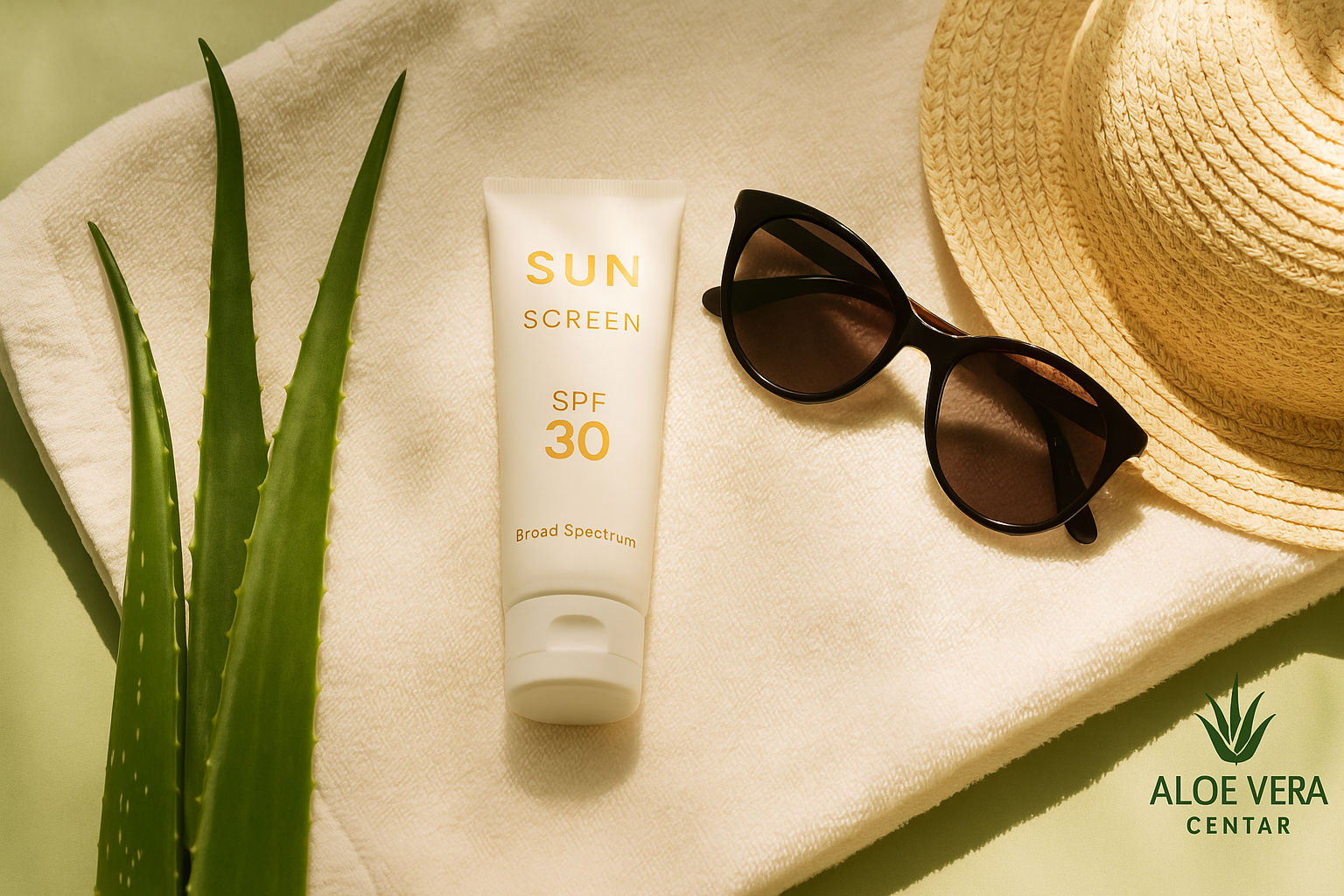
Looking for a skin-friendly SPF enriched with aloe? Consider creamAloe Sunscreen with SPF 30 and UVA/UVB protection. Aloe relieves dryness, while UV filters do the hard work of protection. If you're not sure about oils and SPF, be sure to read our guide onsuntan oil.
Before, during and after the sun: a mini plan for skin 30-55
Before the presentation
- Cleansing and a thin moisturizing layer: a light gel or fluid that will not interfere with SPF.
- SPF 30+: apply 15 minutes before going out and wait for it to be absorbed.
- For the face: the amount of two pinch"lines"on two fingers proved to be a practical visual trick.
During the presentation
- Renew your SPF every 2 hours and after swimming or sweating.
- Shadow whenever possible. Short"wellness breaks"in the shade make a big difference.
After the sun
- Cooling and soothing: shower with lukewarm water, then a thin layer Aloe Vera Gelly to sensitive areas. Spray as needed Aloe First on larger surfaces for quick calming.
- Hydration from the inside: regular fluid intake and balanced diet. If a routine that supports skin and digestive comfort is important to you, consider it Forever Aloe Vera Gel as part of daily habits.
- Restoration of the barrier: in the evening, a layer of richer lipids. If your barrier often"breaks", take a look at the advice from the article on skin care after removing make-up.
Myths and truths about aloe and the sun
- "Aloe replaces SPF." No. The evidence suggests that does not provide sufficient UV protection as an independent product.
- "Natural oils have a high SPF." No. The typical SPF of natural oils is low; use them for care, not as sole protection. See also our text about tanning oils.
- "If it's cloudy, you don't need SPF." UVA passes through clouds and glass.
- "One application is enough." It's not. Renew every 2 hours and after swimming or sweating.
Why combining aloe and SPF makes sense
If you like simplicity, keep looking SPF with added aloe. Such a formulation is often more comfortable on dry skin, and you still get real UV protection from the filter. In the daily routine, aloe as a humectant supports the barrier and comfort, while the SPF does the prevention. For a deeper understanding of how aloe also helps against photoaging, take a look at our articlealoe vera and skin aging.
But that's not all... If you need a quick, personalized recommendation of products and steps for your skin, you can at any timeuse our AI advisor and get a customized plan.
Frequently asked questions
Can aloe vera prevent sunburn if I apply it before the sun?
Not as primary care. While some laboratory work points to cellular mechanisms of photoprotection, clinical evidence does not support aloe as standalone SPF. For prevention, use the cream with broad spectrum and SPF 30+, and leave the aloe for recovery after sun.
How much and how often to apply SPF?
For the whole body of an adult, approximately 30 ml (approximately one"cup").Renew every 2 hours and after swimming or sweating.
Is aloe vera safe for children and pregnant women?
Topical application of clear gels is usually well tolerated, but avoid formulations with fragrances and irritants. Consult your doctor for oral use and specific situations during pregnancy. With children, the emphasis should be on clothing, shade and appropriateness SPF.
When do I need medical attention for burns?
If they are present bubbles,severe pain,signs of infection, it is affected larger area or feel generally unwell, seek medical advice. In the meantime, cool the skin with lukewarm water and use soothing products without alcohol. The Mayo Clinic offers practical guidelines for home care in the early stages.
Examples of smart product combinations
- Protection: Aloe Sunscreen (SPF 30, broad spectrum) as daily protection.
- Quick help: Aloe First for instant soothing after sun or friction.
- Targeted pacification: Aloe Vera Gelly on reddened or sensitive areas.
- Barrier support and antioxidant"shield": read the guide about antioxidant properties of aloe to smartly put together the rest of the routine.
Conclusion: what to take with you to the sun
Note: This content is for educational purposes and is not a substitute for professional medical advice. If you have more pronounced skin disorders or chronic complaints, consult a doctor or a qualified specialist.k
Products most closely related to this topic
If you want to compare concrete options after reading, these products are the closest match to the article topic.
Aloe Vera GellyA practical outer-care product when the goal is skin comfort and a simpler care routine.
Closest to a care routine for skin, hair or everyday personal care.Aloe First – First aid for the skin with Aloe vera and propolisA practical outer-care product when the goal is skin comfort and a simpler care routine.
Closest to a care routine for skin, hair or everyday personal care.Aloe Vera GelA daily aloe drink for people who want simple support for digestion and routine.
It makes sense if you are looking at the topic through digestion and a simpler daily routine.Short answers that help
If you are still comparing options, these are the points worth checking before you continue.
What should I take from this article?
Use it to understand the topic in practical terms and compare it with your current routine, needs and next step.
When does it make sense to ask for a recommendation?
Ask when the topic feels relevant, but you are not sure which Forever Living Products product or routine fits you best.
Does this article replace professional advice?
Aloe vera and UV rays: protection or just skin recovery? is educational content. For medical conditions, medication, pregnancy or persistent symptoms, include qualified professional advice.
Describe what you want to achieve
If you do not know which product to choose, write your goal, habits or doubts and get a more concrete suggestion.
Recommended products
Related articles to keep exploring