The key points from this article
- Vitamin C serums have become an indispensable part of the routine for radiant and resilient skin.
- Perhaps you too bought a serum that was clear and effective at first, but after a few weeks it turned yellow and had a strange smell.
- For a personal choice, continue with a recommendation after reading.
Products most closely related to this topic
If you want to compare concrete options after reading, these products are the closest match to the article topic.
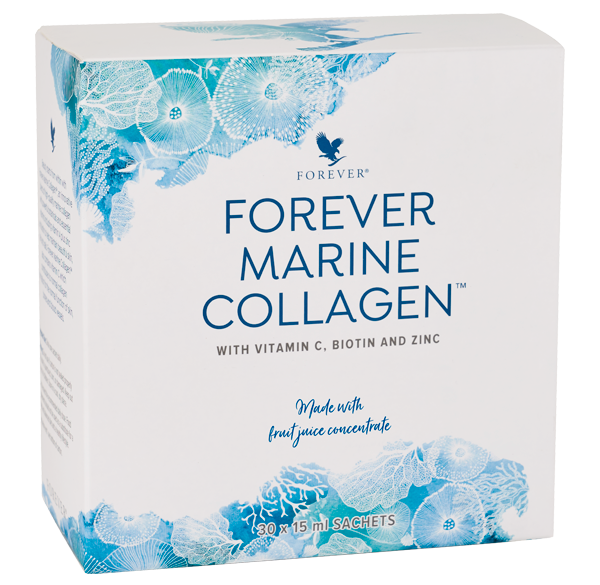 Forever Marine Collagen
A good fit when the goal is a routine for skin, hair, nails or joint-support habits.
Closest to a care routine for skin, hair or everyday personal care.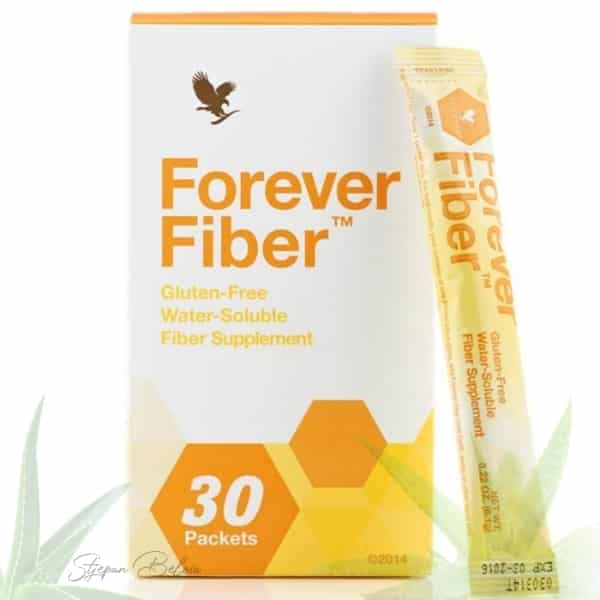 Forever Fiber - FIBER
A simple fiber add-on when you want digestion and satiety support during the day.
It fits topics such as appetite, portions, energy or a weight-management routine.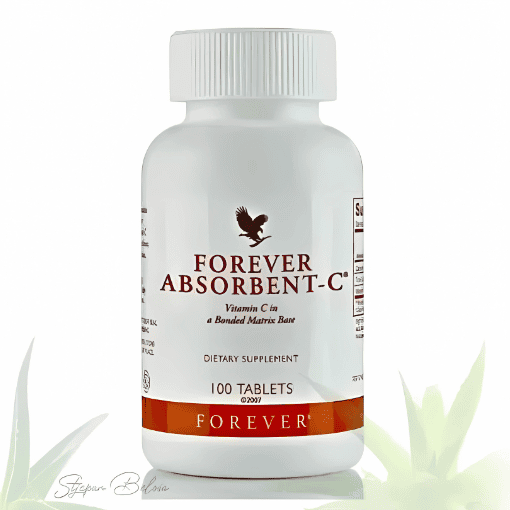 Absorbent C
Daily vitamin support when you want a steadier immunity, energy or nutrition routine.
Connected with daily support for immunity, energy or baseline nutrition.Vitamin C serums: oxidation and stability in practice
Vitamin C serums have become an indispensable part of the routine for radiant and resilient skin.
Perhaps you too bought a serum that was clear and effective at first, but after a few weeks it turned yellow and had a strange smell.
Then the dilemma begins: does it still work or is it time to throw it away.
In this practical guide, we will clarify how vitamin C works on the skin, why serums oxidize, how to recognize that a product is unstable, and how to choose formulations that remain safe and effective for longer.
In the end, you will know exactly what to look for when buying and using serums, along with specific tips for your daily routine.
Why vitamin C serums are so popular
Vitamin C is a powerful antioxidant that neutralizes free radicals and helps the skin defend itself against external damage.
With regular use, it can lighten an uneven complexion, affect fine lines and support collagen synthesis in the skin.
Dermatologists often recommend it to people in their thirties and later, when the skin's natural protection gradually weakens.
According to expert reviews, well-formulated vitamin C serums help with signs of photoaging, hyperpigmentation and gray skin tone.
Oxidation of vitamin C: why the serum turns yellow
The most common form in cosmetics is ascorbic acid, a very active but also very unstable form of vitamin C.
When ascorbic acid comes into contact with light, oxygen, higher temperature or metal ions, it begins to turn into its oxidized forms.
In the first phase, dehydroascorbic acid is formed, and then it breaks down into compounds that no longer have an antioxidant effect on the skin.
That's why serums change color and effectiveness over time, especially if they are in a transparent bottle or are often opened.
Scientific research shows that temperature, light exposure, pH and base composition are key factors in the stability of ascorbic acid in topical formulations.
Even when the serum is formulated correctly, improper storage at home can significantly accelerate oxidation.
Forms of vitamin C in sera and their stability
On serum labels, you will not only see ascorbic acid, but also numerous vitamin C derivatives.
They have been developed to be more stable, less irritating and easier to formulate.
Pure vitamin C: ascorbic acid
Ascorbic acid is the gold standard because it has the most research and clear results on the skin.
It works best in concentrations of around 10 to 20 percent, with an acidic pH of approximately 3 to 3.5.
The problem is that it oxidizes very quickly in aqueous bases, especially if the packaging is not sufficiently protected.
Vitamin C derivatives: more stable but milder
Derivatives such as sodium ascorbyl phosphate, magnesium ascorbyl phosphate, ascorbyl glucoside or tetrahydrodecyl ascorbate are more stable and less sensitive to light and oxygen.
They gradually turn into active vitamin C on the skin and can be a better choice for sensitive skin.
They often work more slowly, but in the long term they can give a more uniform tone and a milder effect on hyperpigmentation.
Reviews of the formulations show that these derivatives retain their antioxidant activity longer precisely because of their better chemical stability.
How to recognize that vitamin C serum has oxidized
The first sign is a change in the color of the serum.
Fresh serums with ascorbic acid are usually transparent or very light yellowish.
If the product turns dark yellow, orange or even brownish, this is a clear signal that it has oxidized to a large extent.
Another sign is a change in smell.
Oxidized vitamin C often acquires a metallic, sour or rancid odor that was not present before.
Finally, you may also notice a change in skin texture, stickiness or more irritation than usual.
When the color change is pronounced and the serum has been opened for a long time, it is generally safer to stop using it and open a new package.
What to look for when buying stable vitamin C serum
Stability depends not only on the form of vitamin C, but also on the entire formulation and packaging.
Packaging and packaging
Choose serums in dark glass bottles or completely opaque packaging with a pump.
Airless bottles additionally reduce contact with oxygen and extend the durability of the formula.
Avoid products in transparent bottles that are exposed to strong light or heat.
Concentration and pH
If you have normal or more resistant skin, concentrations around 15 percent are often a good balance between performance and tolerability.
For more sensitive skin, start with lower percentages or vitamin C derivatives and gradually build tolerance.
The optimal pH for pure vitamin C is more acidic, but for derivatives it can be closer to neutral, which is more comfortable for reactive skin.
Additional antioxidants and auxiliary substances
Vitamin C is often combined with vitamin E, ferulic acid, niacinamide or hyaluronic acid.
These combinations can enhance the antioxidant effect and additionally support the barrier function of the skin.
You will see an example of safe combining in the articleNiacinamide and vitamin C where it is explained in detail how to use several active ingredients in one routine.
How to properly use vitamin C serum in your daily routine
You can use vitamin C in the morning, in the evening or in both routines, depending on the skin and the rest of the care.
However, many experts prefer morning application because vitamin C helps the skin defend against oxidative stress during the day.
The basic rule of layers is simple.
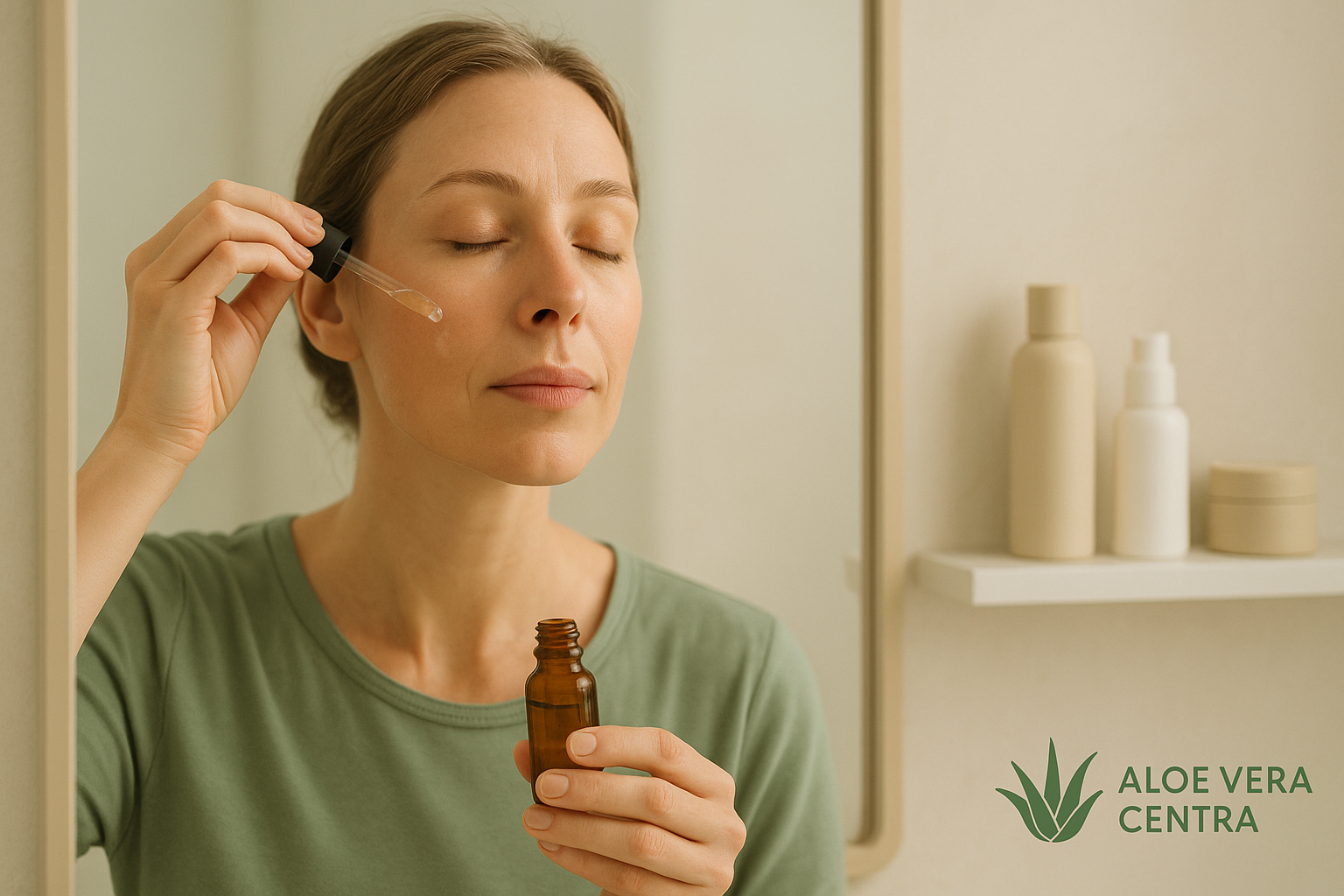
After cleansing and toning, apply a few drops of serum, wait for it to be absorbed, and then continue with moisturizer and cream with a protective factor.
Avoid layering with strong acids, retinoids and benzoyl peroxide in the same routine, especially if you're a beginner.
You can distribute these ingredients by day or use them in the evening routine, while vitamin C remains in the morning.
For additional inspiration on a smart anti-aging routine, see the articleanti-aging approach which shows how to combine care throughout the day.
How to slow down the oxidation of vitamin C serum at home
Good formulation is the foundation, but how you store the serum greatly affects its durability.
Four practical steps
The first step is to store the serum in a cool and dark place, away from direct heat sources.
The second step is to close the bottle tightly after each use and avoid keeping it without the cap.
The third step is to not touch the opening of the bottle with your fingers, but to let the serum drip or pump directly into the palm of your hand.
The fourth step is to periodically visually check the color and smell in order to notice changes in time.
Refrigeration is optional, but can slow oxidation, especially during warm months, if the manufacturer allows it.
Vitamin C, aloe vera and antioxidant skin protection
Vitamin C is one of the most famous antioxidants, but it is not the only ally of your skin.
Aloe vera extract naturally contains vitamins, enzymes and polyphenols that additionally support the skin barrier and hydration.
You can read more about the synergy of aloe and antioxidants in the articleantioxidant properties of aloe where it is explained how this plant protects cells from oxidative stress.
For a visible effect on the tone, texture and elasticity of the skin, combinations of several targeted products often give the best results.
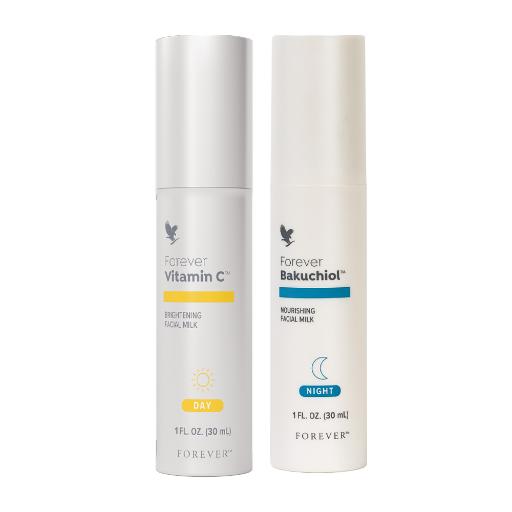
One option is to use a setforever vitamin C and bakuchiol which combines the antioxidant action of vitamin C and the gentle retinoid effect of plant ingredients.
In addition to topical serums, it is useful to think about the intake of vitamin C from the inside, through diet and supplements when necessary.
An example of such a supplement is a tabletForever Absorbent C which contains vitamin C bound to fibers for a more gradual release.
For targeted external skin care, oil concentrate is also suitable for many peopleForever Alpha E Factor which combines vitamin E, aloe vera and vegetable oils and is easily combined with the serum with vitamin C.
If you want to additionally support collagen, elasticity and skin texture, you may also find this article interestingaloe vera and skin aging which talks about the role of collagen and elastin in mature skin.
How to choose a specific serum for yourself
The best serum is not necessarily the one with the highest percentage of vitamin C, but the one that fits your skin, routine and lifestyle.
If you are a beginner, start with a lower concentration or a more stable derivative and monitor the skin's reaction over several weeks.
People with oily and acne-prone skin often like light, watery textures that are quickly absorbed and do not clog pores.
Dry and sensitive skin often responds better to serums in cream or oil bases with the addition of soothing ingredients.
If you are not sure where to start, you can use oursAI of care selection advisors which suggests combinations of products based on your habits and needs.
When you find products that work for you, it's easier to maintain consistency and results over months and years.
Vitamin C serums, UV protection and evening skin renewal
Vitamin C cannot replace a cream with a protective factor, but together they make a strong team.
In the morning, vitamin C helps neutralize free radicals, and SPF cream protects against UV radiation that creates them.
In the evening, you can shift the focus to renewal, hydration and gentle renewal of the skin barrier.
Examples of such routines can be found in the textskin care after removing make-up where the emphasis is on renewal after days of full make-up and external influences.
If you want to combine several treatments, it's always a good idea to introduce them one at a time, a few weeks apart, so you know exactly what suits your skin.
Frequently asked questions about vitamin C serums
How often should I use vitamin C serum?
Daily application once a day, usually in the morning, suits most people.
If you have sensitive skin, start with two to three times a week and gradually increase the frequency.
Can I use vitamin C with acids and retinoids?
You may or may not apply everything at the same time.
It is often easier to use vitamin C in the morning, and acids or retinoids in the evening routine.
What if the serum turns slightly yellow, but not very dark
Slight discoloration may occur over time, especially with pure vitamin C.
If the color is still light, the product may have some of its effectiveness, but it is advisable to check it more often.
Is vitamin C safe for sensitive skin?
It can be, but with careful selection of concentration and form.
Sensitive skin often better tolerates vitamin C derivatives and lower percentages in combination with soothing ingredients.
Conclusion: how to get the most out of vitamin C serum
Vitamin C serums can significantly improve the tone, texture and glow of the skin, but only if they are properly formulated, well stored and cleverly integrated into the routine.
The key is to understand oxidation, distinguish between the forms of vitamin C and recognize the signs that the serum has lost its potency.
Choose proven formulations, pay attention to the packaging, monitor the color and smell, and give the skin enough time to show changes.
With good topical care, quality nutrition and enough sleep, vitamin C becomes a strong ally in long-term care for healthy and resilient skin.
For more inspiration on how modern technology and artificial intelligence are used to build a global online business, read the articleHow this couple is building a global business with AI and working 95% online which shows how smart tools are changing the way we work and live.
Note: This text is for informational purposes only and does not replace the advice of a doctor, dermatologist or other health professional.
If you have chronic skin conditions, are taking therapy or are not sure which product is safe for you, be sure to consult your doctor or specialist before introducing new preparations.
Products most closely related to this topic
If you want to compare concrete options after reading, these products are the closest match to the article topic.
Forever Marine CollagenA good fit when the goal is a routine for skin, hair, nails or joint-support habits.
Closest to a care routine for skin, hair or everyday personal care.Forever Fiber - FIBERA simple fiber add-on when you want digestion and satiety support during the day.
It fits topics such as appetite, portions, energy or a weight-management routine.Absorbent CDaily vitamin support when you want a steadier immunity, energy or nutrition routine.
Connected with daily support for immunity, energy or baseline nutrition.Short answers that help
If you are still comparing options, these are the points worth checking before you continue.
What should I take from this article?
Use it to understand the topic in practical terms and compare it with your current routine, needs and next step.
When does it make sense to ask for a recommendation?
Ask when the topic feels relevant, but you are not sure which Forever Living Products product or routine fits you best.
Does this article replace professional advice?
Vitamin C serums: a guide to oxidation, stability and safe use is educational content. For medical conditions, medication, pregnancy or persistent symptoms, include qualified professional advice.
Describe what you want to achieve
If you do not know which product to choose, write your goal, habits or doubts and get a more concrete suggestion.
Recommended products
Related articles to keep exploring