The key points from this article
- Superficial wound healing: comparison of aloe and honey poultices Healing scratches, minor cuts and minor burns often come down to what you have on hand.
- Svakodnevni aloe napitak za korisnike koji žele jednostavnu podršku probavi i rutini.
- For a personal choice, continue with a recommendation after reading.
Products most closely related to this topic
If you want to compare concrete options after reading, these products are the closest match to the article topic.
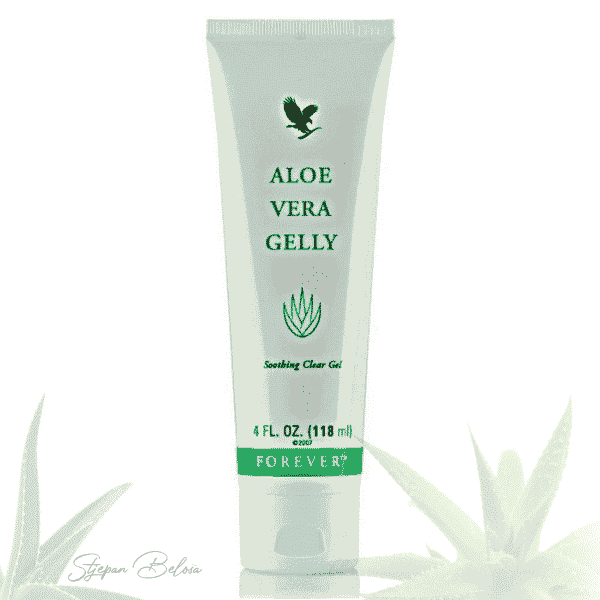 Aloe Vera Gelly
A practical outer-care product when the goal is skin comfort and a simpler care routine.
Closest to a care routine for skin, hair or everyday personal care.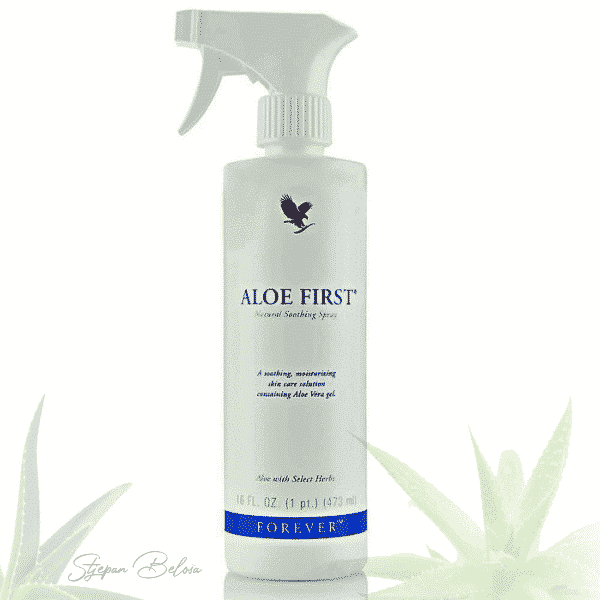 Aloe First – First aid for the skin with Aloe vera and propolis
A practical outer-care product when the goal is skin comfort and a simpler care routine.
Closest to a care routine for skin, hair or everyday personal care.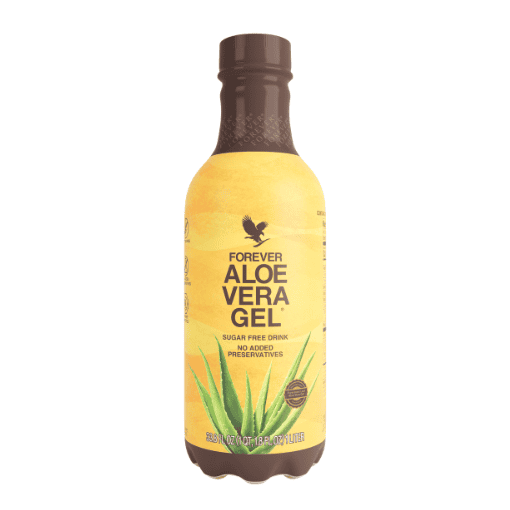 Aloe Vera Gel
A daily aloe drink for people who want simple support for digestion and routine.
It makes sense if you are looking at the topic through digestion and a simpler daily routine.Superficial wound healing: comparison of aloe and honey poultices
Healing scratches, minor cuts and minor burns often come down to what you have on hand. If you've ever wondered between aloe vera gel and honey packs, you're not alone. Which option calms the burning faster, reduces the risk of infection and leaves less scarring? Here's the thing: both methods can be effective, but they shine in different situations. Below you will find out when to choose aloe, when to choose honey, how to apply them correctly and what science says. Sound too good to be true? Continue reading.What is actually a superficial wound
Superficial wounds are injuries that affect the upper layers of the skin. These are the most common scratches, shallow cuts i first degree burns or less second-degree burns without widespread blistering. Symptoms include redness, mild pain, burning, and occasional light bleeding. A short guide before any treatment:- Stop the bleeding with gentle pressure with clean gauze for 2 to 5 minutes.
- Rinse with cold running water several minutes to remove dirt and reduce the heat of the burn.
- Clean gently edges of the wound with mild soap and water. Mild can be used for the skin around the wound Aloe Liquid Soap. Do not rub aggressively.
- Pat dry and only then choose the treatment.
Aloe vera: when and why it works
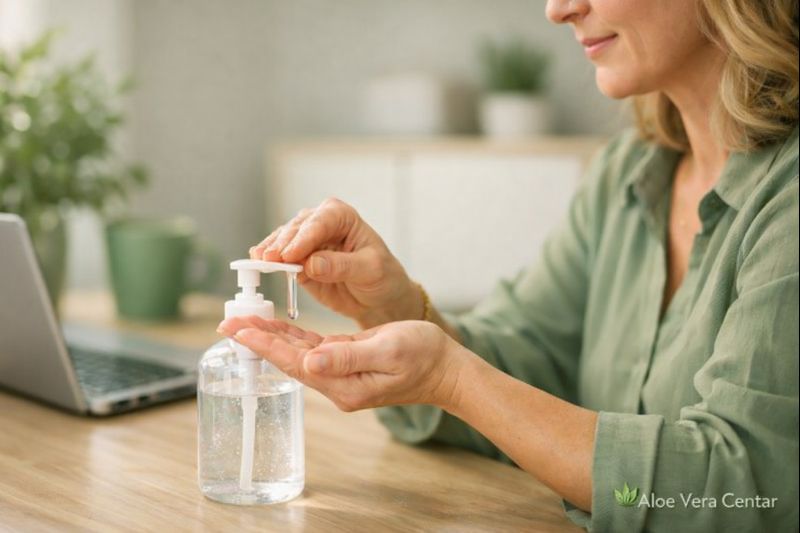
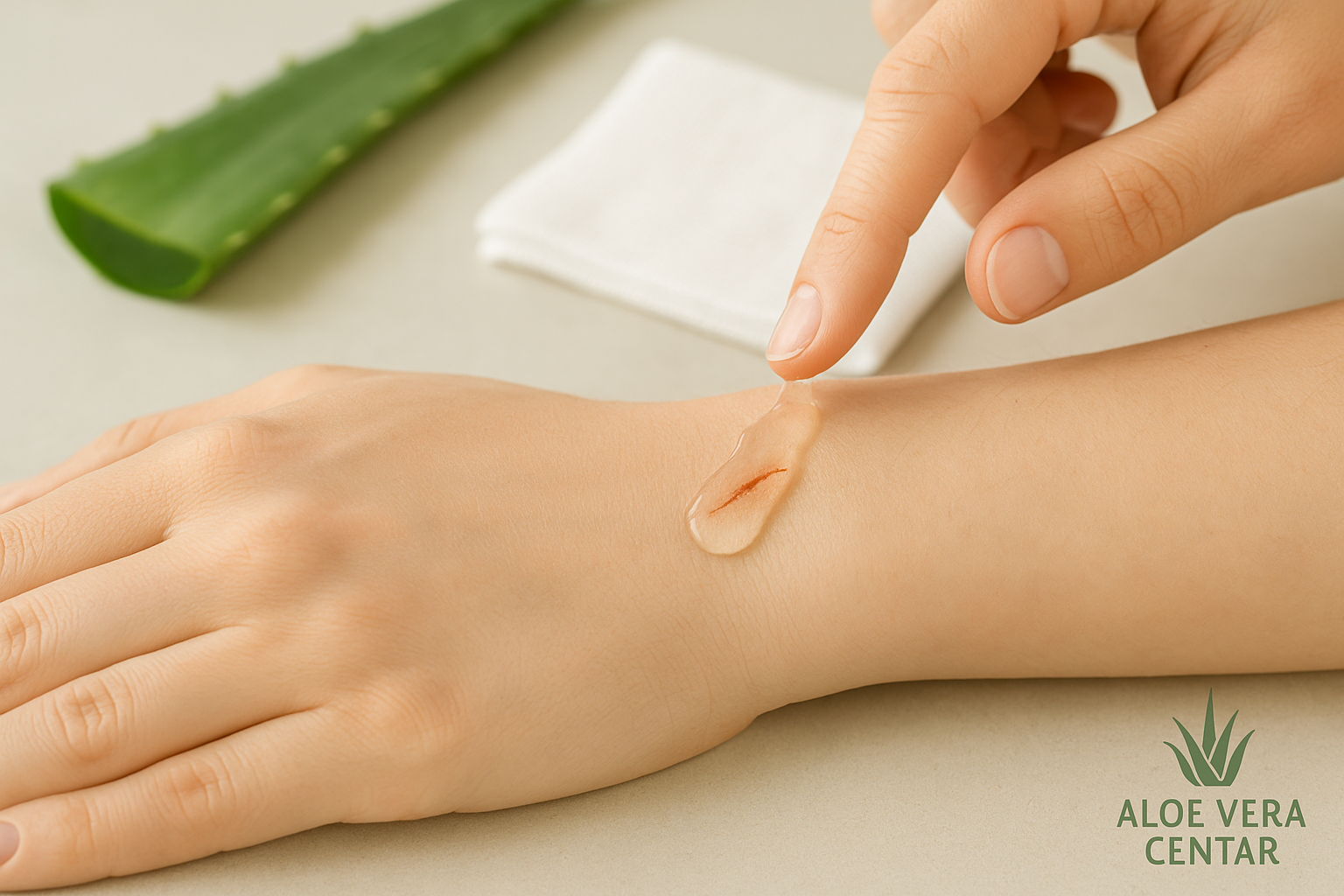
Aloe vera is known for soothing, moisturizing and anti-inflammatory action. The gel from the leaf creates a moist microclimate, helps re-epithelialization and eases the feeling of tightening. Its polysaccharides, especially acemannan, support natural skin renewal processes, while phytochemicals and polyphenols contribute to antioxidant protection. What does the literature say? Several systematic reviews and meta-analyses indicate that aloe vera can speed up healing mild to moderate burns and reduce pain and redness in the early stages of recovery. See overview of clinical trials and summaries of findings in open sources like of this review of clinical studies on Aloe vera, as well as recent works that confirm faster healing in second-degree burns meta-analysis 2022 and a systematic review in 2024. This review of supportive home measures with an emphasis on clear gel is also valid for practical guidelines for home burns Healthline guide. How to apply it? After washing your hands and cleaning the wound, apply thin layer aloe gel and let it absorb. For larger surfaces, a sterile gel with a clear composition and minimal additives is practical. If you like a good quality, clean topical gel, consider it Aloe Vera Gelly which is designed specifically for the care of sensitive skin. For first aid on the road and for mild burns from the sun or friction, a soothing spray with propolis and plant extracts such as Aloe First. Do you want to increase calming and scent pleasure? Get inspired by combinations with essential oils that are suitable for irritated skin, such as aloe vera and lavender. But that's not all. The antioxidant support of the skin is further explained in the article about antioxidant properties of aloe.When aloe is not the first choice
If present copious secretion, clinging impurities or suspected deeper damage, aloe alone may not be enough. In these cases honey coating can provide an advantage. You might be wondering why? Let's continue.Superficial wound healing and honey dressings: when they are the best choice
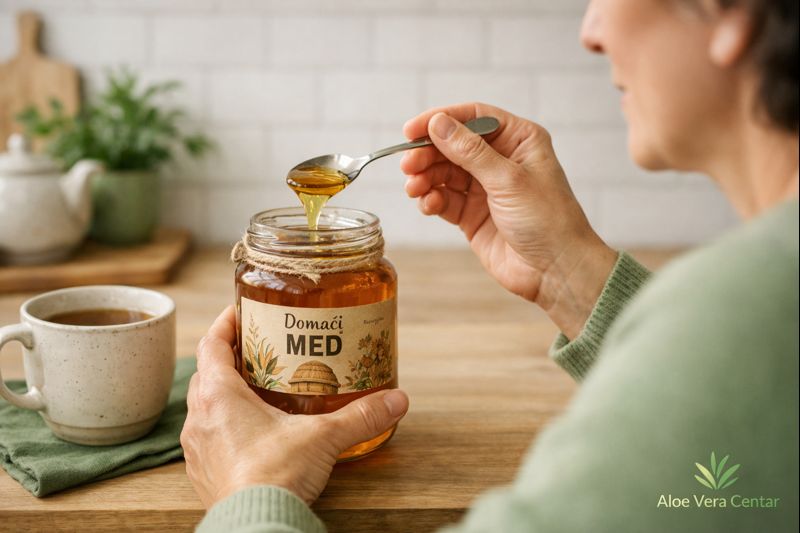
Honey is a natural biomaterial low pH, strong osmotic effect and enzyme glucose oxidase which releases small amounts of hydrogen peroxide. The result is an environment less suitable for the growth of bacteria, with simultaneous humidity that helps tissue regeneration. But the key is quality: exclusively recommended for wounds medicinal, sterilized honey (often manuka-based), not household or table honey. This is detailed in an updated review on honey in wound healing PMC review and summaries for general audiences Healthline. What does the level of evidence say? According to the Cochrane summary, honey can shorten the healing time of superficial and partial burns compared to some conventional dressings Cochrane summary, and a review of papers by the same author on PubMed indicates the potential in accelerating epithelialization July 2015.How to properly apply honey wrap
- Apply after cleaning the wound a thin layer of medical honey with a sterile spatula or gauze.
- Put on top sterile, non-sticky gauze and secure with a bandage.
- Change the cover once a day or when visibly wet.
Aloe or honey: a quick comparison
Don't want to guess? See the practical table.| Criterion | Aloe vera gel | Honey poultice (medicinal honey) |
|---|---|---|
| The first feeling | Instant cooling and soothing of the burning sensation | Mild warming, rapid reduction of discomfort after stabilization |
| Moist wound environment | Yes, without maceration if the layer is thin | Yes, with controlled moisture release |
| Antimicrobial effect | Moderate indirect effect | Pronounced, wide spectrum of medical honey |
| Epithelization rate | Often faster with mild burns | Proven faster for partial burns compared to some dressings |
| Practicality | Very practical for home and travel | It requires sterile honey and proper coating |
| Risk of irritation | Low, avoid latex from leaf in sensitive | Possible with allergy to bee products |
| Best for | Scratches, sunburn, light friction injuries | Shallow burns and wounds with increased biological load |
Can aloe and honey be combined?
Short answer: it can, in moderation. Clean and dry the area first. Then apply a very thin layer of aloe gel to calm the skin. Wait a few minutes for it to absorb. If you need a more pronounced antimicrobial effect, place over that medicinal honey in a thin layer and then a sterile dressing. Do not seal too tightly and avoid removing the newly forming crust too often. Sounds simple? It is, but be consistent and observe the reaction of the skin.A practical protocol for home use
- Washing hands and preparing materials before touching the wound.
- Rinse off the wound with cold water for several minutes.
- Clean gently the surrounding skin with mild soap, for example Aloe Liquid Soap, and pat dry.
- Selection of treatment:
- For sunburns and scratches put a layer of aloe gel. Consider sterile formulations such as Aloe Vera Gelly.
- For shallow burns with a higher risk of bacterial colonization use it medical med and appropriate lining.
- Cover up with non-stick gauze and secure.
- Changing the lining once a day or more often if it gets wet or dirty.
Common mistakes that slow down healing
- Too many layers gel or honey. A thin application is more effective and more comfortable for the skin.
- Adding alcohol or irritants. Avoid perfumes and colors in the early stages.
- Too frequent removal of scabs. This prolongs healing and increases the risk of scarring.
- The use of cooking honey instead of medical. Choose sterilized honey intended for wounds.
- Failure to monitor for signs of infection: increased pain, heat, purulent discharge, unpleasant smell, red streak upwards.
What the science says: a summary of the evidence
Do you like specific numbers? And we. The Cochrane summary states that they are honey wraps in case of partial burns, they could shorten the healing time by about 4 to 5 days compared to some standard dressings, noting that the quality of evidence varies depending on the comparison and study design. The code aloe vera more recent work indicates statistically significant faster healing of burns of the second degree and reduction of pain compared to some comparative treatments.When to seek medical help
- A deep wound, profuse bleeding, or a wound that does not stop bleeding after 10 minutes of pressure.
- Large burns, blisters that burst, or burns on the face, genitals, wrists, and hands.
- Signs of infection: increased pain, redness, swelling, purulent discharge, unpleasant odor, temperature.
- Wounds in people with diabetes, poor circulation or weakened immunity.
Superficial wound healing - frequently asked questions
Can I put honey on a fresh cut?
Yes, but exclusively medically sterilized honey and after proper cleaning. Homemade honey is not for wounds. If you are allergic to bee products, avoid honey.Can I combine aloe and honey in the same treatment?
You can, start with a thin layer of soothing aloe, then add medicated honey and a poultice if needed. Observe the skin and adjust the frequency of dressing changes.How often should I change the liner?
As a rule once a day or as soon as the lining gets wet or dirty. For aloe gel that remains open, repeat the application 2 to 3 times a day thinly, without covering if the wound does not require occlusion.How to reduce the risk of scarring?
Don't remove the scab, maintain it moist but airy environment, avoid the sun and take care of the skin thoroughly even after the wound is closed. In the recovery phase, gentle, soothing preparations such as Aloe First.Conclusion
If you are looking for quick and easy way to soothe and hydrate superficial wounds, aloe vera is the first friend to arrive. When to step up antimicrobial component and maintain optimal humidity, honey wraps made from medicinal honey have their place. It gives the best results proper wound preparation, thin and consistent application and careful monitoring for signs of improvement. Want personalized guidance for your situation and skin type? Feel free use our AI advisor and you'll get steps tailored just for you. If you have already decided which products you need, get a 15% discount when ordering and prepare a working home pharmacy. Note: This content is for educational purposes and is not a substitute for medical advice. For diagnosis and treatment, consult a doctor or specialist.Products most closely related to this topic
If you want to compare concrete options after reading, these products are the closest match to the article topic.
Aloe Vera GellyA practical outer-care product when the goal is skin comfort and a simpler care routine.
Closest to a care routine for skin, hair or everyday personal care.Aloe First – First aid for the skin with Aloe vera and propolisA practical outer-care product when the goal is skin comfort and a simpler care routine.
Closest to a care routine for skin, hair or everyday personal care.Aloe Vera GelA daily aloe drink for people who want simple support for digestion and routine.
It makes sense if you are looking at the topic through digestion and a simpler daily routine.Short answers that help
If you are still comparing options, these are the points worth checking before you continue.
What should I take from this article?
Use it to understand the topic in practical terms and compare it with your current routine, needs and next step.
When does it make sense to ask for a recommendation?
Ask when the topic feels relevant, but you are not sure which Forever Living Products product or routine fits you best.
Does this article replace professional advice?
Healing of superficial wounds: Aloe vera or honey compresses is educational content. For medical conditions, medication, pregnancy or persistent symptoms, include qualified professional advice.
Describe what you want to achieve
If you do not know which product to choose, write your goal, habits or doubts and get a more concrete suggestion.
Recommended products
Related articles to keep exploring