PMS includes physical and emotional symptoms recurring before menstruation. Notice symptom free days as well. If sadness or anxiety persists throughout the month, do not automatically call it PMS.
What to record
Each day, note mood, sleep, pain, bloating and effects on activities. Follow at least two cycles and choose one change: more consistent sleep, walking or regular meals. Avoid introducing several supplements together, as that makes benefits and adverse effects difficult to identify.
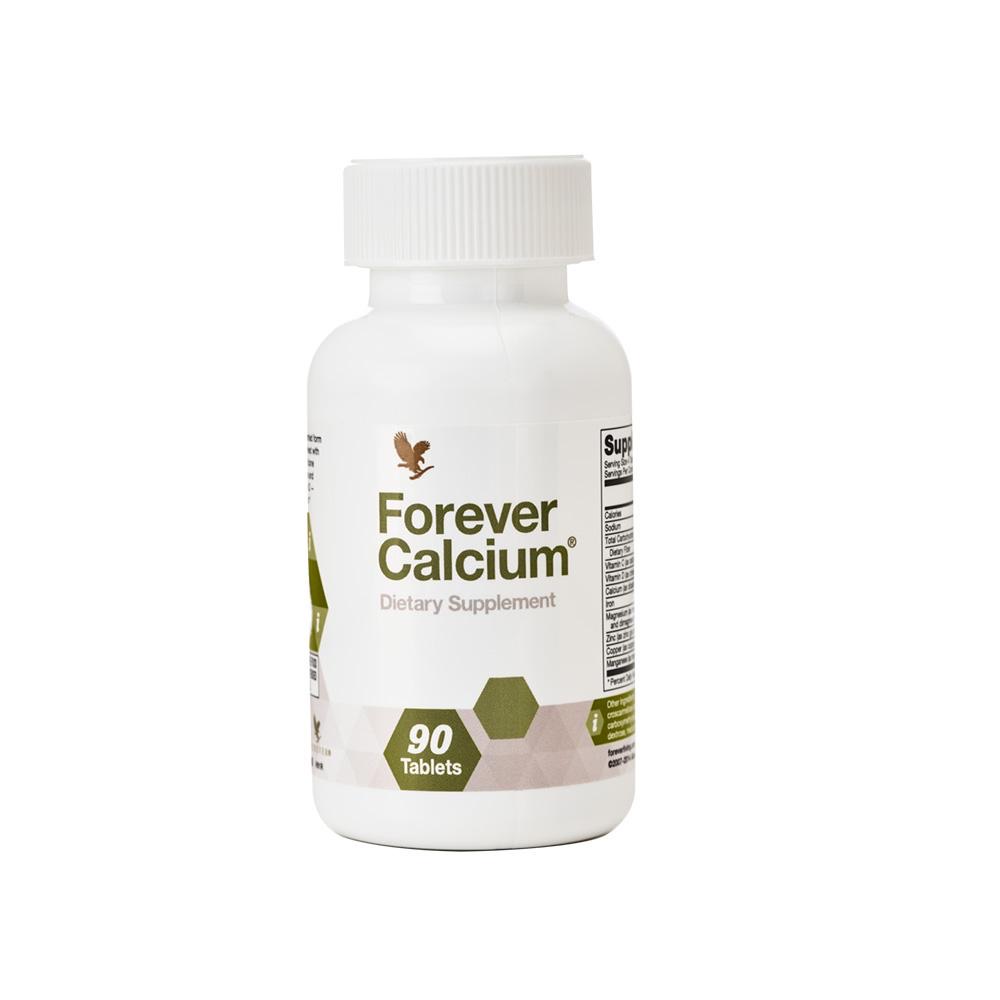
Review dietary calcium sources such as milk, yogurt or suitable fortified alternatives. Forever Calcium is available as a calcium supplement if a dietary review identifies inadequate intake. Compare calcium per daily serving, other ingredients and the combined intake from all supplements. This does not establish the product as a PMS treatment. Check suitability professionally if you have kidney problems or take medicines.
When habits are insufficient
If symptoms disrupt work, relationships or daily responsibilities, bring the diary to your doctor. Targeted treatment options are available. Maca, red clover and royal jelly cannot be assumed to provide a safe hormonal solution. Serious deterioration in mental wellbeing needs timely professional help.
Sources: Office on Women’s Health Forever Living.
Common questions
Does everyone with PMS need calcium supplements?
No. Assess food intake and individual need first.
What if symptoms seriously affect daily life?
Bring a diary to a doctor for assessment and targeted treatment options.
Before first use
Choose products for your dietary routine and care needs. Follow a healthcare professional’s advice for diagnosis and treatment of symptoms. Check suitability first during pregnancy and for use by children.