

The key points from this article
- But sometimes the opposite happens.
- Turn on your favorite song and read the same line five times at once.
- For a personal choice, continue with a recommendation after reading.
Products most closely related to this topic
If you want to compare concrete options after reading, these products are the closest match to the article topic.
 Forever Fiber - FIBER
A simple fiber add-on when you want digestion and satiety support during the day.
It fits topics such as appetite, portions, energy or a weight-management routine.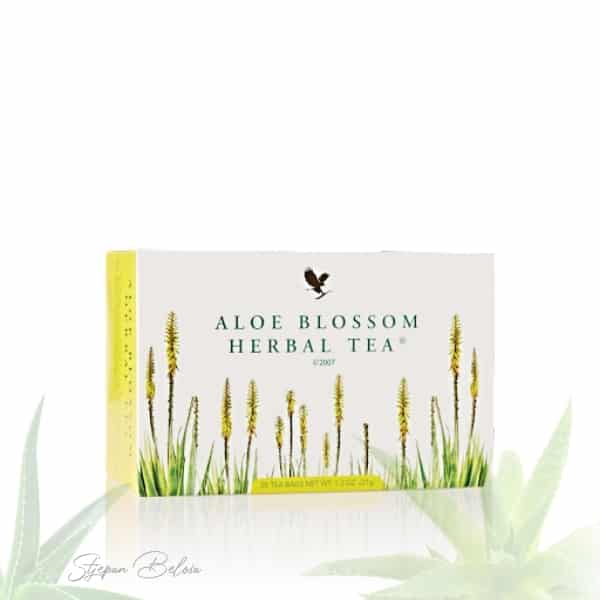 Aloe Blossom Herbal Tea
A caffeine-free herbal tea for a calmer daily ritual, hot or cold.
A good comparison if you want natural daily support and a calmer ritual. Forever Argi+
A supplement for energy, heart and circulation routines when you want longer-term daily support.
Useful to compare when you are looking for energy, focus or vitality support.Music and focus: playlists for deep work, fewer distractions and more results
Music and focus often go together. But sometimes the opposite happens. Turn on your favorite song and read the same line five times at once. Sound familiar? In this guide you will get a clear system. You'll put together playlists for deep work. You will learn rules, rhythm and little tricks. The goal is simple. Less noise in the head. More work done.
Why music sometimes saves focus and sometimes steals it
Focus is not just will. The focus is also on the state of the nervous system. When you are stressed, the brain seeks an escape. When you are tired, look for stimulation. Music can help both ways. It can calm down. It can also wake you up.
Much of the story is in the words. The lyrics of the song activate the language centers. This is a problem with writing and reading. That's why music with words is often a bad choice. This is also confirmeda randomized study on the effect of music with words on attention.
On the other hand, music without words can stabilize the rhythm of work. It can reduce mind wandering. It can enhance the"go in and work"feeling. Interestingly,"my"music often works better. This applies to easy and medium tasks. See alsopaper on preferred background music and orientation state.
Another thing is mood. When you feel better, work goes easier. Music can quickly change the tone of the day. That's why many work better with real sound. A useful overview is provided by iarticle on whether music helps concentration.
Rule number one for deep work
Deep work requires predictability. The brain does not like surprises while solving a difficult task. That's why the goal of the playlist is simple. The sound must be stable. The tempo must not jump. Emotions must not"drag"the story.
How to recognize a good"deep work"song
- No lyrics or minimal vocals.
- No sudden changes in volume.
- Without dramatic transitions and"drops".
- One dominant rhythm and simple harmony.
- Duration longer than 2 minutes, preferably 3 to 8.
Volume is more important than genre
The volume should be low to moderate. If you find yourself listening, it's too loud. If you have to amplify the noise, consider headphones. The goal is for the music to be the frame. It must not be the main thing.
Four types of playlists that cover almost everything
You don't need a hundred playlists. You need four clear ones. Each has its own role. Each covers a different type of task. This reduces decisions. And decisions consume focus.
1)"Getting started"playlist (5 to 10 minutes)
This list is a bridge. It switches you from a distracted state to a working mode. Ideally, it should have 2 to 4 songs. The pace can be slower. It is important that the sound is pleasant.
- Instrumental, light ambience, quiet electronics.
- No vocals and no big emotions.
- Always the same order of songs.
This is a good time for a short ritual. Close anything that isn't a task. Open only what you need. Take three slow breaths. Then start.
2)"Flow 60"playlist (45 to 75 minutes)
This is the heart of deep work. The list should be monotonous in a good way. You have to keep the rhythm and energy. The pace is often medium. For many, this means 80 to 110 BPM.
- Lo-fi without vocals, ambient, post-rock without singing.
- Minimal techno without sudden changes.
- Classical music with repetitive motifs.
If you want additional ideas, see the articleThe influence of music on performance.
3)"Sprint 25"playlist (25 to 30 minutes)
This list is for short, clear blocks. Use it for e-mail, administration and non-creative tasks. Here, rhythm is more important than depth. The list could be a little more energetic.
- Faster wordless instrumentals.
- Stable beat and simple melody.
- Without songs that"take you to the movie".
The trick is in the ending. Let the last song be"signal". When it's over, you get up. You drink water. And take a short break.
4)"Creative"playlist (20 to 40 minutes)
Creative work requires a different sound. Sometimes you need more emotion. Sometimes you need more width. But one rule still applies. Text is often the enemy.
- Film music without big dramatic climaxes.
- Jazz without vocals, gentle acoustic instrumentals.
- Ambient with natural sounds, but without aggression.
Match the playlist to the task type
Not every job calls for the same sound. If you write text, the language is"on". That's why the vocals are more annoying. If you're doing charts, the vocals sometimes bother you less. If you study, it depends on the difficulty of the material.
Writing and reading
Select instrumental. Choose slower and more stable. If you notice that you are"humming", switch to a quieter setting. Don't fight it. Just change the base.
Analytics and problem solving
Choose minimalism. Simple rhythm. Less melodies. The goal is for the brain to have little stimulation. But there is no narrative.
Routine tasks and administration
You can have a little more energy there. The pace can be higher. Still avoid songs that"raise"you emotionally. They consume attention.
The"sound + body"protocol that preserves focus
The focus is not only on the ears. The focus is also in the body. If you are dehydrated, attention drops. If you are stiff, attention drops. If you don't take breaks, attention drops.
For short breaks and resets, the routine from the article is usefulWellness breaks.
If you are constantly on the screen, insert micro-silence. Ten minutes without stimulation works wonders. The article also provides a good frameworkThe power of silence.
A simple schedule you can apply today
- 5 minutes"Introduction to work".
- 60 minutes"Flow 60".
- 5 minute break without screen.
- 30 minutes"Sprint 25"or another"Flow 60".
- Longer break, water, light stretching.
When the music bothers you and what to do then
For some people, silence works better. That's normal. Some have a stronger sensitivity to sound. Some work in noise, so music becomes an additional burden. In that case, change your approach.
Three alternatives that often work better
- White noise or pink noise, at low volume.
- Ambience without rhythm, like the"sound of space".
- Silence with suppositories, if the environment is loud.
If you have special attention needs, noise sometimes helps. With some attention profiles it makes sense. You can read more about it inmeta-analysis on white and pink noise and attention tasks.
Fuel for focus: water, a small meal and a real"ritual"
The fastest decline in focus is the decline in energy. You don't need a heavy meal. You need stability. Water is first. Then a small source of protein or fiber. And a little movement.
For a calmer tone and a warm routine, it suits someAloe Blossom Herbal Tea as part of a break.
If you work long hours and are looking for concentration support, some choose targeted nutrients. One of the products that is often mentioned in this context isForever Focus.
Practical test: in 7 days to"your"playlist
You don't have to guess right away. Test systematically. So you'll quickly see what it's doing. And you'll stop changing music in the middle of work.
- Day 1: soft instrumental music without vocals.
- Day 2: ambience without a clear rhythm.
- Day 3: lo-fi without vocals, moderate tempo.
- Day 4: minimal pace, very stable.
- Day 5: Silence or noise, low volume.
- Day 6: repeat the best option from the first five days.
- Day 7: put together a final playlist of 45 to 75 minutes.
Measure one thing every day. How many times have you switched to a mobile phone? How many times did you"fly out"of the task? That is the best indicator. Not the feeling. Result.
Frequently asked questions
What is the best music for deep work?
Most often it is instrumental without sudden changes. The volume should be low. The most important thing is that you are not"pulled".
Is lo-fi always a good choice?
It often is, but not always. If the rhythm makes you sleepy too much, switch to a more energetic instrumental. If it bothers you, go for ambient.
Can I listen to music with words?
You can with routine tasks. It usually gets in the way when reading and writing. If you work with text, choose without words.
How long should I listen to one playlist?
For deep work, aim for 45 to 75 minutes. After that, take a break. And return to the new block.
Conclusion
Music and focus can be your big advantage. But only when you have a system. Create four playlists. Assign each a clear role. Keep the volume lower than you think. And take screen-free breaks.
If you want to put together a routine with products and habits faster, use oursAI advisors.
For inspiration on how modern technology and AI are used to build a global online business, read the article"How this couple is building a global business with AI and working 95% online".
Note: This article is informative. It does not replace professional medical advice, diagnosis or therapy. If you have health problems or are taking medication, talk to your doctor or specialist.
Products most closely related to this topic
If you want to compare concrete options after reading, these products are the closest match to the article topic.
Forever Fiber - FIBERA simple fiber add-on when you want digestion and satiety support during the day.
It fits topics such as appetite, portions, energy or a weight-management routine.Aloe Blossom Herbal TeaA caffeine-free herbal tea for a calmer daily ritual, hot or cold.
A good comparison if you want natural daily support and a calmer ritual.Forever Argi+A supplement for energy, heart and circulation routines when you want longer-term daily support.
Useful to compare when you are looking for energy, focus or vitality support.Short answers that help
If you are still comparing options, these are the points worth checking before you continue.
What should I take from this article?
Use it to understand the topic in practical terms and compare it with your current routine, needs and next step.
When does it make sense to ask for a recommendation?
Ask when the topic feels relevant, but you are not sure which Forever Living Products product or routine fits you best.
Does this article replace professional advice?
Podrška za dane kada želiš više mentalne jasnoće, fokusa i stabilniji radni ritam.
Describe what you want to achieve
If you do not know which product to choose, write your goal, habits or doubts and get a more concrete suggestion.
Recommended products

Related articles to keep exploring