The key points from this article
- Matcha is a fine green powder that has conquered the world of health and routines in recent years.
- Unlike classic green tea, with matcha you drink the whole leaf.
- For a personal choice, continue with a recommendation after reading.
Products most closely related to this topic
If you want to compare concrete options after reading, these products are the closest match to the article topic.
 Arctic Sea Omega
A supplement for energy, heart and circulation routines when you want longer-term daily support.
Useful to compare when you are looking for energy, focus or vitality support. Forever Active Pro B
Probiotic support when you want an easier daily way to care for digestion.
It makes sense if you are looking at the topic through digestion and a simpler daily routine. Forever Bee Honey
Natural daily support when you want a bee-derived or botanical product for energy and resilience.
A good comparison if you want natural daily support and a calmer ritual.Matcha: nutritional profile and how to include it in your daily routine
Matcha is a fine green powder that has conquered the world of health and routines in recent years. Unlike classic green tea, with matcha you drink the whole leaf. That's why one cup fits a lot more antioxidants, caffeine and amino acids. You might be wondering if matcha is really that special or if it's just a trend. In this article, you will get a clear picture of what matcha brings to your body and how to safely incorporate it into your day.
What is matcha and how is it different from green tea?
Matcha comes from the same plant as green tea, Camellia sinensis. The difference arises in the method of cultivation and processing. A few weeks before the harvest, the plants are shaded. Thus the leaves develop more chlorophyll and l theanine. After harvesting, the leaves are gently dried, the veins are removed and they are ground into a very fine powder.
For classic green tea, soak the leaves and throw them away. With matcha leaf, you drink it completely. That's why the same amount of water brings more caffeine, antioxidants and other active ingredients. Due to its fine grinding, matcha is easily mixed into water, milk or smoothies. That is exactly why it is ideal for small daily rituals.
Matcha is most often associated with focus, calm energy and better concentration. The combination of caffeine and l-theanine works differently than classic coffee. Many people describe feeling clear-headed, without big energy spikes and crashes. This makes matcha an interesting replacement or addition to daily coffee.
Nutrient profile of matcha in brief
Although matcha is drunk in small quantities, its composition is very concentrated. One teaspoon contains a mixture of bioactive substances with a clear effect. Research shows that matcha contains high levels of catechins, especially the compound EGCG. These compounds help neutralize free radicals and protect cells from oxidative stress.
- Caffeine for alertness and energy, but a milder increase than with coffee.
- L theanine for a feeling of calmness, focus and less nervousness.
- Catechins, especially EGCG, with strong antioxidant activity.
- Chlorophyll that contributes to the green color and additional antioxidant support.
- Small amounts of vitamins A, C, K and folate and minerals.
A review of scientific papers on matcha shows that this composition can have a protective effect on cells and certain organ systems, especially with regular and moderate consumption.review of scientific papers on matcha.
Possibly uses matcha for health
Antioxidant support for the body
Matcha is one of the most concentrated natural foods in terms of the amount of antioxidants. Catechins help scavenge free radicals produced during stress, poor diet and exposure to toxins. This can reduce cell damage and slow down the processes associated with chronic diseases.
According to a popular article summarizing multiple studies, regular consumption of matcha can support liver, heart and metabolic health, but with overall healthy habitsHealthline article about matcha. It is important to emphasize that matcha is not a magic wand. It complements a balanced diet, sleep and exercise, but cannot replace them.
Focus, peace and mental clarity
The combination of caffeine and l theanine in matcha is particularly interesting for the brain. Caffeine promotes alertness and speed of reactions. L theanine reduces feelings of tension and supports alpha waves in the brain. Together they often give a feeling of clear concentration without great inner turmoil.
Several papers point out that such a combination can improve attention and working memory, especially in stressful situations or during mentally demanding worka summary of research on the cognitive effects of matcha. This is the reason why many choose matcha before an important meeting, study or creative work.
Metabolism, body weight and blood sugar
Green tea is often associated with metabolism support. Matcha contains the same compounds, but in a more concentrated form. Some research suggests that regular consumption of green tea may slightly increase energy expenditure. The effect is not dramatic, but it can help as a small additional tool along with a change in diet and movement.
It is important to be realistic. Matcha alone will not solve fat deposits or replace a change in habits. However, a healthy hot drink can make it easier to cut back on sugary drinks. With thoughtful meals and exercise, matcha becomes part of a broader strategy, not the only solution.
Heart, blood vessels and long-term health
Antioxidants from green tea are associated with beneficial effects on certain cardiovascular factors. Some research has linked regular drinking of green tea to a lower risk of heart disease. Matcha, as a concentrated form, offers a similar ingredient profile.
Expert reviews emphasize that these effects are mostly mild and depend on the overall lifestyleHarvard Health text on matcha. A healthy diet, less smoking, more exercise and stress control remain the foundations of heart protection. Matcha is an additional, enjoyable tool, not a replacement for these habits.
Possible risks and precautions with matcha
Although matcha has many benefits, it is not for everyone and it is not in infinite quantities. The main reason is caffeine. In a cup of stronger matcha, it can be approximately as much as in a weaker coffee. People sensitive to caffeine may experience rapid heart rate, nervousness or insomnia.
Matcha can reduce the absorption of iron from food due to its tannins. This is especially important for people with anemia, vegetarians, vegans and women with heavy periods. For such people, it is useful to drink matcha at least an hour apart from the main, iron-rich meals.
Rare cases of liver damage have been described with high doses of green tea extracts. With classic tea drinking, this risk is much lower, but caution is still wise. If you are already taking herbal preparations or medicines for your liver, blood pressure or blood clotting, it is best to talk to your doctor before introducing large amounts of matcha.
It is good to remember that matcha contains caffeine, so it can also affect the level of anxiety. If you are prone to a racing heart and nervousness due to too much coffee, take a look at the article on the topiccaffeine and anxiety. You may find it easier to gauge where your safe boundary is.
How to safely include matcha in your daily routine
How much matcha is enough?
For most healthy adults, up to one to two cups of matcha per day is considered a reasonable amount. This means about half to one teaspoon of powder per preparation. If you recognize symptoms of too much caffeine, reduce the dose or frequency.
A good start is half a teaspoon in the morning. After a few days, listen to how you sleep, how your energy and digestion are. If you feel well, you can add another cup periodically throughout the day. If you have chronic diagnoses, consult your doctor first.
The basic method of preparing matcha
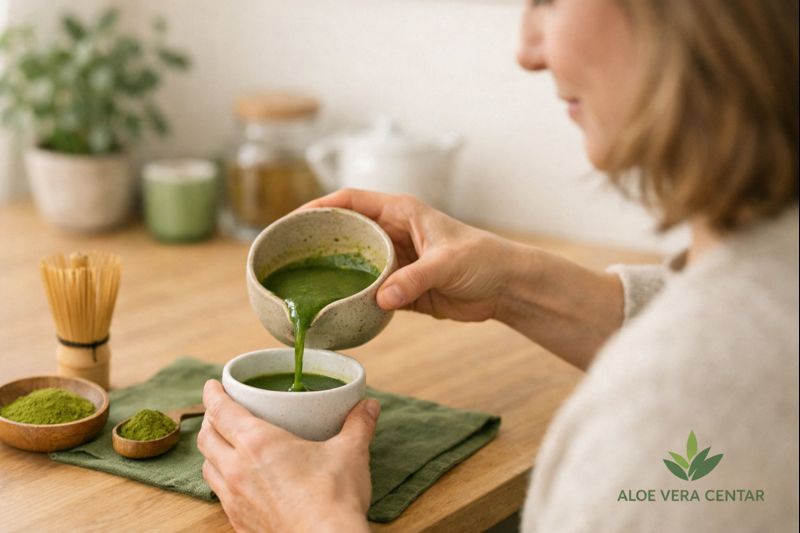
Classic preparation is simple. Put half a teaspoon of matcha in the cup. Add a little warm water and beat the lumps well with a whisk or milk frother. Then add the rest of the water. The water must not be boiling in order to preserve the more sensitive compounds.
Matcha fits nicely into various detox routines and seasonal plans. If you're interested in how other herbal drinks fit into liver care, check out our handy guide on the topicdetox teas. You may find it easier to arrange your own personal drinking ritual throughout the week.
Matcha latte and sweet combinations
For many, matcha latte is the most pleasant way to enjoy this beverage. Instead of water, use cow's milk or vegetable milk. First stir the matcha in a little warm water, then add the warmed milk. You can add a little honey for a milder taste.
An excellent natural sweetener that goes well with matcha latte is bee honey of the highest quality like the productForever Bee Honey. A small amount is enough to soften the bitterness and preserve the benefits of the drink itself.
Matcha in breakfast, snack and desserts
Matcha does not have to be drunk only as tea. You can add the powder to smoothies, oatmeal, chia pudding or energy balls. It is important to start with a smaller amount so that the taste is not too intense. You can increase the dose later if you wish.
With matcha, sources of vitamin C are often combined, which additionally support antioxidant protection. A high-quality food supplement based on vitamin C, for example, can help hereForever Absorbent C. Of course, always prioritize a varied diet, and use supplements thoughtfully and as needed.
Matcha as part of your wellness break
A small ritual of preparing matcha can be a perfect break in the middle of the working day. Preparation itself slows down the pace and brings you back to the present moment. In this sense, matcha is not only a drink, but also a short mindfulness exercise.
If the idea of short reset breaks appeals to you, take a look at the tutorial on the topicwellness breaks. There you will find more ideas on how to combine short stretches, breathing and relaxing music with a warm cup of matcha.
When matcha might not be the best choice
Matcha should be introduced more carefully if you have heart problems, high blood pressure or stomach problems. People with severe anemia, pregnant and lactating women should consult a doctor. The same applies if you are already taking medication that can be affected by caffeine.
If you notice a worsening of insomnia, restlessness, or indigestion after introducing matcha, go back to a lower dose or take a break. A reminder that often helps goes like this. There is no one-size-fits-all number of cups. Your body speaks best when you listen carefully to its signals.
How to choose quality matcha and smartly combine accessories
When choosing a matcha, pay attention to several details. Ceremonial grade is usually meant to be drunk as a pure drink. The kitchen degree more often ends up in cakes and ice creams. The color should be light green, and the smell should be fresh, without a stale note.
Along with matcha, many people also use various nutritional supplements, such as multivitamins, omega three fatty acids or probiotics. If you are not sure how to combine tea, supplements and existing therapy, you can always ask for personalized advice. Our online can help you with thatAI Product Advisor which suggests more meaningful combinations based on your needs.
Frequently asked questions about matcha
Is matcha better than regular green tea?
Matcha contains a more concentrated amount of the same beneficial compounds. That's why a cup of matcha can bring more antioxidants and caffeine than a cup of regular green tea. However, this does not mean that classic green tea is bad. It can still be a great part of a healthy routine.
Can I drink matcha in the evening?
Because of the caffeine, it is better to avoid matcha in the late afternoon and evening, especially if you already have trouble sleeping. If you want an evening ritual with a hot drink, choose caffeine-free herbal teas. This is how you protect sleep, which is a key part of overall health.
Can I drink matcha every day?
For most healthy adults, one to two cups of matcha per day may be acceptable. It is important to monitor how you feel, how you sleep and what your heart rate is. If you have chronic diagnoses or drink therapy, consult your doctor before introducing a daily habit.
Do I need organic matcha?
Organic matcha may contain fewer pesticides, which is an added benefit. However, the certificate is not the only criterion. Pay attention to the color, smell, taste and reputation of the manufacturer. If you can, choose a trusted brand with clear provenance information.
Conclusion: small bowl of powder, great support for the routine
Matcha is much more than a pretty green drink for photography. In a small amount, it brings a concentrated package of antioxidants, caffeine and l theanine. Because of this, it can help you start the day more focused, with a milder increase in energy than with coffee. In addition, it easily fits into breakfast, desk breaks and small self-care rituals.
For inspiration on how modern technology and artificial intelligence are used to build a global online business, read the articleHow this couple is building a global business with AI and working 95% online.
Note: This article is for informational purposes only and is not a substitute for the advice of a doctor or other health professional. If you have existing health conditions, are taking medication, or are unsure whether matcha is right for you, be sure to check with your doctor or pharmacist before introducing any new beverages or supplements.
Products most closely related to this topic
If you want to compare concrete options after reading, these products are the closest match to the article topic.
Arctic Sea OmegaA supplement for energy, heart and circulation routines when you want longer-term daily support.
Useful to compare when you are looking for energy, focus or vitality support.Forever Active Pro BProbiotic support when you want an easier daily way to care for digestion.
It makes sense if you are looking at the topic through digestion and a simpler daily routine.Forever Bee HoneyNatural daily support when you want a bee-derived or botanical product for energy and resilience.
A good comparison if you want natural daily support and a calmer ritual.Short answers that help
If you are still comparing options, these are the points worth checking before you continue.
What should I take from this article?
Use it to understand the topic in practical terms and compare it with your current routine, needs and next step.
When does it make sense to ask for a recommendation?
Ask when the topic feels relevant, but you are not sure which Forever Living Products product or routine fits you best.
Does this article replace professional advice?
Matcha tea: nutritional profile, benefits and how to include it in your day is educational content. For medical conditions, medication, pregnancy or persistent symptoms, include qualified professional advice.
Describe what you want to achieve
If you do not know which product to choose, write your goal, habits or doubts and get a more concrete suggestion.
Recommended products

Related articles to keep exploring