A meal with protein, a little healthy fat and enough fibre usually keeps you full for longer and helps keep your energy steadier. There is no need to weigh food or count calories. The NHS advises basing meals on vegetables, fruit and higher-fibre starchy foods, with a protein source and small amounts of unsaturated oils.
A plate in four steps
- Fill half the plate with vegetables or salad, ideally in several colours.
- Fill a quarter with protein: fish, eggs, pulses, tofu, chicken, yoghurt or cheese.
- Keep a quarter for whole grains or potatoes with their skins.
- Add a little unsaturated fat, such as a spoonful of olive or rapeseed oil, or a handful of nuts or seeds.
Why fibre matters
The NHS says adults need about 30 grams of fibre a day, while the average intake is about 20 grams. Fibre is found in whole grains, oats, pulses, vegetables, fruit, potatoes with their skins, nuts and seeds. Increase your intake gradually and drink enough fluids to avoid bloating.
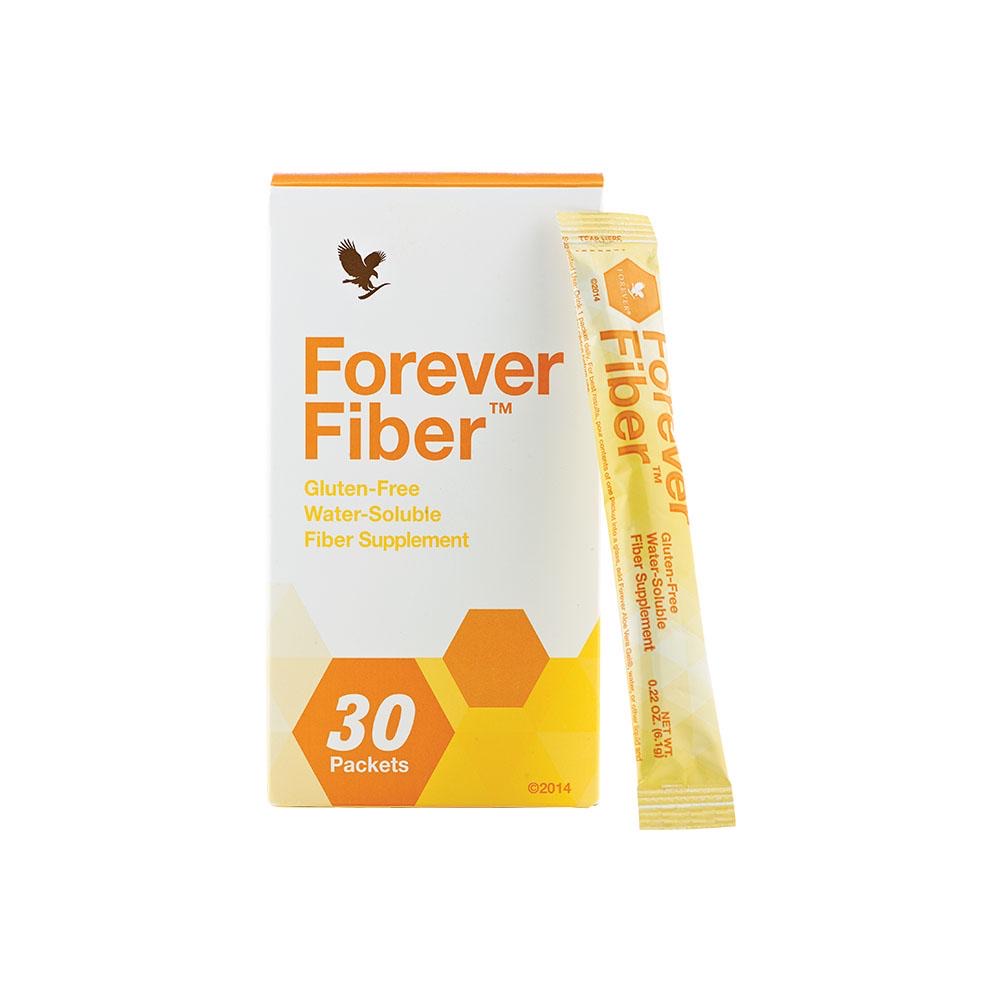
Food comes first. Forever Fiber, a supplement with about 5 grams of fibre per sachet, can be optional help on days when you cannot get enough fibre from food. If you take medicines or have a digestive condition, ask a doctor or pharmacist first.
Meal examples
- Breakfast: porridge with yoghurt, berries and a spoonful of ground seeds.
- Lunch: a salad of chickpeas, tomato, cucumber and rocket with olive oil and a slice of wholegrain bread.
- Dinner: baked fish or tofu, vegetables cooked in olive oil and a smaller portion of quinoa or potatoes.
The NHS advises at least two portions of fish a week, one of them oily, such as salmon or mackerel.
Common mistakes
If you are hungry soon after a meal, check whether the plate had enough protein and vegetables. Sauces, cheese and fried food quickly add a lot of fat, so measure oil with a spoon. If you have diabetes, kidney disease, a digestive condition or a special diet, agree your meal plan with a doctor or dietitian.
Sources: NHS NHS Forever Living.
Common questions
Do I have to count calories?
For most people it is not necessary. The layout of the plate and mindful portions are often enough. If you have a health goal or condition, a dietitian can help.
What if fibre makes me bloated?
Increase it gradually over several weeks and drink enough fluids. If bloating persists or comes with pain, see a doctor.
Before first use
Choose products for your dietary routine and care needs. Follow a healthcare professional’s advice for diagnosis and treatment of symptoms. Check suitability first during pregnancy and for use by children.