The key points from this article
- Antibacterial and antifungal action of aloe is an increasingly common topic among lovers of natural care and preventive medicine.
- Because laboratory studies in recent years have better mapped how the compounds from Aloe vera plants act on bacteria and fungi and how they can support the natural pro...
- For a personal choice, continue with a recommendation after reading.
Products most closely related to this topic
If you want to compare concrete options after reading, these products are the closest match to the article topic.
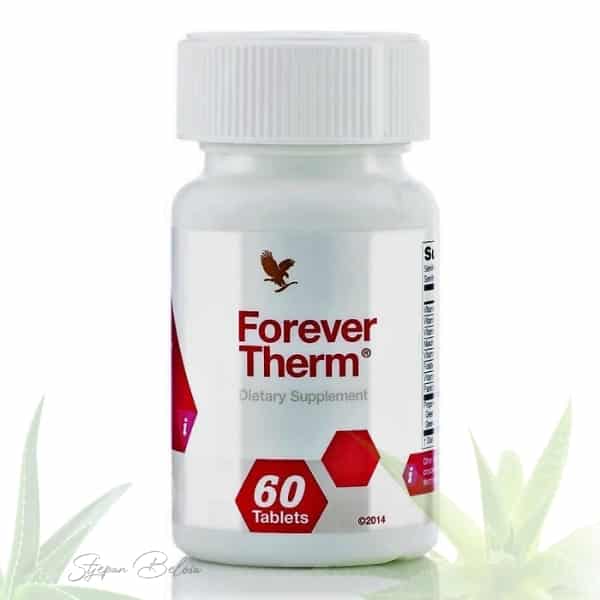 Forever Therm
Worth considering when you want energy support inside a weight-management routine.
It fits topics such as appetite, portions, energy or a weight-management routine.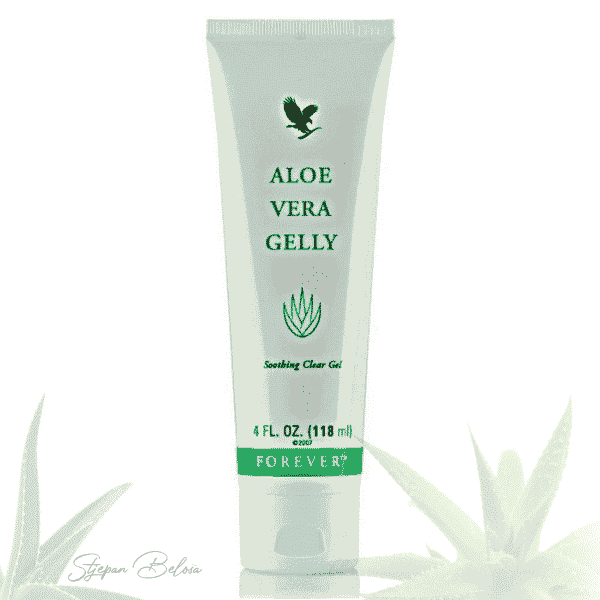 Aloe Vera Gelly
A practical outer-care product when the goal is skin comfort and a simpler care routine.
Closest to a care routine for skin, hair or everyday personal care.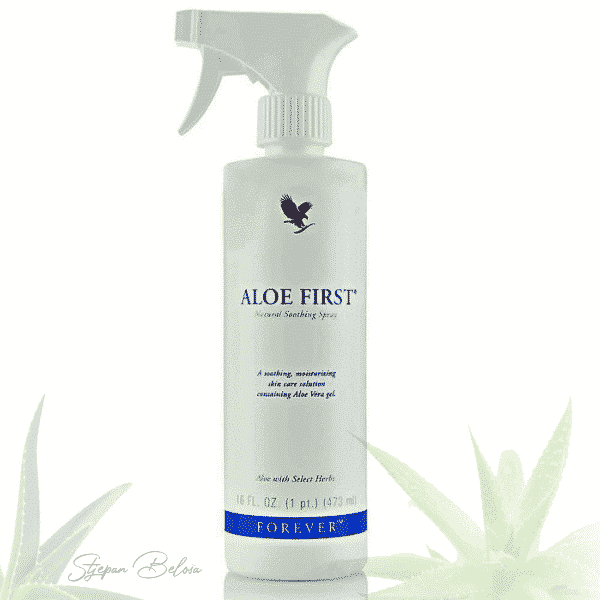 Aloe First – First aid for the skin with Aloe vera and propolis
A practical outer-care product when the goal is skin comfort and a simpler care routine.
Closest to a care routine for skin, hair or everyday personal care.Antibacterial and antifungal activity of aloe: a review of laboratory studies
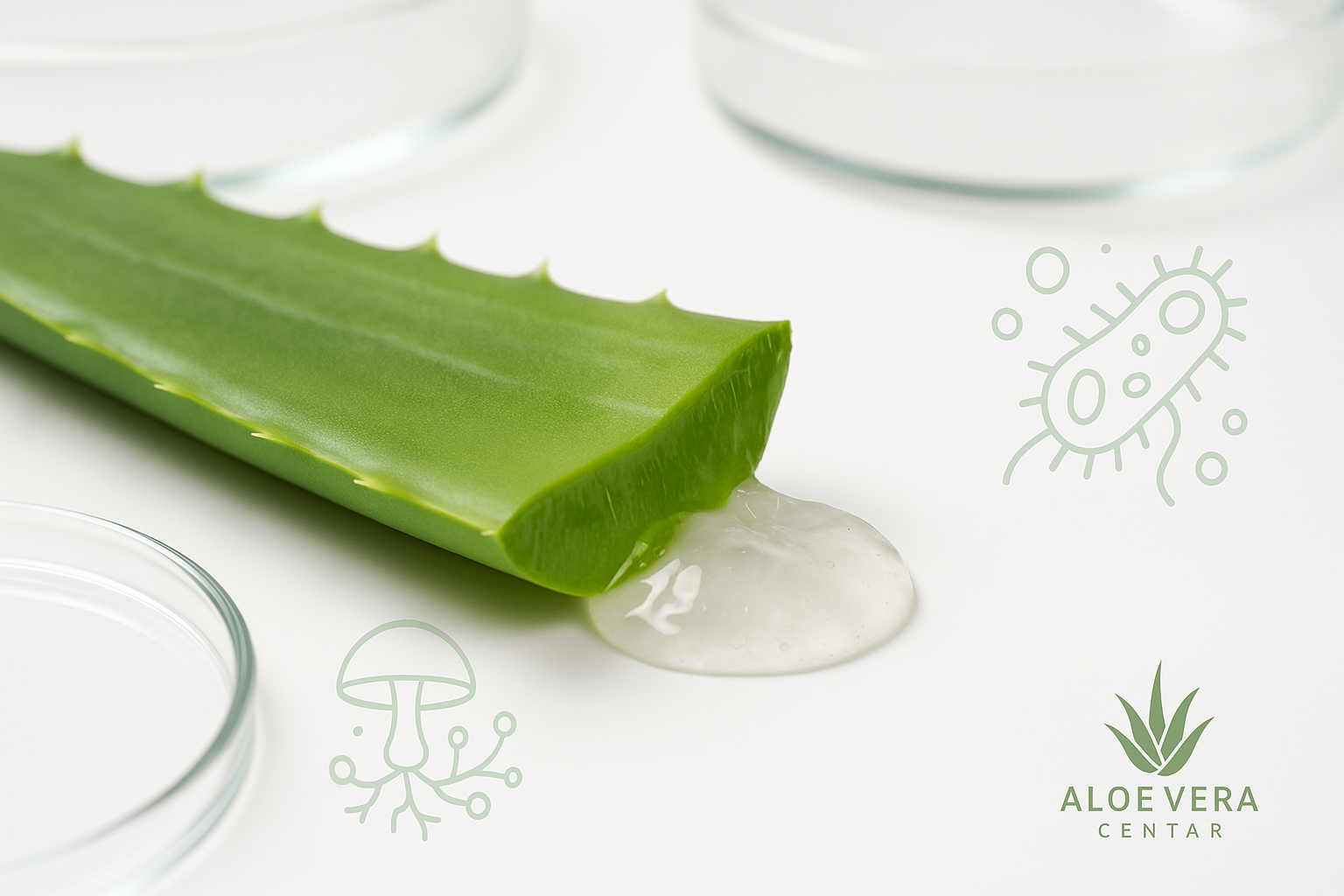
Antibacterial and antifungal action of aloe is an increasingly common topic among lovers of natural care and preventive medicine. You might be wondering why? Because laboratory studies in recent years have better mapped how the compounds from Aloe vera plants act on bacteria and fungi and how they can support the natural processes of skin renewal. In this guide, you'll get a comprehensive, easy-to-apply overview of what the science says, when it makes sense to reach for aloe, and how to safely use it at home. But that's not all... we've also included practical tips, links to more detailed topics, and a discreet product selection plan.
Why does aloe work on microorganisms at all
Aloe vera is not"just a gel". The inside of the leaf contains a complex cocktail of bioactive substances:acemannan and other polysaccharides,saponins,anthraquinones like aloe-emodin i aloin, as well as a number of vitamins and polyphenols. Here's the thing: the combination of these components can weaken the membrane of microorganisms, reduce the ability to form biofilms, and indirectly facilitate the work of the skin's natural defense mechanisms.
Do you want to delve deeper into the topic of antioxidants and cell protection? Read howantioxidant properties of aloe they support the resistance of the skin and tissues.
What labs say about bacteria
Most of the evidence comes from in vitro examinations. Under controlled conditions, aloe gel or extracts have been shown to inhibit the growth of a number of common pathogens involved in superficial skin infections and wounds, such as Staphylococcus aureus,Pseudomonas aeruginosa,Escherichia coli i Klebsiella pneumoniae. Some studies specifically pointed out that Aloe barbadensis gel can reduce the growth zones of these bacteria, while other work has clarified mechanism effects of certain anthraquinones, for example aloe-emodin, on the membrane and the early stages of biofilm formation.
Why is this important to you? Because biofilm gives bacteria a"shield"and persistence. If the early biofilm is broken, topical hygiene and topical care have a better chance of success.
- Biofilm under a magnifying glass: laboratory analyzes show that aloe-emodin can limit adherence and early biofilm growth in some strains S. aureus and change membrane permeability.
- A wide range of bacteria: several groups have tested the activity of gel or alcohol extracts on Gram-positive and Gram-negative bacteria, with visible zones of inhibition in petri-plates.
Please note that these are laboratory results. In real life, the skin has a barrier, pH and microbiome that change the outcome. That's why we see aloe as care support, and not a substitute for medical therapy when it is needed.
Antifungal action: Candida, dermatophytes and ear
Fungal complaints can be persistent. Skin candidiasis, diaper rash, athlete's foot or occasional ear problems require a patient approach. The good news is that they are ethanol extracts of aloe in more in vitro studies have shown dose-dependent growth retardation Candida albicans. Some works also explain how aloin, a component of aloe, can remodulate the wall of Candida and thereby weaken its resistance.
What does this mean in practice? In case of mild superficial disturbances, proper cleaning, drying and local care can speed up the relief of symptoms. In the case of severe or persistent fungal changes, especially those on the nails or scalp, a visit to the doctor is mandatory.
Key ingredients and how they contribute
- Acemannan – a high-value polysaccharide. In laboratory and preclinical models, it is associated with immunomodulation and tissue healing support. It acts as a"moist cushion"on the skin, which helps to prevent secondary bacterial colonization of the dry, cracked surface.
- Saponins – natural surfactants. Contributions mild antiseptic and detergent effect, so in washing formulations they can reduce the microbial load without drying.
- Anthraquinones – aloe-emodin i aloin. U in vitro conditions show antibacterial and antifungal activity and biofilm modulation. These are the most frequently cited compounds when we talk about the direct effect on microorganisms.
How to properly use aloe for microbiological skin challenges
Here's a simple, at-home protocol for mild and superficial situations. Sound too good to be true? Continue reading.
- Hygiene without aggression: wash the area with lukewarm water and a mild detergent. Avoid strong perfumed soaps that disrupt the barrier.
- Precise drying: if you are prone to fungal infections, especially between the toes, dry thoroughly with a towel or tissue.
- Topical application of aloe: apply a thin layer of clear gel 2 to 3 times a day on clean skin. Look for products with a high content of stabilized gel, without alcohol and without irritating additives.
- Consistency: monitor progress in 7 to 10 days. If there is no clear improvement or the condition worsens, consult a doctor.
Which formulations to choose
For targeted, soothing care of sensitive or irritated skin, a clear gel is a good choice. For example, a rich, transparent textureAloe Vera Gelly sits well as a moisturizing layer after washing and helps to keep the microenvironment of the skin moist and calm.
For scratches, surface cuts or after depilation, many choose a spray that combines gel and mild herbal components. This is where practicality stands outAloe First of a spray that allows for even spraying without touching the irritated area.
Synergy with other natural allies
A natural approach often gives the best results in combination. If you want the bigger picture, explore the guide onnatural antimicrobial strategies such as propolis. In addition, the aromatherapy approach can be useful, but only with proven dilution and correct doses. It's a great overview to start withsafe mixture of essential oils and aloe.
If you like simplicity, add a glass of pure gel for general hydration and support of the mucous membrane of the digestive system. It is often chosen thereForever Aloe Vera Gel. And if you want to support the gut microbiota in a targeted way, consider a quality probiotic supplement such asForever Active Pro B, especially during or after therapies that may disrupt the balance of the microbiome.
For local protection of the oral cavity and additional support for immunity can also helpForever Bee Propolis as a natural ally with a long tradition of use.
When aloe is especially useful
- After sunbathing and mild burns as part of home care with cooling and hydration. Find out more about whether aloe is better as protection or as recovery after UV rays.
- In case of superficial injuries and scratches, as part of the cleaning and moisturizing routine. Compare options with honey wraps in the guide on healing of superficial wounds.
- With aromatherapy and supplements to calm irritation. An example is a mild soothing duo aloe vera and lavender.
What authoritative sources say
To keep everything on a good foundation, it is worth looking at popular medical portals and databases. Literature reviews and encyclopedia chapters often emphasize that topical application aloe gel is useful as support for minor burns and irritations, with a clear emphasis on safety and the possibility of individual skin reactions. The conclusion is constant: choosing a quality formulation and consistent, correct application are the keys to good results.
Managing Expectations: From the Lab to Real Life
In the laboratory, the conditions are ideal and controlled. Your skin is not. It has a microbiome, its pH varies, and there is also mechanical irritation, friction, sweating. That's why we see aloe as smart link in the chain: hygiene, drying, local application, and additional measures if necessary. If you are looking for a personalized plan, you can quickly and discreetlyuse our AI advisor and get a recommendation adapted to your skin type, habits and goal.
Common mistakes and how to avoid them
- Too many, too few or the wrong product: excessive application can irritate sensitive skin, and too weak a concentration of the gel will not give the expected effect. Choose formulations with a high content of stabilized gel and without alcohol.
- A moist environment"does the job"for fungi – if you are treating a fungal disorder, the priority is dryness and breathability. Only then comes the thin-layer application of the gel.
- Expected effect overnight: mild improvements within a few days are realistic, but persistent infections require examination and eventual targeted therapy.
Safety and important warnings
It sounds basic, but it's worth its weight in gold: do a patch test on a small area before wider application. Especially if you have a history of allergies or very sensitive skin.Topical use the gel is generally well tolerated, while oral consumption requires caution, especially with products containing aloe latex or the whole sheet. If you use medication or have chronic diagnoses, consult your doctor. Pregnant and lactating women should be consulted before taking any supplements.
Mini protocols for the most common situations
Small cut 24 hours ago
- Wash and gently dry the area.
- Spray a thin layer Aloe First and let it absorb.
- Furthermore, apply a thin layer 1 to 2 times a day Aloe Vera Gelly.
Fungus between the toes and wet feet
- Wash with lukewarm water, thoroughly dry each interspace.
- Apply a thin layer of gel and wait for it to be completely absorbed.
- Choose breathable shoes and socks made of natural materials. If the condition does not improve within 10 days, ask for a doctor's assessment.
Irritation after shaving
- Clean, cool, then spray Aloe First.
- After 5 minutes, lock in moisture with a gel or mild cream.
Examples from practice and additional inspiration
If you're interested in how aloe stacks up against other natural choices, take a look at the comparisons and recipes in the articles on the portal. A good start is the topicswound and honey poultices, as well as ideas forcombinations of aloe with essential oils in exact, safe proportions.
What the scientific references say
For those who like both concrete numbers and mechanisms, here are some representative reading directions with a brief summary and link:
- Antibacterial effect of the gel according to in vitro tests on S. aureus, P. aeruginosa, E. coli i Klebsiella – with recorded inhibition zones: overview of the results.
- Aloe-emodin and membrane targeting and the early phase of biofilm at S. aureus: biofilm and adhesion you mechanism of action.
- Antifungal activity ethanol extract of aloe against Candida albicans and in otitis models: dose-dependent activity, pilot study on otomycosis, and new research on aloin and Candida walls.
- Acemannan as a biomaterial for healing and immunomodulation: summary of mechanisms.
- Practical frames for home use aloes for burns and irritation in folk medicine resources: WebMD review you Healthline article.
Frequently asked questions
Can aloe replace an antibiotic or antifungal?
No. Aloe can be useful supportive care for mild, superficial complaints or to calm irritation, but it does not replace drugs in situations that require medical therapy. If signs of severe infection are present, consult a doctor immediately.
Does aloe help with foot fungus?
It can help as a part complete regimen: precise drying, breathable footwear, regular application of gel and keeping the skin elastic. If there is no improvement within 10 to 14 days, a medical evaluation and possible introduction of targeted therapy is required.
Is aloe safe for sensitive skin and children?
Topical gel is generally well tolerated, but always make patch test. For children and people with diagnosed skin diseases, consult a pediatrician or dermatologist, especially before combining multiple products.
Am I allowed to drink the gel to"strengthen immunity"against infections?
Oral use requires an informed choice and expert consultation, especially if medications are taken or there are chronic diagnoses. If you are considering a gel as part of your routine, it is worth consulting with a nutritionist or doctor and choosing proven products such asForever Aloe Vera Gel.
Conclusion
Note: This text is informative in nature and does not replace professional medical advice. For diagnosis, therapy or adjustment of treatment, contact a doctor or a qualified healthcare professional.
Products most closely related to this topic
If you want to compare concrete options after reading, these products are the closest match to the article topic.
Forever ThermWorth considering when you want energy support inside a weight-management routine.
It fits topics such as appetite, portions, energy or a weight-management routine.Aloe Vera GellyA practical outer-care product when the goal is skin comfort and a simpler care routine.
Closest to a care routine for skin, hair or everyday personal care.Aloe First – First aid for the skin with Aloe vera and propolisA practical outer-care product when the goal is skin comfort and a simpler care routine.
Closest to a care routine for skin, hair or everyday personal care.Short answers that help
If you are still comparing options, these are the points worth checking before you continue.
What should I take from this article?
Use it to understand the topic in practical terms and compare it with your current routine, needs and next step.
When does it make sense to ask for a recommendation?
Ask when the topic feels relevant, but you are not sure which Forever Living Products product or routine fits you best.
Does this article replace professional advice?
Antibacterial and antifungal action of aloe is educational content. For medical conditions, medication, pregnancy or persistent symptoms, include qualified professional advice.
Describe what you want to achieve
If you do not know which product to choose, write your goal, habits or doubts and get a more concrete suggestion.
Recommended products
Related articles to keep exploring