The key points from this article
- Insect sting gel with aloe and menthol can be much more than a product that just cools the skin for a moment.
- When well formulated and adapted to your skin and hair type, it can reduce redness, itching, burning sensation and help soothe the irritated area more quickly.
- For a personal choice, continue with a recommendation after reading.
Products most closely related to this topic
If you want to compare concrete options after reading, these products are the closest match to the article topic.
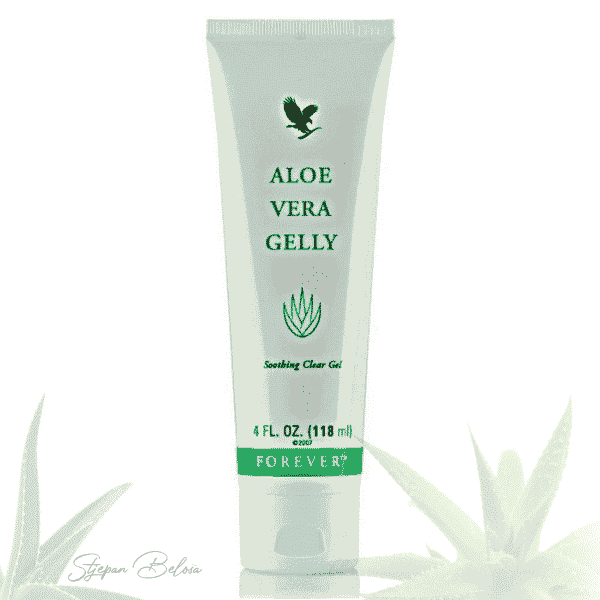 Aloe Vera Gelly
A practical outer-care product when the goal is skin comfort and a simpler care routine.
Closest to a care routine for skin, hair or everyday personal care.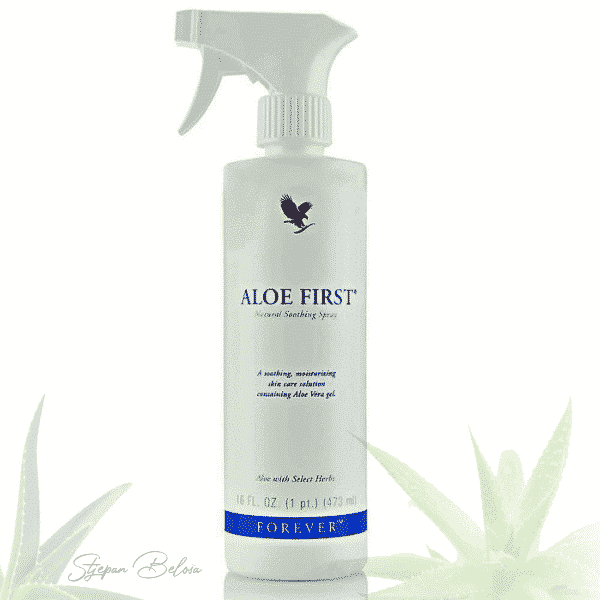 Aloe First – First aid for the skin with Aloe vera and propolis
A practical outer-care product when the goal is skin comfort and a simpler care routine.
Closest to a care routine for skin, hair or everyday personal care.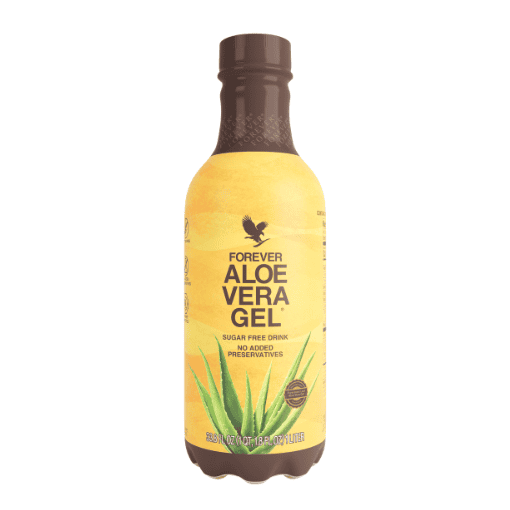 Aloe Vera Gel
A daily aloe drink for people who want simple support for digestion and routine.
It makes sense if you are looking at the topic through digestion and a simpler daily routine.Gel against insect bites with aloe and menthol: how to adapt it to your skin and hair type
Insect sting gel with aloe and menthol can be much more than a product that just cools the skin for a moment. When well formulated and adapted to your skin and hair type, it can reduce redness, itching, burning sensation and help soothe the irritated area more quickly. You may wonder why the same gel suits someone perfectly, but causes tightening or even stronger redness for you. Here's the thing: the key is in the composition, menthol concentration and gel base that you adjust to yourself, not the other way around.
In this guide, we will go through how aloe vera and menthol work for insect bites, how to choose a gel base, which adjustments are important for sensitive, oily, dry or mature skin, what to do when the bite is on the scalp, and how to practically apply all of this in everyday life. At the end, you will have a clear picture of how to put together your ideal gel or wisely choose a ready-made product that suits you.
Why the combination of aloe and menthol works so well for insect bites
Aloe vera has been used for centuries to soothe the skin after burns, scratches, insect bites and other minor irritations. Research shows that polysaccharides and other active compounds in aloe vera have anti-inflammatory and soothing effects, help maintain skin moisture and support its natural renewal process. You can read more about this in one of the more recent reviews on the healing properties of aloe vera on skin and wounds in a scientific article that summarizes exactly these properties.
Menthol is a natural ingredient derived from mint that activates cold receptors in the skin, creating a pleasant cooling sensation. This"cool effect"can deceive the nerve endings that send signals of itching and discomfort, so the subjective experience of the sting becomes milder. According to an article on Healthline, menthol and aloe vera are among the most commonly recommended ingredients in topical preparations for stings, minor burns and itching because they simultaneously cool and moisturize the skin.
When you combine aloe gel as a moisturizing and anti-inflammatory base with a small, carefully dosed amount of menthol, you get a synergy: aloe helps the skin to regenerate, and menthol reduces the subjective feeling of burning and itching. But that's not all. The way the gel"sits"on the skin and hair will also depend on your skin type, tendency to irritation and where the sting is located.
Choosing a gel base: what is important for the skin and scalp
Most anti-sting gels have a light, watery base dominated by aloe vera gel and glycerin, with a smaller proportion of emollients (ingredients that soften the skin) and preservatives. The simpler the base and with fewer potentially irritating ingredients (perfumes, aggressive alcohols), the better, especially if you have sensitive or reactive skin. Ideally, the gel should be transparent or slightly milky in color, without a strong smell, with a clear list of ingredients that"tell you a story"that you understand.
If you are interested in a broader picture of how aloe acts on microorganisms and inflammation on the surface of the skin, be sure to read the article onantibacterial and antifungal action of aloe, because it will help you better understand why this kind of gel is not only a"cold feeling", but also supports the skin after a sting.
Adaptation of the gel to the skin type
Sensitive and reactive skin
If you are one of those people who get red from a new cream, the concentration of menthol should be very low, and the base should be as simple as possible. For sensitive skin, the anti-sting gel should have an emphasis on aloe vera, with additional soothing ingredients such as panthenol or allantoin, while menthol serves only as a gentle"cooling whisper"rather than an icy shower.
Combinations of aloe with mild plant extracts, such as lavender, often respond well to this type of skin. You can find inspiration for this combination in the text on howaloe vera and lavender soothe irritated skin, so you can apply a similar philosophy when choosing a gel for insect bites.
Mixed and oily skin prone to irregularities
With oilier skin, especially on the back, shoulders or face, it is important that the gel does not contain comedogenic oil components that could further clog the pores. Look for formulas that are declared"non comedogenic", with a high content of aloe, light humectants (glycerin, hyaluronic acid) and a moderate dose of menthol. This way you get a cooling sensation, and not a greasy film that could later result in new irregularities.
Dry and mature skin
Dry and mature skin is often less able to tolerate aggressive alcohols and high concentrations of menthol. Here, it is useful for the gel to contain an additional portion of gentle lipids, for example squalane or light vegetable oils, and perhaps mild occlusives that retain moisture. Don't be afraid of a slightly"richer"texture, as long as it absorbs well and doesn't leave a sticky residue.
If you are interested in more about the processes of restoration of surface damage, it is good to read the article abouthealing of superficial wounds, because understanding how the skin heals will also help you better assess what you need after a sting.
Skin of children and pregnant women
The skin of children and pregnant women requires extra care. As a rule, menthol is used in children in very small concentrations (or not at all, depending on the pediatrician's recommendation), because their skin is thinner and more sensitive. For pregnant women, it is also good to avoid high concentrations of strong essential oils and menthol on larger areas of the skin. In both cases, the rule applies: as simple a composition as possible, with an emphasis on aloe vera, panthenol and similar soothing components, and prior consultation with a doctor in case of major reactions.
What if the sting is on the scalp: adaptation to the type of hair and scalp
Insect bites on the scalp are particularly unpleasant because they are hard to reach, we often scratch them without noticing, and the hair traps sweat and bacteria. If you have an oilier scalp, choose an anti-sting gel with a very light, watery texture that absorbs quickly and leaves no residue. It is applied directly to the part or injection site, in a thin layer, with a light massage with the fingertips.
With dry or sensitive scalp, it is important that the gel does not contain too much alcohol, so as not to further dry out the skin. After the gel has been absorbed and the stinging has subsided, you can gently apply a care product that you already tolerate well, such as a mild lotion or scalp oil, but only when there is no longer an open scratch from scratching.
How to properly apply gel against insect bites with aloe and menthol
Regardless of your skin type, a few steps always apply:
- Gently clean the area around the puncture with lukewarm water and a mild cleanser, without harsh rubbing.
- Pat dry with a soft towel or handkerchief, so as not to further irritate the skin.
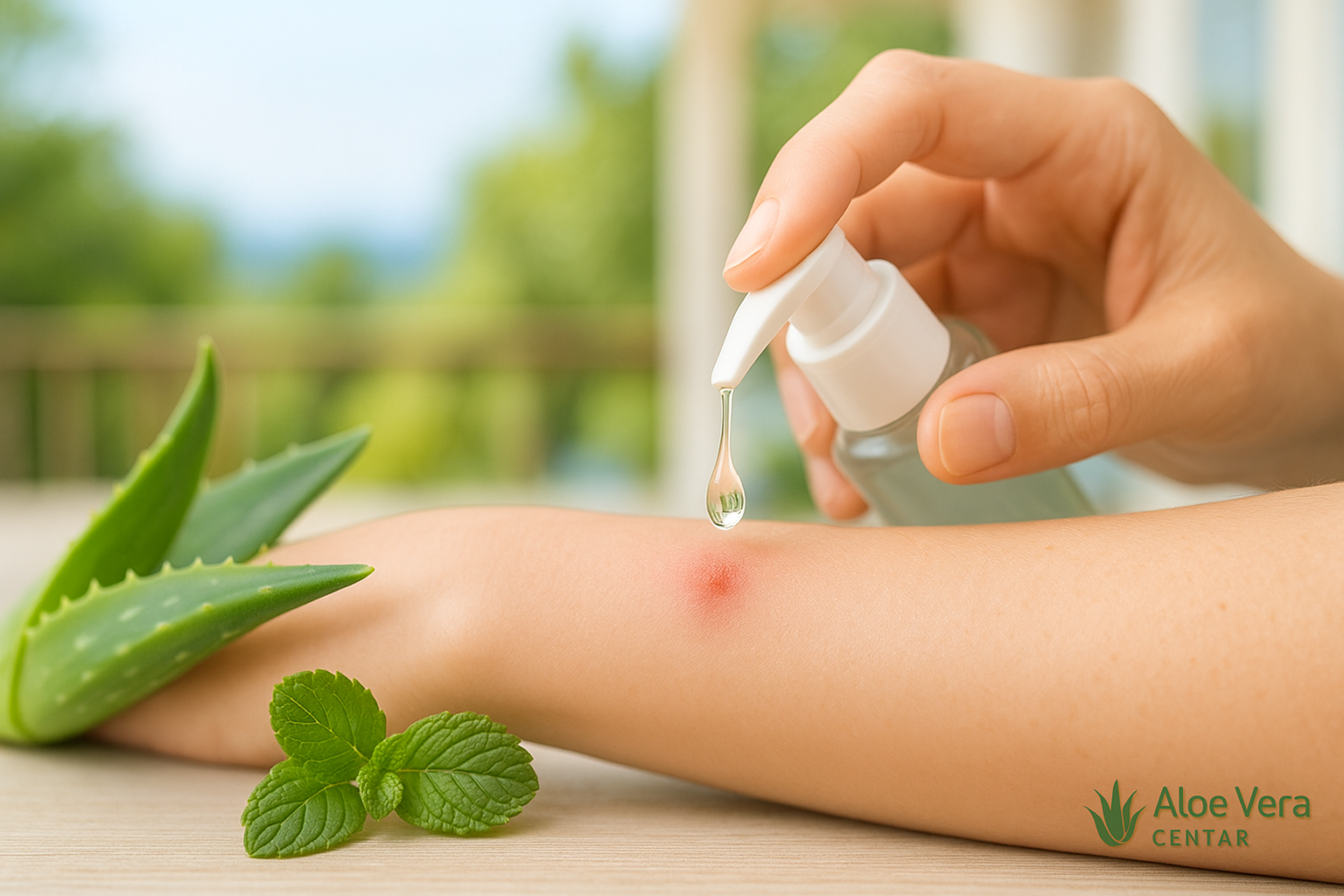
- Apply a small amount of anti-sting gel in a thin layer and let it absorb, without rubbing it in harshly.
- If necessary, repeat the application several times a day, but avoid overdoing it with very sensitive skin.
- Do not apply the gel too close to the eyes, mucous membranes or on severely damaged skin with open wounds, unless specifically recommended by your doctor.
Examples of ready-made products with aloe to soothe the skin
If you don't want to experiment with the menthol concentration yourself, you can combine a very mild anti-sting gel with a proven aloe product for extra hydration and regeneration. One of the most practical examples is a pure, thick green aloe vera based cream like productAloe Vera Gelly, which is designed specifically to help irritated skin after minor damage, burns, scratches or punctures.
For larger areas of skin or traveling, a spray that combines aloe vera and propolis is useful for many, as it is applied without touching the skin with hands. For light irritations after a sting, a practical product such asAloe First, which you gently spray over the skin and, if necessary, supplement with a special anti-sting gel.
When the anti-sting gel is not enough and you need to see a doctor
Although insect sting gel with aloe and menthol can be an excellent first aid, there are situations in which it is necessary to consult a doctor. If you notice severe redness that spreads, warmth of the skin, purulent discharge, severe pain or fever, this may indicate an infection. Also, if you experience difficulty breathing, swelling of the face or tongue, dizziness or a feeling of weakness after the sting, you should seek medical help immediately, as it may be an allergic reaction.
How to choose a combination and monitor the skin's reaction
A good approach is to keep a small"skin diary". Write down which anti-sting gel you used, how much menthol it roughly contains (if specified), what type of skin you applied it to, and what the reaction was after 24 to 48 hours. That way, over time, you will get a clear picture of what suits your skin best and avoid repeating the same mistakes.
If you are not sure which gel, spray or combination of aloe products to choose, you can use smart tools and technology. For example, you can use a specialistAI product selection advisor which, based on your concerns and preferences, helps you choose the combination of supplements and skin care that makes sense for your situation.
Frequently asked questions
How often should I apply Aloe Menthol Insect Sting Gel?
In most cases, it is enough to apply a thin layer of the gel 2 to 4 times a day on clean skin, until the itching and redness subside. If you notice a stronger burning sensation, additional dryness or the appearance of a rash, reduce the frequency of application or stop using it completely and consult a doctor or pharmacist.
Can I use the same gel on my face and scalp?
You can, but by adjusting the amount and method of application. We often have more sensitive and reactive skin on our face, while our scalp is more prone to sweating and accumulation of sebum. On the face, apply a smaller amount and avoid the area around the eyes, while on the scalp, try to apply the gel directly to the skin between the hairs, and not to a large area of hair.
Is menthol safe for children?
Menthol is used with great caution in children and in much lower concentrations than in adults, and in very young children some pediatric guidelines do not recommend it for local application on large areas of the skin. Before using products with menthol on children, it is best to consult a pediatrician and always test the product on a small, discreet area of the skin.
Can anti-sting gel replace the medical treatment of an allergic reaction?
No. Gel against insect bites with aloe and menthol is used for local relief of mild, superficial reactions such as redness, itching and burning. If you suspect a more serious allergic reaction, severe swelling or symptoms that affect breathing and general condition, seek immediate medical attention. In such situations, the local gel is only secondary support, not a solution.
Conclusion: adapt the gel to yourself, not yourself to the gel
Aloe and Menthol Insect Sting Gel can be your best friend during spring and summer, but only if it is adapted to your skin type and habits. The combination of aloe vera, which nourishes and soothes the skin, and menthol, which cools and relieves itching, makes sense when the menthol is in reasonable doses, the base is simple, and the method of use is careful. It's also important to think more broadly: about where the sting is, what your skin and scalp type is, and how sensitive your skin and body are in general.
Instead of trying products at random, observe your skin's reactions, note what works for you, combine proven aloe preparations and carefully selected anti-sting gels, and use smart tools and expert advice when you need them. In this way, the gel against insect bites becomes part of a thoughtful, natural care routine, and not just another product in the bathroom cabinet.
For inspiration on how modern technology and AI are used to build a global online business, read the article"How this couple is building a global business with AI and working 95% online".
Note: This article is for educational purposes only and does not constitute medical advice. If you have serious health problems, severe allergic reactions, chronic diseases or are taking therapy, be sure to consult a doctor or specialist before introducing new skin care products or dietary supplements. Topical preparations with aloe vera and menthol can be a good support, but they do not replace the individual assessment of experts and prescribed therapy.
Products most closely related to this topic
If you want to compare concrete options after reading, these products are the closest match to the article topic.
Aloe Vera GellyA practical outer-care product when the goal is skin comfort and a simpler care routine.
Closest to a care routine for skin, hair or everyday personal care.Aloe First – First aid for the skin with Aloe vera and propolisA practical outer-care product when the goal is skin comfort and a simpler care routine.
Closest to a care routine for skin, hair or everyday personal care.Aloe Vera GelA daily aloe drink for people who want simple support for digestion and routine.
It makes sense if you are looking at the topic through digestion and a simpler daily routine.Short answers that help
If you are still comparing options, these are the points worth checking before you continue.
What should I take from this article?
Use it to understand the topic in practical terms and compare it with your current routine, needs and next step.
When does it make sense to ask for a recommendation?
Ask when the topic feels relevant, but you are not sure which Forever Living Products product or routine fits you best.
Does this article replace professional advice?
Gel against insect bites with aloe and menthol for all skin types is educational content. For medical conditions, medication, pregnancy or persistent symptoms, include qualified professional advice.
Describe what you want to achieve
If you do not know which product to choose, write your goal, habits or doubts and get a more concrete suggestion.
Recommended products
Related articles to keep exploring