The key points from this article
- Treatment of bruises and hematomas with aloe gel is a topic that raises a lot of questions: does it really help speed up recovery or is the effect reduced to a pleasan...
- You may wonder why some bruises go away in a few days, while others remain visible for up to two weeks.
- For a personal choice, continue with a recommendation after reading.
Products most closely related to this topic
If you want to compare concrete options after reading, these products are the closest match to the article topic.
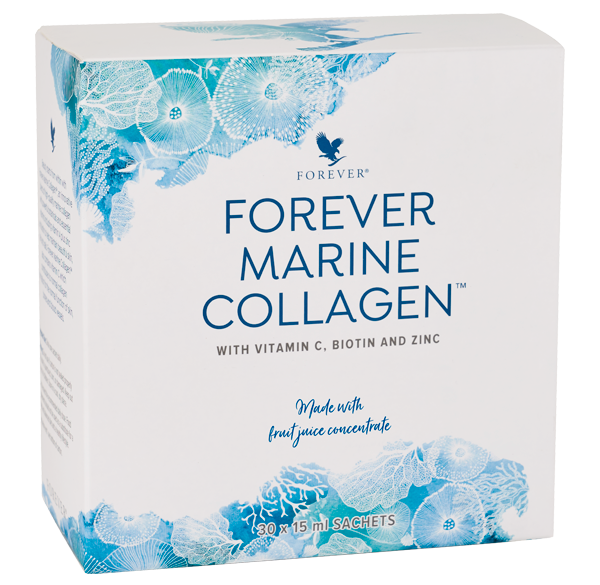 Forever Marine Collagen
A good fit when the goal is a routine for skin, hair, nails or joint-support habits.
Closest to a care routine for skin, hair or everyday personal care.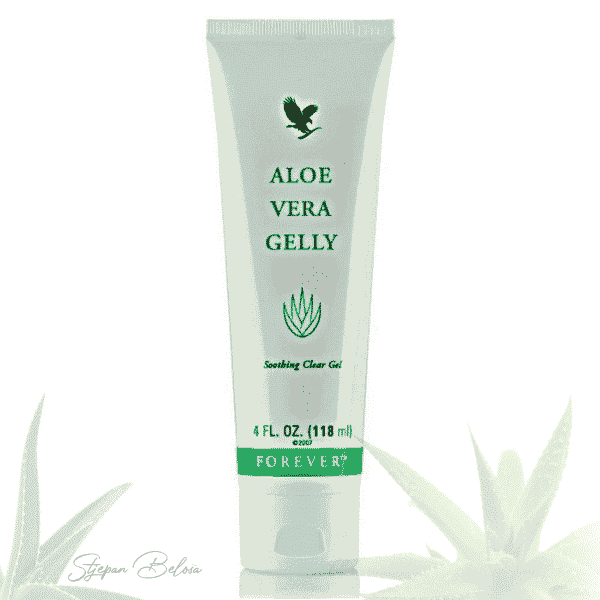 Aloe Vera Gelly
A practical outer-care product when the goal is skin comfort and a simpler care routine.
Closest to a care routine for skin, hair or everyday personal care.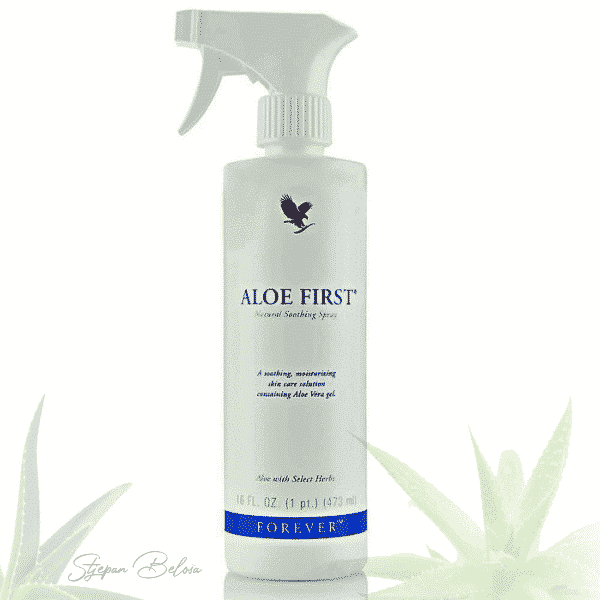 Aloe First – First aid for the skin with Aloe vera and propolis
A practical outer-care product when the goal is skin comfort and a simpler care routine.
Closest to a care routine for skin, hair or everyday personal care.Treatment of bruises and hematomas with aloe gel: natural help or placebo?
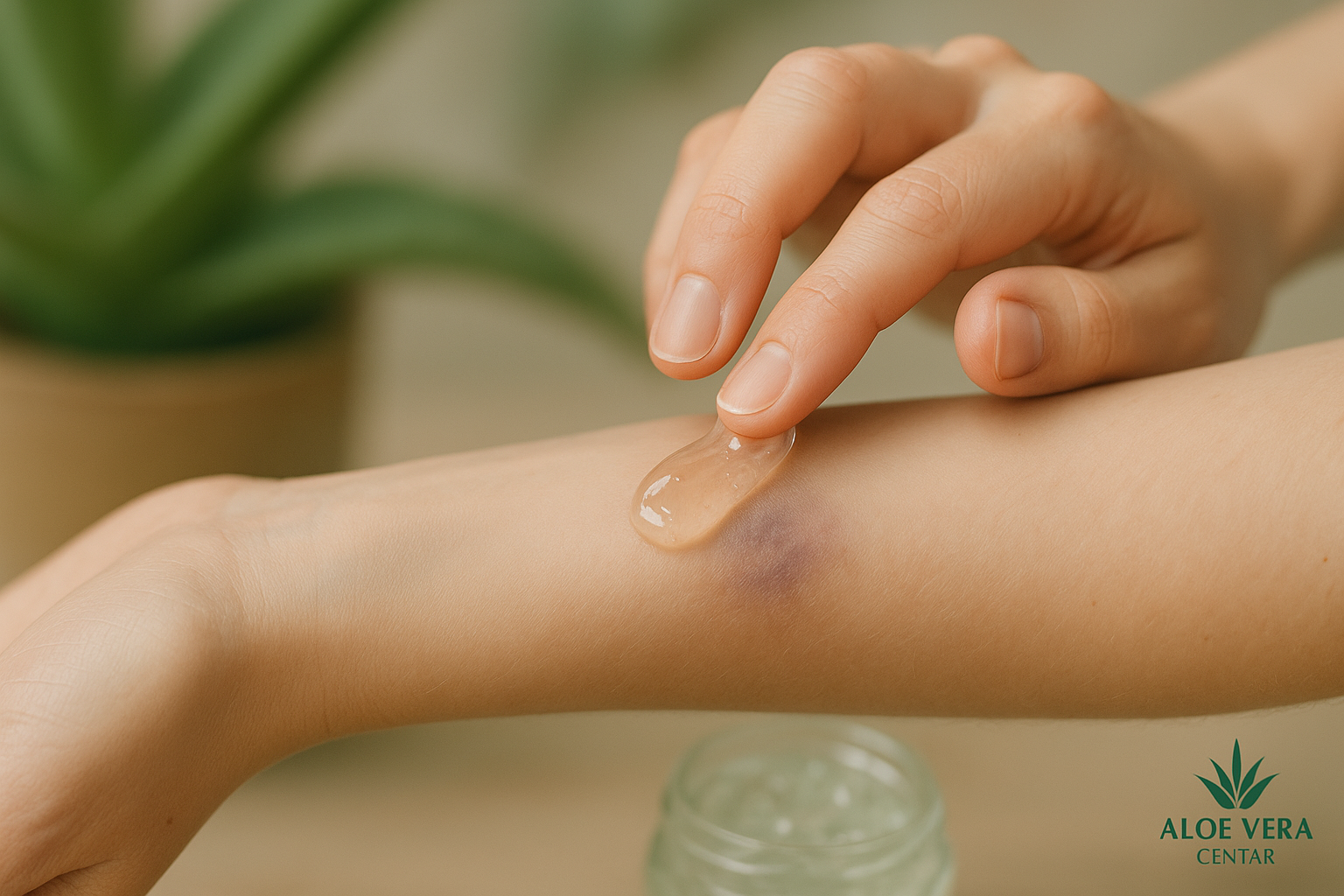
Treatment of bruises and hematomas with aloe gel is a topic that raises a lot of questions: does it really help speed up recovery or is the effect reduced to a pleasant, cooling sensation and good hydration of the skin? You may wonder why some bruises go away in a few days, while others remain visible for up to two weeks. Below, you will learn how bruises form, what differentiates a bruise from a hematoma, what science says about the effects of aloe on the skin and soft tissue, and you will receive a practical protocol for the first 72 hours of recovery.
Bruise or hematoma: what's the difference?
A bruise (ecchymosis) occurs when small blood vessels in the skin burst after a blow or pressure, and blood leaks into the surrounding tissue. It typically goes through a"kaleidoscope"of colors: from red and blue to green and yellow, with an average duration of 7 to 14 days. A hematoma is a similar but larger"pocket"of clotted blood, often deeper in the tissue, sometimes feeling like a hard, painful lump.
Here's the thing: both a bruise and a hematoma usually heal on their own, but proper first aid can reduce the amount of discomfort. The standard approach is the RICE method (rest, ice, compression, elevation), especially in the first 24 to 48 hours after the injury, which is confirmed by health institutions such asCleveland Clinic guidelines on the RICE method iWebMD reviews.
When to seek a doctor
- Very severe pain, marked redness and warmth or rapidly growing swelling.
- Difficulty with mobility, support or suspected fracture.
- Bruises appear"out of nowhere", often without a blow, or you have clotting disorders.
- Bruising after a head injury, bruising around the eyes or on the abdomen for no apparent reason.
- Taking anticoagulants: consult your doctor about any major bruise.
For more detailed guidelines on hematomas, seeCleveland Clinic information about hematomas and general recommendations on bruises onto WebMD.
How aloe works on the skin and soft tissue
Aloe vera is a succulent rich in polysaccharides, vitamins and phytoactive substances. The most important among them is acemannan, a polysaccharide that in laboratory and animal models can modulate the inflammatory response and stimulate the activity of fibroblasts, cells that produce collagen. According todetailed dermatological examination, aloe can increase collagen content and stimulate epithelization, which is essential in the skin recovery phase.
What does this mean in practice? Topical application of high aloe gel can provide:
- Cool, soothing effect immediately after application.
- Hydration and support of the skin barrier, useful for skin tension above the bruise.
- Potential mild anti-inflammatory action according to pharmacological examinations that record reduced infiltration of inflammatory cells and better organization of collagen in wound models.
It's important to be realistic: systematic reviews of the older literature reported inconsistent results between studies, while more recent work on clinical wounds and skin donor sites suggests
Products most closely related to this topic
If you want to compare concrete options after reading, these products are the closest match to the article topic.
Forever Marine CollagenA good fit when the goal is a routine for skin, hair, nails or joint-support habits.
Closest to a care routine for skin, hair or everyday personal care.Aloe Vera GellyA practical outer-care product when the goal is skin comfort and a simpler care routine.
Closest to a care routine for skin, hair or everyday personal care.Aloe First – First aid for the skin with Aloe vera and propolisA practical outer-care product when the goal is skin comfort and a simpler care routine.
Closest to a care routine for skin, hair or everyday personal care.Short answers that help
If you are still comparing options, these are the points worth checking before you continue.
What should I take from this article?
Use it to understand the topic in practical terms and compare it with your current routine, needs and next step.
When does it make sense to ask for a recommendation?
Ask when the topic feels relevant, but you are not sure which Forever Living Products product or routine fits you best.
Does this article replace professional advice?
Treatment of bruises and hematomas with aloe: natural help or placebo is educational content. For medical conditions, medication, pregnancy or persistent symptoms, include qualified professional advice.
Describe what you want to achieve
If you do not know which product to choose, write your goal, habits or doubts and get a more concrete suggestion.
Recommended products
Related articles to keep exploring