The key points from this article
- Aloe vera is a fantastic plant for beginners and experienced green lovers.
- But when is the right moment to cut a leaf and enjoy the benefits of fresh gel?
- For a personal choice, continue with a recommendation after reading.
Products most closely related to this topic
If you want to compare concrete options after reading, these products are the closest match to the article topic.
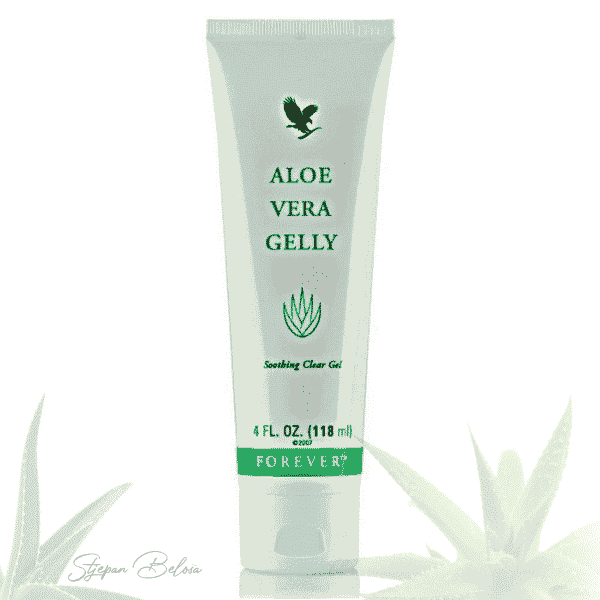 Aloe Vera Gelly
A practical outer-care product when the goal is skin comfort and a simpler care routine.
Closest to a care routine for skin, hair or everyday personal care.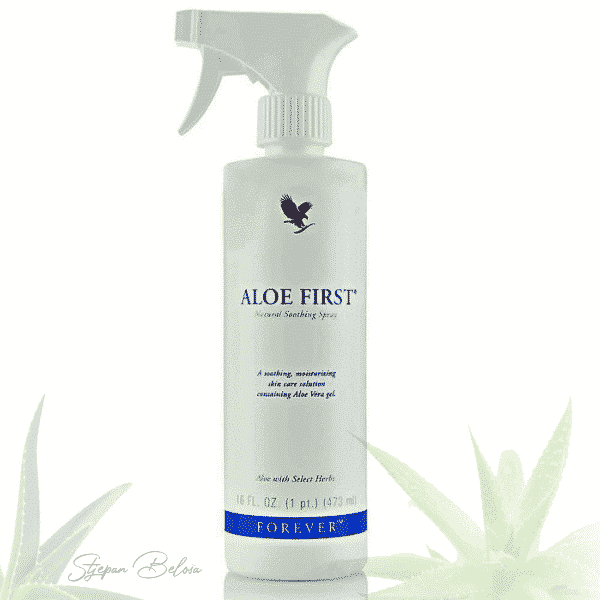 Aloe First – First aid for the skin with Aloe vera and propolis
A practical outer-care product when the goal is skin comfort and a simpler care routine.
Closest to a care routine for skin, hair or everyday personal care.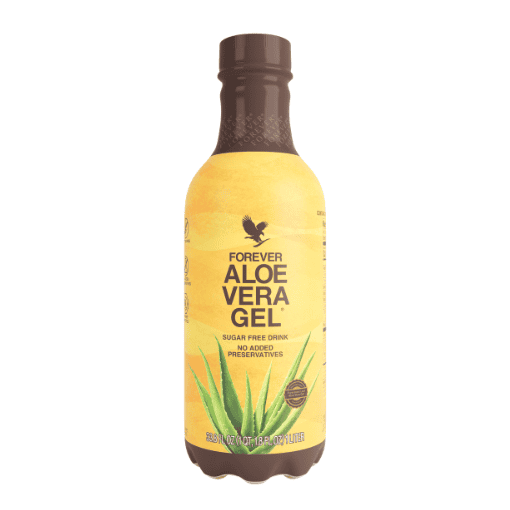 Aloe Vera Gel
A daily aloe drink for people who want simple support for digestion and routine.
It makes sense if you are looking at the topic through digestion and a simpler daily routine.How to know your aloe vera is ready to cut and use
Why pay attention to the right moment at all
When you cut a mature, healthy leaf, you get more gel, better texture and easier separation from the bark. In addition, you preserve the vitality of the entire rosette, so your plant remains strong.But that's not all – mature leaves often contain larger amounts of useful compounds. According to a review article on the composition of aloe vera, the leaves contain over 70 bioactive substances, including vitamins, minerals, enzymes and polysaccharides, such as acemannan.
Signs of maturity: when the leaf is ready
1) Age and size of the plant
The simplest rule: wait for the plant to harden. Practitioners and horticultural sources often state that they are 2 to 3 years a good maturity threshold for a stable gel crop, while some reviews state that it is optimal even later - approx 3 years (harvest manual).
2) The position of the leaf in the rosette
Choose outer, older leaves. Aloe vera grows from the center outwards, so the outer ring is usually the ripest. This rule helps you not to touch the"heart"of the plant and not to slow down the growth of new leaves.
3) Thickness, tension and color
- Thickness and tension: A ripe leaf is full,"heavy in the hand", without soft or wilted parts.
- Color: Healthy matte greenish. Minor aesthetic spots or discrete spots are not a problem, but avoid leaves with signs of rot or mold.
- Length: It is practical to wait until the leaf reaches at least 20–25 cm in order to obtain enough gel for meaningful use.
4) The rule"don't overdo it"
How many leaves can you take off? Moderately. Don't remove too much at once. It's a good landmark 3 to 4 leaves per session and leave 5 to 7 healthy leaves on the plant so that it can quickly compensate for the loss.
Quick reminder: do you have good breeding
Before harvesting, check basic care. Aloe likes a lot of light and a well-draining substrate. Too frequent watering is the most common mistake - let the substrate dry out between waterings (growing tips). If you are just starting out or want more tricks for the environment in your apartment, see the practical instructions foraloe vera in the apartment.
How to choose the ideal list - mini checklist
- Visually: choose the outer, thicker sheet without damage.
- Touch: the sheet should be elastic, but not too soft.
- Purpose: for a larger amount of gel, choose the fullest sheet.
Sound too good to be true? Continue reading…
Using scissors or a knife: how to cut safely
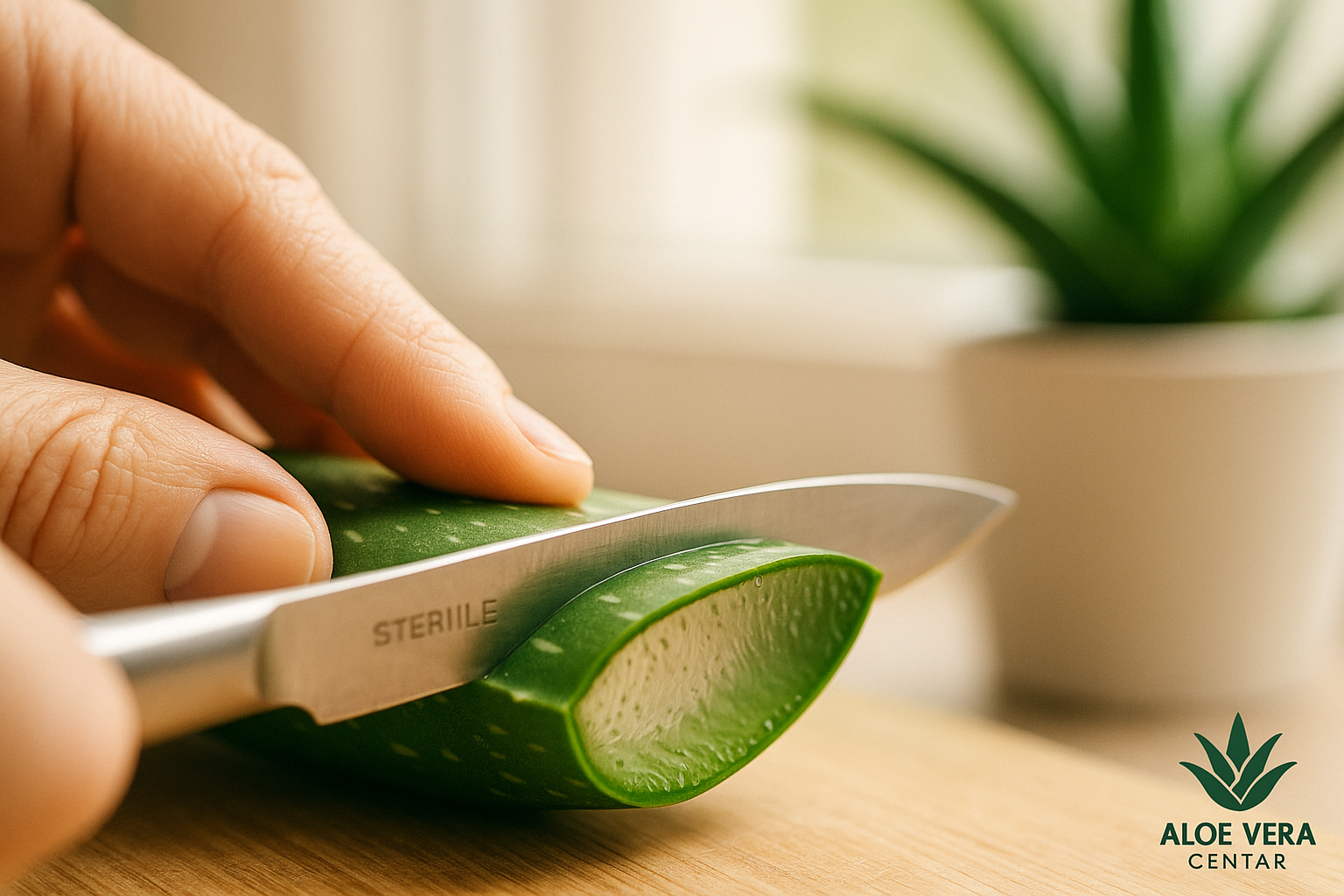
- Disinfect the tool. Wipe a sharp knife or scissors with alcohol. A clean cut reduces the risk of infection and rot.
- Cut at the bottom. Cut the leaf as close to the base as possible, at a slight angle, without"ripping"the bark. The goal is to smoothly separate the leaf from the rosette.
- Turn the leaf downwards and let the yellow juice run out. The yellow liquid that oozes from a freshly cut leaf is latex rich in anthraquinones, incl aloin. It has a laxative effect and not for consumption - so turn the leaf cut side down and let it drain for 10-20 minutes (NCCIH Note on Latex).
- Remove the spines and fillet. Cut off the edge"teeth", then carefully separate the transparent gel from the green peel.
First choice: fresh gel or finished product
Freshly cut gel is great for quick home use on smaller skin areas. For more complex care, standardized texture and convenience, consider specialized formulations. For example, with sensitive skin, many people like a soothing gel without fragrance and color such asAloe Vera Gelly which is easy to apply after sunbathing or shaving.
Do you want to enter regularly stabilized gel within the framework of the daily routine, it is easier for many to use a standardized drink such asForever Aloe Vera Gel which comes ready for consumption, with a clear dosage. If you're not sure which option is better for your lifestyle, compare the differences in taste and composition in the guideAloe Vera Gel vs. Aloe Berry Nectar.
If you want a multi-functional skin spray that you can keep in the bathroom or kitchen drawer, it's practical tooAloe First - it is applied in seconds and is a convenient"first step"before cream or gel.
How often to cut: the rhythm of harvesting without stress for the plant
In order not to exhaust the plant, it is better to harvest less, but regularly. The rule has proven itself well in practice 3–4 leaves per harvest, and then a break from a few weeks before the new harvest. This rhythm gives the plant enough time to recover and grow new leaves.
Safety First: What the Science Says
- For the skin: topical application of the gel is generally well tolerated. In rare cases, irritation or redness is possible, so make sure to do it before wider application patch test (NCCIH).
- For oral use: aloe latex (yellow juice under the skin) can cause cramps and diarrhea and is not intended for consumption. Health institutions warn that it should not be taken orally, especially during pregnancy and in sensitive groups (NCCIH).
- Standardized products: if you choose drinks and supplements, rely on reliable suppliers and clear declarations. In the US, aloe laxative products were removed from the market in 2002 due to a lack of safety data, underscoring the importance of responsible formulation and control.
Step-by-step: cutting and preparing the gel without the mess
- Preparation: wash your hands, disinfect the knife, prepare a board and a clean glass container.
- Cut: choose external, mature leaf and cut it off at the bottom.
- Draining: place the sheet cut side down for 10–20 minutes to release the yellow latex.
- Edge removal: cut the"teeth"on the sides.
- Filleting: cut thinly under the green skin and separate the clear gel in one piece.
- Storage: store the gel in a container with a lid and keep it in the refrigerator.
For additional ideas for use in the home, take a look at the practical applications from the articlealoe vera in the household. If your plant requires more space, check the tips before harvestingwhen to transplant aloe vera.
How long does fresh gel last and how to store it
Fresh gel is perishable. It is best used in the refrigerator 24–48 hours. If you want longer storage, consider freezing in ice trays. Some technological sources mention that the bioactivity of the gel at room temperature decreases very quickly due to enzymatic processes, so chilling is an important step to preserve freshness and texture (overview notes on post-harvest handling are available in professional publications).
The most common cutting mistakes and how to avoid them
- Removing leaves too often: use the rule of 3–4 leaves and then a break.
- Cutting young, central leaves: slows down growth and weakens the plant.
- Non-sterile tool: increases the risk of cut rot.
- Not letting the latex expire: increases the likelihood of irritation and bitterness.
- Wrong storage: gel left in a warm place quickly changes color and smell.
How to use fresh gel - simple ideas
- Fast skin hydration: apply a thin layer to clean, damp skin.
- After sunbathing or shaving: the gel can soothe the feeling of skin tightening.
- Hair and scalp: gently massage into the scalp before washing for a fresh feeling.
For additional recipes and combinations with vegetable oils, see also ideas likealoe vera and lavender.
Smart decision-making with digital assistance
Are you still hesitating between fresh harvest and finished products or do you need help with your care routine? For personalized recommendations you cantake advantage of the AI advisor which in a few questions narrows down the choice to what you really need.
FAQ - Frequently asked questions
1) Can I cut aloe vera in winter?
Yes, but growth is slower, so the plant needs a longer break to recover. Harvest sparingly and provide enough light.
2) How many sheets can I remove at once?
In practice, 3–4 leaves is a safe maximum, with a mandatory break of several weeks and leaving 5–7 healthy leaves on the plant.
3) Can I use the whole leaf in a juice or smoothie?
It is not recommended to use part s latex due to anthraquinones such as aloin. If you ingest aloe as a drink, choose proven, standardized products with clear declarations, or carefully extract only the transparent gel. Health institutions advise caution, especially for pregnant women and chronic patients.
4) How do I know that the sheet is"full"enough to cut?
The sheet should be thick, elastic and"swollen"to the touch. If it is thin, soft or withered, wait for better hydration and more light.
Conclusion: cut with confidence and without haste
Note: This content is for informational purposes only and does not replace the advice of a doctor or pharmacist. If you have skin or health problems, allergies, pregnancy or are taking therapy, consult a specialist before using aloe vera.
Products most closely related to this topic
If you want to compare concrete options after reading, these products are the closest match to the article topic.
Aloe Vera GellyA practical outer-care product when the goal is skin comfort and a simpler care routine.
Closest to a care routine for skin, hair or everyday personal care.Aloe First – First aid for the skin with Aloe vera and propolisA practical outer-care product when the goal is skin comfort and a simpler care routine.
Closest to a care routine for skin, hair or everyday personal care.Aloe Vera GelA daily aloe drink for people who want simple support for digestion and routine.
It makes sense if you are looking at the topic through digestion and a simpler daily routine.Short answers that help
If you are still comparing options, these are the points worth checking before you continue.
What should I take from this article?
Use it to understand the topic in practical terms and compare it with your current routine, needs and next step.
When does it make sense to ask for a recommendation?
Ask when the topic feels relevant, but you are not sure which Forever Living Products product or routine fits you best.
Does this article replace professional advice?
Aloe vera - when to cut the leaf and how to use it safely is educational content. For medical conditions, medication, pregnancy or persistent symptoms, include qualified professional advice.
Describe what you want to achieve
If you do not know which product to choose, write your goal, habits or doubts and get a more concrete suggestion.
Recommended products
Related articles to keep exploring