In this guide
Itching, unusual discharge, dryness and burning can have different causes. Infection, irritation and hormonal changes require different approaches. Aloe beverages and supplements do not replace an examination, diagnosis and targeted treatment.
Prepare useful information for your appointment
- Record when symptoms started, whether discharge has changed and whether urination or sex is painful.
- Prepare a list of medicines, supplements and new hygiene products. Mention pregnancy, breastfeeding or possible pregnancy.
- Arrange assessment for first symptoms, unusual discharge or recurring problems. Fever, shivering or pelvic pain need timely evaluation.
Simple care while awaiting advice
Wash the external area with water and dry gently. Choose breathable, comfortable underwear. Do not douche inside the vagina or apply scented deodorants, aloe spray or homemade mixtures to mucous membranes.
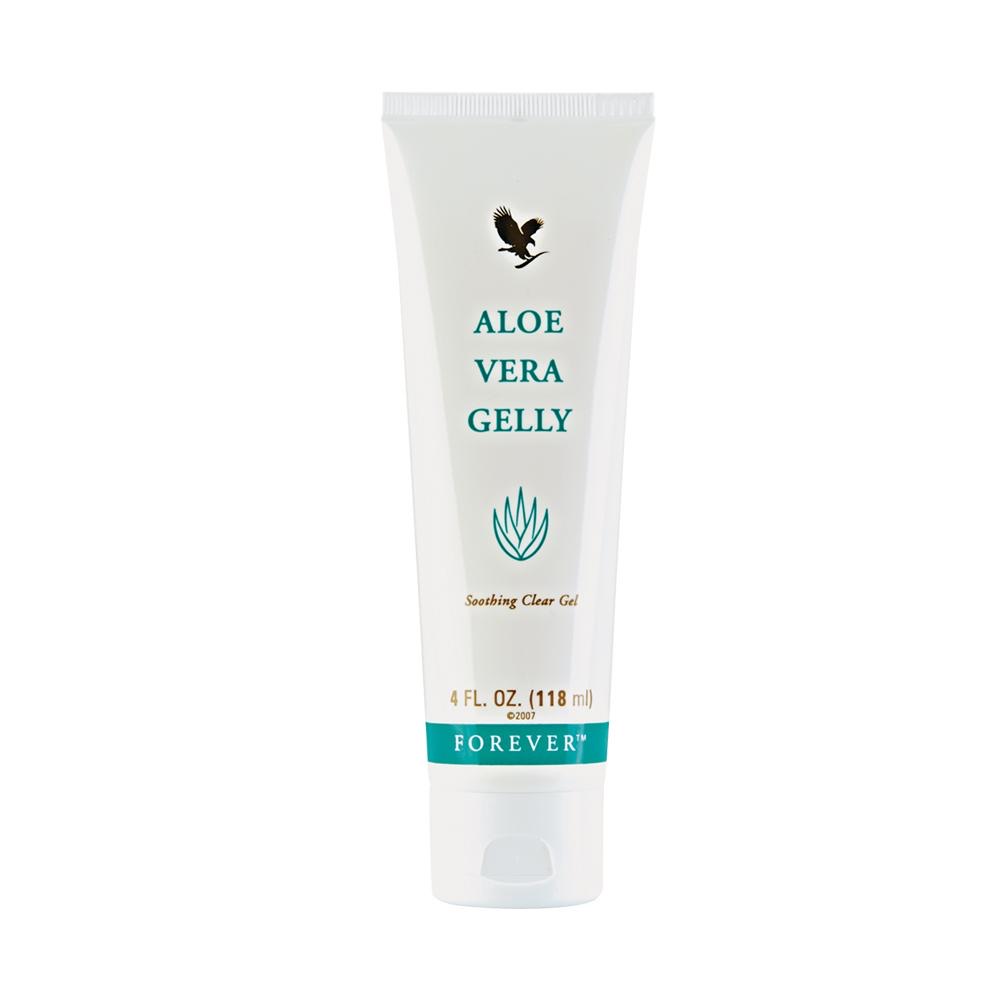
When comparing aloe products previously mentioned in this context, distinguish their actual purpose. You can consider Aloe Vera Gelly for moisturising intact skin on your arms or legs if its gel texture suits you. This is separate cosmetic care, not a product for the vagina, intimate mucous membranes, sores or recovery after procedures. Check the local label and sensitivity to ingredients.
Do not start an aloe beverage or herbal supplement to treat thrush, fibroids or regulate hormones. During pregnancy and breastfeeding, do not assume a herbal product is safe. A gynaecologist or pharmacist should check the specific ingredients and your medicines.
Sources: NHS NCCIH Forever Living.
Common questions
Can I put Gelly inside the vagina?
No. This comparison concerns only intact skin on arms or legs.
Does an aloe drink treat thrush?
It should not be used instead of diagnosis and prescribed treatment.
Before first use
Choose products for your dietary routine and care needs. Follow a healthcare professional’s advice for diagnosis and treatment of symptoms. Check suitability first during pregnancy and for use by children.